
Category Archives: Blog

How To Clean An Outdoor Water Fountain How To Clean An Outdoor Water Fountain

How To Clean An Outdoor Water Fountain

No matter how big or small they are, outdoor fountains are a surefire way to liven things up in your backyard.

While they are stunning works of art, they can become an eyesore quickly if you don’t clean or maintain them properly.

To make it easier for you, we’ve broken down the typical process of cleaning your outdoor water fountain!

Read Your Water Fountain’s Manual

Use an incompatible chemical for your fountain could lead to permanent harm. That’s why, before anything else, you should read the manufacturer’s manual. Make sure to find out about the materials used to create your fountain so that you only use the proper tools and chemicals.

Empty Your Fountain

To completely drain the fountain basin, a wet/dry vac may be necessary depending on its size. Pull the pump’s plug from the wall before discarding all the water and letting the basin dry completely to prevent the engine from overheating.

Rinse Your Fountain With Clean water

Fill the fountain up and let it flow with running water. Make sure all the lines are clear by flushing them out first. You can also use a rag so you can rinse the fountain properly. While doing so, see if there are any algae stains that may require more attention later on.

Clean Your Fountain Pumps

Remove the pump from the fountain and disassemble it in a well-lit area. Don’t use substances that aren’t specified as safe by the manufacturer, and make sure that you thoroughly rinse your unit after using soapy water to clean it.

Soap can destroy a pump in less than a day. For those hard to reach places, you can use an old toothbrush.

Unclog Spouts And Tubing

It may be necessary to use specialized equipment to clean the fountain’s piping and tubing. For an easy yet effective way, you can use a pipe cleaner.

Avoid further clogging by making sure each tube is thoroughly cleaned. After that, you should inspect your tubings as blocked lines may burn out the pump and even cause leaks.

Wash The Basin

Rinse off the fountain basin and refill it with clean water. Some fountains can be cleaned with high-pressure washing methods, although you have to check first if that’s safe to do on your fountain. To maintain a sparkling appearance, pressure washing is a great option for cleaning cast stone fountains.

Scrub Off Dirt and Stains

Scrubbing the affected area with a toothbrush and some detergent should help you remove dirt and other debris. However, note that some stains may be harder to get rid of compared to others.

Dish soap can be used to remove most stains from a fountain basin if you don’t have any other cleaning supplies on hand, but you may need to put in some extra effort.

Rinse Out Your Fountain Again

You’re almost done. Eliminate lingering chemicals on your fountain’s surfaces, the  drain the basin once again with the wet/dry vacuum. See to it that the fountain’s basin is spotless. You need to be sure that you have successfully eliminated all traces of algae from your fountain.

Frequently Asked Questions

Even after reading through the steps above, you may have more questions about cleaning and maintaining your outdoor fountain. Below are a few questions that you may have.

How much would it cost me for an outdoor fountain repair?

It depends on the age of your fountain or the complexity of the job. Water fountain repair can cost you about $500 to $1,200.

How can I remove the mineral buildup on my fountain basin?

You can scrub off calcium buildup or any other natural mineral with a soft bristle brush or sponge

How would I know if it’s time to get a replacement pump?

You would know that it’s time to get a replacement pump if there’s a coolant leak, rust or corrosion, or whining noises. Other signs include an overheating engine and radiator steam.

Get Professional Help For Your Dirty Or Broken Fountain

Looking for someone to help you fix or clean your water fountain? How about someone to set it up for you?

Orange County Outdoor Water Fountain Designs can do it all. Allow us to give you the garden of your dreams. Contact us at 949-653-2305 and ask for a free quote today!
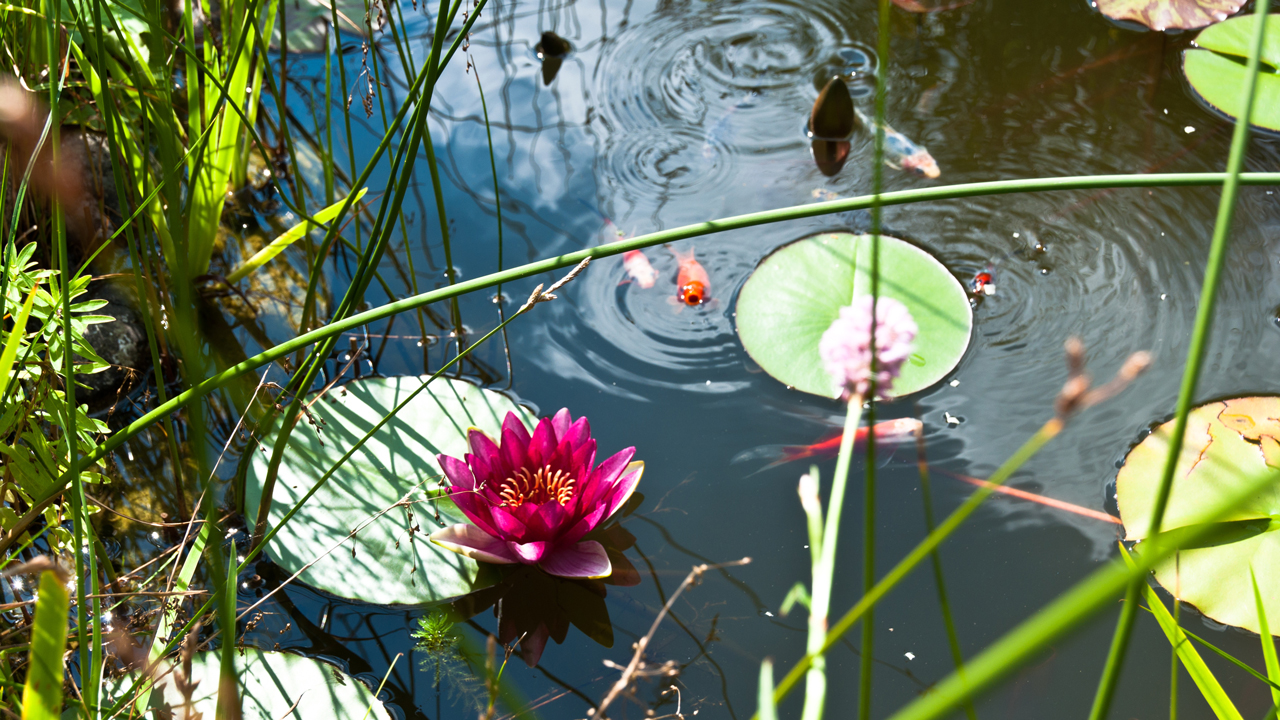
7 Best Types of Pond Fish for Garden Ponds 7 Best Types of Pond Fish for Garden Ponds

7 Best Types of Pond Fish for Garden Ponds

7 Best Types of Pond Fish for Garden Ponds

Building a garden pond is always a fun and exciting process. From digging a pond hole and adding a filtration system to decorating it with aquatic plants and rocks, there’s never a dull moment.

If you already have your pond set up, you probably can’t wait to start filling it up with fish. Before you head to the store, though, you should first learn about the different species that could survive and thrive in backyard ponds.

Here, we break down the best fish to get for your backyard pond!

1. Koi

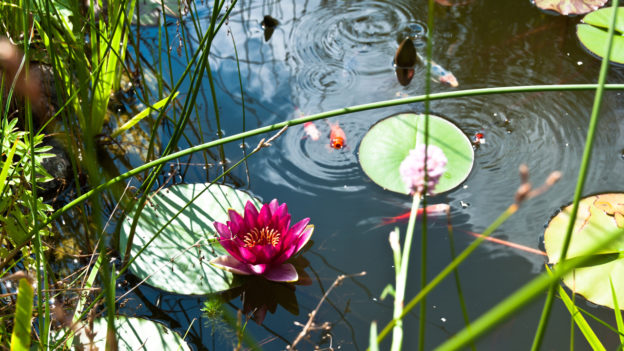
Koi have evolved to thrive in the great outdoors, making them an excellent choice for your garden pond. They are extremely resilient and can handle hot and cold temperatures. The only downside is that they can grow to over two feet! You can keep them in smaller ponds when they’re younger and just around five to seven inches, but you may have to transfer them to a large pond after some time.

2. Catfish

Some pond owners would actually argue that it’s a bad idea to have catfish as pets in an outdoor pond. That’s because they tend to bite and kill fish that are sometimes even bigger than they are. Most of the time, they’re laid back, but you never know when they might flip the lid. Our advice is to be cautious and don’t place them in a pond with defenseless fish like koi or goldfish.

3. Sterlets

The sterlet is a wonderful fish to keep in your pond due to its adaptability and ability to thrive in colder climates. Their average age is between 22 and 25, they can be distinguished by their black skin, white stripes, and fimbriated barbels.

Keep in mind that some of the proteins in commercial pellets may be too difficult for them to digest. In addition, sterlets can become entangled in aquatic plants, so don’t put too much water plants.

4. Common Goldfish

Common goldfish are generally peaceful creatures, and they can get along with almost anything in the pond. However, you should be careful as smaller types of goldfish can fall prey to fish like golden orfes. Temperatures between 68 and 72° F (20 and 22 degrees° C) and pH levels between 7.2 and 7.6 are ideal for goldfish.

5. Weather Loaches

Weather loaches can tolerate water temperatures between 40 and 77 °F (4.5 and 25 °C), allowing them to survive winters in outdoor ponds. As they are quite sociable and prefer to congregate in small groups with others of their kind, you will want to acquire many of them.

Plus, they may reach a height of a foot and are not discriminating eaters. They’ll happily chow down on almost anything including algae, insects, veggies, and food pellets.

Types of Fish That Pond Owners Should Avoid

Since there are ideal fish to add to small ponds, there are of course going to be bad ones. Before you build a pond, try not to get the types of fish below.

Fancy Goldfish

Fancy goldfish are known to be slow and clumsy, so it would be a bad idea to place them in a pond. When it’s feeding time, they’ll easily be left behind and may even starve to death. They’re also incredibly vulnerable to illness and infection.

Plecostomus

Plecostomus should never be kept in a pond unless you are in a tropical climate. P lecos are often introduced to ponds in an effort to control algae growth. Unfortunately,  these fish are used to warmer climates and won’t survive the cold.  Their carcass could then cause serious water pollution that can kill off other species.

Hire Professional Garden Pond Services Today

Need help installing your garden pond? You’ve come to the right place. The OC Pond and Fountain Care design team is equipped with materials and in-depth knowledge for all your water feature needs.

We can help you decorate, clean, and maintain your pond by adding essentials like pond liner, decorative rocks, and more.

To begin, contact us at 949-653-2305 and get a free quote today!

Outdoor Water Fountain Maintenance Tips Outdoor Water Fountain Maintenance Tips

Outdoor Water Fountain Maintenance Tips

There are a variety of outdoor garden water fountains to choose from, allowing you to choose one that suits your yard perfectly. To enhance the element of style and charm to your backyard, garden, or patio, installing an outdoor fountain is one of the best options you can make.

The fountains can be decorated with a sculpture or recognizable figurine as a part of the design that gives them a more pleasing appearance. You will usually be able to pick the size of outdoor fountains based on what suits your personal tastes. 

However, in the absence of proper care, it’ll lose its appeal and aesthetics. It is best to keep in mind the importance of broken fountain repair. Wind, rain, dirt, and debris can damage them if they are not maintained and cared for properly.

Can You Repair a Cracked Fountain?

In maintaining your outdoor water fountain, cracks and damages are a significant concern. Now, you may wonder if it is possible to repair a cracked fountain—the answer is yes!

There is a possibility that these fountains can chip or crack over time due to the weather and other elements. As long as you catch cracks in fountains before they become a serious problem, most can be repaired.

When performing a fountain repair, it is important to ensure that the material used is compatible with the fountain’s—epoxy-based patching materials work best with concrete fountains, while waterproof silicone sealant or similar fillers work on metal or fiberglass fountains.

Tips on How to Clean Your Outdoor Water Fountain

In comparison with an indoor fountain, keeping an outdoor fountain clean can be challenging. Outdoor fountains are exposed to the wind, leaves, dirt, animals, rain, snow, and raindrops, depending on their climate. Indoor fountains tend to gather dust and fingerprints.

In general, cleaning a smaller fountain will take less time, unless there are many intricate parts to take care of. Larger fountains, on the other hand, are able to hold more water and therefore have more space for deposits to accumulate. 

Empty the Fountain of Water

It will be necessary to drain all the water from the fountain basin. The first step to draining a fountain is to read the maintenance instructions and learn how to disassemble the pump as well as which chemicals to use.

It is crucial to unplug the pump before draining your water fountain to prevent burnout or wearing down.

Depending on the size of the fountain basin, you can scoop the water out using a pail or pitcher. Remove any debris to avoid clogging the pump. As an alternative, you can always siphon the water from the container with a hose, or use a wet & dry vacuum to completely empty the fountain basin.

Clean the Water Fountain Pump Thoroughly

In order to keep the fountain pump free of debris and obstructions, it is important that the pump is cleaned every three months. For more information about how to detach your pump, please refer to your owner’s manual.

Remove any debris or buildup from the pump with a cloth to make sure it is thoroughly clean. Wash the inside of the pump by opening the cover and wiping it down. Using an old toothbrush, you can clean out hard-to-reach places.

It is very important to rinse your pump off to remove any soap that might be left on it and to avoid using chemicals that have not been approved by the manufacturer. Rinsing your pump off completely after washing can prevent it from being ruined by soap within a day. You will need no replacement pump for a long time if you perform regular pump maintenance.

Scrub Clean Your Outdoor Water Fountain

Water fountains can be cleaned with soapy water depending on how often they are maintained. Algae removal products are needed if there is extensive algae growth. Algae growth is more prevalent in fountains located in the sun than those situated in the shade.

Cleaning your fountain with a non-abrasive tool is always recommended, no matter what the material is. It is a good idea to buy a dedicated cleaning solution for water features or to fill a bucket with warm water mixed with a little mild dish soap.

Use rubber gloves when scrubbing the inside and outside of your water feature with a cloth, or a non-abrasive brush if dealing with tough stains. When it comes to cleaning small nooks and crannies around the house, an old toothbrush can come in very handy.

Maintaining the appearance of your fountain is as easy as wiping it down every four to six months to prevent a buildup of dirt and debris. It is also a good idea to take a deeper look every few months. Make sure you use a mild cleanser and a non-abrasive brush to clean the bowl. 

Rinse Clean Your Outdoor Water Fountain

The fountain’s walls should now be rinsed to remove any chemicals. You don’t want any cleaning solution left behind since you are likely to attract birds, butterflies, and dragonflies. Wildlife and your pets may occasionally help themselves to your water feature if it sits low to the ground. 

Inspect the basin of your fountain to ensure that all stains have been removed.  Algae can come back quickly so you need to be sure that you have completely removed any algae from your fountain during this process.

You may also want to consider adding an animal-friendly water treatment product to your water fountains when refilling them with water. This will help reduce algae growth.

Hire Professional Pond Repair Service for Your Needs

In the event that you do not have the time or resources to ensure that your water fountain is cleaned, maintained, and repaired, it is still recommended to hire a professional to do the task.

You can rest assured that we will take care of all of your outdoor fountain repair and cleaning needs in an efficient manner while doing it the right way.

Get a free quote from us and to learn more about our services, contact us at 949-653-2305 at OC Pond Service today!

A Step-by-Step Guide on How to Use Repair Kits for Preformed Molded Ponds Preformed Pond Repair Kit: Doing it Yourself

A Step-by-Step Guide on How to Use Repair Kits for Preformed Molded Ponds

Key Takeaways

  1. A quality preformed pond repair kit includes adhesive compounds and patches specifically designed for rigid pond structures.
  2. Successful plastic pond repair requires proper drainage, surface cleaning, and allowing adequate curing time for adhesives.
  3. Professional leak detection involves checking water levels, inspecting for wet spots, and systematically testing different pond sections.
  4. Whether you have a rubber pond liner or plastic model, using compatible repair materials ensures lasting fixes.
  5. DIY pond liner repair works well for small holes, but extensive damage requires professional replacement services.

Specifically, preformed molded ponds utilize butyl rubber liners or plastic liners to establish the shape of a garden pond or even koi ponds. These kinds of garden ponds are typically installed in-ground or above ground and surrounded by concrete, which could deteriorate and crack with time. Whether you have a standard rectangular design or kidney shaped pond liner, proper maintenance prevents pond leak issues.

Over time, cracks or other damage to the pond liner can cause a decrease in the level of the pond water aside from water evaporation. Don’t worry, you can purchase a pond repair kit for your leaking pond liner. A quality plastic pond repair kit includes repair patch materials designed for your specific pond liner material.

The following are steps to fix preformed pond problems in your yard using DIY kits.

Step-by-Step Guide: How to Repair a Preformed Plastic Pond

In order to fix a leaking preformed pond liner, you should first make sure it’s the liner and not something else that’s causing the leak. Following the identification of the leak’s cause, it’s time to decide how to fix it. Professional pond leak repair starts with identifying whether flexible liners or rigid structures show damage.

The following is a step-by-step guide on how to fix molded pond problems using preformed pond repair kit:

Remove Fishes, Pond Plants, and Drain Your Pond

When you empty your garden pond, fill the holding tank, buckets, or other containers with pond water and remove the pond’s fish, plants, and rocks. This way, they won’t be affected by the falling water level when you drain the pond. A sudden decrease in water level can stress aquatic life during plastic pond repair procedures.

Locate the Leak and Clean the Pond’s Surface

After locating the leak, you may mark the leak’s location in the liner with a grease pencil or other marking tool. Most pond liner repair kit options include seam tape for reinforcing vulnerable areas around patches.

Leaks in preformed liners are often noticeable cracks or tears, but they are hard to locate in shallow ponds. Search for wet spots around the area to find where the leak is.

Apply an Adhesive Compound

If you are using a patch kit that includes an adhesive compound, apply a thin layer around the leak—it is typically epoxy or another adhesive and needs to be set up slightly before the patch can be applied.

This step can be skipped if your patch kit does not contain an adhesive compound.

Use the Patch to Cover the Leak

The patch should be removed from its paper backing if it has one. Cover the leak with the patch, but be sure to avoid air bubbles or wrinkles in it that could further allow water to leak and let the adhesive set fully.

Depending on the bond, this could take up to a few hours or even a day.

Dry Your Pond and Do a Leak Test

When the pond is dry, refill the pond using your garden hose. Check the water level from time to time to see if leaks are still there. The best way to determine if your pond is leaking is to fill it up with water and then check if a leak is still present or if there are wet patches around the pond.

Refill Your Pond with the Fishes, Plants, and Water

Add fish, aquatic plants, or stones you removed earlier back in the pond, and add the water where they were placed to the repaired pond to help the fish adjust. Do not forget your pump and filtration system to protect your backyard pond from dirt and debris, and can prevent algae growth.

Professional Pond Repair Services for Your Needs

When a garden pond liner is damaged or has small holes, you can fix them yourself, but if the hole is large or there is a great deal of damage, you should let professionals replace it with a new liner. When experiencing considerable damage beyond simple patches, professional installation ensures proper repair.

Our team of pond experts at OC Pond Service will help you with any pond liner leaks and garden repairs. We can even recommend a high-quality pond liner for a long-lasting garden pond. We also install a high-quality backyard pond or beautiful water features that create a serene outdoor space for you and your family to enjoy.

To learn more about our services, you may contact us at 949-653-2305 at OC Pond Service today!

Frequently Asked Questions

Q1. What type of kit should I use for my pond material?

A plastic pond repair kit works for rigid preformed ponds, while flexible ponds need different solutions. Choose the type of kit based on your liner material—rigid plastic requires epoxy-based patches, flexible materials need adhesive-backed patches.

Q2. How to repair a preformed plastic pond with water still inside?

Learning how to repair a preformed plastic pond typically requires complete drainage for proper adhesion. Attempting repairs on a pond with water prevents patches from bonding correctly and usually fails within days.

Q3. Can I use a rubber liner kit on my kidney shaped pond?

A kidney shaped pond liner can use either rubber liner kit materials or plastic options depending on original construction. Match repair materials to your existing liner type for compatible chemical bonding and flexibility.

Q4. Do I need special pond liner repair kit tools for installation?

Most pond liner repair kit packages include necessary tools, though professional-grade repairs might require heat sealing equipment. Basic kits contain patches, adhesive, and cleaning supplies sufficient for typical homeowner repairs.

Q5. When should I hire a pond contractor versus DIY pond leak repair?

For minor pond leak repair under 2 inches, DIY works well. However, hire a pond contractor for multiple tears, seam failures, or when plastic liner kit repairs fail repeatedly. Professionals ensure proper pond liner patch application.

4 Tips on How to Choose a Trusted Orange County Fountain Repair Company 4 Tips on How to Choose a Trusted Orange County Fountain Repair Company

4 Tips on How to Choose a Trusted Orange County Fountain Repair CompanyEven if you are able to fix some fountain issues on your own, there are some types of damages or major cracks that should be fixed by a professional. A trusted garden water fountains maintenance service includes landscaping, repairing, washing concrete, and keeping water features clean.
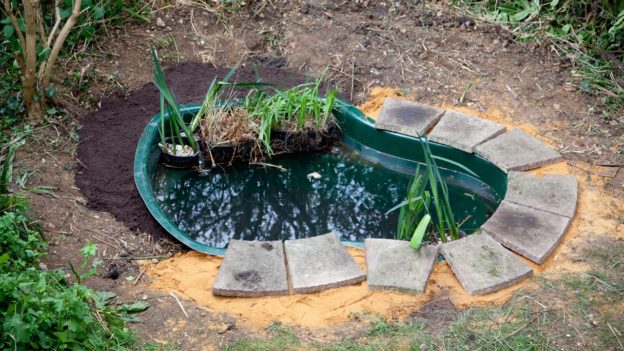
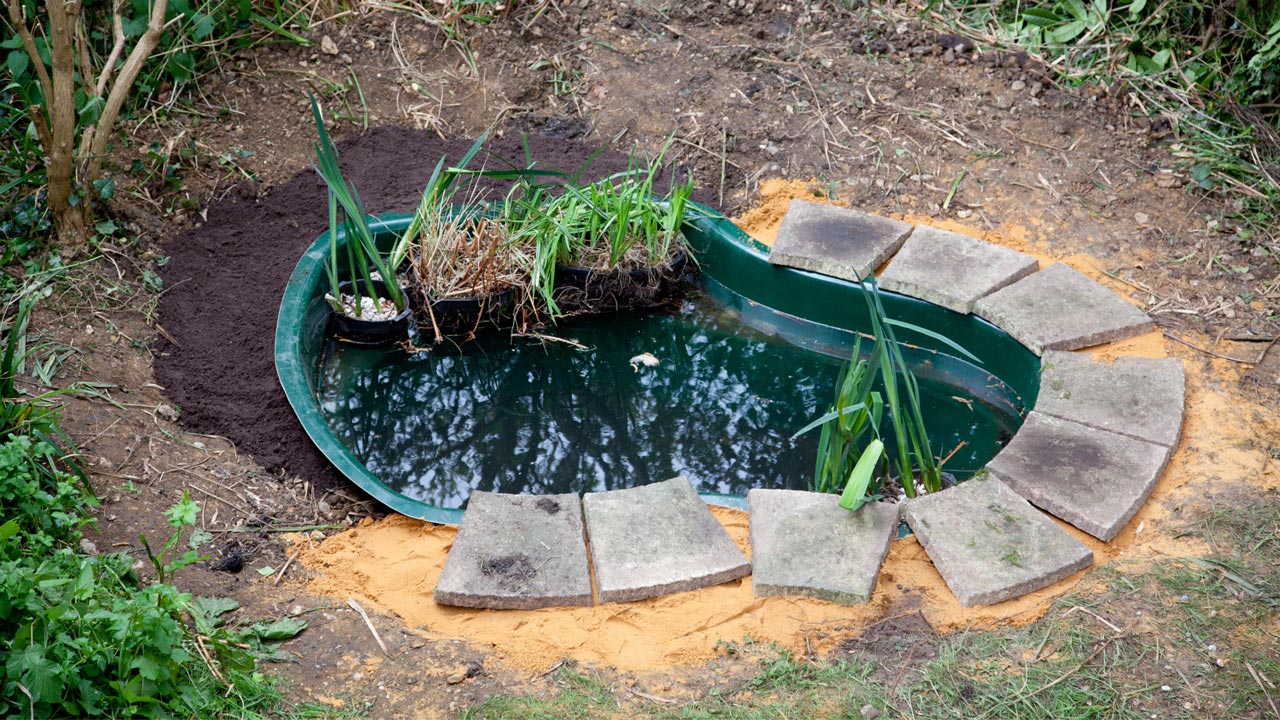
This must be done by a trusted garden fountain business. Luckily, there are companies within California that offer these types of services.

What to Look for in a Fountain Repair Business?

In case you are looking to hire a trusted company for garden fountain repair in Orange County, CA, the following are a few things to consider when looking for a fountains business to guarantee that you are extremely happy with the service you will receive:

Years of Experience

For proper fountain repair needs, it is essential to have both the knowledge and hands-on experience. While some issues can be easily fixed and done by you, others are more complex.

Hiring an inexperienced or unqualified technician to conduct repairs increases the possibility of cracks and leaks occurring again. If you are looking for the best repair service, consider their years of experience.

The water fountains you have installed in your home are a significant investment, which is why you should entrust any repair or maintenance duties to a professional.

Choosing a technician with the right equipment and at least ten years of experience will ensure that you’ll be provided high-quality work with minimal possibility of an issue recurring, which is definitely your money’s worth.

Great Customer Service

In order to answer all your concerns about your backyard fountain, such as the cause or the cost of any repair, your technician should provide you with a free quote and consultation prior to beginning any work on your property.

A business with an excellently working website is strongly recommended, this means you’ll know their contact information in case you need to reach out to them.

To avoid being surprised with unexpected costs, you must first establish clear communication with your technician. During the initial assessment, ensure that they give you a detailed quote and fair price regarding the extent of the damages to your fountain.

Portfolio of their Jobs

Trusted pond and fountain repair services in Southern California must also provide design process and installation services, making their existing work portfolio a helpful way for you to see the quality of their work.

It is highly recommended to search or request samples of their past work before choosing a technician. If you see that a team has built fountains or has fixed usability-related issues like yours, then it can be an assurance that they are equipped to complete successful repairs for you.

Location

It is also essential to consider whether the repair technician is easy to reach. Choose one that is close to your home or property to guarantee that the entire process of receiving their services will be done in a timely manner, as well as reducing the costs.

Residents of California should pick a company within the surrounding area like ones from Fountain Valley, Long Beach, Huntington Beach, La Habra, Santa Ana, Irvine, and Anaheim, California.

Choose a Reliable Fountain Repair Service

If you are interested in finding a trusted business for your patio needs, we will provide you with a consultation and quote free of charge to get started. Contact us at 949-653-2305 at OC Pond Fountain Service today!

A Step-by-Step Guide on How to Use Repair Kits for Preformed Molded Ponds A Step-by-Step Guide on How to Use Repair Kits for Preformed Molded Ponds

A Step-by-Step Guide on How to Use Repair Kits for Preformed Molded PondsSpecifically, preformed molded ponds utilize butyl rubber liners or plastic liners to establish the shape of the pond. This kind of garden pond may be installed in the ground or as a raised concrete pond depending on the design.


Over time, cracks or other damage to the pond liner can cause a sudden decrease in the level of the pond water as well as erode the soil around the leak. Don’t worry, you can purchase a pond repair kit for your leaking pond liner. The following are steps to fix preformed pond problems using a repair patch.

Repairing Leaky Pond Liner Leaks

Before repairing a pond liner, the first thing you should do is be sure it’s the liner leaking and not something else. When you have identified the cause of the leak, the next step is to determine how you will fix it.

You can fix small breaks in a pond liner yourself, but if the hole is large or there is considerable damage to the liner, letting professionals replace it with a new liner is better.

Guide on How to Use Pond Liner Repair Kits

It is important to know the pond liner material first before performing pond liner repair. A rubber liner kit is different from a plastic liner kit. When you discover what you have between these two liners, you will know what type of kit to use.

If you’re confident that you have a damaged pond liner and that you know what material it is made of, you can follow the steps below to fix your pond leak using a pond liner patch:

  1. When you empty your pond, fill the holding tank, buckets, or other containers with pond water and remove the pond’s fish, plants, and rocks. This way, they won’t be affected by the falling water level when you drain the pond.
  2. Pump the water out and let the liner surface dry. Having the water leak out of the damaged liner is one way to empty the pond, but this will significantly take longer and may lead to further soil erosion or damage at the leak site.
  3. After locating the leak, you may mark the leak’s location in the liner with a grease pencil or other marking tool. Leaks in preformed liners are often noticeable cracks or tears, but they are hard to locate in some cases. Search for wet spots around the area to find where the leak is.
  4. To clean the liner, remove dirt, algae, and other potential contaminants from the damaged area by scrubbing it with soap and water or with a solvent cleaner designed for plastic or rubber pond liners. A clean surface is necessary to patch a leaking pond since it helps ensure a better seal when you apply the patch.
  5. Cover the leak with the patch, but be sure to avoid air bubbles or wrinkles in it that could further allow water to leak and let the adhesive set fully. Depending on the bond, this could take up to a few hours or even a day.
  6. When the patch is dry, refill the pond with water. Put any fish, plant, or rocks you removed earlier back in the pond, pouring the water they were kept into the new pond to help the fish adjust. Check the water level from time to time to see if pond leaks are still there.

Need Help With Your Leaking Pond Liners?

Our team of pond experts at OC Pond Fountain Service will help you with any pond liner leaks and garden repairs. We can even recommend a high-quality pond liner for a long-lasting garden pond!

To learn more about our services, you may contact us at 949-653-2305 at OC Pond Fountain Service today!

How Do I Keep My Outdoor Fountain Algae Free? 4 Things You Need to Know to Maintain Water Health 4 Ways to Keep Your Outdoor Fountain Algae Free

How Do I Keep My Outdoor Fountain Algae Free? 4 Things You Need to Know to Maintain Water Health

Algaes in your backyard fountains don’t only look bad, but they also damage your filtration system and can harm you and your pets’ health.

Because outdoor fountains expose water to sunlight, this naturally creates algae blooms. Though this process is natural and unavoidable, it doesn’t mean there’s nothing you can do to prevent or slow this process. Learn about the tricks that help fountain owners maintain their water health!

Change Your Fountain Water

Change the water of your fountain at least once a month by completely draining your fountain, letting it air dry, then refilling it.

Algae grow in your water naturally. But when you change the water monthly, you get rid of the current ones and prevent their rapid spread. By doing this, you also prevent algae build up in your pump, which can lead to a clog. 

Regular Cleaning

More than just changing the fountain water, you should also clean the fountain itself every two months. Scrub your fountain surface regularly and thoroughly clean your pump by brushing its parts with a toothbrush and clean water.

When the surface of your fountain starts to develop a film or feel slippery, deep clean the fountain by emptying it of all water and scrubbing it with a brush or sponger, hot water, and some mild soap solution.

Meanwhile, when taking apart your pump, consult your fountain manual and carefully follow the manufacturer’s instructions on how to clean and assemble your pump, since all pumps are different.

Alter Your Water

Algae forms because of the chemical reaction between water and sunlight. Hence, a way to prevent algae formation is by changing the chemical properties of your water through the use of chlorine, bleach, or algaecides.

These chemicals act as a disinfectant. By adding approximately ¼ teaspoon of chlorine or bleach to every gallon of water, you can kill existing algae in your water fountain and prevent future algae growth.

Similarly, algaecides or algae preventive products, such as BioGuard and Kem-Tek, eliminate algae and prevent future spore growth, so your fountain can boast healthy water. Just keep in mind that these strong chemicals can make water toxic. So, if you have pets or children, it’s best to keep the concentration levels low, lest they drink the treated water.

Add Some Shade

Another way to prevent algae growth is to minimize the sunlight touching the water. To do this, you can relocate your outdoor fountain to a more shaded area to avoid direct sunlight exposure during the hottest times of the day.

Doing this can go a long way in slowing down the growth of algae, and help you minimize algae overall, while you practice other abovementioned tips for maintaining water health.

Water Fountain Repair

Following the tips above goes a long way in maintaining water health. But there are just some problems you can’t DIY, and you’ll need help from an experienced water fountain repair service.

Whether your fountain has deep cracks, is losing water for some unidentifiable reason, or if you have an algae disaster on your hands, we got you covered!

We help maintain all types of water features and understand backyard fountains and garden fountain repair more than anyone.

We can help restore your water feature, so you can fully enjoy your outdoor space. Contact us at 949-653-2305 at Orange County Pond Service today!

How Do I Keep My Outdoor Fountain Algae Free? 4 Things You Need to Know to Maintain Water Health How do I Keep My Fountain Full of Water? 3 More Causes & Fixes You Should Know About

How Do I Keep My Outdoor Fountain Algae Free? 4 Things You Need to Know to Maintain Water Health

Key Takeaways

  1. Understanding how do i keep my fountain full of water requires checking for leaks, adjusting spray patterns, and addressing environmental factors affecting water loss.
  2. Learning how to seal a leaking water feature with quality fountain sealant prevents water waste and protects porous materials from further damage.
  3. A water feature leaking problem often stems from cracks, overspray issues, or improper water feature pump settings that need adjustment.
  4. Your pond water feature benefits from regular maintenance checks and creative water feature ideas to minimize evaporation and wind-related water loss.
  5. Professional repair services provide comprehensive solutions for complex fountain problems beyond simple DIY fixes.

Do you find the need to constantly add water to your newly installed garden water fountains? We’ve identified three common causes for your leaking water feature. Understanding why is my water feature losing water helps prevent damage to your water pump and reduces maintenance costs.

Read further to learn about how you can work around them!

How to Seal a Leaking Water feature

The most common culprit for water running out is leaks or cracks. Though not always the case, it’s best to first check for leaks and cracks to eliminate the possibility. When checking for leaks and cracks, turn your fountain off for 24 hours. If the water level goes down by more than an inch, you likely have a leak on your hands. Learning how to seal a leaking water feature properly prevents recurring problems and saves money.

You can also observe the areas surrounding your water feature. Wet areas in the perimeter of your fountains are an indication that there’s a leak or crack. If you’re positive there’s a leak or crack, leave your fountain off for at least a week. This allows your water fixture to dry, making cracks on surfaces more visible.

Once you’ve identified the crack where water is leaking from, a quick fix is to patch the hole up with a waterproof sealant. The sealant fills in the crack, making it airtight. Spot treating a crack this way is often enough to solve the problem. Various water treatments can also help seal minor porous surfaces in outdoor fountains.

However, if the crack is deep, a sealant will not be enough. Instead, call a reputable water fountain repair service immediately, especially if it’s still covered by the warranty. A deep crack may be due to the company’s negligence, so you can get it replaced or repaired for free.

But if the fountain is no longer covered by warranty, call a plumber who can help patch up the deep crack.

Pond Water Feature Overspray

If your fountain is free of leaks, but still runs out of water, it may be overspraying. This can happen when the water is shooting too far, leaving the pond that catches the water. Another way it can happen is when water shoots up too high that when it hits the pond, there’s much splashing, resulting in water escaping the pond. An overspraying pond water feature wastes water and increases maintenance frequency.

If your fountain is overspraying, you should adjust the water spray. Most fountains let you modify the height and distance of the water spray, and making these minor changes can save you from losing water. A properly adjusted water feature pump combined with a fountain cover during windy conditions can minimize water loss.

Issues with Backyard Water Feature

As fountains are often placed outdoors, they are subject to wind, sunlight, and plants. The wind can carry the water away from the fountain, resulting in water loss. Meanwhile, sunlight can cause water to evaporate. Many homeowners wonder how do i keep my fountain full of water when dealing with environmental challenges like these.

As for plants, they are attracted to water, and plant growth near or around your fountain can have them take water away from your fountain. Plant roots seeking moisture can cause subtle damage, leading homeowners to discover my water fountain is leaking through unexplained water loss and algae growth patterns.

If wind and sun are the concern, short of relocating your fountain, there is little you can do besides more frequently adding water. You can try putting an umbrella or shade nearby to break the wind or shade the fountain from the most severe rays of the sun, but you can still expect significant water loss. A thoroughly dried leaking water feature during maintenance reveals underlying issues that need addressing.

As for plants, the easiest fix is to remove them or place them elsewhere.

Trusted Fountain Repair Near Me

If you find yourself asking, where can I find a fountain repair near me, your fountain is probably running out of water. Reach out to us for water fountain repair services in Orange County!

Professional services can repair water feature problems and suggest innovative water feature ideas to prevent future issues. Our team of experts helps maintain all water features, from garden water fountains to ponds. Get your water feature working again by contacting us at 949-653-2305 at Orange County Pond Service today!

Frequently Asked Questions

Q1. What causes a leaking water feature besides visible cracks?

Hidden issues include deteriorating seals, excessive water pressure damaging connections, or blocked overflow drain systems. Check all plumbing joints, pump connections, and drainage pathways. Sometimes leaks occur underground where pipes connect to the fountain structure.

Q2. How can I repair water feature components without draining completely?

Use underwater epoxy for minor fixes, ensuring proper curing time. Install an overflow drain if missing to prevent water loss from overfilling. Work section by section, maintaining water levels for fish and plant health during repairs.

Q3. Why does my backyard water feature develop algae buildup so quickly?

Excessive sunlight, nutrient-rich water, and poor circulation accelerate algae growth. Apply appropriate water treatment product monthly, increase shade coverage, and ensure proper filtration. Regular cleaning prevents buildup from blocking pump intakes and affecting water clarity.

Q4. Should I use distilled water to improve water quality in fountains?

While distilled water reduces mineral deposits, it’s costly for large features. Instead, test your water source regularly and use targeted water treatment products. This approach maintains proper water quality for both aesthetic appeal and any aquatic life present.

Q5. How do water flow patterns affect my fountain’s water source consumption?

Proper water flow reduces evaporation and splash loss significantly. Adjust spray heights, check pump settings, and ensure water returns efficiently to the basin. Features supporting aquatic life need gentler flow patterns to maintain stable environments while conserving water.

Easy Tips On How to Repair Your Cracked Garden Fountain Easy Tips On How to Fix a Cracked Water Fountain

Easy Tips On How to Repair Your Cracked Garden Fountain

Key Takeaways

  1. Learning how to fix a cracked water fountain requires identifying whether you have a hairline crack or wide cracks before selecting repair methods.
  2. A complete water fountain repair kit includes epoxy, clear silicone, fiberglass cloth, and water fountain crack sealer for comprehensive repairs.
  3. Understanding how to seal a crack in a water fountain prevents water waste and extends the life of cast concrete fountain installations.
  4. Concrete fountains need quick-drying cement patches while learning how to repair resin water fountain damage requires specialized resin mixtures.

Cement and resin fountains are known for their durability, but they are still prone to cracking and crumbling, and you’ll need a reliable fountain repair in Orange County. Understanding how to fix a cracked water fountain can save you significant repair costs and extend your fountain’s lifespan.

Here are some tips to help execute your water fountain repair project, so you don’t have to spend on tearing down and rebuilding. Having a proper water fountain repair kit on hand makes these repairs much easier.

How to Seal a Crack in a Water Fountain

A crack or leak in your water fountain is a problem. It wastes water and, eventually, demands the replacement of the entire structure. Try to find the leak. Allow the water to sit for a week if you can. Any cracks will appear on the base as a white spot. Knowing how to seal a crack in a water fountain properly prevents future water damage and structural issues.

Stone and resin fountain can be repaired with clear silicone—similar to that used to repair glass cracks. A quality water fountain crack sealer specifically designed for outdoor use provides the best long-term results.

Repair Pieces that Break Off

Use epoxy to fix pieces of your water fountain. Mix it and use it to stick back the broken chips. Leave them on for a few minutes to let them dry. This method helps fix water fountain aesthetics while maintaining structural integrity.

Patch Chips in Cement Fountains

If your cement water fountain chips, you can repair it with a mixture of quick-drying concrete. Mix it based on the manufacturer’s instructions, then trowel it on and let it dry.

Paint it to match the color or texture of your fountain if they don’t match. While working on the structure, it’s also wise to fix fountain pump issues if any exist.

How to Repair a Resin Fountain

If your water fountain is made of resin, you can fix cracks using a mixture of resin and fiberglass cloth. Empty your fountain, dry the sections with issues, then apply the resin and fiberglass mixture to the crack. Learning how to repair resin water fountain properly ensures a seamless, waterproof repair.

Smoothen it out, and let it dry before refilling the fountain with water. This technique to repair crack resin water fountain problems works for both minor and moderate damage.

Renew Old Waterproof Sealant

Some stone water fountains are treated with waterproofing, which can wear off over time because of cracks. What you can do is simply apply a layer.

You can buy one at a hardware store. Follow the instructions on the packaging, and let it dry. Be sure to patch all cracks first before applying water sealant. Understanding how to repair a resin fountain includes knowing when to reapply protective coatings.

Avoid these Common Mistakes on Resin Fountain Repair

  • Not knowing the dimensions of your fountain or the damages – when this happens, the cement or resin mixture or patch may end up being too small or too big for the area. Proper resin fountain repair requires accurate measurements.
  • Not smoothing out the concrete after laying it – not only will it not look good when it dries, but it may not also completely seal the crack.
  • Not reading the sealant packets or measuring the ingredients of the resin or concrete mixture – will cost you time and money. You may end up redoing the fix if it does not set well when it dries.

Make sure you measure the ingredients, apply the mixture properly, and allow the patch to dry. Do not hasten to refill the fountain with water. Otherwise, water will keep seeping through the cracks.

Trust our Professionals for Resin Fountain Repair Services

The idea of doing water fountain repair yourself may be enticing. But if you have no background in water feature repairs, you may experience a bit of downtime. Plus, most cases need a cement mixer and special tools.

If you’re faced with a one-off situation, buying these materials may cost you more than when you hire a garden fountain repair service to do the job. When searching for fountain repair near me, consider professional services for complex repairs.

If you’re looking around for pros in fountain restoration in Orange County, we can give you a free quote. Contact us today at 949-653-2305!

Frequently Asked Questions

Q1. How to repair a resin fountain with multiple cracks effectively?

Apply resin and fiberglass cloth mixture after thoroughly drying affected areas. Work systematically from largest to smallest cracks, ensuring each application cures completely. This method prevents water seepage and restores structural integrity for long-lasting results.

Q2. What materials help repair crack resin water fountain damage?

Essential materials include clear silicone, epoxy adhesive, and fiberglass cloth. Mix resin properly according to manufacturer specifications, apply evenly, and smooth surfaces before drying. Quality materials ensure durable repairs that withstand water pressure and weather conditions.

Q3. When should I consider professional resin fountain repair services?

Seek professional help for extensive damage, structural instability, or recurring leaks after DIY attempts. Experts have specialized tools, experience with fountain pump equipment, and knowledge to address underlying issues that cause repeated cracking in fountain structures.

Q4. How can I fix water fountain problems beyond visible cracks?

Check pump functionality, water levels, and electrical connections alongside crack repairs. Address clogs, replace worn seals, and ensure proper water circulation. Comprehensive maintenance prevents future damage and extends fountain lifespan beyond simple surface repairs.

Q5. What’s the best approach to fix fountain pump while repairing cracks?

Disconnect and inspect pump components during crack repair work. Clean impellers, check seals, and test operation before reassembling. Addressing both structural and mechanical issues simultaneously ensures optimal fountain performance and prevents future maintenance needs.

How Choosing the Right Pond Repair Can Improve Water Quality How Choosing the Right Pond Repair Can Improve Water Quality


How Choosing the Right Pond Repair Can Improve Water Quality

Pond repair and maintenance are essential to keep the water clean and healthy for fish and plants.

Depending on where you live and what kind of fish and plants you have, your pond will have its own ecosystem. You need a customized professional service to keep it alive.

How Pond Repair Professionals Maintain Water Ecosystems

To achieve balance in your pond ecosystem, there are maintenance tasks that should be done regularly:

Pond repair professionals, like Orange County Pond and Fountain Services, can help you navigate through such tasks. They can also act as consultants who hear your concerns about your water feature.

They can provide you with tips so you can enjoy the beauty and benefits of your mini waterscape for longer.

Pond Deep Cleaning

The most important role fountain and pond experts can play for you is to become carers of your ponds and water fountain, and they can do so through deep cleaning. They can do it for your pond once or twice a year.

It entails emptying the pond, including fish and plants, so that the silt and debris can be completely removed—the pond water blown out, the plants tidied up, and any broken plant pots and pebbles replaced.

It also gets rid of algae, the small, green grass-like organism that grows on stones of dirty ponds.

Do You Need a Pond Maintenance Company or Should You DIY?

Pond and water fountain repair businesses can help with water care and cleaning, but they can be expensive. When should you employ a professional and when should you do it yourself?

Here are a few instances where consulting a professional makes sense.

Pond Stocking

Pond professionals can give you stocking advice. They can assess your pond size, level, and location, and provide recommendations for the types of fish and quantities that your pond can support.

When Your Plants and Fish Are Dying

The reasons your fish and aquatic plants are dying may be:

  • Too many aquatic weeds or filth
  • An abrupt increase in water temperature
  • Overstocking

If you notice any of these things, it’s safe to assume your fish are dying. Call pond maintenance professionals, so they can help you find an immediate solution. Often, they will vacuum out the filth or add organic cleaning remedies.

Seasonal Cleanup

Changes in season cause fluctuations in the condition of your pond. For instance, there may be a lot of pollen and debris during spring. Summer, on the other hand, invites pests, like mosquitoes, which breed in stagnant water.

A pond repair and maintenance company can help ensure that your water feature is ready for changing seasons.

Winter Preparation

The winter season brings in harsh changes to the surroundings, including small water bodies. It is important to prepare your pond before the temperature hits the lowest and leaves you with dead fish.

Pond experts can help you condition your water for winter by removing debris and replacing filter systems with aeration kits and de-icers. These steps will help provide aeration, ventilation, and circulation to your pond throughout the frozen season.

In Summary

The key to keeping a good pond water quality is a consistently good level of oxygen. And while the tasks that will ensure this can take a DIY form, it’s best to leave them to the experts. It will minimize the back and forth and keep your budget in control.

If you’re in Orange County, and you’ve been searching online for a pond and water fountain repair near me, you can turn to Orange County Pond and Fountain Services. We have been helping residents maintain the beauty of their outdoors since 2001.

For a free quote, contact us at Orange County Pond and Fountain Services today!