Category Archives: Blog

pond designers Orange County 8 Ways To Improve The Water Quality Of A Pond

pond designers Orange County


Key Takeaways

  • Always remove debris. Clean filters and check how the system works. This upkeep keeps the water quality good.
  • Include helpful aquatic plants. They naturally absorb extra nutrients and give shade. This reduces algae growth.
  • Install aeration systems. They boost oxygen in the water, which helps fish stay healthy.
  • Consider professional pond maintenance services for expert care and to avoid common DIY pitfalls.
  • Regularly consult with professionals for maintenance and complex issues. Do this to keep the pond’s ecosystem balanced and thriving.

Maintaining good water quality in ponds is crucial for the health of the aquatic life and overall ecosystem stability. Whether you’re a hobbyist or manage a large-scale aquatic feature, understanding and managing the water quality is vital. For those who prefer expert assistance, it’s often beneficial to consult with professional pond designers Orange County who offer comprehensive pond management services. To improve the water quality of a pond, regularly manage nutrient levels, maintain balanced aquatic life, employ mechanical and biological filtration, and consult with professionals for specialized care.

This guide dives deep into practical ways to enhance your pond’s water quality and when to call in the experts to ensure your pond remains a thriving aquatic paradise.

Assessing Current Water Quality

To ensure your pond is healthy, start by assessing the current water quality. This involves testing many things. They include pH, oxygen, and temperature. These factors are critical for the survival and health of pond life. Regular testing helps in detecting any potential problems early. Experts offer professional services. They are recommended for accurate assessment. They use advanced equipment and techniques. They provide precise readings and advice based on the water quality data.

Identifying Sources Of Poor Water Quality

Common sources of water quality issues include:

  • Fish Waste and Uneaten Food: These contribute to nutrient overload and can degrade water quality if not managed properly.
  • Organic Matter Buildup: Decaying plants and excess feed can lead to the accumulation of organic matter, which decomposes and releases harmful gases and substances.
  • Algal Growth: Algae can flourish when nutrient levels are high, often due to excessive fish feed or fertilizer runoff. Algae not only look unsightly but can also severely impact water quality and oxygen levels in the pond.

Understanding these sources is critical for effectively managing and rectifying water quality issues. It’s also essential to consider the watershed and water sources for your pond, as these can influence the overall health and water quality. For instance, ponds fed by groundwater may have different characteristics compared to those receiving mainly surface runoff. Ensuring a buffer zone around the pond can help in filtering out pollutants before they enter the pond water.

Strategies To Improve Water Quality

1. Adding Plants

Introducing specific aquatic plants into your pond can greatly enhance water quality. Plants like water lilies, pickerelweed, and blue flag iris not only add aesthetic value but also play a crucial role in maintaining the ecosystem by absorbing excess nutrients and providing shade, which reduces algae growth. Floating plants such as water lettuce and water hyacinth are particularly effective at absorbing nutrients and shading the water, which helps keep the temperature down and inhibits the growth of algae​​.

2. Installing Aeration Systems

Aeration systems significantly improve pond health by increasing dissolved oxygen levels, which is beneficial for fish and beneficial bacteria. Aerators also help circulate the water, preventing the buildup of harmful gases and aiding the breakdown of organic matter. This circulation can also distribute nutrients more evenly, helping plants to thrive throughout the pond​​.

3. Removing Organic Matter

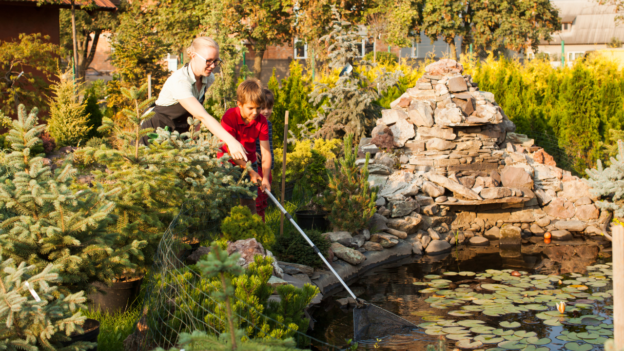
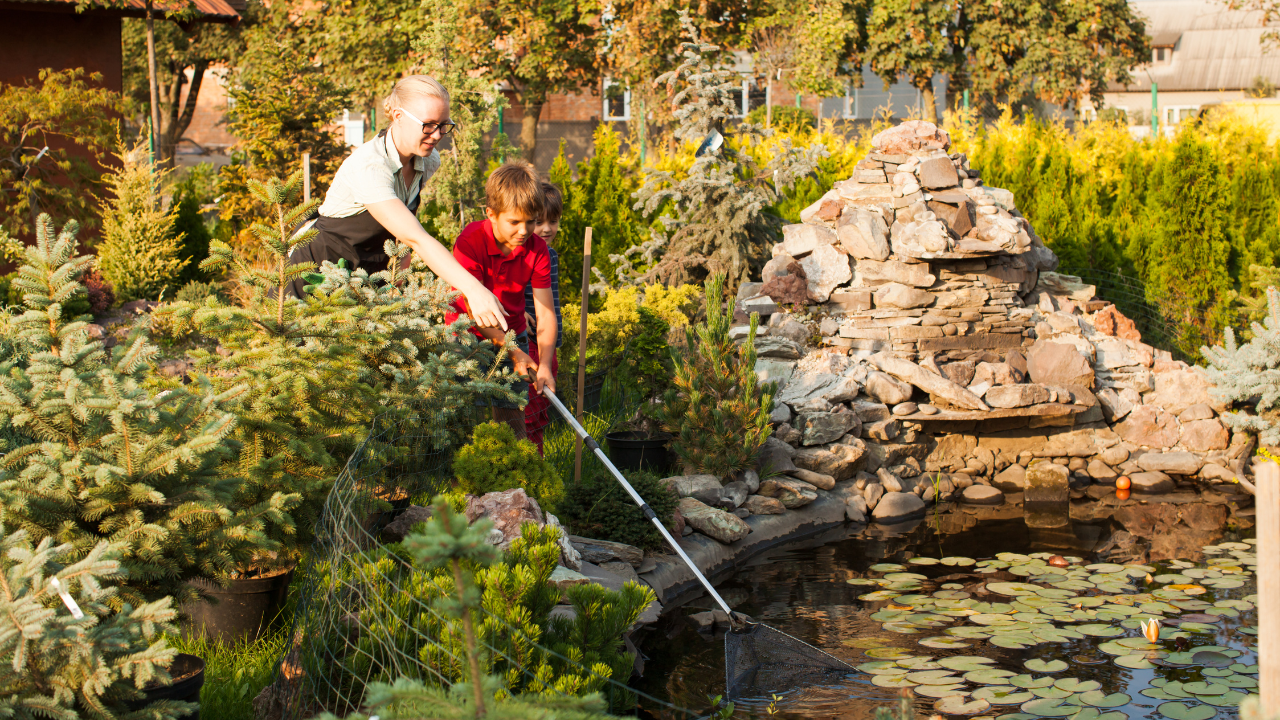
Regularly removing debris such as fallen leaves, dead plants, and uneaten fish food is crucial for maintaining water quality. These materials can decompose in the water, leading to increased nutrient levels and encouraging algae blooms. Tools like skimmers and vacuums can be used to keep ponds clean and free of excessive organic matter​​.

4. Controlling Algae Growth

Algae control can be achieved through both natural methods and technological solutions. In addition to aquatic plants that compete with algae for nutrients, UV sterilizers are an effective technological method. These devices use ultraviolet light to kill algae without adding chemicals to the water, thus maintaining a natural balance in the pond.

5. Performing Regular Water Changes

Conducting partial water changes can help manage nutrient levels and remove pollutants. Replacing about 10-20% of the pond water on a regular basis can dilute harmful substances and refresh the overall environment, which is beneficial for both the aquatic life and the plants in your pond​.

6. Avoiding Overfeeding Fish

Overfeeding fish can lead to uneaten food accumulating in the pond, which decomposes and increases nutrient levels, thus promoting algae growth. Feed fish only as much as they can consume in a few minutes, and consider automatic feeders that dispense the right amount of food to prevent overfeeding​.

7. Using Beneficial Bacteria

Adding beneficial bacteria helps break down organic waste more efficiently, enhancing water clarity and quality. These bacteria naturally consume excess nutrients and help maintain the nitrogen cycle in the pond, which is crucial for reducing ammonia and nitrite levels that can be harmful to fish.

8. Implementing Proper Pond Maintenance Practices

Implementing proper pond maintenance practices is crucial for maintaining the health and beauty of your pond. Here are some key steps and benefits:

  • Routine Maintenance Tasks: Consistent upkeep is vital to keep your pond in optimal condition. This includes:
    • Debris Removal: Regularly clearing leaves, twigs, and other organic materials from your pond prevents the buildup of nutrients that can fuel algae growth.
    • Filter Cleaning: It’s essential to clean your pond filter regularly. A clean filter ensures better water quality and circulation, helping to prevent issues like murky water and algae blooms.
    • System Checks: Regularly checking the operational status of all pond systems, including pumps and lighting, ensures everything functions properly.
  • Scheduled Maintenance Plan: Establishing a scheduled maintenance plan can enhance pond management by:
    • Water Quality Testing: Regular testing of water parameters such as pH, ammonia levels, and clarity can help detect imbalances early, before they become serious issues.
    • Equipment Checks: Periodic reviews of equipment ensure that all components are in good working condition and capable of performing their roles effectively.

DIY maintenance is possible. But, professional services offer expertise and convenience. They can prevent common maintenance pitfalls. Professionals can offer complete services. These include advanced water testing, specialized cleaning, and expert advice on ecosystem management. These services are valuable for complex ponds. They are also useful when dealing with specific issues, like algae or water quality.

Consulting With A Professional

Consult a professional pond maintenance service for complex issues. Also, for routine maintenance to ensure the pond’s health and longevity. Professionals can give tailored advice. It’s based on your pond’s specific conditions. They can help with everything from routine upkeep to emergencies. They can also ensure that your pond meets local environmental standards. It can help local wildlife and the ecosystem​.

Frequently Asked Questions

How often should I check the water quality in my pond?

Regular testing every 2-3 months is recommended, but this may vary based on pond usage and local conditions.

What are the signs of poor water quality in ponds?

Cloudy water and too much algae can show water issues. So can bad smells and upset wildlife.

Can I improve pond water quality without chemicals?

Yes, methods like adding aeration systems, plants, and routine cleaning can improve water quality.

What is the best way to remove algae from my pond?

Combining mechanical removal and treatments with helpful bacteria. Also, using UV sterilization are effective strategies.

How do beneficial bacteria improve pond water?

They break down organic waste. This reduces harmful ammonia and nitrite levels and clarifies the water naturally.

Should I hire a professional for pond maintenance?

Hiring pros like OC Pond Fountain Service ensures expert care. This is especially true for complex systems or persistent issues.

Ensure A Thriving Pond With OC Pond’s Expert Care

Maintaining optimal water quality is crucial for the health and aesthetics of your outdoor ponds Orange County.  DIY methods can help a bit. But, pros provide thorough, lasting solutions. They ensure your pond is both beautiful and balanced. You are choosing to work with experts like OC Pond Fountain Service. You’re investing in the long-term health of your pond. You will benefit from advanced techniques and personalized care tailored to your needs.

Take the first step towards a clearer, healthier pond with OC Pond Fountain Service. Contact us today at 949-653-2305. Visit our website for more details and to schedule a consultation.

backyard ponds Budget-Friendly Backyard Ponds: Designing On A Budget

backyard ponds


Key Takeaways

  • Accurately assess your space and budget to ensure the pond fits well and avoid costly adjustments later.
  • Employing pre-formed pond liners and repurposed materials like old bathtubs can reduce construction costs significantly.
  • Opting for low-maintenance, native aquatic plants like water lilies and iris helps maintain ecological balance and reduces upkeep costs.
  • Designing the pond to attract beneficial wildlife, such as frogs and birds, enhances the pond’s aesthetic and ecological value.
  • Using energy-saving tools like solar-powered pumps and investing in a quality pond vacuum can save money in the long run by reducing maintenance costs and energy consumption.

Creating a backyard pond can be a rewarding project that enhances the beauty and tranquility of your outdoor space without breaking the bank. They are visually appealing, provide a habitat for wildlife, and can be designed cost-effectively.

This guide focuses on how to design budget-friendly backyard ponds to enhance your landscape.

Planning Your Budget-Friendly Backyard Pond

Assessing Your Space And Budget

The first step in pond installation is assessing the space available and how much you can afford to spend. It’s crucial to accurately measure your space to ensure the garden pond fits well without requiring expensive adjustments later. Budgeting should include costs for materials, labor, and ongoing maintenance​.

Determining The Size Of Your Pond

The size of your pond directly affects both the initial cost and long-term maintenance. Smaller ponds are less expensive and easier to manage. Consider how the pond’s size will fit with your garden’s layout and your maintenance capacity​.

Choosing The Right Location

Select a location that receives some sunlight since it is essential for the health of the pond’s ecosystem but also includes some shade to prevent excessive algae growth. The site should be visible from your home to enhance enjoyment and not too far to avoid neglect. It’s also wise to check for any local regulations regarding pond placement and to ensure there are no utility lines in the digging area.

Design Ideas For Budget-Friendly Backyard Ponds

Deciding on the right design for your pond will impact the overall landscape result. Here are some garden pond ideas:

  • Using a pre-formed pond liner is a great way to save on costs. These liners are easier to install and require less excavation. Additionally, repurposing materials like old bathtubs or stock tanks as pond basins can add character to your pond at a reduced cost​.
  • To give your pond a more natural look, inexpensive natural stones or river rocks can be used for edging. These materials can often be sourced cheaply or even for free if you have them on your property​​.
  • Adding a waterfall can enhance the aesthetic appeal of your pond. This feature can be constructed using rocks and stones that you may already have on your property, helping to keep costs down. The sound of falling water also adds to the tranquility of the setting​.

Aquatic Plants And Wildlife

In designing a backyard pond on a budget, selecting the right plants and attracting wildlife are pivotal. Here’s how you can enrich your pond’s ecosystem effectively:

Selecting Low-Maintenance Aquatic Plants

Opt for native species such as eelgrass, water iris, and water lilies. These plants not only survive with minimal maintenance but also purify and oxygenate the water, making them ideal for a healthy pond environment. 

Benefits of using native plants include their ability to integrate seamlessly into the local ecosystem, reducing the likelihood of invasive growths that could disrupt your pond’s balance.

Attracting Wildlife

Design your pond to be a haven for beneficial wildlife, which enhances the pond’s natural beauty and ecological health.

Incorporate aquatic plants like pickerelweed and water iris, which attract pollinators and provide hiding spots for aquatic creatures. This diversity is crucial for a balanced ecosystem and adds to the overall appeal of your pond​

DIY Pond Construction Tips

DIY techniques can significantly reduce the cost of constructing a backyard pond. Below are step-by-step tips on using a preformed pond liner and creating natural-looking features:

Using A Preformed Pond Liner

  • Choose a preformed liner that fits the size and shape of your planned pond. These liners are durable, easy to install, and relatively inexpensive.
  • Installation involves clearing the area of debris, laying the liner in a pre-dug pit, and carefully filling it with water to ensure it sits correctly without any folds​.

Constructing A Natural-Looking Rock Border And Waterfall

  • Building a Rock Border: Arrange natural stones around the edge of your pond. Select stones that complement the local landscaping for a cohesive look.
  • Creating a Waterfall: Use larger rocks to construct a cascading waterfall feature. Position a submersible pump to circulate water from the pond through the waterfall, enhancing the aesthetic and auditory experience of your garden​.

Budget-Friendly Maintenance Tips

Maintaining backyard ponds doesn’t have to be expensive or time-consuming. With a few smart practices, you can ensure your pond remains a beautiful and healthy part of your garden without breaking the bank.

Routine Cleaning

Keeping your pond clean is crucial for maintaining a healthy aquatic environment and preventing the buildup of algae and debris:

  • Regular Inspection and Observation: It’s vital to regularly check the pond’s water quality and the health of its aquatic life. Unusual changes in water parameters like pH or nitrate levels can indicate underlying issues that need addressing​ ​.
  • Debris Management: Regular removal of leaves, twigs, and other organic matter from the water surface helps prevent nutrient buildup, which can fuel algae growth. A simple net can be used for this purpose, making it an easy and cost-effective maintenance task​.

Energy-Saving Tips

Reducing the energy consumption of your pond not only saves money but also contributes to a more sustainable ecosystem:

  • Solar-Powered Pumps: Utilizing solar-powered pumps for water circulation can significantly cut down on electricity usage. These pumps are particularly useful in sunny areas and can operate without additional energy costs​ ​.
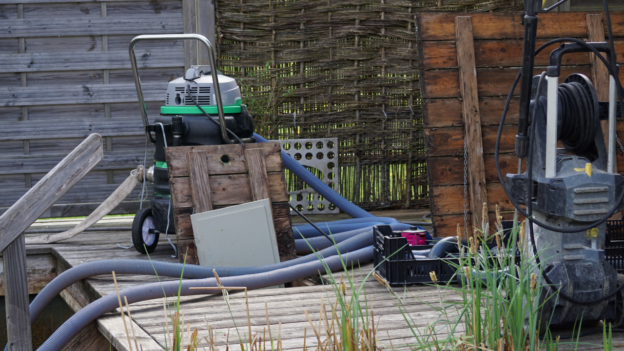
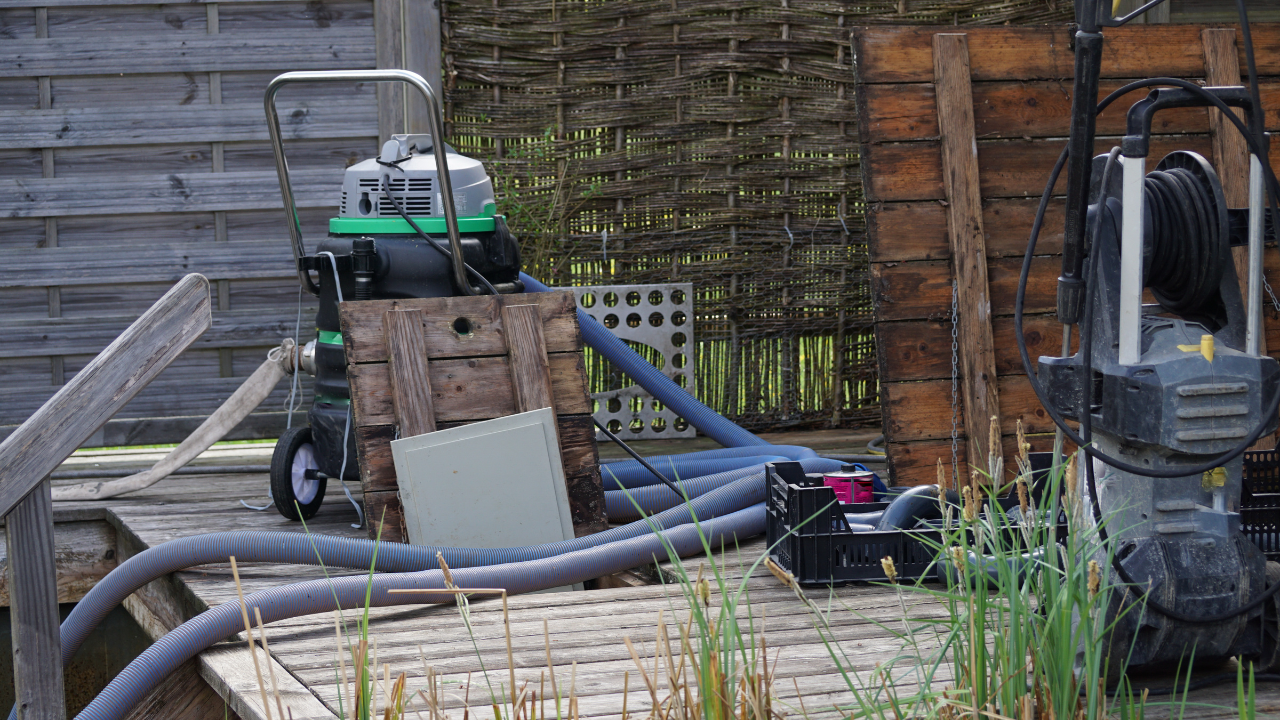
  • Pond Vacuums: Investing in a good quality pond vacuum can help in thoroughly cleaning the pond’s bottom, removing sludge and debris efficiently. Although it’s an upfront investment, it reduces the need for frequent deep cleanings and helps maintain water clarity and hygiene over time​.

Frequently Asked Questions

What is the best size for a budget-friendly backyard pond?

The best size depends on your available space and budget. Smaller ponds are typically less expensive and easier to maintain.

Can I use recycled materials to build my pond?

Yes, using recycled materials like old bathtubs or repurposed containers can save money and add unique character to your pond.

What are the best low-maintenance plants for a backyard pond?

Native plants, such as water lilies, iris, and eelgrass, need little upkeep. They also help keep the ecological balance.

How can I ensure my pond attracts wildlife?

Plant native plants. Add rocks and logs to create hiding spots. These will attract and shelter wildlife like frogs and helpful insects.

Do I need a pump for my pond?

A pump is not mandatory, but it helps circulate water. This prevents stagnation and promotes a healthy aquatic environment. Solar-powered pumps are a great energy-efficient option.

What routine maintenance does a backyard pond require?

Regular maintenance includes clearing debris. It also involves monitoring water quality and checking the health of aquatic plants and animals.

Get Started Designing Your Budget-Friendly Backyard Pond

Embarking on backyard ponds project can greatly enhance your Orange County home, offering a serene escape and a natural habitat for wildlife right in your garden. By leveraging the practical and budget-conscious strategies detailed in this guide, you can ensure that your pond not only adds aesthetic value but is also sustainable and easy to maintain. Let your backyard be a testament to your creativity and commitment to nature, with minimal impact on your wallet.

Are you ready to bring the calming presence of water into your Orange County landscape? Visit Orange County Pond Fountain Service today to discover how our expertise can help you create and maintain the perfect pond for your space.

wall fountains Wall Fountain Installation Guide

wall fountains


Key Takeaways

  • Select a spot that is level, close to a power source, and protected from harsh weather conditions to ensure the fountain’s longevity and ease of maintenance.
  • Opt for materials like stone, concrete, or stainless steel that can withstand the elements and complement the outdoor environment.
  • Follow a detailed installation process that includes securing the fountain to a strong wall, ensuring it is level, and properly connecting the water and power supply.
  • Keep the fountain clean, change the water regularly to prevent algae growth, and perform seasonal maintenance to protect it from extreme weather conditions.
  • Beautify the space around the fountain with appropriate plants, lighting, and decorative stones to enhance the fountain’s aesthetic and integrate it into your garden.

Adding wall fountains to your outdoor space not only enhances its beauty but also brings a sense of calm and tranquility. Proper installation is crucial for the optimal functioning and longevity of the fountain. 

Installing wall fountains involves:

  • Selecting the ideal location
  • Preparing the site
  • Mounting the fountain
  • Connecting the water supply and power
  • Performing necessary maintenance to ensure optimal functionality and aesthetics

This guide simplifies the process into clear, manageable steps, ensuring that your fountain not only looks great but operates efficiently as well. 

Choosing The Right Location

Selecting the perfect spot for your wall fountain involves several key considerations:

    • Exposure to Elements: Choose a location that protects the fountain from harsh weather, which can extend its lifespan and reduce maintenance needs.
    • Visibility: Place the fountain where it can be easily seen and enjoyed, ideally from your favorite outdoor seating area.
    • Proximity to Power Sources: If the fountain is electrically powered, ensure it’s near a power source or plan for appropriate wiring.
  • Wall Suitability:
    • The wall must be level and capable of supporting the fountain’s weight.
    • Use a moisture meter to check for dampness—waterproof or seal the wall if necessary to prevent damage​​​​.

Selecting The Perfect Wall Fountain

Choosing a fountain that complements your space is vital. Consider the following:

    • Size and Style: Ensure the fountain’s dimensions fit well with the space without overwhelming it. Style should complement your garden’s aesthetic.
  • Material:
    • Stone and Concrete: Durable and traditional, but heavy.
    • Stainless Steel: Modern, easy to clean, though more costly.
    • Fiberglass and Resin: Lightweight and versatile in design but may require a higher budget​​​​.
  • Sound: Some prefer the gentle babble of a small stream, while others may enjoy the robust sound of falling water. Listening to the fountain before buying can help you choose the right one for the ambience you want to create​​.

Gathering Necessary Tools And Materials

Before starting your wall fountain installation, it’s important to have all the necessary tools and materials on hand. This ensures a smooth and efficient installation process:

  • Tools Needed:
      • Drill with various bit sizes for different wall materials
      • Level to ensure the fountain hangs evenly
      • Wrench set for tightening and adjusting components
      • Rubber mallet for adjusting parts without damage
  • Materials Needed:
    • Anchors and brackets to secure the fountain to the wall
    • High-quality sealant for moisture protection, especially if the wall is exposed to elements
    • Possibly additional hoses or connectors depending on the fountain design

It’s crucial to select materials that are durable and suitable for outdoor conditions to enhance the longevity of your fountain​​​​​​.

Preparing The Power Source

Powering your wall fountain can be done through traditional electrical sources or by using alternative energy:

  • Electrical Connections: If your fountain operates with a standard plug, you’ll need access to an electrical outlet. Consider hiring a professional to install an outdoor-rated outlet if one is not readily available near the desired location.
  • Alternative Power Sources: Solar panels are a great option for powering a fountain, especially in sunny locations. They require minimal maintenance and can be placed a short distance from the fountain, connected with a low-voltage cable buried underground for aesthetics and safety​​.

For either option, ensuring that all electrical components are safely installed and water-resistant is crucial for safety and functionality. It might be beneficial to consult with or hire an electrician to handle this part of the installation to ensure it meets local building codes and safety standards.

Installing The Wall Fountain

Installing the wall fountain involves precise preparation and execution to ensure it is both secure and operates correctly:

  1. Marking the Drill Points: Carefully mark the points on the wall where you will drill to attach the fountain’s mounting brackets. Use a level to ensure these marks align properly, maintaining the fountain’s balance.
  2. Securing the Fountain: Drill into the marked points and install anchors or bolts. Attach the mounting brackets securely, then hang the fountain on these brackets.
  3. Ensuring Level Installation: Double-check that the fountain is level; adjust as necessary using shims or adjusting the mounting brackets.
  4. Connecting and Testing the Pump: Attach the pump to the fountain’s tubing and ensure it’s correctly connected to the power source. Fill the fountain with water and test the pump, checking for any leaks or issues in the water flow. Make adjustments as needed to ensure smooth operation​​​​​​.

Adding Water And Final Touches

When filling wall fountains, it’s essential to ensure the water level is correct to avoid splashing and maintain a smooth flow. Begin by slowly adding water and monitor how it disperses and cascades. Adjust the water flow from the pump to minimize splashing and ensure the water circulates smoothly without spilling over the edges.

To enhance your fountain’s appeal, add elements near it that complement its design:

  • Plants: Use ferns, hostas, and irises around the base of your fountain. They will create a lush, green backdrop. Colorful flowers like impatiens and begonias can add vibrant pops of color.
  • Lighting: Add subtle lighting, like solar LED lights. They’ll light the fountain at night. This will make the water sparkle and the foliage look better.
  • Decorative Stones: Laying pebbles or decorative stones around the fountain can help blend it into your garden. They provide a textured ground cover that matches the fountain’s look.

Maintenance And Care Tips

To keep your fountain in optimal condition, regular cleaning and maintenance are crucial. Here are some essential tips to ensure your fountain operates efficiently and remains visually appealing:

  • Regular Cleaning: Clean your fountain every two to three months or more frequently if you notice algae or debris accumulation. Use a soft brush and gentle, non-toxic cleaners to scrub the fountain’s surfaces and remove any build-up.
  • Water Changes: Refresh the water periodically to prevent algae growth and maintain clarity. This is especially important in warmer climates where water can evaporate quickly.
  • Seasonal Maintenance: In regions with freezing temperatures, it’s vital to winterize your fountain by draining all water and covering it to prevent ice damage. During very hot weather, make sure to top off the water level regularly to compensate for evaporation.
  • Pump Care: Regularly check and clean the fountain’s pump to ensure it’s free of debris, which can hinder its performance. If the pump shows signs of wear or damage, consider replacing it to maintain efficient water flow​​​​.

Frequently Asked Questions

What are the best materials for outdoor wall fountains?

Outdoor wall fountains are best made from tough materials like stone, concrete, and stainless steel. These materials can withstand the elements and stay beautiful over time.

How often should I change the water in my wall fountain?

It’s best to change the water every few weeks to prevent algae growth and keep the water fresh and clear. In hot climates, more frequent changes may be necessary.

Can I install a wall fountain myself?

Yes, many wall fountains are designed for easy installation and can be set up with basic tools. However, for electrical connections and complex designs, professional installation may be advisable.

What maintenance does a wall fountain require?

Regular cleaning removes algae and debris. You must also check and adjust the water level. And, you must ensure the pump works well. These tasks are all important for maintenance.

How do I winterize my wall fountain?

In cold climates, drain all water from the fountain, clean it thoroughly, and cover it to protect it from freezing temperatures and debris.

What are some creative ways to enhance the area around my wall fountain?

Consider adding ambient lighting. Also, consider landscaping with moisture-loving plants. Or, consider using decorative stones and pebbles. These changes will create a unified and inviting space.

Enhance Your Landscape With A Wall Fountain – Contact OC Pond Today!

Adding a wall fountain is more than just a landscaping decision—it’s an enhancement to your lifestyle, bringing serenity and aesthetic pleasure to your outdoor environment. By selecting the ideal location, ensuring the correct installation, and maintaining your fountain, you can enjoy the peaceful ambiance and beauty it adds to your space. Embrace the soothing sounds of cascading water and the visual tranquility a fountain offers as a timeless addition to your garden or patio.

Are you inspired to elevate your outdoor space with a stunning wall fountain? Visit OC Pond to explore our expert services in fountain installation and landscape design. Let us help you create your perfect aquatic oasis today!

Wall Fountains Vs. Standalone Fountains

Wall fountains


Key Takeaways

  • Wall fountains are excellent for saving space, suitable for smaller gardens or tight areas, whereas standalone fountains require more room and suit larger outdoor spaces.
  • Wall fountains blend into existing structures subtly enhancing the area, while standalone fountains act as striking standalone art pieces that command attention.
  • Wall fountains are generally easier and less expensive to install, while standalone fountains might need professional installation, especially for larger models.
  • Both fountain types require regular maintenance, but standalone fountains may demand more frequent upkeep due to their size and complexity.
  • Wall fountains are typically more affordable, both in initial cost and installation, compared to standalone fountains which can vary widely in price based on design and materials.

When considering the addition of a fountain to your outdoor space, both wall fountains and standalone fountains offer unique benefits and can significantly enhance the aesthetics and atmosphere of your garden or yard. 

Wall fountains are space-saving and integrate with existing walls, ideal for smaller areas, while standalone fountains serve as dramatic, central features in larger spaces.

Here’s a deeper look into each type, helping you decide which might be right for your space.

Wall Fountains

Wall fountains are an excellent choice for smaller, more confined areas, making use of vertical space without consuming the valuable square footage on the ground. They are typically mounted on walls or fences and can vary from simple, unobtrusive designs to more elaborate, decorative pieces. The soothing sound of flowing water from a water fountain not only adds a tranquil ambiance but also enhances the overall aesthetic of the wall itself, providing a dynamic element to the décor.

Benefits

  • Space Efficiency: Wall fountains are perfect for narrow or confined outdoor areas, allowing you to add a water feature without sacrificing valuable ground space.
  • Decor Enhancement: These fountains add a vertical dimension to your outdoor decor, enhancing wall aesthetics significantly.
  • Tranquility: The sound of water flowing is inherently calming and can transform an outdoor area into a serene retreat.

Installation

Wall fountains are generally easier to install than larger, freestanding units. They often require simple brackets or hooks, though heavier designs may need more robust supports like special anchors to ensure safety and stability.

Maintenance

Maintaining a wall fountain involves regular cleaning to prevent the buildup of algae and checking the structural integrity of the mount and water basin. This helps ensure the longevity and aesthetic quality of the fountain.

Standalone Fountains

Standalone fountains, often referred to as freestanding fountains, are versatile and striking additions to any outdoor space. These fountains do not require support from a wall or structure and can be placed virtually anywhere that suits your garden’s design. They come in various sizes and styles, ranging from small, subtle tabletop fountains to more elaborate, garden-scale sculptures that can serve as the centerpiece of your landscape.

Benefits Of Standalone Fountains

Standalone fountains offer several benefits that make them a popular choice for outdoor decor:

  • Dynamic Focal Point: These fountains often act as the main attraction in a garden, drawing attention and adding a structured, artistic element to the space.
  • Artistic Element: With designs that can range from classical to modern, standalone fountains act as a standalone piece of art, enhancing the aesthetic quality of outdoor areas.
  • Soothing Sounds: The sound of cascading or bubbling water creates a serene environment, helping to mask background noise and promote relaxation.

Installation Considerations

Small fountains are easy to set up alone. But, larger ones might need professional help. This ensures they are installed right and safely.

  • Stable Surface: It is crucial to place standalone fountains on a flat and stable surface to prevent any tipping or uneven water flow. Materials like concrete or packed gravel are recommended to provide a solid foundation.
  • Sunlight and Shelter: Consider placing your fountain in a location that avoids prolonged direct sunlight to minimize algae growth and water evaporation. A sheltered spot can also protect the fountain from falling debris and harsh weather conditions​​​​​​.

Maintenance Tips

Maintaining a standalone fountain involves regular care to keep it functioning beautifully and efficiently:

  • Regular Cleaning: It’s important to clean the fountain regularly to prevent algae build-up and to remove debris that might clog the pump.
  • Water Level Checks: Ensure the water level is maintained, especially in hotter weather, to prevent the pump from running dry, which can cause damage.
  • Winter Care: In colder climates, take steps to winterize your fountain by draining it and protecting it from freezing temperatures to prevent cracking and other damage​​​​​​.

Comparison: Wall Fountains Vs. Standalone Fountains

When enhancing your garden or outdoor space, selecting the right water feature can make all the difference. Wall fountains and standalone fountains are two popular choices, each offering unique benefits and aesthetic impacts. 

Here we discuss the distinctions between wall fountains and standalone fountains, focusing on their space requirements, aesthetic contributions, and cost implications. Whether you have a compact balcony or a sprawling garden, understanding these elements will help you choose the perfect fountain to elevate your outdoor environment.

Space Requirements

Wall fountains are great for small or narrow spaces. They can be mounted on any vertical surface. This maximizes the use of available area without taking up floor space. This makes them great for small gardens or courtyards. In those places, there is limited ground space.

Standalone fountains, on the other hand, are more suited for larger spaces. They can serve as central features in expansive gardens or patios and require a significant amount of clear space around them for proper installation and visual impact. These fountains are not constrained by walls and can be placed virtually anywhere within a garden or landscape setting​​.

Aesthetic Impact

Wall fountains blend with existing structures. They enhance the ambiance without taking up space. They can complement a building or garden’s style. They often add a subtle, yet sophisticated touch to the environment.

Standalone fountains are usually more noticeable. They can be striking garden features. They often become the focal points of a landscape. They draw attention and make big aesthetic statements. These fountains come in many designs. They range from classical to modern. They can greatly improve the look of an outdoor area.

Cost Implications

The cost of both wall and standalone fountains can vary widely depending on the materials, size, and complexity of the design. Wall fountains tend to be less expensive in terms of both initial cost and installation. Prices for wall fountains can range from $50 to $2,000, depending on the complexity and materials​​.

Standalone fountains are larger. They need more complex plumbing and installation. So, they cost more. These can range from $25 for simple models like bird bath fountains up to $80,000 for large, ornate statue fountains​​. Costs for standalone fountains can also be higher. This is especially true if they need much groundwork or electrical setup.

Both types of fountains need ongoing maintenance. But, standalone fountains may need more complex and frequent maintenance. This is due to their size and the volume of water they handle. Both types need regular cleaning, winterizing, and repairs. But, standalone fountains might also need more frequent water level checks and algae treatment. This is due to their exposure and size​​.

Frequently Asked Questions

Can wall fountains be used indoors and outdoors?

Yes, wall fountains are versatile and can be installed both indoors and outdoors, depending on their design and material.

Are standalone fountains difficult to maintain?

Standalone fountains need regular maintenance. This includes cleaning and checking water levels. But, they are generally easy to manage.

How much space is needed for a standalone fountain?

The needed space varies by the fountain’s size. Standalone fountains typically need a larger area. This is to fit their structure and visual impact.

Do wall fountains require professional installation?

Homeowners can often install small wall fountains. But, larger or more complex designs might need professional installation. This is to ensure safety and proper water flow.

What materials are commonly used for standalone fountains?

Common materials include stone, concrete, resin, and metal. Each has different looks and durability.

Can the sound of a fountain be adjusted?

Yes, many fountains allow adjustments to the water flow, which can alter the sound level from a gentle trickle to a more pronounced cascade.

Choose The Right Fountain For Your Space With OC Pond

Whether you prefer the understated elegance of a wall fountain or the striking presence of a standalone fountain, OC Pond offers the expertise and selection to help you make the right choice for your garden. Wall fountains are excellent for conserving space while adding a serene flow to your environment, making them ideal for smaller or narrower spaces. 

Standalone fountains are different. They act as stunning focal points in larger gardens. They offer dramatic and aesthetic appeal. With the guidance of OC Pond, you can effortlessly find a fountain that not only suits your space requirements but also aligns with your design preferences and budget.

Ready to enhance your garden with the soothing sound of flowing water? Visit OC Pond today to discover our extensive range of elegant wall and standalone fountains. Let us help you select the perfect water feature to turn your outdoor area into a serene retreat!

Wall fountains 10 Different Types Of Wall Fountains

Wall fountains


Key Takeaways

  • Wall fountains come in various styles such as Traditional, Modern, Mosaic, and Zen. Each caters to different aesthetic preferences and settings.
  • Besides enhancing the beauty of a space, wall fountains create a calming ambiance. They can also improve air quality through ionization.
  • They are made from a range of materials including stone, copper, and concrete. Each adds unique characteristics to the fountain’s appearance and durability.
  • Outdoor wall fountains attract birds and butterflies. Outdoor solar-powered models offer an eco-friendly, energy-saving alternative.
  • Wall fountains are suitable for both indoor and outdoor environments. This makes them versatile choices for improving the ambiance of various spaces.

Wall fountains have been a captivating feature throughout history, from the ancient Roman times to modern-day decor. They beautify any space. They also bring a sense of tranquility with the soothing sound of flowing water. Wall fountains can be installed in both indoor and outdoor settings. This makes them versatile additions to homes, offices, or gardens. 

There are many different types of wall fountains, namely:

  • Traditional
  • Modern
  • Mosaic
  • Copper
  • Rock
  • Solar-Powered
  • Minimalist
  • Concrete
  • Zen
  • Indoor Wall Fountains

This blog will explore these different types of wall fountains, their features, benefits and more.

Top 10 Types Of Wall Fountains 

Each type of wall fountain brings its unique charm and functionality to different spaces. From classic designs with elaborate details to modern styles with sleek lines, wall fountains can dramatically enhance the aesthetic of any area.

1. Traditional Wall Fountains

Traditional wall fountains have ornate designs. The designs draw heavily on European cultures. The fountains are usually made from classic materials. They have a timeless elegance that suits many settings.

  • Materials: Commonly crafted from marble or stone. They not only add to their aesthetic appeal but also provide durability for both indoor and outdoor use.
  • Design: They often feature intricate carvings or moldings. They could also feature motifs such as cherubs, lions’ heads, or floral patterns. These features exemplify artisan craftsmanship.
  • Placement: Ideal for garden walls, patios, or any space where a touch of elegance and historical ambiance is desired.
  • Benefits: Besides their beauty, these fountains help create a serene atmosphere. The sound of water adds a calming effect to the surroundings.

2. Concrete Fountains

Concrete fountains are appreciated for their strength and adaptability in design. They can be shaped into nearly any form or size, making them popular among those looking for a custom look.

  • Durability: Concrete is a robust material that withstands various weather conditions. This makes it an excellent choice for outdoor environments.
  • Customization: These fountains can be customized in finish and design. This allows for a unique addition to any space.
  • Styles: Concrete fountains are extremely versatile. The style could be sleek, modern designs with clean lines to more detailed and textured finishes.
  • Care: Concrete fountains are durable, but do need some maintenance such as sealing and regular cleaning. This prevents weathering and to ensure longevity.

3. Modern Wall Fountains

Modern wall fountains emphasize geometric designs with clean lines that contribute to a contemporary aesthetic. These fountains integrate seamlessly into modern decor. This enhances the visual interest of a space without overwhelming it.

  • Design Elements: Modern fountains often feature minimalistic designs that focus on simplicity and sleekness. They use materials like glass, stainless steel, and smooth concrete.
  • Aesthetic Integration: They complement contemporary settings by echoing architectural elements found in modern homes and gardens. These include angular shapes and neutral color palettes.
  • Functionality and Appeal: Besides their decorative aspect, these fountains also serve as focal points in outdoor living spaces or as subtle ambient elements in interior designs.

4. Minimalist Style

Minimalist wall fountains are designed to embody simplicity and elegance. They focus on the essence of functionality with as few details as possible.

  • Characteristics: These fountains are characterized by streamlined designs that avoid ornate details. They emphasize clean lines and uncluttered aesthetics.
  • Popular Materials: Common materials include polished stone, metal, and glass. These help maintain the minimalist theme while ensuring durability and ease of maintenance.
  • Color Schemes: They typically stick to monochrome or neutral colors. These colors align with minimalist principles of reducing visual distractions.

5. Zen Wall Fountains

Zen fountains draw inspiration from Asian design principles. They are intended to add tranquility and a meditative atmosphere to any space.

  • Design Features: These fountains often incorporate elements such as bamboo, smooth stones, or simple, free-flowing water paths that mimic natural waterfalls.
  • Calming Effects: The gentle sound of water trickling from these fountains helps to create a peaceful environment. It is ideal for relaxation or contemplation areas in gardens or indoor spaces.
  • Integration into Landscaping: Zen fountains frequently act as the centerpiece in garden designs. This is especially so in spaces that feature Japanese landscaping techniques. It promotes a balance between nature and structured design.

6. Solar-Powered Fountains

Solar-powered fountains are a great choice. They enhance gardens and outdoor spaces in an eco-friendly and cheap way. These fountains utilize solar panels to harness sunlight, converting it into energy to power the fountain’s pump. This not only helps reduce electricity usage but also cuts down on energy costs.

Benefits Of Solar-Powered Fountains:

  • Environmental Impact: Solar fountains do not require electricity from the grid. This makes them a green alternative that reduces carbon footprint.
  • Cost-Effectiveness: Once installed, these fountains operate at no additional cost. This is because they rely on solar energy, which is free and abundantly available during daylight hours.
  • Ease of Installation: These fountains are easier to install than traditional electric fountains. They do not need wiring or electrical connections.
  • Versatility: They can be placed in various locations as long as there is access to sunlight. Some models even come with batteries to store solar energy. This allows them to function during overcast conditions or at night​​​​.

7. Tiered Wall Fountains

Tiered wall fountains are a visually appealing choice that features multiple levels from which water flows. This design not only creates a dynamic visual effect but also produces a soothing sound as water cascades from one level to the next.

Characteristics of Tiered Wall Fountains:

  • Visual Appeal: The multi-level design of these fountains makes them a focal point in any garden or courtyard.
  • Soothing Sound: The sound of cascading water can transform a space into a tranquil retreat, ideal for relaxation.
  • Design Variety: Available in various styles and materials, tiered fountains can be tailored to match any outdoor decor​​.

8. Outdoor Garden Fountains

Outdoor garden fountains are designed to withstand the elements. This makes them perfect for various outdoor settings. They come in a range of materials that are durable and weather-resistant. These materials include stone, metal, and fiberglass.

Advantages of Outdoor Garden Fountains:

  • Enhanced Aesthetics: Garden fountains serve as a stunning centerpiece that enhances the beauty of outdoor spaces.
  • Wildlife Attraction: Water features attract birds and other wildlife, bringing nature closer to home.
  • Adaptability: They can be incorporated into a wide range of landscape designs, from formal gardens to more rustic settings​​.

9. Indoor Wall Fountains

Indoor wall fountains can significantly alter the ambiance of any room, making it more tranquil and aesthetically pleasing. They are known for their calming effects, which are similar to those experienced in Zen gardens. These fountains serve not only as decorative elements but also as natural humidifiers, improving air quality and adding a soothing background sound that enhances relaxation and stress reduction​​.

Considerations for Smaller Spaces:

  • Size and Placement: It’s crucial to choose a fountain that fits well within the available space without overwhelming it. Wall-mounted options are particularly suitable for smaller spaces as they don’t take up floor area.
  • Material: Materials like fiberglass, glass, and resin are lightweight and versatile, making them ideal for indoor settings where weight and durability might be concerns​​​​.

10. Mosaic Wall Fountains

Mosaic wall fountains are vibrant and artistic, often becoming the centerpiece of any space they occupy:

  • Aesthetic Appeal: Feature colorful, hand-laid tiles that can depict anything from abstract patterns to detailed landscapes or floral designs.
  • Craftsmanship: The handcrafted details of mosaic fountains add a layer of uniqueness and artistry, making each piece a one-of-a-kind work of art that can complement any decor style​​.

Copper Wall Fountains

Copper wall fountains bring a unique blend of rustic elegance and contemporary design to spaces:

  • Developing Patina: Over time, copper fountains develop a patina that adds character and depth to the design, enhancing the aesthetic value of the fountain.
  • Popular Designs: These fountains are often used in both private and public settings due to their durability and the warm, inviting ambiance they create. Popular designs include sleek, modern styles as well as more traditional, ornate options​​.

11. Bonus: Rock Wall Fountains

Rock wall fountains utilize natural stone to create a rustic and robust look:

  • Natural Aesthetics: These fountains use rough stone. They fit into natural gardens and enhance the organic feel of outdoor spaces.
  • Landscape Integration: Rock wall fountains can be a focal point in gardens. They complement and accentuate the natural surroundings. They work well with many plants that like wet environments, such as ferns and hostas. This creates a cohesive and inviting garden design​​.

Are Outdoor Water Fountains Worth it?

Outdoor water fountains are a valuable addition to any garden or yard for several key reasons:

  • Aesthetic Appeal: They enhance your landscape’s look. They come in various styles, sizes, and materials. You can pick the ones that fit your taste.
  • Relaxation and Stress Reduction: Flowing water’s calming sound can reduce stress. It can also mask background noise, creating peace.
  • Wildlife Attraction: Fountains attract birds, butterflies, and other wildlife. They enhance biodiversity and garden vibrancy.
  • Air Quality Improvement: By generating negative ions, fountains can improve the air quality around them.
  • Low Maintenance: They need little upkeep. You just have to clean them and check their water. They provide a lot of impact for little effort.
  • Energy Efficiency: Many fountains have efficient pumps. Solar-powered options are available to cut costs.

Frequently Asked Questions

How much maintenance do outdoor water fountains require?

You need to clean outdoor fountains often. You also need to check their water levels. This prevents algae growth and keeps the fountains running well.

Can outdoor fountains operate in winter?

Yes, but it needs special fountains for cold weather. Or, taking precautions like draining and covering them can prevent damage from freezing.

Are solar-powered fountains effective?

Solar-powered fountains are effective and energy-efficient. But, they only work in sunny areas.

What materials are best for outdoor fountains?

Materials like cast stone, fiberglass, and metals are popular for their durability and aesthetic appeal​​.

Do outdoor fountains help attract wildlife?

Yes, fountains attract birds and butterflies. They also bring in larger wildlife. They enhance the biodiversity of your garden.

What are the best practices for placing an outdoor fountain?

Place fountains on stable, level ground. Keep them by clearings, not heavy foliage that could drop debris into the water. Put them where they can be seen and heard from outdoor living areas.

Add An Indoor Wall Fountain From OC Pond

Adding an outdoor water fountain from OC Pond can profoundly enhance the charm and tranquility of your garden or landscape. With a commitment to quality and a keen eye for design, OC Pond offers a range of water features that blend seamlessly into any setting, promoting a peaceful environment while attracting a rich array of wildlife. Consider the beauty and serenity a fountain can bring to your space today, and enjoy the combined aesthetic and environmental benefits that come with it.

Elevate your outdoor living area with a stunning water fountain from OC Pond! Whether you’re looking to attract wildlife, enjoy the soothing sounds of water, or simply enhance your garden’s aesthetic, OC Pond has the perfect solution. Explore our selection and find your ideal water feature today!

Wall fountains Benefits Of Having A Wall Fountain

Wall fountains


Key Takeaways

  • Wall fountains serve as dynamic focal points that enhance the visual appeal of indoor and outdoor spaces.
  • The sound of flowing water from the fountain contributes to a calming environment. This helps reduce stress and noise pollution.
  • Wall fountains help improve indoor air quality by releasing negative ions. This reduces pollutants and increases humidity.
  • Proper placement of wall fountains, according to Feng Shui, can enhance positive energy flow. It promotes harmony and well-being in the space.
  • Despite their sophisticated appearance, wall fountains require minimal upkeep. This makes them suitable for busy lifestyles and easy integration into various settings.

Wall fountains are increasingly becoming a staple in modern interior design. This is due to their blend of aesthetic appeal and functional benefits. These fountains are not just art pieces; they are dynamic elements that bring a touch of nature indoors. 

The benefits of wall fountains include:

  • Enhanced indoor aesthetics
  • Improved air quality
  • Promotion of relaxation and well-being

This blog explores the various advantages of installing a wall fountain. It discusses its visual appeal, tranquil effect, health benefits, and Feng Shui implications. It also explains the overall quality of life enhancement such fountains bring.

Benefits Of Having A Wall Fountain

Historically, fountains have served as central features in gardens and courtyards of ancient civilizations, from Rome to the Islamic world. They symbolize purity and the life-giving nature of water. Today, they continue to be celebrated not for their beauty. However, they are also valued for their soothing presence in home and office environments.

Exploring the many advantages of wall fountains reveals how these features do more than beautify a space. From enhancing your home’s atmosphere to promoting health, let’s dive into the benefits they offer.

Visual Appeal

Wall fountains serve as stunning visual centerpieces. Their ability to combine art with nature makes them an appealing feature in any room. According to the latest interior design trends, incorporating natural elements and textures into home decor is more popular than ever​​​​. 

Wall fountains are available in a variety of designs and materials. These range from sleek modern metals like stainless steel to classic stone finishes. This variety ensures that regardless of your home’s decorating style, there’s a wall fountain that can enhance its aesthetic.

These fountains not only elevate the room’s design but also create a calming atmosphere that can transform the dynamics of a space. The sound of flowing water and the sight of water cascading down the fountain’s surface blend to provide a sensory experience that can soothe the mind and invigorate the soul.

Tranquil Atmosphere

The gentle sound of flowing water from a wall fountain can significantly reduce noise pollution and enhance focus. This effect is similar to white noise, which masks unwanted background sounds. This allows for better concentration and productivity in work or relaxation environments​​​​.

Psychological Benefits

The sound of water is inherently calming. It is often associated with natural settings like rivers and waterfalls. This auditory experience can help lower stress levels. It also promotes relaxation, and improves overall mental well-being. The presence of a wall fountain can mimic these natural sounds. It provides a peaceful backdrop to everyday life. Additionally, the sound of flowing water can enhance mood. It does this by triggering the release of serotonin, known as the happiness chemical in the brain​​​​.

Health Benefits

Wall fountains contribute to improved indoor air quality. They do this by releasing negative ions as water cascades down their surfaces. These negative ions attract and neutralize airborne pollutants like dust, pollen, and mold spores. This effectively purifies the air. Moreover, the continuous flow of water helps regulate humidity levels indoors. It makes the air fresher and more comfortable to breathe. This is especially so in environments that are typically dry due to heating or air conditioning​​​​.

Boosting Mood And Productivity

The process of water evaporation from fountains increases the humidity and oxygen levels in the room. Higher oxygen levels can enhance cognitive function. This reduces feelings of fatigue and increases overall productivity. Furthermore, the negative ions produced by wall fountains can neutralize harmful radiation from electronic devices, which often contributes to headaches and lethargy. This creates a healthier and more energizing environment conducive to both mental and physical well-being​​​​.

Feng Shui

In Feng Shui, water elements like fountains are highly valued for their ability to attract and enhance Chi (positive energy). This promotes harmony and prosperity within a space. Placing a wall fountain in your home or office can stimulate the flow of this vital energy. This is particularly so when positioned correctly. Feng Shui associates water with wealth, abundance, and flow of life. This makes a fountain an auspicious addition to any environment​​​​.

Practical Tips For Placing Wall Fountains

To optimize the benefits of a wall fountain in Feng Shui, it should be placed in areas like:

  • The north (career and path in life)
  • The southeast (money and abundance)
  • The east (health and family)

These placements can enhance specific aspects of one’s life. This includes aspects such as career growth, financial prosperity, and overall well-being. However, it is crucial to avoid placing fountains directly in line with the main door or in bedrooms. These placements can lead to energy drain and disrupt rest.

Quality Of Life

The presence of a wall fountain can enhance the quality of life. It does this by creating a tranquil and soothing environment. The sound of flowing water is calming. It can reduce stress and anxiety levels, which indirectly promotes better sleep quality. Moreover, the constant movement and sound of water can enhance concentration and provide a sense of peace and mental clarity. This contributes positively to daily living and emotional tranquility​​.

Enhanced Aesthetic Environment

Wall fountains also add an element of aesthetic pleasure to any space. They serve as dynamic focal points that elevate the design of a home or office, blending natural beauty with architectural elements. This enhancement of the living or working environment can increase personal satisfaction and improve professional productivity. This is especially true when the fountain’s placement aligns with Feng Shui principles. It fosters a balanced and energizing atmosphere​​​​.

Maintenance And Upkeep

Maintaining your wall fountain is essential to ensure its longevity and aesthetic appeal. Here are some straightforward routines to follow:

  • Regular Checks and Refills: Wall fountains experience natural water evaporation. This requires regular monitoring and refilling. The frequency of refills depends on your climate. Refills are needed more often in dry conditions and less in humid environments.
  • Cleaning: Every few months, it’s important to clean your fountain to prevent algae buildup. This also maintains its visual appeal. Use non-toxic cleaners to ensure safety for all household members, including pets.
  • Pump Maintenance: The pump is an essential component of your fountain. Regularly check for wear and tear. Replacing the pump when necessary helps keep the fountain running smoothly.

Tips For Easy Installation And Care

Installing a wall fountain can be a manageable project if planned properly:

  • Choosing the Right Location: Select a robust wall that can support the weight of the fountain. Use a stud finder to locate a sturdy part of the wall for heavy models.
  • Electrical Setup: Ensure there is an electrical outlet near the installation spot. For aesthetic purposes, try to hide the outlet and any cords behind the fountain.
  • Use of Distilled Water: To prevent mineral buildup and maintain the internal cleanliness of the pump and water fountain, use distilled water.
  • Regular Maintenance: Simple yet essential tasks include checking water levels, cleaning the pump, and occasionally wiping down the fountain. These steps ensure that your fountain remains a beautiful and functional feature of your space.

Frequently Asked Questions

How often should I clean my wall fountain?

Clean your wall fountain every four to six months to prevent algae buildup. This will also maintain its aesthetic appeal.

What type of water should I use in my wall fountain?

Use distilled water in your fountain to prevent mineral deposits. This also ensures the longevity of the pump and fountain components.

Where is the best place to install a wall fountain in my home?

Install your wall fountain in a location that supports Feng Shui principles. This could be the north for career prospects or the southeast for wealth. Avoid bedrooms and high-traffic areas where the fountain can be obstructive.

Can a wall fountain help improve indoor air quality?

Yes, wall fountains help improve air quality. They do this by releasing negative ions that reduce pollutants. It improves the overall air freshness.

Is it difficult to install a wall fountain?

Installing a wall fountain requires some effort to securely mount on a strong wall. However, it’s generally straightforward with the right tools. It also requires a basic understanding of home improvement techniques.

What are the signs that the fountain’s pump needs maintenance?

If you hear a humming noise or see a decrease in water flow, it might be time to check and possibly replace the pump.

Incorporate A Wall Fountain Into Your Environment With OC Pond 

Incorporating a wall fountain from OC Pond into your environment is more than just an aesthetic enhancement. It’s an investment in your well-being, bringing the serene beauty of water features directly into your home or office. These fountains are stunning visual elements. They serve as natural humidifiers, air purifiers, and stress reducers. 

By integrating a wall fountain, you are embracing a lifestyle of tranquility and relaxation while benefiting from the timeless beauty only water can offer. Allow OC Pond to help you select the perfect wall fountain that aligns with your aesthetic desires and functional needs, ensuring your space is balanced, harmonious, and inviting.

Elevate your environment with OC Pond and start experiencing our unique water features’ peaceful ambiance and aesthetic beauty. Visit OC Pond today to explore our extensive collection of water fountains.

Backyard Ponds: Fish Selection and Care Guide

thriving backyard pond

Creating a thriving backyard pond can transform your outdoor space into a vibrant backyard oasis, complete with serene water features and lively aquatic life. Choosing the right fish for your pond and providing proper care are crucial steps in maintaining a healthy aquatic environment. This guide will help pond owners select suitable fish species and ensure their well-being through effective pond management practices.

Looking for affordable Acupuncture Needles in Ireland? Contact MedPoint.

Selecting the Right Fish for Your Backyard Pond

Creating a vibrant and healthy pond ecosystem starts with selecting the right types of fish that are well-suited to outdoor environments. Here’s a deeper dive into the considerations for stocking your backyard water feature.

Types of Fish for Outdoor Ponds

When choosing fish for backyard ponds, it’s essential to select species that thrive in less controlled environments compared to indoor tanks. Common goldfish and Butterfly koi are among the most popular choices for outdoor ponds due to their hardiness and visual appeal.

These fish are not only resilient but also come in a variety of colors, adding a dynamic visual element to your pond. Unlike typical aquarium fish, these species can adapt to a wide range of water temperatures, making them suitable for diverse climates.

Hardy Fish for Varied Climates

For those living in areas experiencing wide temperature ranges, choosing fish that can endure both warm and cold temperatures is critical. Goldfish and koi are remarkably adaptable, capable of surviving in ponds that are at least 2-3 feet deep. This depth provides them with a refuge during the harsher conditions of winter and the scorching heat of summer. However, it’s important to gradually acclimate these fish to your pond’s specific water temperatures and conditions to prevent shock.

Tropical Fish and Algae Control

Integrating tropical fish into outdoor ponds is generally less common, mainly due to their need for consistently warmer climates. However, mosquito fish represent an exception; they are a popular choice for outdoor ponds as they contribute to algae control and the reduction of mosquito populations by feeding on larvae.

While they offer practical benefits, keep in mind that tropical species might not withstand the cold temperatures of winter, necessitating alternative arrangements during colder months.

Low Maintenance Fish For Backyard Ponds

Low-maintenance fish are ideal for pond owners who want to enjoy the beauty and tranquility of a backyard pond without the extensive upkeep. Here’s a list of fish that are known for their hardiness and ease of care, making them perfect for outdoor ponds:

  1. Goldfish: Common goldfish are hardy and can adapt to various conditions. They are less demanding than their fancy counterparts and can thrive in varied water temperatures.
  2. Koi: While they can grow large and live for decades, koi are surprisingly hardy and resilient. They are known for their ability to withstand different climates, though they do best in larger backyard ponds for koi fish.
  3. Shubunkin: A type of goldfish, Shubunkins are colorful and hardy, capable of living in a wide variety of conditions, and they add a vibrant splash of color to any pond.
  4. Rosy Red Minnows: These small fish are not only tough but also excellent for mosquito control. They are well-suited for smaller ponds and are known for their peaceful nature.
  5. Mosquito Fish (Gambusia affinis): As their name suggests, they are excellent at controlling mosquito larvae, making them beneficial for any pond. They are very low-maintenance and can survive in a variety of water conditions.
  6. Fathead Minnows: Another small and hardy species, fathead minnows can tolerate a range of temperatures and conditions. They’re also excellent for keeping mosquito populations in check.
  7. Orfe (Ide): Orfe are known for their long, slender bodies and can be quite lively. They’re hardy fish that do well in cooler water temperatures and add activity and interest to a pond setting.
  8. Plecostomus: Often known as “plecos,” these algae eaters can help keep your pond clean. Note, however, that they are best suited for warmer climates and larger ponds as they can grow quite large.
  9. Sturgeon: While they require a larger pond and deeper water, sturgeon are hardy fish that can add a unique element to your pond. They are bottom-feeders and help in keeping the pond floor clean.
  10. Weather Loach: Also known as dojo loach, these fish are adaptable and can survive in various water conditions. They are known for their ability to predict bad weather, becoming more active before a storm.

When choosing fish for your pond, consider factors like your local climate, pond size, and existing ecosystem. Always ensure that your pond is adequately equipped to handle the species you select – this includes proper filtration, aeration, and sufficient space for the fish to grow and thrive.

Maintaining Water Quality and Oxygen Levels

  • Biological Filters and Aquatic Plants: A biological filter is crucial for maintaining water quality by breaking down harmful ammonia from fish waste into safer compounds. Aquatic plants not only add beauty to your pond but also contribute to oxygen production and algae control. 
  • Monitoring Water Conditions: Regularly check water chemistry, including pH levels, ammonia, nitrite, and nitrate concentrations, to ensure a safe environment for your fish. Water temperatures should also be monitored, as extreme heat or cold can stress fish, leading to health issues.
  • Algae Growth and Water Clarity: Excess nutrients in the pond can lead to algae blooms, which can deplete oxygen levels and obscure visibility. Implementing a proper feeding schedule and avoiding overfeeding can reduce uneaten food and waste that contribute to poor water quality and excessive algae growth.

Tips For Fish Care and Feeding

Feed your pond fish appropriate fish foods, typically in pellet or stick form, designed for their specific dietary needs. Feeding should be based on water temperature and fish activity; feed more sparingly during colder months when fish metabolism slows down.

Regularly observe your fish for any signs of distress or illness, such as erratic swimming, gasping for air, or visible sores. Sick fish should be isolated and treated promptly to prevent spreading disease to the entire pond population.

Pond Size and Fish Population

A general rule for fish stocking is to allow for a minimum of 10 gallons of water per inch of fish, though this can vary based on filtration and pond design. Avoid overcrowding, as this can lead to poor water quality and health problems among fish.

Maintaining a thriving fish pond requires attention to detail and an understanding of the needs of your aquatic life. By selecting the right types of fish and providing proper care, pond owners can enjoy a dynamic and healthy pond environment.

Enjoy a Thriving Pond Right in Your Backyard!

If you’re looking to create or enhance your backyard pond, OC Pond & Fountain Care offers professional pond design and maintenance services. We can help you create the perfect fish pond tailored to your outdoor space and climate, ensuring a balanced and beautiful aquatic ecosystem.

Reach out to OC Pond & Fountain Care today for expert guidance on creating and maintaining your ideal backyard fish pond.

backyard pond design Incorporating Waterfalls: Enhancing Backyard Pond Design

backyard pond designIncorporating a waterfall into your backyard pond not only elevates its aesthetic appeal but also enhances the overall ambiance of your outdoor space. The soothing sounds of a cascade of water can transform your garden project into a serene, relaxing space, perfect for unwinding after a busy day. Let’s dive into how waterfalls can enrich your backyard pond design and bring your outdoor living space to life.

The Beauty and Benefits of Waterfall Features

Soothing Sounds and Aesthetic Appeal

The gentle sound of water moving over rocks and cascading down a waterfall structure creates a tranquil sound environment, promoting relaxation and reducing stress. Visually, waterfalls add dynamic movement and a pleasing aesthetic to outdoor water features, increasing the visual appeal and overall value of your backyard space.

Enhanced Water Quality and Aquatic Life Support

Waterfalls contribute to maintaining clean and oxygenated pond water, which is essential for supporting healthy aquatic life. The flow of water aids in the circulation and aeration of pond water, preventing stagnation and promoting a healthier environment for fish, water lilies, and other aquatic plants.

Natural Cooling and Humidity

The movement of water through a waterfall feature can help moderate water temperature, especially during hotter months. This natural cooling effect can make your outdoor living space more comfortable and provide a more suitable environment for water plants and aquatic animals.

Design Considerations for Incorporating Waterfalls

Landscape Design Integration

When planning your waterfall, consider the overall landscape design and how the feature will integrate with existing elements. Whether opting for a tall waterfall that makes a dramatic statement or a series of spillway rocks for a more gentle cascade, ensure the design complements your garden’s aesthetic and fits naturally into your outdoor space.

Choosing the Right Materials

Select materials that blend well with the rest of your backyard and pond setting. Natural rock and flat rocks are popular choices for creating a more organic look, while manufactured materials like concrete or resin can be used to form a variety of waterfall designs. The key is to maintain a balance that enhances the natural beauty of your backyard ponds.

Water Flow and Filtration

Ensure your waterfall feature is equipped with a proper submersible pump to maintain consistent water flow and assist with filtration. The size of the pump and the design of the waterfall will influence the flow of water and the resulting sound, so consider these factors carefully to achieve the desired effect.

Lighting and Additional Features

Incorporate landscape lighting to highlight your waterfall feature and extend its enjoyment into the evening. Additionally, consider adding water jets or other types of water features to further customize your waterfall and add variety to the water movement.

Creative Waterfall Designs For Your Backyard Garden

Waterfalls and other relaxing water features can transform backyard ponds and outdoor spaces into tranquil retreats filled with soothing sounds and stunning visuals. Here are various types of waterfall designs to consider for elevating your backyard water feature:

1. Natural Rock Waterfalls

This type of waterfall design mimics natural landscapes, using stones and boulders to create a cascade of water that looks as though it has been shaped by nature itself. Natural rock waterfalls are ideal for creating a rustic or woodland garden vibe.

They can vary from a single tall waterfall structure to multiple spillway rocks creating a series of smaller cascades. Planting native plants and water lilies around the edges can enhance the naturalistic feel.

2. Formal Waterfalls

For those with a more contemporary or formal landscape design, a formal waterfall might be the perfect fit. These often feature clean lines, geometric shapes, and materials like stainless steel or polished stone. Water walls and sheer descent waterfalls fall into this category, providing a sleek, modern look that can become a focal point in any outdoor living space.

3. Pondless Waterfalls

If space is limited or if child safety is a concern, pondless waterfalls offer a fantastic alternative. These water features recirculate water from a hidden reservoir through a submersible pump, allowing the water to flow over rocks or other materials without needing a traditional pond. 

4. Tiered Waterfalls

Tiered waterfalls feature multiple levels or steps from which water cascades down. This design can create a dramatic visual effect and a range of soothing sounds as the water moves from one level to the next. Tiered waterfalls can be adapted to fit various landscape styles, from tropical paradises to classic garden settings, and can be built using flat rocks, natural stones, or even prefabricated materials.

5. Rain Curtain Waterfalls

For a unique and elegant touch, consider a rain curtain waterfall. This design consists of a thin, even sheet of water that falls straight down, resembling a curtain of rain. This can be installed against a backdrop like a wall or fence and is often illuminated with landscape lighting to enhance its visual appeal, especially at night.

6. Japanese-Inspired Waterfalls

Inspired by traditional Japanese gardens, these waterfalls emphasize harmony, balance, and tranquility. They typically feature a gentle flow of water over natural rock, accompanied by aquatic plants, water lilies, and even koi fish. Japanese-inspired waterfalls create a serene oasis that invites reflection and relaxation.

Creating a Cohesive Water Garden

Beyond the waterfall itself, think about the surrounding environment. Incorporate a range of shapes and sizes of aquatic plants, water lilies, and native plants to create a lush, vibrant water garden. This not only adds to the aesthetic appeal but also provides essential habitats for wildlife and contributes to the ecological balance of your pond.

Regular pond maintenance will ensure your waterfall continues to function effectively and remains a beautiful and enjoyable feature of your backyard pond.

Enhance Your Backyard with OC Pond & Fountain Care

Ready to transform your backyard pond with a stunning waterfall feature? OC Pond & Fountain Care offers professional backyard pond design services to help you create the perfect outdoor space. From custom waterfall designs to complete pond installations, our team can bring your vision to life, enhancing the aesthetic and tranquil sound of your garden project.

Elevate your outdoor space with a bespoke waterfall feature. Contact OC Pond & Fountain Care today to discover the myriad benefits and start your journey to a more aesthetic and relaxing backyard oasis.

well-designed backyard pond Backyard Ponds: Benefits Beyond Beauty

well-designed backyard pondBackyard ponds are not only stunning water features that enhance the visual appeal of outdoor spaces but also provide a myriad of benefits beyond their aesthetic allure. From supporting mental health to fostering ecological benefits, the addition of a backyard oasis offers numerous advantages.

Let’s dive into how incorporating a well-designed backyard pond can transform your outdoor environment into a tranquil oasis while promoting a connection to nature and offering a vital habitat for wildlife.

Aesthetic Appeal and Property Value

The serene ambiance and natural beauty of backyard ponds can significantly elevate the aesthetic appeal of any outdoor space. Whether opting for a sprawling natural pond adorned with native plants or a meticulously designed Koi pond, these water features add a unique touch of nature and visual allure.

The gentle sound of water, paired with the graceful movements of aquatic life, creates a peaceful sanctuary, turning your backyard into a preferred relaxation spot. Furthermore, well-designed water features, from larger ponds to quaint water gardens, can enhance your property’s appeal to potential buyers, potentially increasing its market value.

Mental Health Benefits

The presence of backyard ponds can significantly impact mental health, offering a serene and tranquil oasis right in your own outdoor space. The gentle sound of water cascading or rippling in a pond has been scientifically proven to help reduce stress levels and enhance mood, facilitating a state of calm and relaxation. This auditory and visual connection to water and nature not only soothes the mind but also promotes overall well-being by offering an escape from the fast-paced and often overwhelming nature of modern life.

Ponds encourage mindfulness and meditation, as the act of quietly observing water movements, aquatic life, and the reflection of light can ground individuals in the present moment, aiding in the reduction of anxiety levels. 

Ecological Benefits and Biodiversity

Backyard ponds contribute significantly to the ecological health of local environments by creating a habitat for wildlife. Establishing a pond in your backyard introduces a mini-ecosystem that supports biodiversity, offering a sanctuary for aquatic plants, fish, amphibians, birds, and beneficial insects.

The inclusion of native plants around the pond margins not only enhances the visual appeal but also provides necessary shelter and food sources for visiting or resident wildlife, thereby bolstering local biodiversity.

Moreover, backyard ponds can act as a magnet for wildlife, attracting species such as dragonflies, which are natural predators of mosquitoes, and birds that come to drink and bathe, thus contributing to ecological balance and natural pest control.

Water Management and Environmental Sustainability

In addition to their ecological benefits, backyard ponds play an essential role in sustainable water management within outdoor environments. They act as natural reservoirs, collecting rain runoff from roofs, driveways, and other surfaces, which helps manage water levels in the surrounding landscape, reduces soil erosion, and minimizes the impact of runoff on local waterways.

This process of capturing and repurposing rainwater not only aids in maintaining the moisture levels of nearby plants, reducing the need for supplemental watering, but also contributes to the conservation of local water resources.

Creative Pond Designs For Your Outdoor Oasis

Creating natural ponds in your backyard can turn an ordinary garden into a tranquil retreat and a stunning focal point. Here are some creative backyard pond designs that can inspire your next outdoor project:

1. Naturalistic Ponds

Emulate nature by designing a pond that looks as though it has always been part of your landscape. Use irregular shapes, different depths, and a variety of native aquatic plants to create a natural habitat. Add rocks, boulders, and gravel for a more authentic look, and consider incorporating a gently cascading waterfall or a babbling brook to add the soothing sound of moving water.

2. Modern Infinity Edge Ponds

For a more contemporary outdoor space, consider an infinity-edge pond. This design features one or more sides where the water level meets the edge of the pond seamlessly, creating a stunning visual effect that blends the water with the surrounding landscape. Pair with sleek, minimalist aquatic plants and architectural lighting for a modern, sophisticated look.

3. Koi Ponds with Viewing Windows

Koi ponds are perennial favorites, but you can take yours to the next level by incorporating a viewing window. This allows you to watch your koi from a new perspective, adding depth and interest to the pond. Ensure the pond is deep enough for the koi and includes features like overhangs and caves for fish to hide and seek shelter.

4. Container Water Gardens

Not everyone has the space for a large pond, but you can still enjoy the beauty and tranquility of water by creating a container water garden. Use large pots, barrels, or specially designed water garden containers. Add small aquatic plants, a miniature fountain, or even a few small fish. Container ponds are perfect for patios, decks, and small backyards.

5. Wildlife-Friendly Ponds

Design your pond with local wildlife in mind. Shallow edges allow animals to drink safely, while deeper central areas offer a habitat for aquatic creatures. Plant a diverse range of water-loving plants around the edges and consider adding a log or rock pile as a refuge for amphibians and insects. Birdhouses and feeders near the pond can attract birds that will enjoy the water and contribute to pest control.

6. Themed Ponds

Create a themed pond to reflect a personal interest or a specific landscape. For example, a Japanese-inspired pond might feature koi, a traditional tsukubai (water basin), and Japanese maple trees. A tropical-themed pond could include lush foliage, bright flowers, and warm water species. Choose decorations, plants, and fish that align with your chosen theme for a cohesive design.

Transform Your Outdoor Scenery With a Relaxing Pond

Transform your outdoor space into a serene oasis that offers not only visual appeal but a host of other benefits ranging from improved mental health to ecological sustainability. If you’re considering adding a pond to your backyard or need assistance in designing the perfect water feature, OC Pond & Fountain Care is here to help.

Dive into the myriad of benefits that backyard ponds offer. Contact OC Pond & Fountain Care today for expert backyard pond design services and transform your outdoor environment into a tranquil, beautiful, and eco-friendly space.

relaxing backyard pond Backyard Ponds Safety: Essential Tips and Guidelines

relaxing backyard pond

Creating a relaxing backyard pond can transform your outdoor space into a tranquil water garden, a haven for aquatic plants and pond fish. However, maintaining a healthy pond environment requires understanding crucial safety measures to ensure both the well-being of the aquatic life and the safety of your family and visitors. Here are essential safety tips and guidelines every pond owner should follow.

Maintain Water Quality and Health

  • Regular Maintenance: Keeping your pond water healthy is crucial. Regular maintenance prevents stagnant water and reduces the risk of algae blooms. Ensure the pond pump and filter are in good working order to keep the water clean and oxygenated.
  • Monitor Water Parameters: Regularly check the volume of water, water levels, and water temperatures. Adjustments may be needed, especially during extreme weather conditions. Testing for pH, ammonia, and other water parameters helps in maintaining a balanced ecosystem.
  • Water Changes: Changing a portion of the pond water periodically can prevent the buildup of harmful substances. When adding tap water, make sure to treat it first to remove chlorine and other chemicals harmful to pond life.

Create a Safe Environment

  • Prevent Drowning Hazards: Backyard ponds can pose potential risks, especially to children. Ensure your garden pond is designed with safety in mind. Ponds should not be too deep – a few inches of water can be sufficient for a water feature while reducing the risks associated with deep water.
  • Educate Children About Water Safety: It’s essential to educate children about water safety and ensure they are supervised at all times near the pond. Consider installing barriers or strategic plantings to deter unsupervised access.
  • Manage Electrical Equipment Safely: Electrical equipment such as pond pumps and lighting must be installed and maintained correctly to prevent electrical hazards. Ensure all electrical installations comply with safety standards and are regularly inspected.

Enhance Pond Ecology and Aesthetics

  • Choose the Right Aquatic Plants: Choosing the right aquatic plants not only add beauty to your pond but also play a crucial role in maintaining a healthy pond ecosystem. Be mindful of selecting non-invasive plants and maintaining proper planting depths.
  • Control Algae Growth: Algae blooms can turn your water green and deplete oxygen levels, harming fish and other aquatic life. Maintain a balance of aquatic plants and use natural solutions or pond treatments to control algae without harming the pond’s inhabitants.
  • Add Fish Responsibly: Pond fish can be a delightful addition, but it’s important to choose species suitable for your pond size and climate. Avoid overstocking and feed them appropriately to maintain water quality.

Implement Regular Upkeep

  • Clear Debris: Keep the water surface free from leaves and debris to prevent clogging your water pump and filtration system. This helps in keeping the water clean and reduces the risk of water quality issues.
  • Inspect Pond Equipment: Regularly check your pond equipment, including pumps, filters, and liners, for any signs of wear or damage. A well-functioning pump is essential for circulating and oxygenating the water.

Address Water Leaks

Monitor water levels closely. A significant drop might indicate a leak, which can lead to water loss and impact the pond’s ecosystem. Early detection and repair can save water and reduce the risk of further damage.

Creating and maintaining a backyard pond requires commitment and knowledge to ensure it remains a safe and enjoyable addition to your outdoor space. By following these essential safety tips and guidelines, you can enjoy a vibrant, healthy pond that enhances your garden and provides a peaceful retreat.

When Should You Clean Your Backyard Pond

Cleaning your garden pond is crucial for maintaining its beauty and ensuring the health of its aquatic life. However, the timing and frequency of cleaning can vary based on several factors including the size of the pond, the number of fish, the types of plants, and the overall ecosystem balance. Here’s a guide to help you determine the best time to clean your backyard pond:

Spring Cleaning

Spring is the most common time for a thorough pond cleaning. After winter, ponds often accumulate debris and waste, leading to poor water quality and potential health problems for fish and plants. Early spring, before temperatures rise significantly and aquatic life becomes more active, is ideal. This helps set up a healthy environment for the pond’s inhabitants to thrive in the upcoming warmer months.

Fall Preparation

Another important time for pond maintenance is late fall, preparing the pond for winter. Removing fallen leaves, dead plant material, and other organic matter can prevent decomposition and the buildup of toxic gases under ice in colder climates. This also minimizes the amount of work required when spring arrives.

Summer Check-ups

While a full clean may not be necessary, summer maintenance is important to manage algae growth, maintain water levels, and ensure that filtration systems are working efficiently. Regular check-ups during summer can help catch and resolve minor issues before they become major problems.

After Severe Weather

Following extreme weather conditions such as heavy rains, storms, or drought, additional cleaning may be required. These conditions can disrupt the pond’s balance, introducing excessive debris, affecting water quality, and altering water levels. Inspecting and possibly cleaning your pond after such events can help restore its equilibrium.

Signs of Trouble

Regardless of the season, certain signs indicate that your pond may need cleaning:

  • Murky or discolored water
  • Visible debris on the bottom or floating on the water surface
  • Strong, unpleasant odors
  • Excessive algae growth
  • Sick or dying fish or plants

When you notice these signs, it’s advisable to assess the situation and perform necessary cleaning actions to prevent further issues.

Transform Your Outdoor Space with OC Pond & Fountain Care

Ready to create a stunning backyard pond or need expert advice on maintaining your water garden? Reach out to OC Pond & Fountain Care for professional backyard pond design services. Our team is dedicated to helping you achieve a beautiful, safe, and healthy pond that complements your outdoor living space.

Contact OC Pond & Fountain Care today to elevate your garden with exquisite pond designs and expert care!