Category Archives: Blog

Pond and fountain repair Orange County Clear Pond Water: Tips and Tricks for Crystal-Clear Results

Pond and fountain repair Orange County


Key Takeaways:

  • Maintaining a clear pond requires regular care and attention.
  • Proper filtration, water circulation, UV lights, and water quality are important for a healthy pond ecosystem.
  • Aquatic plants play a vital role in maintaining water clarity.
  • Controlling fish populations and feeding habits helps prevent nutrient buildup.
  • Regular cleaning and removal of debris are crucial for preventing cloudy water.

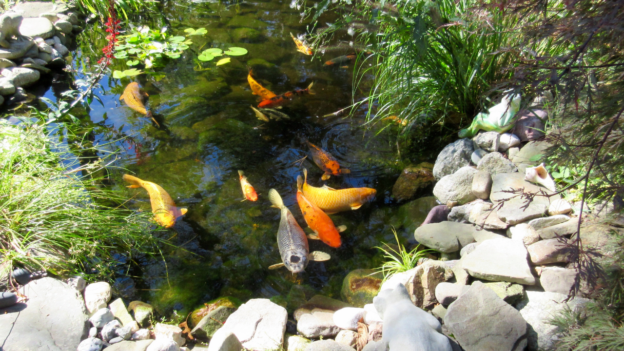
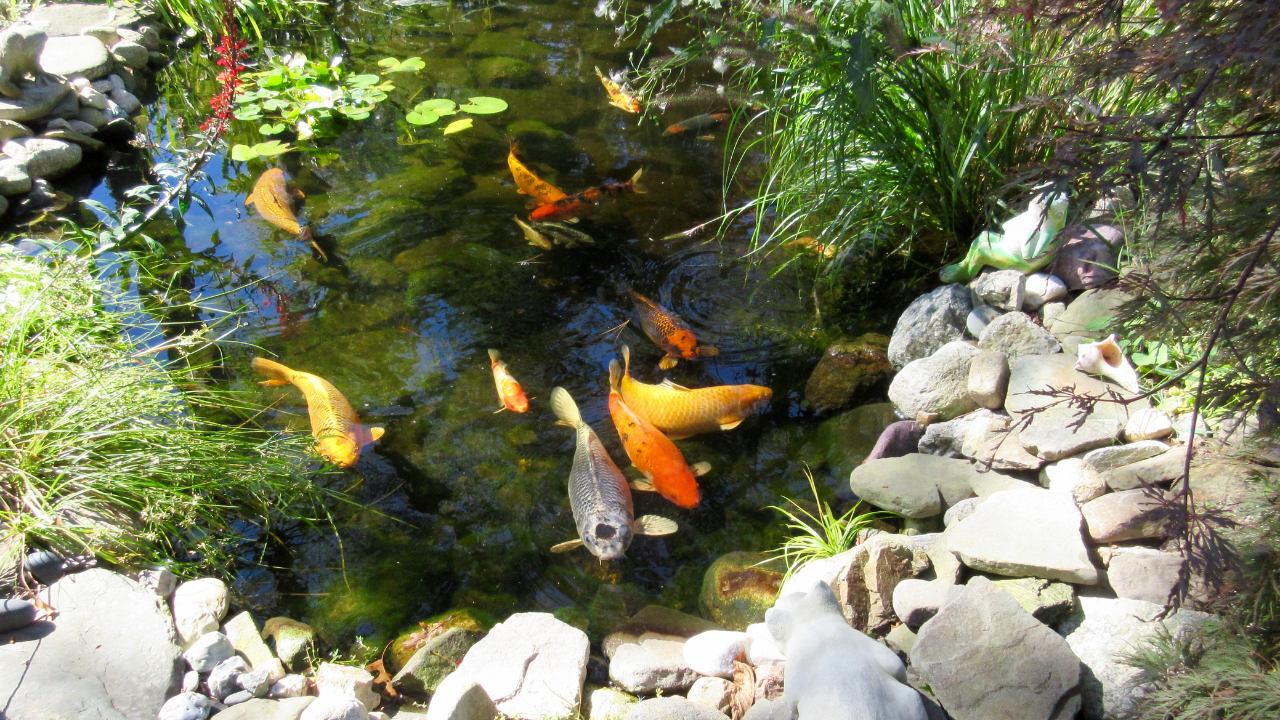
Owning a pond or a koi pond can be a rewarding experience. The gentle lapping of water, the sight of colorful fish, and the serene atmosphere it creates can transform your outdoor space. However, maintaining a clear and healthy pond requires consistent care and attention

Cloudy or green water can quickly turn your tranquil oasis into a murky eyesore. But fear not! With the right knowledge and effort, you can achieve crystal-clear pond water.

In this guide, we will explain some essential steps to maintaining a clear pond ecosystem. We’ll explore various techniques – from regular cleaning to proper filtration. By following these tips and tricks, you’ll be well on your way to enjoying a sparkling clear pond all year round.

Whether you’re a seasoned pond owner or just starting, this guide will provide you with the needed help. We have added everything from ways to clean the pond to different pond maintenance ways.

Tips and Tricks for Having Crystal-Clear Pond Water

Maintaining a clear pond involves a combination of proactive measures and regular upkeep. Here are some essential tips to keep your pond sparkling:

Regularly Clean the Pond

Consistent cleaning is fundamental for a clear pond. Remove fallen leaves, debris, and dead plants. This will prevent them from decomposing and clouding the water. Skimming the surface regularly helps to collect floating particles.

Keep Limited Fish Population

Overcrowding your pond with fish means excess fish waste, which contributes to cloudy water. A balanced fish population is crucial for maintaining water quality. Consider the size of your pond when choosing the fish. And follow the recommended stocking levels for your fish species.

Regularly Check Water Parameters

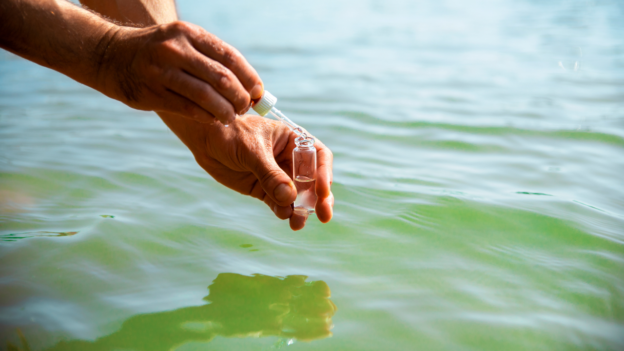
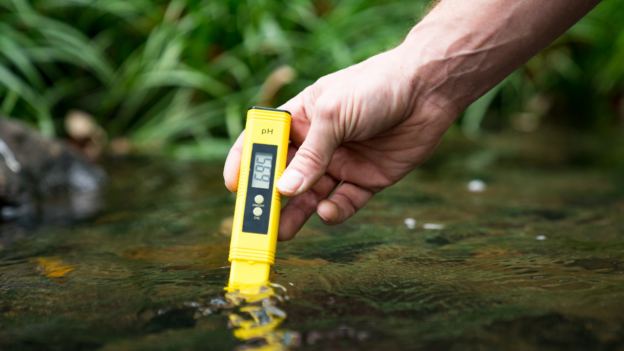
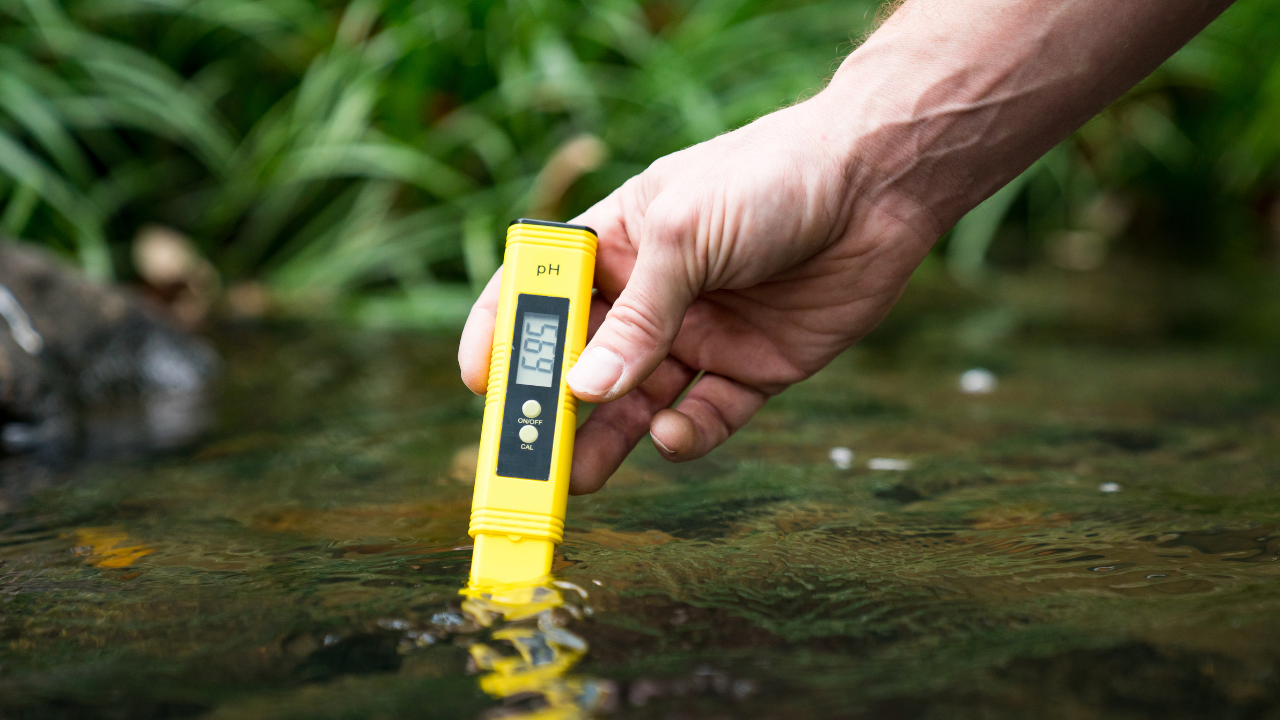
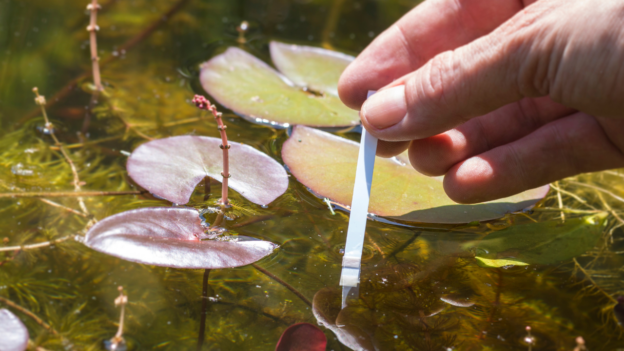
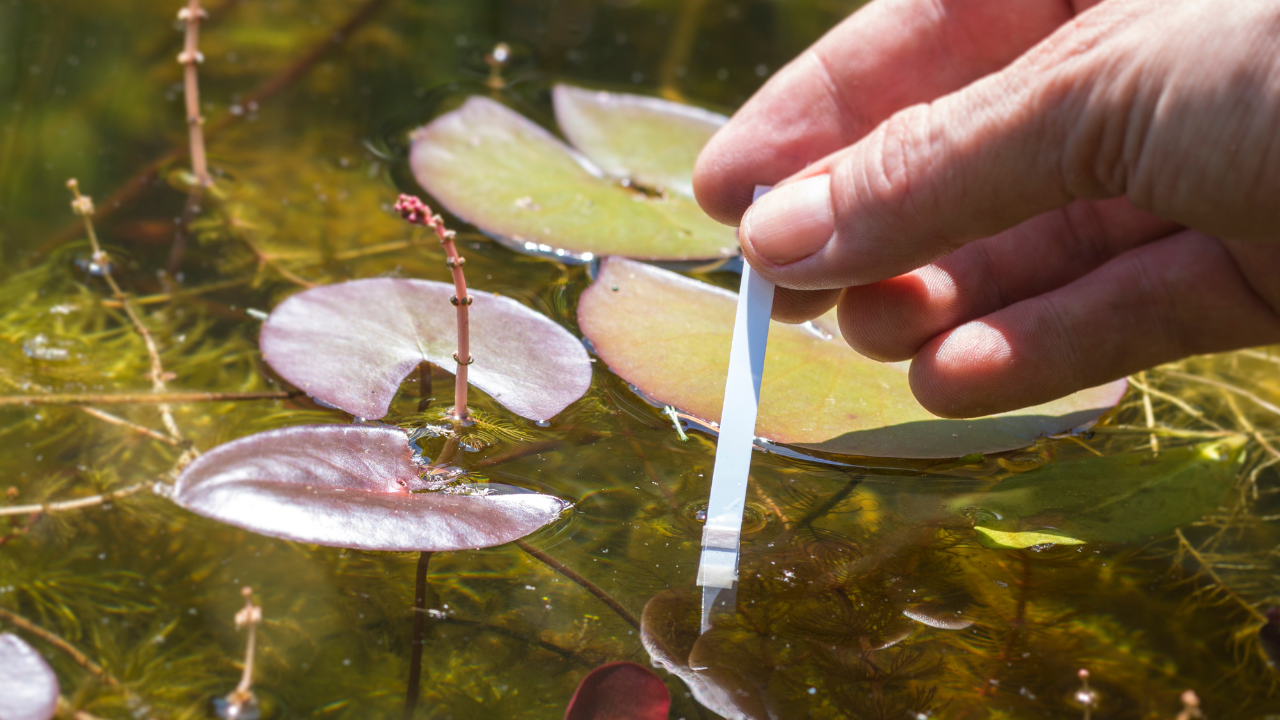
Check water parameters such as pH, ammonia, nitrite, and nitrate levels to maintain a healthy pond ecosystem. With regular testing, you can identify any imbalances. This allows you to correct them in time.

Keep Aquatic Plants

Aquatic plants play a vital role in maintaining water clarity. They help oxygenate the water, absorb nutrients, and provide shelter for beneficial bacteria. A balanced plant population contributes to a clear and healthy pond.

Trim Overgrown Plants

While aquatic plants are beneficial, excessive growth can lead to problems. Trim back overgrown plants to prevent them from shading the pond and creating dead spots.

Get a Suitable Pump

A good-quality pond pump is essential for circulating water and preventing stagnation. Sufficient water circulation distributes oxygen, prevents algae growth, and improves overall water quality.

Try a Green Pond Water Treatment Solution

In case of a green water outbreak, you can use a pond water treatment solution to help clear the water. These products have algaecides or clarifying agents that target algae. And they also improve water clarity.

Control Overfeeding Fish

Overfeeding fish can lead to excess waste and nutrient buildup, promoting algae growth. Feed your fish only what they can consume within a few minutes and avoid overfeeding. This minimizes pond cleaning time and guarantees optimal water quality.

Get a Powerful Pond Water Filter

A reliable pond filter is important for removing debris, excess nutrients, and harmful particles from the water. Choose a pond filtration system that is appropriate for the size of your pond and the number of fish you have.

Pond and fountain repair Orange County helps getting the right services and supplies for your pond.

How to Choose the Right Filtration System for Your Pond?

Selecting the right filtration system is essential for maintaining clear pond water. Consider the following factors when choosing a filter:

Consider Your Pond Size

The size of your pond determines the filtration capacity you need. A larger pond requires a more powerful filter to effectively clean the water.

Check Fish Population

The number of fish in your pond affects the amount of waste produced. This impacts the filtration requirements. More fish generally require a stronger filter.

Consider the Plant Life

Aquatic plants contribute to water quality, but they also produce organic matter. A filter with enough capacity can handle the workload effectively.

Consider Water Features

Waterfalls, fountains, and streams create additional challenges for filtration. Ensure your filter can handle the increased water flow and debris associated with these features.

Beneficial Bacteria to Maintain Clear Water

Beneficial bacteria break down organic waste, maintain water quality, and prevent green water. They help to convert harmful ammonia into less toxic nitrates.

Oxygenation for Clear Pond Water

Adequate oxygen levels are essential for fish health and water clarity. Oxygenation helps to prevent algae growth, decompose organic matter, and support beneficial bacteria. Consider using a pond aerator or fountain to increase oxygen levels in your pond.

Common Reasons for Cloudy Pond Water

Cloudy pond water can be caused by several factors:

  • Excess nutrients: Overfeeding fish, decaying plants, and fertilizer runoff contribute to nutrient buildup.
  • Insufficient filtration: A clogged or small filter may not remove particles and debris from the water. This causes it to become cloudy.
  • Algae blooms: Excessive algae growth can quickly turn pond water green and cloudy.
  • Disturbed sediment: Agitating the pond bottom can release sediment into the water and make it cloudy.

How to Clear Excessive Algae Growth to Clear Pond Water?

Algae can quickly take over a pond, causing it to become green and unsightly. Here are some effective ways to control algae growth:

  • Increase water circulation: A strong pump and filter prevent algae from settling in.
  • Reduce nutrient levels: Limit fish feeding, remove excess plant matter, and avoid using fertilizers near the pond.
  • Introduce aquatic plants: Aquatic life competes with algae for nutrients and this helps with algae control.
  • Use algaecides: In severe cases, you can use algaecides specifically designed for ponds. However, use these products cautiously and follow the instructions carefully.
  • Consider a UV clarifier: An ultraviolet light clarifier can help kill algae cells, preventing them from multiplying and maintaining a balanced ecosystem.

Green water, murky water, and foamy water are common pond water problems. Whether it is your backyard pond, a fish pond, or a garden pond, these tops will help you with everything.

Call OC Pond for Reliable Pond Cleaning and Maintenance Services

If you are looking for expert pond cleaning, repair, and maintenance services then Pond fountain parts and supplies Orange County helps you with finding the right equipment and supplies for your pond’s regular maintenance.

pond and fountain repair Orange County services Pond Sludge Removal Methods

pond and fountain repair Orange County services


Key Takeaways

  • Regularly cleaning your pond helps to prevent sludge build-up.
  • Muck reducer tablets and beneficial bacteria are natural and easy ways to manage pond sludge without harming the ecosystem.
  • Pond vacuums and nets are essential tools for removing sludge, especially for ponds with a thick layer of sludge.
  • Using skimmers, and aerators, and maintaining balanced plant and fish populations can help prevent sludge from forming in the first place.
  • Draining and thoroughly cleaning the pond may be necessary to remove all the sludge and restore the pond’s health.

Imagine your pond as a cozy home for fish and other water creatures. Over time, just like your room can get messy, your pond can build up a layer of gunk at the bottom called sludge. It’s not just unsightly but it also disturbs your healthy pond ecosystem.

Pond sludge is a mixture of leftover fish food, dead plants, and other organic matter that sinks to the bottom. It’s like a thick, muddy blanket that smothers the pond floor. As it builds up, it can create problems. Sludge can clog up your pond’s filter, making it less effective at cleaning the water. It can also release unpleasant odors and create a breeding ground for harmful bacteria. Plus, it just doesn’t look very nice with all the murky water.

There are several ways to tackle backyard pond sludge, ranging from natural solutions to more hands-on methods. Each method has its own benefits and can be chosen based on the severity of the sludge problem and the type of pond you have. Whether you have a small garden pond or a large koi pond, there are effective strategies to manage and remove sludge.

In this blog, we will discuss what pond sludge is, how to remove it, and how to prevent it from building up again. We’ll provide practical tips and techniques that are easy to follow, so you can enjoy a clean and healthy pond year-round.

What is Pond Sludge?

Pond sludge is a thick layer of organic material that accumulates at the bottom of a pond. It is made up of decaying plant matter, fish waste, uneaten fish food, and other debris that sinks to the bottom. Over time, this material breaks down and forms a muddy, smelly layer. This sludge is a natural part of any pond water, but too much of it can cause problems.

Pond sludge is harmful because it releases harmful gases like ammonia and hydrogen sulfide as it decomposes. These gases can be toxic to fish and other aquatic life. Sludge also provides a perfect environment for harmful bacteria and parasites to thrive. This can lead to diseases in fish. Due to this, it becomes difficult for fish and beneficial bacteria to survive.

In addition to these health issues, pond sludge makes your pond look unattractive. It can turn the water cloudy and green, and cause unpleasant odors. Removing pond sludge is important not just for the health of your pond life but also for maintaining its beauty.

How to Remove Pond Sludge

There are several effective methods to remove pond sludge. Here are some of the most popular techniques:

Get Muck Reducer Tablets

Muck reducer tablets are a simple and natural way to reduce pond sludge. These tablets contain beneficial bacteria and enzymes that break down organic material in the sludge. You simply toss the tablets into the pond, and they start working to digest the sludge. 

This method is easy to use and doesn’t require any special equipment. It’s a good option for ponds with moderate sludge build-up.

Clean with a Pond Vacuum

A pond vacuum is a powerful tool for removing sludge directly from the bottom of the pond. It works like a household vacuum cleaner but is designed for underwater use. You can use the vacuum to suck up the sludge, which is then collected in a container for easy disposal. 

This method is effective for ponds with a thick layer of sludge and provides immediate results. It does require some physical effort and time, but it’s very efficient. Professional pond and fountain repair Orange County services help you get the right pond vacuum.

Scoop Out the Sludge with a Pond Net

For smaller ponds or minor sludge issues, a pond net can be used to scoop out the sludge manually. This method involves using a long-handled net to reach the bottom of the pond and remove the sludge. 

It’s a simple and inexpensive way to manage sludge, but it can be labor-intensive. Regular scooping can help keep the sludge under control and prevent it from building up too much.

Drain and Clean the Pond

If your pond has a severe sludge problem, you may need to drain the pond and clean it thoroughly. This involves removing all the water, relocating the fish and plants temporarily, and then scooping out the sludge from the bottom. 

After pond cleaning, you can refill the pond with fresh water and return the fish and aquatic plants. This method is very effective but is also the most labor-intensive and disruptive. It’s usually done only once a year or when absolutely necessary.

How to Prevent Pond Sludge

Preventing pond sludge from building up is easier than dealing with it after it has formed. Here are some tips to help keep your pond free of excess sludge:

  • Use a Pond Skimmer: A pond skimmer helps to remove leaves and other debris from the surface of the water before they sink and decompose. Regular use of a skimmer reduces the amount of organic material that reaches the bottom of the pond.
  • Add Beneficial Bacteria: Adding beneficial bacteria to your beautiful pond helps to break down organic material. These bacteria can be added in liquid or tablet form and are a natural way to keep your pond clean.
  • Install a Pond Aerator: Aeration helps to increase oxygen levels in the water. This supports beneficial bacteria and prevents the build-up of harmful gases. An aerator or a fountain can help to keep the fish pond water moving and well-oxygenated.
  • Maintain Plants and Fish Populations: Ensure that your pond has a balanced number of fish and plants to prevent overloading the ecosystem.
  • Regular Pond Maintenance: Cleaning your pond, checking the filtration system, and removing organic waste and debris prevents sludge build-up.

OC Pond – Best Pond and Fountain Maintenance Supplies in Orange County

Pond fountain parts and supplies Orange County, you get the best garden and pond supplies. By understanding what pond sludge is, how to remove it, and how to prevent it, you can keep your pond clean and healthy.

Call us now!

Pond and fountain repair Orange County Pond Skimming: Tips, Tricks, and Traditions

Pond and fountain repair Orange County


Key Takeaways

  • A clean pond looks good and supports healthy plants and animals. Regular cleaning helps maintain this balance.
  • Skimmers remove surface debris, keeping the water clean and reducing the need for heavy cleaning.
  • Consider your pond’s size, debris type, installation preferences, maintenance ease, and budget when choosing a skimmer.
  • Different types of skimmers suit different ponds. Surface, built-in, box, weir, and submerged skimmers each have unique benefits.
  • Skimmers improve water quality, reduce manual cleaning, and enhance the pond’s appearance. This supports a healthy ecosystem and saves money over time.

Maintaining a clean pond is very important for both the plants and animals living in it and for the beauty of your outdoor space. A clean pond looks good and keeps fish and plants healthy. If a pond gets dirty with leaves, twigs, and other debris, it can start to smell bad and become unhealthy. Regularly cleaning your pond helps keep it beautiful and safe for its inhabitants.

Using the right backyard pond cleaning tools makes this job easier. One of the best tools for this is a pond skimmer. A pond skimmer helps by removing debris from the surface of the water, like leaves and twigs, before they sink and decay. This keeps the water clear and healthy.

Investing in a good pond skimmer saves you time and effort because it helps keep the pond clean without much manual labor. It catches debris before it sinks to the bottom. This reduces the need for heavy cleaning and fewer chemicals. Choosing the right skimmer depends on your pond’s size, the type of debris, and your budget.

Different ponds – koi ponds for example – need different types of skimmers. Understanding the types and how they work will help you choose the best one for your pond. Let’s explore more about pond skimmers.

What is a Pond Skimmer?

A pond skimmer is a device that removes floating debris from the surface of a pond. It pulls in water and catches debris in a basket, then returns clean water to the pond. Skimmers are usually placed at the pond’s edge where debris gathers. They come in different sizes and designs to fit different pond needs.

Some skimmers are built into the edge of the pond, while others float on the surface. The type you need depends on the size of your pond and the amount of debris it collects. Pond and fountain repair Orange County services make pond cleaning easy and fast.

Tips to Use a Pond Skimmer

Looking for effective ways of using a pond skimmer? Below are some easy and helpful ways of using a pond skim for your pond maintenance;

  • Place it Well: Put the skimmer where the wind naturally pushes debris. This helps it catch more debris. Built-in skimmers work best when placed at the pond’s edge.
  • Check Regularly: Empty the pond skim basket often to keep it from clogging. During times when a lot of debris falls, like autumn, check it more frequently.
  • Adjust Water Flow: Make sure the water flow to the skimmer is strong enough to pull in debris but not so strong that it disturbs the water too much. This balance helps the skimmer work well without stressing fish and plants.
  • Use with Other Filters: Combine your skimmer with other pond maintenance filters to clean both the surface and the water itself. This keeps the pond cleaner overall.
  • Seasonal Use: Run the skimmer more in spring and summer when debris is high. Reduce its use in winter if the pond might freeze.

Benefits of Using a Pond Skimmer

Here are some key benefits of using a pond skimmer;

  • Cleaner Water: A skimmer removes debris before it sinks and decays, keeping the water clear and fountains clean. This prevents algae growth and keeps the pond’s ecosystem balanced.
  • Less Work: Skimmers reduce the need for manual cleaning. By catching debris early, they prevent it from building up and save you time and effort.
  • Better Looking Pond: With a skimmer, the pond’s surface stays clear of debris, making your garden look more attractive and enjoyable.
  • Healthier Pond Life: Regular use of a skimmer keeps the pond’s ecosystem balanced, supporting the health of fish and aquatic life.
  • Cost Savings: A good skimmer reduces the need for chemicals and heavy cleaning, saving you money over time.

How to Choose a Pond Skimmer for Your Pond

When picking a pond skimmer, think about:

  • Pond Size: Larger ponds might need bigger or multiple skimmers to clean the surface effectively.
  • Debris Type: If your pond collects a lot of leaves and twigs, you’ll need a skimmer with a larger basket.
  • Installation Type: Decide if you want a built-in skimmer (more permanent) or a floating one (more flexible).
  • Ease of Maintenance: Choose a skimmer that’s easy to clean and maintain. Features like removable baskets make maintenance simpler.
  • Budget: Skimmers come in a range of prices. Pick one that fits your budget while meeting your pond’s needs. More expensive models may offer better features and durability.

Types of Pond Skimmers

Pond skimmers have different types. Here are some common types of pond skimmers;

  • Surface Skimmers: Float on the pond’s surface and move around to catch debris. Good for small ponds or those with changing debris patterns.
  • Built-In Skimmers: Fixed at the pond’s edge and pull in debris through an inlet. Ideal for larger ponds and offers continuous cleaning.
  • Box Skimmers: Placed on the edge and connected to an external pump. They are powerful and good for ponds with a lot of debris.
  • Weir Skimmers: Use a floating weir to draw in water and debris. Adjusts to water level changes and is effective in large ponds.
  • Submerged Skimmers: Placed below the surface and use suction to remove debris. Less visible and can be used with other skimmers for thorough cleaning.

By understanding the importance of a clean pond and how pond skimmers work, you can keep your pond looking beautiful and healthy. This creates a pleasant and thriving environment for both you and your pond’s inhabitants.

Get a High-Quality Pond Skimmer from OC Pond

OC Pond provides premium quality pond and water fountain parts and services. We specialize in offering expert pond fountain parts and supplies in Orange County to help pond owners find the right equipment and pond cleaning supplies.

Contact us now!

pond fountain parts and supplies Orange County Pond Cleaning Made Easy: Pro Tips & Tricks

pond fountain parts and supplies Orange County


Key Takeaway:

  • A clean pond is essential for the health of its inhabitants.
  • Regular maintenance is key to a thriving pond ecosystem.
  • Remove debris to prevent water pollution.
  • Maintain a balance of plants and fish.
  • Use the right equipment for effective pond care.

A pond is a miniature ecosystem, teeming with life. From colorful fish to vibrant plants, it’s a captivating spectacle. However, like any ecosystem, a pond requires careful maintenance to thrive. Regular pond cleaning is important to maintain your pond’s beauty and fish’s health. This is why, as a pond owner, it is important to clean your pond regularly.

A neglected pond can quickly deteriorate. Debris like leaves, twigs, and dirt can clog the filtration system. This hinders its ability to purify the water and declines water quality. It creates an unhealthy environment for aquatic life. Besides, excessive algae growth can suffocate plants and reduce oxygen levels. This endangers fish and other organisms.

Beyond the ecological reasons, a dirty pond is not a good sight. Green water, floating debris, and a murky bottom can reduce your space’s appeal. A clean and well-maintained pond, on the other hand, can improve your property’s value and provide a serene atmosphere.

By investing time and effort into pond cleaning, you preserve a beautiful garden pond. This pond also contributes to a healthy environment for the creatures that call it home. In the following sections, we have explained some tips and tricks for cleaning a pond. These tips will also help you maintain a clean garden or koi pond.

Tips and Tricks to Clean Your Pond

Here are the tips to clean your pond:

Aerate the Pond

Aeration is crucial for maintaining a healthy pond ecosystem. This means introducing oxygen into the water. Oxygen is essential for the survival of fish and beneficial bacteria. Oxygenation helps to break down harmful substances, reducing the likelihood of algae blooms. Using a pond aerator or a fountain can effectively increase oxygen levels.

Remove Plants and Fish

While aquatic plants are beneficial for a pond, an overabundance can create problems. Excessive plant growth can shade the water, hindering photosynthesis and reducing oxygen levels. Overcrowding can also lead to nutrient imbalances. Similarly, an excessive fish population can contribute to water pollution through waste accumulation. Regularly monitoring plant and fish populations is essential for maintaining a balanced ecosystem.

Get a Pond Rake

A pond rake is a valuable tool for removing surface debris. Leaves, twigs, and other floating matter can accumulate quickly. They block sunlight and create a breeding ground for algae. By using a pond rake to clear the surface regularly, you improve water quality. And prevent clogs in the filtration system.

Add Beneficial Bacteria

Beneficial bacteria play a vital role in pond maintenance. These microorganisms decompose organic matter into harmless substances. These organic matter could be decomposing plants and dead fish. By adding beneficial bacteria to your pond, you can enhance water clarity. This further reduces the need for chemical treatments. Beneficial bacteria are also important to keep your pond clean and organic matter under control.

Invest in Quality Pond Cleaning Equipment

Having the right tools can make pond cleaning easier and more effective. A pond vacuum is indispensable for removing sediment and debris from the pond’s bottom. A skimmer net is useful for collecting surface debris. And a telescopic pole allows you to reach hard-to-access areas. Investing in high-quality equipment will save you time and effort in the long run.

OCPond’s pond fountain parts and supplies Orange County provides high-quality pond cleaning equipment.

How to Keep Your Pond Clean

Once you have cleaned your pond, the next question is – how to keep my pond clean? Following some steps, you can reduce the cleaning time. And also, this helps you maintain a cleaner pond.

Keep a Limited Amount of Fish

Overstocking your pond can lead to water quality issues. Each fish produces waste, which can contribute to nutrient buildup and algae growth. To prevent problems, it’s important to maintain a balanced fish population based on the size of your pond. If you have a small pond, keep small fish and, ideally, only one kind of fish. In the case of larger ponds, you can be creative with your fish population.

Go Easy on Fish Food

Overfeeding fish can lead to excess food waste, which can deteriorate water quality. Only feed your fish the amount of food they can consume within a few minutes. Avoid overfeeding, especially during cooler months when fish metabolism slows down.

Choose the Right Size Pump

A pond pump is essential for circulating water and maintaining water quality. It helps to prevent stagnant areas where harmful bacteria can thrive. Ensure that your pump is the right size for your pond to ensure adequate water circulation. Water circulation prevents stagnation, which can be harmful to your fish and plants.

Remove Debris On Time

Fallen leaves, twigs, and other debris can quickly accumulate in your pond, contributing to water pollution. Regularly remove debris to stop it from decomposing. This could release harmful substances into the water. Removing these on time prevents them from settling in and converting into sludge.

Cultivate Beneficial Aquatic Plants

Aquatic plants play a crucial role in maintaining a healthy pond ecosystem. They provide oxygen, absorb nutrients, and create hiding places for fish. Add oxygenating plants and floating plants to enhance your pond’s ecosystem. Ideally, about 40 to 60 percent of your pond’s water area should be covered with plants.

Use a High-Quality Pond Filter

A pond filter is essential for removing impurities from the water. It helps to maintain water clarity and reduce algae growth. It also creates a healthier environment for your pond inhabitants. Choose a filter that is appropriate for the size of your pond and the number of fish it contains. A pressure filter will be useful but go easy with it when cleaning a fish pond.

Monitor Water Temperature

During hot summer months, water temperature can rise to harmful levels for fish. To prevent thermal stress, use a pond fountain or waterfall to increase water circulation and oxygenation. Additionally, providing shade over part of the pond can help to cool the water. Keeping aquatic life safe during summer is important. Heat could be dangerous for them.

By following these tips and using them in your pond care routine, you can maintain a clean and healthy pond. 

Work with OC Pond and Guarantee Your Pond’s Health

OC Pond provides pond and fountain repair Orange County and helps you keep your pond clean. We have high-quality equipment and supplies that cater to your pond cleaning and maintenance needs. Call us now and get expert services and equipment.

Pond and fountain repair Orange County services Pond Vacuum Use: Tips and Techniques

Pond and fountain repair Orange County services


Key Takeaways

  • Pond vacuums are essential tools for maintaining clean and healthy ponds.
  • Regular vacuuming removes debris and sludge, improving water quality and preventing algae blooms.
  • Consider the hose length, suction power, and attachments when choosing a pond vacuum
  • Keep the fish safe by using slow movements, fish guards, and monitoring fish behavior during vacuuming.
  • Pond vacuuming improves the appeal of the pond, promotes fish health, and prolongs the life of pond equipment.

Pond vacuums remove debris, sediment, and algae from the bottom of your pond. This helps improve water quality, clarity, and overall pond health. Vacuuming your pond regularly prevents debris buildup. This also ensures a cleaner environment for your fish and aquatic plants.

To make sure that your pond is in top shape, regular cleaning is important. One of the most effective tools for fish pond maintenance is a pond vacuum.

Regular pond vacuuming also helps to prolong the life of your pond filter. By removing debris from the pond bottom, you make it easy for your pond’s filter. This way, it works effectively. Besides, a clean pond is appealing and enhances the overall beauty of your outdoor space.

What is a Pond Vacuum?

A pond vacuum is a specialized cleaning device designed to remove debris, sediment, and algae from the bottom of a pond and a koi pond. It operates like a household vacuum, using suction to draw in unwanted material.

But, pond vacuums are designed to work underwater. They have various attachments, such as hoses, brushes, and skimmer nets. All of them help with different pond cleaning needs.

How to Use a Pond Vacuum – Easy Steps

Using a pond vacuum is straightforward. Follow these easy steps for effective pond cleaning:

  1. Prepare the Vacuum: Assemble the vacuum according to the manufacturer’s instructions. Ensure all parts are securely attached.
  2. Position the Vacuum: Place the vacuum in the pond, making sure the intake is submerged in the water.
  3. Start the Vacuum: Turn on the vacuum and begin moving it slowly across the pond’s bottom and sides. Use a gentle, steady motion to avoid stirring up too much debris.
  4. Empty the Collection Bag: Periodically check the collection bag and empty it when it’s full. This prevents clogging and ensures efficient cleaning.
  5. Rinse and Store: After cleaning, rinse the vacuum and its attachments with clean water. Store the vacuum in a dry place until the next use.

How to Choose the Right Pond Vacuum for Your Pond?

As a pond owner, selecting the appropriate pond vacuum is crucial for effective cleaning. Consider the following factors when making your choice:

Consider the Depth of Your Pond

The depth of your koi or garden pond will determine the required hose length. Ensure the vacuum’s hose is long enough to reach the deepest part of your pond without excessive strain. Checking the water level will help you find the right vacuum for your beautiful pond maintenance.

Check Cord and Hose Length

The length of the power cord and discharge hose will influence your mobility while vacuuming. Opt for a vacuum with sufficient cord and hose length to reach all areas of your pond without frequent repositioning.

Check the Vacuum’s Suction Power

The suction power determines the vacuum’s efficiency in removing debris. Consider the size and depth of your pond when selecting the appropriate suction power. A more powerful suction vacuum may be necessary for larger ponds.

Check the Attachments

Different pond vacuums come with various attachments to cater to diverse cleaning needs. Look for a vacuum with attachments like a surface skimmer, brush, and different nozzle sizes to tackle various cleaning tasks effectively.

Pond and fountain repair Orange County services help keep various parts of your pond vacuum fictional. 

Benefits of Pond Vacuuming

Regular pond vacuuming offers numerous advantages:

Improved Water Quality

Regular pond vacuuming is essential for maintaining crystal-clear water. By removing debris, and organic matter, you improve the water’s clarity. This reduces the cloudy appearance that happens due to suspended particles. It also creates a healthier environment for aquatic life.

Enhanced Pond Ecosystem

A clean pond is a thriving pond. By removing debris and organic matter, and reducing nutrient levels, you create a clean home for fish, plants, and beneficial bacteria. This balanced ecosystem promotes the overall health and well-being of your pond inhabitants. murky water will harm marine life.

Longer Filter Life

Pond filters work hard to keep your water clean, but they can be affected by excessive debris. Regular vacuuming reduces the amount of debris entering the filter. This extends its lifespan and improves its efficiency. This also saves you money on filter replacements and maintenance.

Better Aesthetic Appeal

A clean pond is a visual masterpiece. By removing debris and sediment, you enhance the overall appearance of your pond. A clear, sparkling pond can be a focal point of your outdoor space and a source of relaxation and enjoyment.

Algae Prevention

Excessive algae growth thrives on nutrients present in the water. Regular vacuuming helps to remove these excess nutrients from the pond bottom, reducing the likelihood of algae blooms. A clean pond is less prone to algae growth, saving you time and money on algae control measures.

Cost Savings

While investing in a pond vacuum may seem like an upfront cost, it can lead to significant savings in the long run. It prevents filter clogs and reduces the need for water treatments. It also maintains the health of your pond and saves you money.

Increased Property Value

A well-maintained front or backyard pond can significantly enhance your property’s value. A clean, attractive pond is a desirable feature that can appeal to potential buyers. This is especially important if you want to sell your property in the future. A well-maintained pond will increase its value.

How to Keep Fish Safe While Vacuuming

To ensure the safety of your fish during pond vacuuming:

  • Turn off waterfalls or fountains to reduce water movement to minimize stress on the fish.
  • Use a gentle approach and avoid sudden movements that can disturb the fish.
  • Monitor fish behavior during the vacuuming process to identify any signs of distress.
  • Consider temporary relocation for small fish or fry. This will help keep them from sucking into the vacuum.

These tips will keep your fish safe while helping you vacuum your pond effectively.

By following these tips and techniques, you can keep your pond clean and healthy. Regular pond vacuuming is a simple yet effective way to maintain the beauty and functionality of your pond.

OC Pond Helps Beautify Your Ponds and Fountains

To make things easier for you, OC Pond provides pond fountain parts and supplies Orange County so that you have the right fit for your vacuum. Need help with your pond repair? OC Pond is here to help you with all your pond repair and maintenance needs. Call us now and get expert services!

pond cleaning services Removing Pond Debris: Simple Solutions

pond cleaning services


Key Takeaways

  • Regular maintenance including debris removal and water quality monitoring improved your pond’s beauty.
  • Debris can lead to poor water quality and promote the growth of harmful bacteria and parasites that threaten aquatic life.
  • Using a pond net for surface debris and a water vacuum for bottom sludge prevents decomposition and keeps your pond clean.
  • Beneficial bacteria and a good filtration system both break down the organic matter and remove debris and toxins.
  • Aeration promotes a healthy ecosystem, while some fish like koi and goldfish consume algae and organic debris.

Ponds can accumulate debris, which can affect their beauty and even harm aquatic life. Luckily, you can keep your pond clean and healthy by following some simple solutions. Some kinds of pond debris are leaves, twigs, algae, and other organic matter.

These can make your pond a big mess if you do not pay attention. These will lead to murky water and unpleasant odors, something none of us wants.

Regular maintenance is essential to keep your pond clean and healthy. In this blog, we will talk about what pond debris is and why it is problematic. We will also provide effective solutions for removing debris and maintaining a clean pond.

A pond can be a visually appealing addition to any garden or backyard. Its peaceful flow of water can add to the aesthetics of your outdoor space. A well-maintained pond is not only attractive but is also a place for wildlife. This adds to the biodiversity of your garden.

However, a clean pond is crucial for maintaining its beauty and the health of its ecosystem. Pond and fountain repair Orange County pond cleaning services can help you keep your pond clean.

What is Pond Debris?

Pond debris is any unwanted material that accumulates in a pond. This includes everything from waste plant matter to algae and fish waste. Besides, this debris can also be due to lawn clippings and dirt. With time, this debris breaks down and settles at the bottom of the pond, creating sludge.

Sludge and debris can cause several problems in a pond. They can reduce water quality, leading to cloudy water and foul odors. This can make the pond less attractive and more difficult to maintain. Debris also provides ground for bacteria and parasites that can harm fish and other aquatic life, if you have any in your pond.

Managing pond debris is essential for maintaining a clean, healthy, and attractive pond. Now, let’s look at some effective ways to remove pond debris.

How to Remove Pond Debris – 7 Effective Solutions

Keeping your pond clean is important if you want to have clean air and the environment. Here are 7 ways to clean your pond:

Clean the Floating Debris

The first step to a clean pond is to remove any debris floating on the surface. A simple net is all you need. Skim the water regularly to collect leaves, twigs, and insects. This will stop them from sinking to the bottom and decomposing. This can lead to water quality issues. 

Regular removal of twigs and dry leaves will minimize the need for costly pond maintenance and keep your pond clean.

Use a Water Vacuum

A water vacuum is a handy tool for cleaning the bottom of the pond. It works like a regular vacuum cleaner but is designed for underwater use. By sucking up the debris and sludge from the pond’s floor, a pond vacuum helps keep the pond clean and the water clear. 

When choosing a water vacuum for your pond, find one with an extendable handle. This will help you reach the depth of the pond and clean every nook and corner.

Add Beneficial Bacteria

Adding beneficial bacteria reduces organic debris in your pond. Beneficial bacteria help break down organic matter in the pond, such as fallen leaves and dead plants. These bacteria improve water quality and reduce the amount of debris that accumulates. 

You can purchase beneficial bacteria products at most garden centers. This natural method not only helps in cleaning the pond but also promotes a healthy ecosystem.

Clean Algae

Algae can quickly take over a pond if not controlled. While algae itself is not harmful, its buildup can add to dirt and unpleasant odor. To clean algae, you can manually remove large clumps using a rake or a net. Use algaecides, add algae-eating fish, and increase water circulation. Preventing excessive nutrient buildup is also key to algae control.

Optimize Water Filtration

Having a good water filtration system is crucial for maintaining a clean pond. Filters help remove debris, excess nutrients, and harmful substances from the water. Make sure your pond’s filtration system is suitable for its size. Regularly clean or replace filter media to ensure it functions effectively.

Add Some Fish

Some fish, like goldfish and koi, are natural algae eaters. Adding a few of these fish to your pond can help control algae growth. Adding fish not only cleans the pond but also adds life and movement to the water, enhancing the pond’s beauty. 

However, it’s important to choose fish that are suitable for your pond’s size and conditions. Besides, fish also produce waste of its own so you will have to be careful about it. Regular cleaning will help maintain a healthy pond.

Aerate Your Pond

Aerating your pond helps to circulate the water and increase oxygen levels. This can help prevent algae growth and improve the overall health of your pond ecosystem. There are many different types of pond aerators and you can choose one that best suits your needs. 

Using an aerator or a fountain helps circulate the water. This reduces the buildup of debris and promotes a healthy pond environment. Aeration also prevents stagnation, which causes unpleasant odors and poor water quality.

Keeping your pond clean is essential and these ways will help you do it. A clean pond is important for clean and healthy air and by following these solutions, you can ensure this. Regular pond maintenance will prevent sludge buildup and having some wildlife like fish will stop algae from building up.

Choose OC Pond to Guarantee Your Pond’s Timely Repair

OC Pond provides pond fountain parts and supplies Orange County so that you have the best equipment for your pond. We understand the unique needs of different pond owners and we provide you with the necessary tools and equipment, we also provide professional pond maintenance services.

Call now and learn more!

pond designers Orange County The Benefits Of Hiring A Professional Backyard Pond Installer

pond designers Orange County


Key Takeaways

  • Professionals bring special knowledge and experience. They make sure ponds are designed and installed right.
  • Experts can tailor pond designs to fit specific landscapes and personal preferences. This will boost the beauty of your property.
  • Using professional-grade materials and equipment ensures the durability and longevity of the pond.
  • Professionals provide ongoing maintenance services. These services keep the pond in optimal condition. They preserve its beauty and functionality.
  • A pro installed pond can greatly raise the property’s value. It can also appeal to buyers.

Backyard ponds enhance the beauty and tranquility of your outdoor spaces, serving as a serene retreat from the daily grind. While the allure of DIY projects can be tempting, the complexities involved in pond installation make it a task best left to the professional. Hiring a professional backyard pond installer ensures expert design, quality construction, and ongoing maintenance, significantly enhancing your property’s aesthetic and value.

Here, we delve into why enlisting a professional pond installer is advantageous, ensuring that your backyard oasis is both beautifully realized and enduring.

The Professional Advantage

Professional pond installers bring expertise and precision. DIY projects can’t match them. This is true for the intricate design, installation, and maintenance. 

The Expertise Of Professional Pond Installers

Professional pond installers bring much specialized knowledge and experience. It is critical for the successful design and building of backyard ponds. They know the nuances of various pond designs and ecosystems well. This lets them handle everything from the start to the end well. This expertise ensures a good pond. It also includes your garden’s natural elements. This creates a cohesive landscape.

Professional pond designers Orange County are adept at foreseeing potential challenges and can offer valuable insights and recommendations to enhance the durability and beauty of your pond. They understand the pond’s ecosystem. They can select the right plants, manage water quality, and suggest the best positioning for sunlight and shade.

Customized Design And Bringing Visions To Life

Hiring a professional has a big advantage. They can tailor the pond’s design to your landscape and preferences. You may want a tranquil koi pond, a robust ecosystem for local wildlife, or a dramatic water feature with waterfalls and fountains. Professionals can make your vision real with skill and creativity.

Pond designers Orange County are familiar with the local aesthetics and can seamlessly integrate your outdoor pond with the existing environment, enhancing both the beauty and value of your property. This customization goes beyond mere aesthetics, involving the strategic placement of the pond to optimize its interaction with the natural elements and your home’s architecture.

Adding unique features like natural stone, special lighting, and native plants personalizes your space. It also ensures that your pond reflects your style and needs. Professionals use great materials and the latest techniques. They use them to make stunning, durable water features. The features are designed to last.

Quality And Efficiency

Engaging a professional pond installer brings unparalleled quality and efficiency to your backyard project, ensuring that every detail is handled with precision from start to finish.

Access To Proper Equipment And High-Quality Materials

One big advantage of hiring a pro pond installer is their access to top-notch materials and special tools. These are key for making a durable and long-lasting pond. Professionals use materials like EPDM liners. These liners are known for their durability and flexibility. They allow for custom shapes and sizes that fit perfectly into the desired space​​. Also, using proper underlayments and geotextiles protects the liner from punctures. This ensures the pond stays intact and usable over time.

Using high-grade equipment, like heavy pumps and skimmers, supports water quality. It also keeps the ecosystem healthy. This equipment is crucial. It circulates water and removes debris. This helps sustain a clean, oxygen-rich pond.

Quality Workmanship And High Standards

Professional pond installers are known for their high-quality workmanship and attention to detail. They employ the best practices in the industry, from the initial design to the actual construction and finishing touches. This includes installing pond liners right. They must fit without wrinkles or gaps. And, you must secure them well to avoid shifting.

Craftsmanship covers the pond’s look and function. This includes the careful placement of rocks and plants. They are chosen and arranged to look natural and nice. Professionals seek to balance the pond’s looks and its ecological role. They want it to beautify the landscape and host wildlife.

Efficiency: Saving Time And Effort

Choosing a professional pond installer saves homeowners significant time and effort. This efficiency is not just in the installation itself but also in the planning and preparation stages. Professionals handle all aspects of the pond installation. This includes everything from obtaining the necessary materials to managing the construction process. This allows homeowners to enjoy the transformation without the hassle​​.

Moreover, by entrusting the task to experts, homeowners avoid the common pitfalls of DIY projects. These include incorrect installations or the use of inappropriate materials. These pitfalls can lead to costly and time-consuming corrections later on. The professional handling of the project ensures that the pond is installed correctly the first time. This minimizes disruptions and maximizes satisfaction.

Long-Term Benefits

Investing in professional pond installation services has long-term benefits. They provide expertly crafted aesthetics that fit your landscape. They also add lasting value to your property.

Proper Installation Techniques And Successful Projects

Professional pond installers use precise installation techniques. These techniques are vital to avoid common DIY mistakes. These include wrong liner placement and bad filtration. These errors can cause leaks or ecological imbalances. These professionals are trained to handle every part of pond installation. They ensure the right excavation depth, choose the right liner, and place it securely. This careful approach ensures the ponds are both pretty and work well and last.

Many case studies show the success of professional installations. For example, careful planning and execution in projects prove the reliability and efficiency of professional services. An example is installing a modern pond within a client’s home. Another example includes the construction of a large pond in Anthem, Arizona. There, professionals used advanced sealing techniques to handle tough environments and big water bodies. This ensured long-term success and client satisfaction.

Ongoing Maintenance And Support

After the installation, professional pond services don’t just stop; they extend into continuous maintenance and support. This is crucial for keeping the pond in optimal condition. Professionals do routine checks, adjustments, and interventions. These tasks maintain water quality and prevent common issues. These issues include algae buildup and equipment malfunctions. These services are essential for the longevity of the pond and the health of its aquatic life​.

Professionals also offer expert advice on care techniques that are vital for the seasonal maintenance of the pond. This includes managing the biological load. It also includes monitoring nutrient levels and preparing the pond for different weather. This ensures the ecosystem remains balanced and thriving.

Increased Property Value

A professionally installed pond significantly enhances the curb appeal and value of a property. Potential homebuyers like well-designed outdoor features. They promote relaxation and beauty. A well-kept pond can be the backyard’s focal point. It raises the property’s marketability and resale value. Adding such water features, especially in regions like Orange County, is distinctive. It can make a property stand out in the real estate market.

Frequently Asked Questions

Why is it important to use professional installation techniques for pond installation?

Professional techniques prevent leaks and ecological imbalances. They ensure the pond fits well in your landscape.

Can you provide examples of successful pond installations?

Yes, case studies from professional installs often show how they manage and overcome challenges. This results in beautiful and functional water features.

What kind of maintenance do professional pond installers offer?

The professionals do routine maintenance. They manage water quality and make the needed adjustments. This keeps the pond in optimal condition.

How does professional maintenance contribute to the health of the pond?

Regular professional care keeps the pond’s ecosystem balanced and vibrant. It supports both plant and aquatic life.

How does a professionally installed pond increase property value?

A good pond makes a property look nicer and work better. This makes it more attractive to buyers.

Are professional pond installations a good investment for homes in Orange County?

Professionally installed outdoor ponds significantly boost curb appeal and property value. This is true in the Orange County region.

Take Advantage Of Professional Pond Installation With OC Pond

Choosing a professional to install your pond, instead of doing it yourself, ensures a beautiful pond. It also gives you peace of mind. You know the installation is done right the first time. Professional installations raise the property’s value. They provide a tranquil escape in your own backyard. With expert design and regular maintenance, your pond will remain a cherished feature of your home.

Transform your backyard with a stunning pond with OC Pond Fountain Service today to discuss your pond installation needs. Contact OC Pond Fountain Service for more information on outdoor ponds Orange County and to schedule a consultation.

pond designers Orange County Expert Advice On Pond Leak Detection And Repair

pond designers Orange County


Key Takeaways

  • Regularly check your pond’s water level and inspect the liner and surroundings to quickly identify any leaks.
  • Small leaks in pond liners can often be fixed using DIY repair kits that include patches and sealants.
  • For complex issues or recurring leaks, seek professional services to ensure a thorough and lasting repair.
  • Use good materials. Ensure proper installation. Also, do routine maintenance. Doing this will minimize the risk of future leaks.
  • Employ natural elements like appropriate vegetation and wildlife management to help maintain the integrity of the pond and prevent leaks.

Pond leaks can be a significant hassle for any pond owner, leading to increased maintenance efforts and costs. More importantly, leaks can harm the pond’s ecosystem, affecting plant and animal life. Detecting and repairing these leaks promptly is crucial for maintaining the health and beauty of your pond. To detect a pond leak, monitor water levels for unusual decreases and inspect the liner and surrounding area; address repairs with appropriate sealants, patches, or professional help depending on the severity of the leak.

This comprehensive guide explores practical tips for identifying potential leaks, details on DIY repair methods, and advice on when to call in the professional pond designers Orange County.

Understanding Pond Leaks

Pond leaks can occur due to a variety of reasons:

  • Natural Evaporation: It’s normal for ponds to lose some water to evaporation, especially in hot weather. However, if the water loss is rapid and significant, it might indicate a leak rather than just natural processes.
  • Liner Edge Damage: The edges of pond liners can get damaged by wear or wildlife activity, leading to leaks.
  • Liner Failures: Tears or punctures in the pond liner itself are common sources of leaks and need immediate attention.
  • Skimmer Box Issues: Faulty skimmer boxes can also lead to significant water loss and should be checked regularly.
  • Increased Water Loss During Hot Weather: Apart from evaporation, splashing and overflow can also contribute to water loss during hot seasons.

Detecting Pond Leaks

Detecting a leak in your pond involves several steps:

  • Monitoring Water Levels: Keep a regular check on the water level. A sudden drop might indicate a leak.
  • Thorough Inspections: Examine all parts of your pond, including the liner and nearby areas, for signs of escaping water.
  • Using Dye Tests: Dye tests can help pinpoint the exact location of a leak. By adding dye to the water and observing where it flows or seeps out, you can identify the affected area.

These methods are fundamental in ensuring you catch and manage leaks before they lead to more severe problems like structural damage to your pond or increased utility bills due to constant refilling.

DIY Repair Techniques

Patching Small Leaks in Pond Liners: For minor tears or holes, using a pond liner repair kit is highly effective. These kits typically include a patch that can seal the tear and a primer to prepare the surface. First, locate the tear and clean the area around it thoroughly. Apply the primer, then place the patch over the tear, pressing firmly to ensure it adheres well. Using a roller from the kit, press over the patch to remove any air bubbles, ensuring a tight seal​​.

Replacing Damaged Pond Liners: If the damage to your pond liner is extensive, replacing it might be necessary. Start by removing any water, plants, or fish from your pond. Carefully remove the old liner, making sure not to cause further damage to the surrounding area. Place the new liner evenly, ensuring it fits snugly against the pond’s contours before slowly refilling the pond. It’s important to allow the liner to settle naturally to avoid stretching or tearing​. It is advisable to consult a professional for the right pond fountain parts and supplies Orange County when replacing the damaged parts.

Fixing Leaks in Pond Pipes or Skimmer Boxes: Leaks in pipes or skimmer boxes can often be sealed with waterproof sealants designed for pond use. Ensure the area is dry and clean before applying the sealant to achieve the best results. For skimmer boxes, check for cracks or loose connections and apply sealant as needed. Regular maintenance and checks can prevent these issues from recurring.

When To Call The Professionals

Recognizing the Need for Expert Help: If you’ve attempted repairs and the problems persist, or if the leak is complex and involves critical components like plumbing or filtration systems, it’s wise to consult with a professional. Recurring leaks might indicate a more serious underlying issue that could require comprehensive diagnostics​.

Benefits of Professional Pond Repair Services: Professional services offer long-term solutions that can save you time and money. Experts have the tools and experience to diagnose issues quickly and efficiently. Their repairs often come with guarantees, providing peace of mind that the problem is resolved. Moreover, professional intervention can prevent minor issues from escalating into major repairs, preserving the structural integrity and aesthetic of your pond​.

Encouraging Professional Consultation: While DIY methods are great for minor issues, significant or persistent problems should be handled by professionals. They can provide detailed assessments and tailored solutions that ensure the health and longevity of your pond. Contacting a reputable pond repair service not only helps to quickly address leaks but also contributes to the overall well-being of the pond ecosystem.

Preventing Future Leaks

To ensure the longevity of your pond and minimize the risk of future leaks, here are several preventative measures based on updated and effective practices:

Regular Inspections and Maintenance: Conduct regular inspections of your pond, focusing on the liner and associated equipment such as pumps and filtration systems. Check for any signs of wear, tear, or damage, and address these issues promptly to prevent them from worsening​.

Proper Installation Practices: When installing or replacing pond liners or other critical components, ensure that everything is correctly placed and functioning. This includes ensuring that the liner is free from sharp objects underneath, using the right type of liner material such as EPDM or PVC, and ensuring proper sealing around all edges and fixtures​.

Routine Checks After Extreme Weather Conditions: Weather conditions like heavy rain, snow, and cycles of freezing and thawing can strain your pond’s structure. After such events, it’s crucial to check the integrity of the pond liner and the surrounding areas for any potential damage or displacement that might have occurred​.

Use of High-Quality Materials: Opt for high-quality materials that are suitable for your local conditions and the specific needs of your pond. This includes selecting appropriate types of liners and other sealing materials that offer durability and resistance to environmental factors​.

Employing Natural and Engineered Solutions: Consider using natural clays like bentonite for sealing soil-based liners or engineered solutions like geotextiles for additional protection. These materials can help prevent water seepage by forming a robust barrier against leaks.

Integrative Plant and Wildlife Management: Incorporate suitable plants around the pond’s perimeter to help stabilize the soil and absorb excess water. Additionally, manage wildlife interaction with the pond, as animals can cause damage that leads to leaks. Using barriers or deterrents can be effective in protecting the pond liner from potential harm caused by wildlife​.

Frequently Asked Questions

How do I know if my pond is leaking? 

Look for signs like unexplained drops in water levels. Also, look for soggy ground around the pond or extra algae growth from excess groundwater nutrients.

Can small leaks in pond liners be repaired by homeowners? 

Yes, small leaks can often be fixed using DIY patch kits. These kits are made for pond liners and include all the materials for a simple repair.

What are some common causes of pond leaks? 

Common causes include damage to the liner, like tears or punctures. Also, degradation of seals around pipes or fittings and natural wear and tear over time.

How often should I inspect my pond for leaks? 

You should inspect the liner at least once a season. Do extra checks after severe weather that could harm it or the structure.

What should I do if I can’t locate the leak? 

If you can’t find the leak’s source, consider hiring professionals. They have the tools and skill to do more advanced tests.

Is it better to repair or replace a damaged pond liner? 

This depends on the extent of the damage. You can fix small punctures or tears. But, you might need to replace the liner for larger damage. This is to keep the pond from leaking.

Partner With OC Pond Fountain Service Today To Address Leaks In Your Pond

Promptly addressing leaks in your pond is crucial for maintaining a healthy aquatic environment. While many minor repairs can be handled with DIY solutions, more complex issues often require professional intervention. Partnering with skilled pond designers Orange County like OC Pond Fountain Service ensures that your pond repairs are handled efficiently and effectively, preserving the beauty and stability of your pond for years to come.

Don’t let a small leak turn into a big problem! Contact OC Pond Fountain Service today to schedule a consultation. Our experts are ready to help you with all your pond maintenance and repair needs, ensuring your pond remains a perfect oasis.

Backyard Ponds: Common Mistakes to Avoid

Backyard ponds


Key Takeaways

  • Thorough planning is essential to avoid common mistakes such as inadequate size and poor location, which can affect the health and maintenance of your pond.
  • Avoid areas under trees and in low-lying areas prone to flooding. A well-chosen location balances sunlight and accessibility, contributing to the pond’s health and aesthetics.
  • Ensuring correct installation techniques, including the use of appropriate pond kits and following manufacturer guidelines, is vital for the longevity and functionality of your pond.
  • Regular testing and maintenance of water quality are crucial. Utilizing filtration systems and beneficial bacteria helps maintain a clean and balanced aquatic ecosystem.
  • Avoid overcrowding with plants and fish. Proper stocking densities and adequate planting ensure the pond ecosystem remains healthy and manageable.

Backyard ponds can transform your outdoor living space, offering a tranquil retreat and a stunning visual feature. However, the key to achieving this idyllic outcome is careful planning and execution. Understanding common pitfalls in pond construction and maintenance can save you from costly mistakes, time wastage, and a lot of hassle.

This blog delves into common mistakes to avoid when constructing and maintaining a backyard pond, ensuring that your water feature remains a vibrant and healthy part of your garden. 

Common Mistakes To Avoid In Backyard Ponds

Lack Of Planning

One of the most crucial steps in creating a backyard or garden pond is meticulous planning. Assessing the size, location, and design of your pond before beginning construction is essential. Without a detailed plan, you risk encountering problems that could compromise the pond’s functionality and aesthetics.

Factors like sunlight, accessibility, and proximity to trees should be considered, as tree roots and leaves can create maintenance issues. A well-thought-out plan not only ensures a successful build but also helps in avoiding costly corrections down the road.

Choosing The Wrong Location

Selecting the wrong location for your pond can lead to numerous problems. For instance, placing a pond under trees might seem picturesque, but it can result in a continuous struggle with falling debris and could harm the tree’s root system. Additionally, avoid low-lying areas prone to flooding.

The ideal location should offer a balance of sunlight and shade to maintain a healthy aquatic environment without overheating or excessive algae growth.

Selecting The Inappropriate Pond Kit

The choice of pond kit greatly affects the ease of installation and the longevity of your pond. Kits that do not match the scale and type of pond you wish to create can lead to unsatisfactory results. It is vital to select a high-quality pond kit that suits the specific needs of your design.

This includes considering the size, depth, and features like waterfalls or fountains that you might want to include. A good kit will provide the necessary components to support the aquatic life and maintain clean and clear water.

Improper Depth And Size

Selecting the right depth and size for your backyard pond is crucial for maintaining a balanced ecosystem and ensuring the health of aquatic life. A pond that’s too shallow can experience rapid temperature fluctuations and increased algae growth, while one that’s too small may not support a healthy fish population.

It’s recommended to create depth variations with strategically placed shelves or ledges to mimic natural habitats, which provide areas for fish to explore and hide. This approach not only adds visual appeal but also enhances the pond’s ecological balance.

Incorrect Installation Process

The installation process of your pond significantly impacts its longevity and functionality. To avoid future issues, it’s important to follow a step-by-step approach starting with proper excavation, ensuring even levels to prevent water pooling in certain areas. Use high-quality liners and place them carefully to avoid punctures.

It’s also vital to integrate components like skimmer boxes and filtration systems correctly, maintaining accessibility for maintenance and ensuring they are level and securely placed​.

Neglecting Water Quality

Maintaining high water quality is essential for the health of your pond and its inhabitants. Regular testing and appropriate filtration are crucial. Incorporating a biological filtration system and using beneficial bacteria can significantly improve the water quality by breaking down harmful waste products.

It’s also beneficial to add plants that naturally filter the water, such as water lilies, which help control algae growth by consuming excess nutrients​.

Overcrowding With Aquatic Plants

While aquatic plants are beneficial for oxygenation and filtration, overcrowding can lead to imbalances in the pond’s ecosystem. It’s important to select the right types of plants and space them adequately to prevent excessive growth, which can choke out other life by using up too much oxygen and nutrients.

Plan your planting to ensure there’s enough room for plants to grow without overwhelming the space, which can also make maintenance more challenging.

Adding Fish Too Early Or Overstocking

Introducing fish to your pond requires patience and careful planning. Adding fish too soon, before the pond’s ecosystem is stable, can lead to significant health problems for the fish and disrupt the balance of the pond. It’s recommended to wait until the pond has matured enough, which usually takes several weeks after setting up. When stocking your pond, be cautious not to overpopulate it.

A general rule for koi ponds, for instance, is to allow about 250 gallons of water per koi to ensure there is enough space and resources for each fish to thrive. Overstocking can lead to poor water quality and increased stress on the fish, making them more susceptible to diseases​.

Inadequate Water Volume

The volume of water in your pond plays a critical role in the overall health of the ecosystem. It affects everything from the health of the fish to the growth of plants and the pond’s ability to handle changes in the environment.

For koi ponds, a useful guideline is to provide at least 250 gallons of water for each koi to ensure they have enough space and the water quality remains high. This volume helps maintain a stable environment, even as waste accumulates and external temperatures fluctuate​.

Neglecting Seasonal Care And Maintenance

Seasonal maintenance is vital to keep your pond in good condition all year round. During the warmer months, you must monitor and clean filters often. More life in the pond makes this necessary. In preparation for winter, it’s important to check and maintain heating systems and consider using pond covers to control debris and protect the pond from extreme cold.

Regularly remove fallen leaves and debris. Doing so can prevent decay and nutrient buildup. These problems could lead to algae. Also, using season-specific fish food and adjusting feeding schedules can help. These practices maintain the health of your aquatic life all year​.

Frequently Asked Questions

How deep should a backyard pond be?

Ideally, ponds should be at least 18 inches deep if they will house fish. They should be deeper in cold regions to prevent the pond from fully freezing.

Can I use tap water to fill my pond?

Yes, you can use tap water, but it should be treated to remove chlorine or chloramine, which can harm aquatic life.

How often should I clean my pond?

It’s best to do a partial water change (about 10-20%) every few weeks and a full clean once a year. But, this may vary based on pond size and the number of fish.

What is the best location to build a backyard pond?

Choose a spot that gets some sun. It should avoid overhanging trees and runoff that could add pollutants.

How many fish can I safely add to my pond?

As a general rule, aim for about 10 gallons of water per inch of fish, but remember that fish grow over time, so plan accordingly.

Why are my pond plants dying?

This could be due to a number of factors, including too much sun, not enough nutrients, or overcrowding. Ensure your plants are suitable for the depth and lighting conditions of your pond.

Transform Your Outdoor Living Area With The Perfect Backyard Pond

Creating backyard ponds in Orange County can transform your outdoor living area into a peaceful retreat. However, ensuring your pond remains a vibrant and healthy part of your garden involves careful planning and maintenance. By avoiding common mistakes such as poor location choice, improper installation, and neglecting seasonal care, your pond will thrive. Orange County Pond Fountain Service offers professional expertise in designing, installing, and maintaining your pond to keep it looking beautiful year-round.

Create a stunning backyard oasis or rejuvenate your existing pond in Orange County. Trust the experts at Orange County Pond Fountain Service to help you avoid common pitfalls andbring your dream pond to life. Visit OC Pond Fountain Service today to schedule a consultation and start your journey toward a perfect backyard pond!

pond designers Orange County Essential Tools And Materials For Effective Pond Repair

pond designers Orange County


Key Takeaways

  • Skimming debris, cleaning filters, and maintaining water levels are essential for a healthy pond.
  • Use aquatic plants and beneficial bacteria to naturally maintain water quality and control algae growth.
  • Adjust your pond care routine with the changing seasons to protect its structure and inhabitants.
  • Equip yourself with essential tools like pond rakes, vacuums, water testing kits, and pond liner repair materials for effective maintenance and repair.
  • For complex issues such as large-scale leaks or significant structural damage, seeking professional services ensures durable and effective solutions.

Maintaining a healthy pond environment is not just about keeping it looking good; it’s essential for the well-being of the aquatic life it supports. Regular maintenance helps prevent issues that can escalate into costly repairs. While there are many aspects of pond care that you can manage on your own, recognizing when to call in professional pond designers Orange County can save you both time and effort, especially for more complex issues. Essential tools and materials for effective pond repair include pond liner patch kits, water testing kits, pond vacuums, beneficial bacteria, sealers like Tite-Seal, and proper cleaning equipment.

This guide dives into essential tools, materials, and methods for effective pond repair and maintenance. It outlines preventative strategies to keep your pond thriving through the seasons and offers expert tips to address common issues.

Importance Of Regular Pond Assessment

To keep your backyard pond in top condition, regular checks are crucial. These assessments should include:

  • Checking water quality: Use water testing kits to monitor pH levels and other water quality indicators to ensure the environment is suitable for aquatic life.
  • Identifying potential problems: Look for signs of algae blooms or excessive aquatic weed growth which can impact water quality and overall pond health.
  • Inspecting the pond liner: Regularly check for any tears or damage. Small issues can often be repaired easily if caught early.

Essential Tools And Materials For Effective Pond Repair

To ensure your pond remains a vibrant and healthy environment, equipping yourself with the right tools and materials for maintenance and repair is crucial. Here’s a detailed look at what should be included in your pond maintenance kit:

Pond Rake

A pond rake is indispensable for routine cleaning and maintenance. It helps remove leaves, algae, and other organic debris that accumulate on the water surface and along the pond’s edges. Regular removal of this debris is crucial as it can decompose and degrade the quality of the water, potentially leading to oxygen depletion and harm to aquatic life.

Water Testing Kits

Water testing kits are essential tools for any pond owner. They help you monitor the water’s pH, ammonia, nitrite, and nitrate levels. Maintaining the correct balance of these chemicals is crucial for the health of fish and plants. Regular testing can alert you to any imbalances or changes in the water chemistry, allowing you to address issues before they become serious problems.

Pond Vacuum

Much like a vacuum cleaner for your home, a pond vacuum is used to clean the bottom of the pond. It effectively removes sludge, decayed plant material, and other debris that settles on the floor of the pond. This sludge can release harmful gases as it decomposes, so removing it helps maintain a healthy aquatic environment and reduces the burden on your pond’s filtration system.

Pond Liner Patch Kits

For addressing physical damage to your pond liner, such as minor tears or holes, pond liner patch kits are essential. These kits usually include adhesive patches that can be applied underwater, sealing the damage and preventing water from escaping. They are designed to be easy to use and provide a durable fix to keep your pond liner intact and leak-free.

Sealer or Sealant

For larger repairs, especially where the liner has significant damage, a robust sealer or sealant is necessary. Products like Tite-Seal are designed to provide a strong, waterproof seal. They are often used in conjunction with patch kits to ensure that the repair area is completely watertight and durable over time​​.

Beneficial Bacteria

Introducing beneficial bacteria into your pond plays a crucial role in maintaining its ecological balance. These bacteria help break down organic matter, such as leaves and fish waste, reducing the buildup of sludge and preventing algae growth. They are especially useful in larger ponds where debris can accumulate quickly and are fundamental in natural and man-made ponds for maintaining water clarity and quality.

Step-By-Step Guide To Basic Pond Repairs

Cleaning the Area Thoroughly

Before repairing your pond, it’s crucial to ensure that the liner where the damage has occurred is clean to allow any patches or sealant to adhere properly. Start by draining the pond or lowering the water level enough so you can reach the damaged area easily. Remove any debris, sludge, and algae around the area. For a thorough clean, use a soft scrub brush or a cloth with pond-safe cleaners to remove any dirt or biofilm on the liner.

Applying the Patch or Sealer Correctly

Once the area is clean and dry, apply a pond liner patch kit suitable for the material of your liner, whether it’s rubber or plastic. Ensure the patch is slightly larger than the damaged area to cover it completely. If using a liquid sealer, follow the manufacturer’s instructions to apply it evenly over the damaged area, ensuring it extends beyond the edges of the tear or hole. Press down firmly to remove any air bubbles and create a tight seal.

Testing to Ensure the Repair Holds

After applying the patch or sealer, allow it to cure for the recommended time, which can vary from a few hours to a day, depending on the product. Once it’s cured, slowly refill the pond while closely monitoring the repaired area for any signs of leaking. If the water level remains stable and no leaks are detected, the repair is successful. It’s a good idea to check the repair periodically, especially after weather changes, which can cause the liner material to expand or contract

When To Call A Professional

Repairing a pond liner or addressing minor leaks can often be managed with DIY solutions. However, there are scenarios where professional help is crucial:

  • Large-scale leaks or major damage: If the damage to the pond liner is extensive, or if leaks are occurring in multiple areas, this might indicate a more severe underlying issue that requires professional repair or a complete liner replacement.
  • Structural damage: Issues like significant tears near the pond’s edge or damage to the underlayment or foundation of the pond require expert intervention to ensure that repairs are done safely and effectively.
  • Persistent water quality issues: If you’re continuously facing problems like algae blooms, poor water clarity, or unhealthy fish, a professional can help diagnose the underlying issues, which might be linked to the pond’s construction, filtration system, or other environmental factors.

For intricate repairs or when sourcing specialized pond fountain parts and supplies Orange County, residents can rely on local professionals for comprehensive service. They can also provide valuable advice on maintaining your pond to avoid frequent issues, ultimately saving you time and money in the long run​

Preventive Measures And Regular Maintenance

Maintaining a garden pond effectively involves a combination of routine care, preventive strategies, and seasonal maintenance to ensure its health and beauty year-round. Here’s how you can achieve this:

Regular Cleaning Schedules

Regularly skimming your pond to remove leaves, insects, and other debris is crucial. This prevents organic material from decomposing in the water, which can deteriorate water quality. Additionally, cleaning the water filter regularly ensures that it functions efficiently, capturing debris and maintaining clear water. It’s recommended to check and possibly replace filter media several times a year depending on the pond’s load​.

Properly Balancing the Pond Ecosystem

Adding and keeping aquatic plants can greatly improve your pond’s ecological balance. Plants absorb nutrients that would feed algae. They also provide oxygen and shelter for fish and other aquatic life. Watch out for plant overgrowth. You need to prune and manage plants to stop them from overwhelming the pond. Good bacteria are also essential. They break down waste, reducing sludge and clarifying water.

Seasonal Maintenance Tips

Seasonal changes dictate specific care routines:

  • Spring: This is the time to remove any debris accumulated over winter and check all mechanical equipment like pumps and filters. It’s also ideal to divide and repot overgrown aquatic plants to encourage vigorous growth and prevent crowding​ ​.
  • Summer: Monitor water levels frequently as evaporation rates increase. Topping up the pond with fresh water is necessary, but avoid drastic temperature changes which could stress aquatic life. Algae control is crucial during these warmer months, so ensure your filtration system is functioning properly and consider using UV clarifiers or algaecides if needed​ ​.
  • Fall: Prepare for leaf fall by placing netting over the pond to catch debris. It’s also a good time to cut back dying plant material and prepare the pond for colder months ahead​​.
  • Winter: If your area experiences freezing temperatures, consider using a pond heater or de-icer to keep a small area of the pond ice-free, which is vital for gas exchange and preventing toxic gas buildup. Reduce feeding as fish metabolism slows down in cold water.

Frequently Asked Questions

How often should I clean my pond filter?

Clean your pond filter every few months or more frequently if you notice a decrease in water clarity or flow rate.

Can I add plants to my pond in any season?

It’s best to add or transplant aquatic plants during the spring or early summer to give them enough time to establish before the colder months.

What is the best way to control algae in my pond?

The best way to control algae is to keep a balance of nutrients in the pond. You can do this by having many aquatic plants and using UV clarifiers or algaecides when needed.

When is the right time to winterize my pond?

Start winterizing your pond in the early fall. Do this by feeding less, removing sensitive plants, and, if needed, installing a de-icer.

How do I know if my pond has a leak?

Signs of a leak include a noticeable decrease in water level, wet patches around the pond, or the need to add more water than usual.

Is it necessary to remove fish during pond maintenance?

For big tasks, like deep cleaning or fixing leaks, move the fish to a holding tank. This will prevent stress or injury.

Ensure The Longevity And Beauty Of Your Pond With OC Pond

A well-maintained pond is a source of joy and tranquility in any garden. By adhering to regular maintenance schedules, balancing the ecosystem with plants and beneficial bacteria, and observing seasonal care practices, you can ensure your pond remains healthy and vibrant throughout the year. Remember, while DIY maintenance can be effective for minor issues, don’t hesitate to call in professional pond designers Orange County for complex problems to guarantee the best outcomes for your aquatic paradise.

Encounter a leak too big to handle or need professional advice on maintaining your pond? Contact OC Pond Fountain Service today to schedule a consultation! Experience the peace of mind that comes with knowing your pond is in the best hands.