Tag Archives: fountain repair in Orange County

fountain repair in Orange County Lake vs Pond: Understanding the Key Differences

fountain repair in Orange County


Key Takeaways:

  • Size defines classification. Ponds typically measure under 20 acres with full sunlight penetration; lakes are larger with aphotic zones where light cannot reach.
  • Temperature behaves differently. Ponds maintain uniform temperatures throughout; lakes develop thermal stratification with distinct warm and cold layers.
  • Ecosystems vary in complexity. The pond ecosystem is simpler and easier to control; lakes support higher biodiversity but require ecosystem-based management.
  • Maintenance needs differ. Ponds demand frequent intervention, including aeration and filtration; lakes need strategic oversight to maintain natural balance.
  • Classification guides care. Understanding lake vs pond differences ensures proper water feature management and prevents costly mistakes.

The primary lake vs pond differences come down to size, depth, and ecological complexity.

Both are inland bodies of water. Both support aquatic life. Yet they present vastly different conditions for plant growth, wildlife, and water quality. The water feature size comparison matters more than most property owners realize. Physical dimensions directly impact temperature stability, oxygen levels, and the pond ecosystem as a whole. Larger, deeper lakes behave differently from shallow ponds—each requires distinct management approaches.

Understanding natural pond characteristics versus lake features helps you make informed decisions. Whether you are stocking fish, managing vegetation, or planning pond and fountain repair in Orange County, the classification guides your strategy. The right choice depends on your goals, target species, and available resources. Get the basics right, and long-term maintenance becomes far simpler.

What Defines a Pond?

A pond is a small, shallow body of water where sunlight reaches the bottom throughout.

In water feature size comparison terms, ponds typically measure under 20 acres. Their defining natural pond characteristics include full light penetration from surface to floor. This creates a photic zone across the entire water body. Sunlight fuels plant growth on both the bottom and surface, supporting a thriving pond ecosystem. These conditions shape everything from vegetation patterns to fish populations.

How Deep Is a Typical Pond?

Ponds are shallow enough for sunlight to penetrate the entire water column.

This shallow depth creates uniform temperatures from top to bottom. Unlike deeper water bodies, ponds lack distinct thermal layers. Water mixes freely, distributing heat and oxygen more evenly. This consistency simplifies pond and fountain repair in Orange County—technicians work with predictable conditions. The uniform environment also influences which species thrive and what maintenance each pond requires.

What Plants and Wildlife Live in Ponds?

Aquatic plants are vital to every healthy pond ecosystem—they provide oxygen, food, and shelter for fish.

The lake vs pond differences become clear when examining wildlife. Ponds favor warm-water species that tolerate lower oxygen levels and higher stocking densities. Common pond fish include tilapia, catfish, bluegill, and largemouth bass. These species thrive in warmer, uniform temperatures. Natural pond characteristics like full-bottom sunlight promote dense vegetation that supports this entire food chain.

What Defines a Lake?

A lake is a larger, deeper body of water with zones where sunlight cannot reach.

The lake vs pond differences are most evident in depth and scale. Lakes contain aphotic zones—dark areas too deep for light penetration. This limits plant growth to shoreline areas only. Unlike natural pond characteristics, lake ecosystems develop distinct layers and support greater biodiversity. These complex systems require different management strategies than smaller water features.

How Deep Is a Typical Lake?

Lakes are deep enough to develop distinct temperature layers called thermal stratification.

This stratification creates three zones: a warm surface layer (epilimnion), a transitional middle zone (thermocline), and a cold, oxygen-deprived bottom layer (hypolimnion). The water feature size comparison reveals why this matters. Deep lakes trap coldwater species in narrow bands with adequate oxygen and temperature. This complexity affects everything from fish health to long-term maintenance planning for pond and fountain repair in Orange County properties with lake features.

What Ecosystems Exist in Lakes?

Lakes support complex ecosystems with high biodiversity that require careful, ecosystem-based management.

Unlike a simpler pond ecosystem, lakes demand consideration of native fish populations, water quality, and the surrounding environment. Coldwater species thrive here—trout, salmon, hybrid striped bass, and yellow perch prefer cooler, deeper habitats. These fish require higher water quality and more space than ponds provide. Managing lake vs pond differences means understanding that lakes need less intervention but more strategic oversight to maintain balance.

What Are the Key Differences Between Lakes and Ponds?

The major lake vs pond differences span size, depth, temperature, plant growth, and wildlife.

Factor Pond Lake
Size Typically under 20 acres Larger surface area
Depth Shallow; uniform light penetration Deep; contains aphotic zones
Temperature Uniform throughout the water column Thermal stratification present
Plant Growth Throughout the entire water body Limited to shoreline areas
Ecosystem Simpler; easier to control Complex, high biodiversity
Fish Species Warm-water (tilapia, catfish) Cold-water (trout, salmon)

Depth and Light Penetration

Depth determines how light travels through water—and this shapes the entire ecosystem.

In ponds, sunlight reaches the bottom. This creates a photic zone throughout the water body. Natural pond characteristics include full light access that fuels plant growth everywhere. Lakes differ significantly. Aphotic zones exist in deeper sections where sunlight cannot penetrate. This water feature size comparison explains why vegetation patterns vary so dramatically between the two.

Temperature Stratification

Ponds maintain uniform temperatures while lakes develop distinct thermal layers.

Shallow depth keeps pond water mixed. Heat is distributed evenly from the surface to the bottom. Lakes exhibit thermal stratification—three separate layers form. The epilimnion stays warm at the surface. The thermocline serves as a transitional zone. The hypolimnion remains cold and oxygen-deprived at the bottom. This stratification confines coldwater species to narrow bands. Understanding these lake vs pond differences helps guide pond and fountain repair in Orange County and informs proper maintenance strategies.

Plant Growth Patterns

Pond plants grow throughout the entire water body; lake vegetation stays near the shoreline.

Full sunlight penetration lets pond ecosystem plants colonize the bottom and surface alike. Lakes restrict growth to shallow margins where light reaches. This distinction matters for maintenance. Plant overgrowth in ponds can deplete oxygen at night, harming fish. Managing vegetation is essential in both environments—but the approach differs based on natural pond characteristics and water depth.

Wildlife and Fish Populations

Ponds support warm-water species; lakes accommodate coldwater fish requiring more space and higher water quality.

The pond ecosystem favors tilapia, catfish, bluegill, and bass. These species tolerate higher stocking densities and uniform temperatures. Lakes support a wider range—trout, salmon, hybrid striped bass, and yellow perch thrive in cooler, deeper habitats. Cage culture in lakes allows cultivation of species needing more room than ponds provide. This water feature size comparison directly impacts which fish your property can sustain.

How Do Maintenance Needs Differ Between Lakes and Ponds?

Ponds require intensive, hands-on management while lakes need strategic oversight to maintain natural balance.

The lake vs pond differences extend directly to maintenance demands. Each water feature size comparison reveals distinct challenges. Understanding these requirements helps property owners plan effectively and budget for proper pond and fountain repair in Orange County.

What Are Common Pond Maintenance Requirements?

Ponds require frequent intervention due to smaller volumes and rapid water quality fluctuations.

Higher stocking densities stress the pond ecosystem faster. Fish waste and uneaten feed add nutrients that trigger algal blooms. These blooms deplete oxygen—potentially killing fish overnight. Nutrient management becomes the primary concern. Most ponds need mechanical aeration and filtration systems to maintain healthy conditions. The good news: simpler ecosystems mean easier control. Natural pond characteristics allow targeted solutions. Regular monitoring and quick responses keep small problems from becoming disasters.

What Are Common Lake Maintenance Requirements?

Lakes offer more stable water quality but demand careful ecosystem-based management.

Larger volume buffers against rapid fluctuations. However, thermal stratification creates unique challenges. Deeper waters can become anoxic—oxygen-deprived zones that stress or kill fish. Cage aquaculture, if present, risks localized pollution without proper oversight. The lake vs pond differences here favor patience over intervention. Lake management focuses on maintaining natural balance and preventing environmental damage. Long-term sustainability requires understanding the whole system, not just treating symptoms.

Which Is Better for Your Property: a Lake or a Pond?

Neither is universally better—the right choice depends on your goals, target species, and available resources.

Ponds offer a more controlled environment. They suit property owners who prefer intensive management and hands-on involvement. Natural pond characteristics make problems easier to identify and fix. The pond ecosystem responds quickly to intervention. However, smaller volumes demand more active maintenance—aeration, filtration, and regular monitoring. For those wanting specific warm-water fish at higher densities, ponds deliver predictable results.

Lakes provide stability and biodiversity. Larger volumes buffer against rapid water quality swings. They support wider species variety, including coldwater fish that ponds cannot sustain. The tradeoff: lake vs pond differences mean less control over the system. Mismanagement creates environmental impacts harder to reverse. If you value a natural, self-sustaining water feature, lakes excel. For Orange County properties considering either option, consult experts in pond and fountain repair to assess your site conditions before deciding. The water feature size comparison should match your long-term vision and maintenance capacity.

Frequently Asked Questions About Lakes and Ponds

Can a Pond Become a Lake?

Technically, yes—but it rarely happens naturally and takes considerable time.

Ponds can evolve into lakes through geological changes, dam construction, or deliberate expansion. The water feature size comparison shifts when depth and surface area increase significantly. However, the opposite occurs more often. Lakes gradually fill with sediment and organic matter, becoming shallower over centuries. Eventually, natural pond characteristics emerge. For property owners, artificial expansion requires permits, engineering, and significant investment. Most find it simpler to optimize their existing pond ecosystem rather than attempting conversion.

Do Lakes and Ponds Have Different Water Sources?

Both can share similar water sources, but volume requirements differ substantially.

Ponds and lakes draw from groundwater, springs, streams, rainfall, and runoff. The lake vs pond differences lie in how much water each needs to maintain levels. Ponds lose water faster relative to their size through evaporation and seepage. They often require supplemental sources or liners to stay full. Lakes hold volume longer due to greater depth. Understanding your water source helps plan effective pond and fountain repair in Orange County—especially during dry seasons when levels drop.

Are Fishing Regulations Different for Lakes vs Ponds?

Regulations often vary based on ownership, size, and public access rather than classification alone.

Private ponds on personal property typically face fewer restrictions. Owners control stocking, catch limits, and fishing access. Public lakes and larger water bodies fall under state wildlife agency oversight. Permits, seasons, and size limits apply. The lake vs pond differences in regulation also depend on the species present. Some fish require special permits regardless of water body type. Check local Orange County ordinances before stocking or fishing—rules protect both the pond ecosystem and native wildlife populations.

Lake or Pond – Why Classification Matters

Correct classification guides every decision—from stocking fish to scheduling maintenance.

Both lakes and ponds offer unique opportunities and challenges. The lake vs pond differences impact water quality, species selection, plant management, and long-term costs. Understanding natural pond characteristics versus lake complexity helps you set realistic expectations. A pond ecosystem demands frequent intervention but responds quickly to care. Lakes require patience and ecosystem-based thinking.

Proper water feature size comparison ensures you choose the right approach from day one. Misclassifying your water body leads to wrong treatments, wasted resources, and frustrated outcomes. Whether managing vegetation, aerating water, or planning pond and fountain repair in Orange County, classification matters. Know what you have, understand how it behaves, and maintain it accordingly. That knowledge transforms water feature ownership from guesswork into success.

Expert Help for Your Lake or Pond

Not sure what your water feature needs? Orange County Pond Services provides professional pond and fountain repair in Orange County. From water quality testing to full ecosystem management, our team handles lakes and ponds of every size.

Contact Orange County Pond Services today for a free assessment. Let us help you maintain a healthy, thriving water feature year-round.
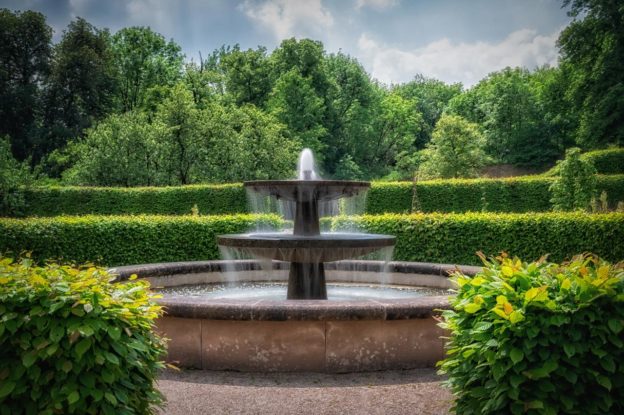
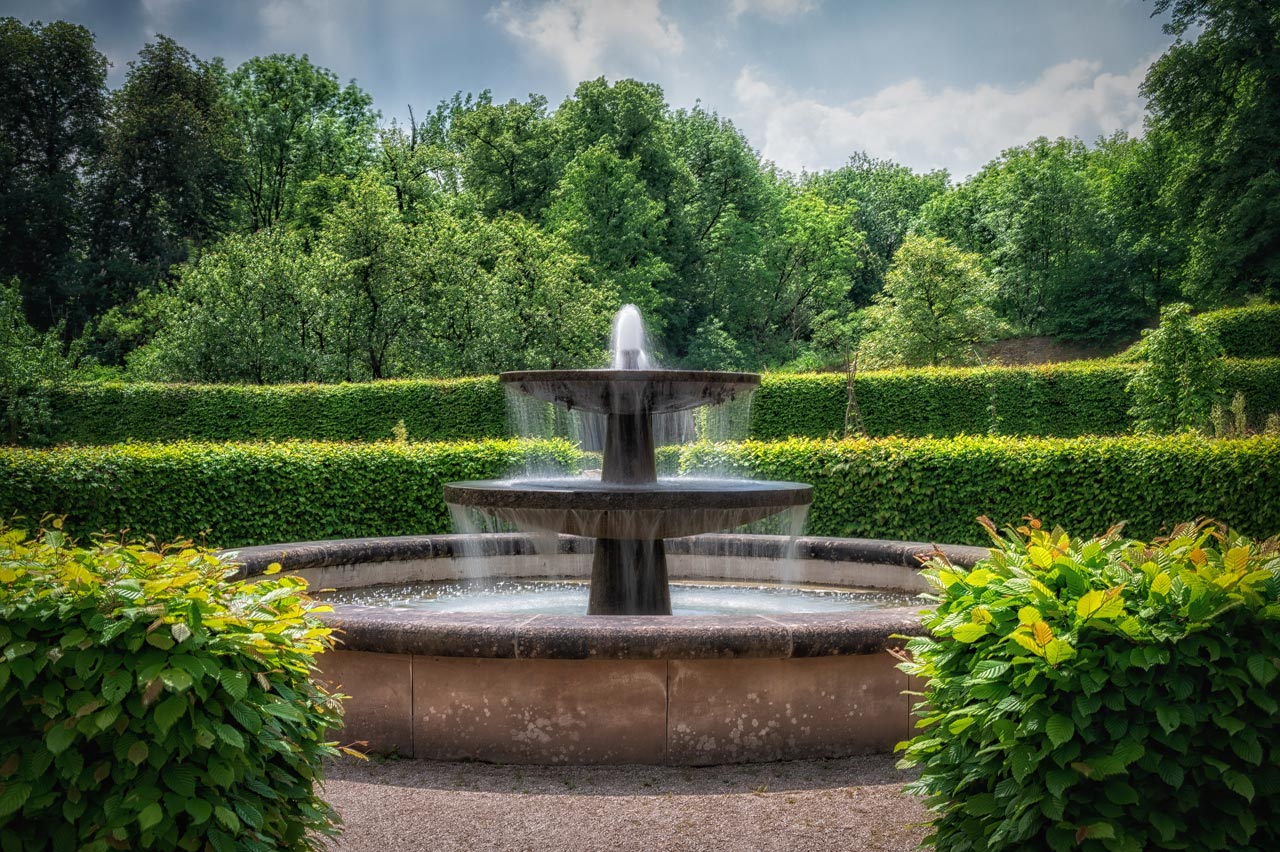
Easy Tips On How to Repair Your Cracked Garden Fountain Outdoor Water Fountain Repair: Easy Tips for Cracked Fountains

Easy Tips On How to Repair Your Cracked Garden Fountain

A cracked fountain in your outdoor living area turns a focal point into an eyesore. Water seeps out, the basin loses pressure, and over time the surrounding stonework or planting beds suffer too. Most of these problems can be addressed with the right materials and a methodical approach. Outdoor water fountain repair is a manageable project for many homeowners, especially when the damage is caught early and the right repair products are matched to the fountain material. For situations beyond a basic patch, our outdoor water fountain repair service handles the diagnostic work and the structural fixes that DIY methods can’t reach.

What follows is a complete walkthrough of how to inspect, plan, and execute repairs on cracked or chipped water features. We cover the materials you’ll need, the steps for sealing hairline and wide cracks, how to repair broken pieces and chips on concrete water fountain models, the resin-and-fiberglass method for resin fountains, and how to renew worn waterproof sealant. We also flag the common mistakes that turn a quick fix into a redo, and we close with the warning signs that mean it’s time to bring in a professional. For homeowners dealing with active water loss, our guide on diagnosing and fixing leaking ponds and fountains is a useful companion read.


Key Takeaways

  • Outdoor water fountain repair starts with correctly identifying the damage type, since hairline cracks, wide cracks, broken chips, and worn sealant each require different repair methods and materials.
  • A proper fountain repair kit includes clear silicone, two-part epoxy, fiberglass cloth, quick-drying concrete, and an outdoor-rated water fountain crack sealer for the full range of common repairs.
  • Concrete water fountain repairs use quick-drying cement patches, while resin fountain repair calls for resin and fiberglass cloth applied in thin, smooth layers to prevent water seepage.
  • Skipping the curing time, mismeasuring materials, or reapplying sealant before clearing existing cracks are the three most common mistakes that send DIY fountain repairs back to square one.
  • Knowing when to handle the repair yourself and when to call Orange County Pond Services protects your investment, especially for structural damage, repeated leaks, or repairs on aged concrete water fountain bowls.

Outdoor Water Fountain Repair Starts with Identifying the Damage

Before mixing any sealant or epoxy, take time to assess what you’re working with. The repair method depends on the fountain material, the type of damage, and where the damage is located. Skip this step and you risk applying the wrong product, which means doing the job twice.

Empty the fountain and let the surface dry for at least 24 hours. Cracks that aren’t visible while the fountain is wet often appear as white mineral lines once dry, since calcium-rich water leaves deposits along leak paths. Inspect every face, paying close attention to the basin floor, the rim, and any joints between the bowl and pedestal. Run your fingers across the surface to feel for hairline cracks.

Damage falls into four broad categories:

  • Hairline cracks. Thin, surface-level cracks usually caused by temperature swings, settling, or age. Often repairable with silicone or a thin epoxy fill.
  • Wide cracks. Cracks larger than 1/8 inch, sometimes running through the basin wall. These need a structural repair using epoxy mortar, fiberglass cloth, or concrete patching compound.
  • Chipped or broken pieces. Sections that have flaked off or fully separated. Repaired by bonding the piece back with epoxy, or rebuilding the missing area with patching material.
  • Worn or failed waterproof sealant. A surface that no longer beads water, often accompanied by darkened patches where moisture has soaked in. Repaired by stripping old sealant and applying a fresh coat.

Once you know what category you’re working with, the materials and steps fall into place. For homeowners with a fountain that is part of a larger pond installation, our outdoor water fountains design and service page explains how repairs interact with the broader water feature design.

Outdoor Water Fountain Repair Tools and Materials You Need

Having the right materials on hand prevents the frustrating mid-project trip to the hardware store. The exact list depends on which damage type you found in the assessment phase, but a complete fountain repair kit covers most situations.

For sealing cracks, you’ll need:

  • Clear outdoor-rated silicone caulk for hairline cracks on stone, ceramic, and resin surfaces
  • Two-part epoxy rated for wet environments, used to bond chips and fill medium cracks
  • Quick-drying concrete patching compound for cement and concrete water fountain repairs
  • Resin repair kit with fiberglass cloth for resin fountain repair on cracks of any size
  • Water fountain crack sealer designed for outdoor water features, which doubles as a finishing coat after structural repairs

For preparation and finishing:

  • Wire brush and sandpaper (100 grit through 220 grit)
  • Putty knife or trowel sized for the patch area
  • Clean rags and a bucket for rinsing
  • Painter’s tape for masking
  • Acetone or denatured alcohol for cleaning surfaces
  • Outdoor-rated paint or stain to match the fountain finish

Keep a small bucket of clean water nearby for rinsing tools, and disposable gloves for handling epoxy and resin. If the repair involves any pump work, set the pump aside in a safe spot before starting on the surface so the unit doesn’t get splashed with sealant or sanding dust.

How to Seal a Crack in a Water Fountain

A crack or leak left untreated wastes water, damages the surrounding hardscape, and eventually compromises structural integrity. Sealing the crack early is far cheaper than rebuilding the basin.

The first step is locating the leak. Fill the fountain to its normal level, then mark the water line with tape on the inside of the basin. Let it sit without the pump running for two to three days, checking the water level daily. Where the water stops dropping tells you where the crack sits. If the water keeps dropping all the way down, the leak is in the basin floor or a pump fitting. For more detail on this method, our post on how to repair a leaking garden fountain like a pro walks through the diagnostic steps.

Once you’ve located the crack, follow these steps:

  1. Drain the fountain completely and dry the surface with clean rags.
  2. Use a wire brush to clean loose debris from inside the crack.
  3. Wipe the crack and surrounding area with acetone or denatured alcohol.
  4. For hairline cracks: apply clear silicone caulk along the crack, smoothing it with a wet fingertip or plastic spreader. Cure 24 hours before refilling.
  5. For wider cracks on stone or resin: apply a thin layer of two-part epoxy, press it into the crack, and feather the edges. Cure 6 to 12 hours.
  6. For cracks larger than 1/4 inch on concrete: use a quick-drying concrete patching compound, troweled in firmly and smoothed flush.
  7. After the structural repair has cured, apply a coat of water fountain crack sealer over the area as a finishing layer.

Refilling too soon is the most common cause of failed crack repairs. Sealants need their full cure time, sometimes up to 72 hours, before water exposure. For larger or more complex leaks, our team has documented 8 effective ways to address a leak in a water fountain that go beyond surface-level patching.

Repairing Broken Pieces and Chips on Concrete and Stone Fountains

Pieces that have chipped off or broken away need to be bonded back rather than just sealed over. Two-part epoxy is the right product. It cures hard, bonds to concrete, stone, ceramic, and resin, and stands up to constant water exposure.

To reattach a broken piece:

  1. Clean both bonding surfaces with acetone.
  2. Test-fit the piece to confirm alignment before mixing epoxy.
  3. Mix the two epoxy components per the package directions, usually equal parts by volume.
  4. Apply a thin layer to both surfaces.
  5. Press the piece into place and hold for the time specified, usually 1 to 5 minutes.
  6. Tape it in position if you can’t hold it steady, and let it cure undisturbed for 12 to 24 hours.
  7. Once cured, fill any visible seam with a thin epoxy bead or color-matched patching compound.

For chips and missing chunks where you don’t have the original piece, use concrete patching compound on cement fountains and a sculpting epoxy on stone or resin fountains. Build the missing area in thin layers rather than one thick application, since thick layers tend to crack as they cure. Use a damp finger or small trowel to shape the surface to match the surrounding texture before the material sets.

Most concrete repairs benefit from a final coat of paint or stain to blend the patch into the rest of the fountain. Use outdoor-rated, masonry-friendly products, and apply only after the patch has fully cured. While the basin is drained, this is also a good time to check the pump for clogs or worn seals. Our garden fountain construction and maintenance page covers the related upkeep that pairs well with structural repairs.

Resin Fountain Repair Using Fiberglass and Resin

Resin fountains crack differently from concrete. The material is lighter, slightly flexible, and can develop stress cracks at corners, around the pump housing, or where the basin meets the pedestal. The good news is that resin responds well to a fiberglass-and-resin repair, which produces a strong, watertight bond that often outlasts the surrounding material.

The process for resin fountain repair:

  1. Drain the fountain and let the affected area dry completely. Resin and fiberglass won’t bond to a damp surface.
  2. Sand the area with 100 grit sandpaper, extending about 1 inch past the crack on each side.
  3. Wipe away dust with a clean rag and acetone.
  4. Cut a piece of fiberglass cloth large enough to cover the crack with at least 1/2 inch of overlap on every side.
  5. Mix the resin per the kit instructions. Most kits have a working time of 5 to 15 minutes.
  6. Brush a thin layer of resin onto the surface, lay the fiberglass cloth over it, then saturate the cloth with another resin layer until it goes translucent.
  7. Smooth out air bubbles with a small roller or putty knife.
  8. Let the patch cure for 24 hours before sanding lightly to feather the edges.
  9. Apply a finishing layer of resin or compatible water sealer over the patch.

Resin patches can be painted to match the surrounding fountain color once fully cured. The resin fountain repair method works for hairline cracks, wider stress cracks, and even small holes where a piece has gone missing. For deeper cracks, you may need two layers of fiberglass cloth applied with a second resin coat between them. If the damage is on a fountain that’s part of an integrated water system with a connected pond or filtration loop, the cracking may point to a deeper structural issue worth diagnosing.

Renewing Old Waterproof Sealant on Stone Fountains

Stone fountains often come with a factory-applied waterproof sealant that wears off over the years. Once it’s gone, water soaks into the porous stone, accelerates freeze-thaw damage, and creates conditions for new cracks to form. Renewing the sealant protects everything you’ve already repaired.

The renewal process:

  1. Patch any existing cracks first using the methods above. Sealant cannot fix a crack on its own.
  2. Drain the fountain and let it dry for 48 hours.
  3. Clean the entire surface with a stiff brush and mild detergent. Rinse thoroughly.
  4. Strip any flaking sealant with a wire brush or chemical stripper rated for the stone type.
  5. Apply a masonry-grade waterproofing sealer with a brush or roller, working in thin, even coats.
  6. Let each coat cure per the manufacturer’s directions, usually 4 to 12 hours.
  7. Apply a second coat if recommended, and let the final coat cure for at least 24 hours before refilling.

Choose a sealer rated specifically for water features. Generic concrete sealers may work in dry environments but often fail under constant water exposure. The product label should mention pond, fountain, or potable water safety. Pairing a sealant renewal with a regular pond and fountain maintenance schedule keeps small surface issues from becoming structural problems.

Common Mistakes to Avoid During Outdoor Water Fountain Repair

Most failed fountain repairs come from a small number of avoidable mistakes. Knowing what they look like before you start saves time and material costs.

Mistake What Goes Wrong How to Avoid It
Refilling too soon Sealant doesn’t fully cure, water seeps through, repair fails Follow the cure time on the package; add 24 hours of buffer for outdoor conditions
Mismeasuring materials Wrong epoxy or resin ratios cause the patch to stay tacky or set unevenly Use the included measuring cups or a kitchen scale; mix in small batches
Skipping surface prep Resin and epoxy don’t bond well to dirty, damp, or smooth surfaces Clean with acetone, sand rough, dry for 24+ hours before applying
Sealant over active cracks Sealant covers but doesn’t fix the leak path; cracks reopen Repair structural damage first, then apply sealant as the finishing layer
Patching in cold weather Most epoxies and concrete patches need 50°F+ to cure properly Schedule for mild, dry days; check the temperature range on the product
Building patches too thick Thick layers crack as they cure, especially with concrete Apply in thin layers, letting each one cure before adding the next


The pump issue deserves extra attention. If your fountain has been losing water faster than usual, the pump may be part of the problem. Our guide on how to repair outdoor water fountain pumps the professional way explains how to diagnose pump-related water loss separately from basin cracks.

When to Call Orange County Pond Services for Professional Repair

DIY fountain repair handles plenty of common problems, but some situations call for trained pond technicians. Signs that a repair has moved beyond the DIY range:

  • Cracks longer than 12 inches or running through the basin floor
  • Repeated cracks in the same spot after a previous repair
  • Structural movement, such as a pedestal that wobbles or a basin that has shifted
  • Heavy mineral deposits hiding the actual extent of the damage
  • Water loss that continues after a sealant repair
  • Damage on aged concrete fountains where the surface crumbles when touched
  • Decorative or historic fountains where matching the original finish matters

Orange County Pond Services has been handling outdoor water fountain repair across Orange County since 2001. With more than 25 years of hands-on experience on cement, stone, ceramic, and resin fountains, our team brings the diagnostic tools and structural repair experience that go beyond a hardware store kit. We handle leak detection, structural reinforcement, sealant renewal, and full fountain components replacement when existing parts have reached the end of their service life. Our quality fountain service also includes pond cleaning and ongoing fountain maintenance.

Trust our specialists with the work that goes beyond a quick patch. Call 949-653-2305 or contact us online for a free quote. Whether your fountain anchors your outdoor living area or sits as a smaller backyard piece, we’ll get it back in working condition.

Frequently Asked Questions

Q1. How long does an outdoor water fountain repair take from start to finish?

A. Surface-level repairs like sealing a hairline crack or bonding a small chip take 30 to 60 minutes of active work plus 24 to 72 hours of cure time before refilling. Wider cracks or fiberglass-and-resin repairs need closer to two hours of active work and a full 48-hour cure. Sealant renewal on a full basin usually takes a weekend, since each coat needs its own cure time. Plan repairs for stretches of dry weather so cure schedules aren’t disrupted.

Q2. What materials work for cracked concrete water fountain repair?

A.  Quick-drying concrete patching compound is the primary material, paired with a wire brush for prep and a trowel for application. Two-part epoxy works for bonding broken chips back in place. After the structural repair cures, an outdoor-rated water fountain crack sealer or masonry waterproofer goes over the patch as the finishing layer. Avoid generic interior caulks or all-purpose adhesives, since these don’t hold up to constant water exposure.

Q3. When should I replace a fountain instead of repairing it?

A.  Replacement makes more sense than repair when the fountain has multiple structural cracks, when the surface crumbles under light pressure, when previous repairs have failed in the same spot, or when both pump and basin need significant work. Aged concrete water fountain models with more than 15 years outdoors often reach a point where repairs become a recurring expense. A professional inspection can confirm whether your specific fountain is repairable. For decorative or historic pieces, restoration is usually the better path.

Q4. Can outdoor water fountain repair be done in cold weather?

A. Most repair products need a minimum surface temperature of 50°F to cure properly, with some epoxies needing 60°F or warmer. Cold-weather repairs are possible but usually require a small heated enclosure plus extended cure times. The simpler approach is to schedule outdoor pond repair and fountain repair during mild, dry stretches, typically spring or fall in Orange County. If the fountain is leaking heavily, a temporary tarp cover can hold things over until conditions improve.

Q5. How can I prevent future cracks in my fountain?\

A. Prevention comes down to four habits: drain the fountain before any forecasted freeze, address small cracks immediately, renew the waterproof sealant every two to three years, and keep the pump clean so pressure stays consistent. Avoid harsh cleaners that degrade the surface, and clear leaves and debris regularly to prevent water from pooling against the rim. A regular fountain maintenance schedule catches early signs of wear before they turn into structural cracks. For homeowners who’d rather hand off the upkeep, a maintenance plan from a quality fountain service is the simplest way to extend the fountain’s lifespan.

Why Does My Fountain Keep Losing Water? A Step-By-Step How to Find Leaks on Your Water Features Why Does My Fountain Keep Losing Water? A Step-By-Step How to Find Leaks on Your Water Features

Why Does My Fountain Keep Losing Water? A Step-By-Step How to Find Leaks on Your Water FeaturesAn outdoor water fountain not only adds aesthetic value to your home, garden, or business but also improves curb appeal. While it is a beautiful water feature to have in your exterior space, it can also be aggravating when it begins to leak, requiring the help of professional water fountain repair services.

A variety of factors could cause your fountain’s leaking problem, and the water loss could be the result of a slew of minor issues. Fortunately, many of the problems are simple to resolve, and you may be able to fix them yourself or call upon the help of specialized water fountain repair for quick assistance.

In this article, we will teach you about the various ways your fountain can lose water and what you should be aware of. Keep reading to learn more and discover how a professional fountain repair in Orange County can help.

Step-by-Step Guide for Finding Leaks in Your Water Features

Here is a quick step by step guide to help you find leaks in your water feature:

Step 1: Record Water Loss

The first step in detecting a leak is to record how much water your feature is losing over a specific time period.

To begin, turn off any type of autofill or fill valve in your fountain that adds water to it and record the amount of water lost while your feature is operational.

Step 2: Check for Edge Leaks

Examine the soil around the edges of your water feature for damp or wet spots. This berm will need to be reworked if water is running or leeching over the liner. The extra liner should be buried in the soil to rebuild the edge high enough to keep water out.

Step 3: Check for Punctures or Holes in Liners

Run a temporary pipe from your water pump to your stream’s first waterfall or shelf to isolate the leak. Allow at least 24 hours for the water to flow normally through your temporary line.

If there is no evidence of water loss, you can safely conclude that the bottom shelf or waterfall is not leaking.

Step 5: Check for Leaks

If you’ve tested every area of your water fountain and still see significant water loss, your feature most likely has a leak.

Because plumbing lines are typically buried several inches underground, you may not notice any wet areas on the surface. When you’ve found the leak, cut out the damaged section of the pipe and replace it.

The Preferred Fountain and Pond Repair Provider in Orange County

We understand that losing water in your pond is inconvenient. However, if you keep an eye out for potential leaks in your water feature, you could prevent significant leaks from happening before they occur.

But if you find yourself thinking about where to find a fountain repair near me with a comprehensive line of the most recent custom–made filtration and pump equipment, and installation and upgrades, we specialize in all aspects of pond cleaning, pond construction, and pond installation services.

Whether you have a leak that needs repair or routine maintenance to be completed, our leak repair and leak detection specialists have all the tools and equipment required to meet any of your fountain and pond repair needs.

To learn more about our fountain and pond repair services and how they can benefit you, contact our team at Orange County Pond and Fountain Services, Inc. today!