Category Archives: Blog

How to Repair Outdoor Water Fountain Pumps the Professional Way? How to Repair Outdoor Water Fountain Pumps the Professional Way?

How to Repair Outdoor Water Fountain Pumps the Professional Way?Including an outdoor water fountain in your exterior space is an excellent way to create a relaxing environment. But, once you’ve installed your water fountain, how do you keep it in good condition without the help of Orange County fountain repair services?

Below, we will discuss how you can maintain and repair your outdoor water fountain like a professional and provide you with a few considerations you should be aware of in order to properly care for it in the future without calling a fountain repair company.

However, in a more complex repair, you’ll need the help of an experienced and trusted water fountain repair service, which you can search for online.

How to Professionally Repair Your Outdoor Water Fountain

Here are some quick and easy ways to fix your outdoor water fountain like a professional:

Get Rid of Grime

The surface of the fountain is eroded by dirt and debris. Once a month, drain gritty water and wipe down the interior with a soft cloth or sponge. 

Fight Buildup

When you refill the water supply, add a clarifier to prevent algae growth and a scale and stain remover, following the dosage instructions on the label. If you notice persistent algae or scale, double the average amount.

Don’t Let it Run Dry

If the water level is too low, your pump may overheat, so keep an eye on it, especially if you’ve had a string of hot, dry days.

Add Vinegar

Some people may be put off by the idea of putting vinegar in an indoor water fountain because they believe it will leave an unpleasant odor.

Although vinegar has a slightly pungent odor, it is antibacterial, antiviral, and antiseptic—and it kills germs on contact. Most importantly, it is all-natural and does not rely on the use of harsh chemicals.

Use Chlorine Only When Necessary

Water fountain pumps aren’t designed to work with concentrated levels of chlorine, but if an algae bloom persists, add a quarter of a cup of chlorine bleach for every five gallons of water and run the pump overnight to disinfect the entire system.

Regularly Clean the Pump

Even if you throw some vinegar into your indoor water feature on occasion, you should still get into the habit of cleaning the water pump regularly.

It’s not uncommon for a layer of grime to form on the pump after months or years of use, but thankfully, this is a simple problem to solve by cleaning the pump. Turn off the fountain and clean the pump and associated parts.

Contact Orange County Pond Services for Expert Fountain and Pond Repair

Maintaining your water features is a relatively simple process that does not necessitate a significant time investment. While it’s not uncommon to notice occasional maintenance issues.

It’s critical that you get into the habit of cleaning your water feature on a regular basis, preventing a trip to a water fountain repair near me, but if you find yourself in situations that need help from professionals, look no further than Orange County Pond and Fountain Services, Inc.

We have been repairing all makes and models of ponds and fountain pumps, pressure filters, and related equipment for over 25 years. You can trust our dependable pond cleaning professionals to keep your pond looking clean and beautiful—while also ensuring an aquatic environment in which all of your fish and plants can grow and thrive for years to come.

Get a free quote and consultation with one of our fountain and pond repair experts today. Allow our water pond designs team to assist you. Contact us at Orange County Pond and Fountain Services, Inc. today!

fountain repair Orange County Why Does My Water Feature Keep Running Out of Water? 3 Causes and Fixes You Should Know About

fountain repair Orange CountyDecreasing pond water levels is a common issue that many water feature owners face, and it can be quite concerning—which leads them to look for fountain repair near me online. There are several possible explanations for why your water feature continuously runs out of water, and while prolonged drought can reduce water availability, it is only one of several factors to consider.

It’s not uncommon for water features to lose their water retention. In this article, we’ll look at a few of the reasons why your water feature is losing its water, as well as some potential solutions that water fountain repair can use to assist you. If you’re ready to learn more, continue reading below.

3 Causes for Water Feature Water Loss

Here are some of the most common reasons why your water feature could be losing water that you should be aware of to avoid problems or excessive maintenance in the future:

Leaks and Cracks

When you first determine that your fountain is losing water, you probably assumed it was due to cracks or leaks. Don’t worry, as there are numerous other causes of water loss, and not all cracks penetrate deep into the fountain’s foundation.

If you suspect your fountain has a crack, turn it off and leave it alone for twenty-four hours. If the water level has dropped more than an inch after a day, you have a leak.

Overspray

While the whole point of a fountain is to watch the water gush out of a beautiful piece of stonework, it’s important to keep in mind that the fountain may be flinging the liquid out too far. Overspray occurs when a fountain sprays water beyond the reach of its pool.

Another type of overspray is when a fountain shoots water straight up, but when it hits the surface again, it creates a splash, which causes water to exit the fountain.

Water Flow Issues

Water fountains need water continuously pumping through them to elegantly spray water out. However, that means that there could be an issue with your water pump. Luckily, the solution is relatively simple.

If your fountain is leaking, but you can’t find the crack, check the pump and tube. They might be attached incorrectly, or they could be defective. If they’re all attached fine, there might be a hole in the tube with no water coming out of the seam edges.

Request a Free Estimate with an Orange County Pond Service Today

As you can see, all of the aforementioned factors can contribute to water loss in your water feature. While water loss isn’t catastrophic, as a water feature owner, it is something that will most likely occur to you at some point.

Since our inception, we have been providing Orange County customers with professional fountain and pond repair services, saving them thousands of dollars in unnecessary expenses as a result.

With over 25 years of experience in fountain and pond maintenance, our team of specialists can help you create the ideal water quality environment and provide professional care for your water feature or fountain and fish and plants alike.

Request a free quote from one of our fountain repair Orange County experts to learn more about how we can help you. Contact us at Orange County Pond and Fountain Services, Inc. today!

Why Does My Fountain Keep Losing Water? A Step-By-Step How to Find Leaks on Your Water Features Why Does My Fountain Keep Losing Water? A Step-By-Step How to Find Leaks on Your Water Features

Why Does My Fountain Keep Losing Water? A Step-By-Step How to Find Leaks on Your Water FeaturesAn outdoor water fountain not only adds aesthetic value to your home, garden, or business but also improves curb appeal. While it is a beautiful water feature to have in your exterior space, it can also be aggravating when it begins to leak, requiring the help of professional water fountain repair services.

A variety of factors could cause your fountain’s leaking problem, and the water loss could be the result of a slew of minor issues. Fortunately, many of the problems are simple to resolve, and you may be able to fix them yourself or call upon the help of specialized water fountain repair for quick assistance.

In this article, we will teach you about the various ways your fountain can lose water and what you should be aware of. Keep reading to learn more and discover how a professional fountain repair in Orange County can help.

Step-by-Step Guide for Finding Leaks in Your Water Features

Here is a quick step by step guide to help you find leaks in your water feature:

Step 1: Record Water Loss

The first step in detecting a leak is to record how much water your feature is losing over a specific time period.

To begin, turn off any type of autofill or fill valve in your fountain that adds water to it and record the amount of water lost while your feature is operational.

Step 2: Check for Edge Leaks

Examine the soil around the edges of your water feature for damp or wet spots. This berm will need to be reworked if water is running or leeching over the liner. The extra liner should be buried in the soil to rebuild the edge high enough to keep water out.

Step 3: Check for Punctures or Holes in Liners

Run a temporary pipe from your water pump to your stream’s first waterfall or shelf to isolate the leak. Allow at least 24 hours for the water to flow normally through your temporary line.

If there is no evidence of water loss, you can safely conclude that the bottom shelf or waterfall is not leaking.

Step 5: Check for Leaks

If you’ve tested every area of your water fountain and still see significant water loss, your feature most likely has a leak.

Because plumbing lines are typically buried several inches underground, you may not notice any wet areas on the surface. When you’ve found the leak, cut out the damaged section of the pipe and replace it.

The Preferred Fountain and Pond Repair Provider in Orange County

We understand that losing water in your pond is inconvenient. However, if you keep an eye out for potential leaks in your water feature, you could prevent significant leaks from happening before they occur.

But if you find yourself thinking about where to find a fountain repair near me with a comprehensive line of the most recent custom–made filtration and pump equipment, and installation and upgrades, we specialize in all aspects of pond cleaning, pond construction, and pond installation services.

Whether you have a leak that needs repair or routine maintenance to be completed, our leak repair and leak detection specialists have all the tools and equipment required to meet any of your fountain and pond repair needs.

To learn more about our fountain and pond repair services and how they can benefit you, contact our team at Orange County Pond and Fountain Services, Inc. today!

The Ultimate Water Feature Guide: How Often Do Fountains Need to be Cleaned to Keep them in Pristine Condition? The Ultimate Water Feature Guide: How Often Do Fountains Need to be Cleaned to Keep them in Pristine Condition?

The Ultimate Water Feature Guide: How Often Do Fountains Need to be Cleaned to Keep them in Pristine Condition?

Outdoor water fountains are beautiful works of art that can be used to spruce up any size of exterior space. However, regular maintenance and water fountain repair are required to keep your fountain in good working order.

While it may seem arduous, your water fountain can quickly become a burden if proper care is not taken, leaving you with questions like, “Where can I find a trusted fountain repair near me?”

Water features, like everything else, require maintenance to avoid fountain and pond repair, but the question you may have is how much maintenance. Below, we will discuss how frequently you should be cleaning your water fountain and which components to pay close attention to.

Continue reading below to learn more and discover how an experienced Orange County pond service can keep your water fountain in a tip-top state.

The Best Ways to Clean a Water Fountain

Like all major decorative accessories, outdoor water features require some maintenance on a regular basis to keep them in pristine condition.

Cleaning your pump is an essential part of your fountain cleaning strategy. The pump functions as the fountain’s heart but is prone to algae and debris buildup.

For your outdoor water feature, make sure to regularly remove debris, dead leaves, and other contaminants from the water to keep the pump from becoming clogged. Remove your pump from your water fountain with care and disassemble the pump according to the manufacturer’s instructions in a well-lit area.

Make sure you don’t use any chemicals listed as approved by the manufacturer and rinse your pump thoroughly to remove any soap.

If you use a pump for your water feature, the water will almost certainly be re-circulated, but it will, however, be prone to evaporation. As the water level drops, the pump has to work harder, resulting in faster wear.

As a result, during the summer or in hot and dry climates, you should fill the water feature once a week, but don’t fill your water feature with too much water, as this will make it noisy and cause the water to splash around.

It goes without saying that an indoor water feature is more sanitary than an outdoor one. It is not attracted to dirt, debris, dead leaves, or twigs. Whether you have an indoor or outdoor water feature, you must clean it on a regular basis to remove scale, dirt, rust, and other dirt and debris buildup.

Learn More About Our Fountain and Pond Repair Services

A water feature is an excellent addition to any garden, home, or workplace and creates a soothing and calm atmosphere for all visitors to enjoy.

While it may not seem difficult to maintain your water feature if you do it on a regular basis, routine care is vital to ensure your water feature is working as expected.

Are you looking for a highly-rated fountain repair? Orange County homeowners can rely on us.

Since 2001, we have proudly served the Orange County area with professional fountain and pond repair services. Whether you’re looking for fountain maintenance, garden fountain repair, or general pond repairs, our team of specialists can provide you with the highest quality design and installation services for all of your water feature needs.

For a free quote and to learn more about how we can assist you with your next fountain and pond repair, contact us at Orange County Pond and Fountain Services, Inc. today!

How to Repair a Leaking Garden Fountain Like a Pro Your Guide to Pro-Level Fountain Leak Repair

How to Repair a Leaking Garden Fountain Like a Pro

Key Takeaways

  1. Professional fountain leak repair starts with identifying your water feature material, concrete fountains require different approaches than metal or resin structures.
  2. Common issues include water fountain leaking from bottom due to worn seals, while porous materials in older water fountains often develop cracks.
  3. Understanding how to fix a leaking fountain involves checking water flow patterns, tightening connections, and applying waterproof paint or concrete leak sealer.
  4. Water fountain leak repair success depends on proper diagnosis like examining pumps, filters, and all connection points in leaky fountains.
  5. Learning how to seal a leaking water fountain properly using appropriate repair material prevents recurring issues in cracked and broken fountain structures.

Fountains are often a symbol of power and peace. They can also represent prosperity and growth, particularly when it comes to spirituality, which many people find inspirational. A garden fountain creates a peaceful environment in any garden and is an active source of inspiration for artists, writers, and poets.

Leaking, dripping, and generally messy fountains are all far too common. Next time your garden fountain backs up, clogs, or starts to leak, don’t panic. With a few tips and tricks in your pocket, you won’t need to suffer another ugly fountain leak again. Professional fountain leak repair services can restore these peaceful water features to their original beauty.

Water Fountain Leak Repair

While it’s relatively easy to put together a garden fountain, sooner or later, you are bound to experience a leak. Most garden fountains are made up of several preformed, concrete tiers, and a visual inspection of the fountain should tell you that pretty quickly.

If you discover a water fountain leaking from bottom sections, immediate action prevents further damage. Proper water fountain leak repair techniques can save your investment.

  • Locating the leak in your garden fountain is determining what material your fountain is made up of. Garden fountains are usually composed of several preformed concrete tiers. These tiers are supported by a series of PVC pipes and molded into either a square or round platform.
  • Check all the connections under the fountain. Ensure they are tight, and then look around at the fountain base for wet spots or puddles. If you find any, tighten those connections as well. Check all connections on or under the ground near your fountain because these are common places for leaks.
  • Inspect hoses and check for kinks, cracks, or holes in hoses that lead to leaks in your garden fountain.
  • Locate and test joints between pipes where a leak could occur in your garden fountain.
  • Look for cracks in the fountain container. For cement fountain repair, identify hairline cracks early before they expand.
  • Listen for the source of the sound of running water and listen for dripping sounds.
  • Wipe the underside of your feature and observe. If you don’t see anything there, use a flashlight or ultraviolet light to scan the sides of the fountain for signs of leaks.
  • Another thing you can do is use a hose connected to a pressure gauge and run it through any openings in the fountain while looking for increased pressure that indicates a leak somewhere inside.

How to Fix a Leaking Fountain

Fixing your fountain will be a lot easier if you take it apart first. If your fountain is made of multiple pieces, you should start by taking everything apart. The leak is likely results from how the parts are assembled or held together.

Understanding how to fix leaking concrete fountain structures requires identifying whether the issue stems from assembly or material deterioration. Learning how to fix a leaking fountain properly saves time and money.

You need to check the pump. If the pump is working, then you need to check the filter. If it has lots of particles in it, you will need to clean it, otherwise, it will clog up and stop water from flowing through it.

Your fountain may have started leaking because of wear and tear on the materials from years of use. If so, you can seal cracks with a concrete sealer or with waterproof caulk and re-plaster minor chips with plaster. Knowing how to seal a leaking water fountain properly ensures long-lasting repairs that prevent recurring issues.

Fixing these faults is usually easy enough that anyone can do it. But if you’re not sure, it’s best to leave this job for someone with experience in plumbing repairs. Professional services can effectively fix leaking water fountain problems that DIY attempts might worsen.

But why do you need to hire a professional? Simply because fixing leaks in fountains can be a very tricky and dangerous job to tackle without proper training and experience. You see, these parts are made of thin copper tubing or thin brass tubes that can get corroded over time, so when you’re trying to replace them, you should be careful not to break the tube or worse – not to injure yourself on it by accident.

Learning how to seal a leaking fountain requires understanding both the materials involved and proper safety procedures. Also, if you don’t know what you’re looking at, it might become impossible to locate the exact source of the water leak.

Call Us Today for Professional Outdoor Fountain Repair

Your yard decorations and garden fountains are more than just simplistic décor. They help create a calming environment in your yard, which is why we at Orange County Pond and Fountain Services take pride in helping you when it comes to any maintenance issues.

We specialize in repairing leaking fountain issues but are also happy to replace broken parts or fix a cracked bowl. Our outdoor fountain repair expertise ensures lasting solutions for all types of water features. Call us today at 949-653-2305.

Frequently Asked Questions

Q1. What repair materials work best for outdoor fountain leaks?

Concrete leak sealer works excellently for concrete structures, while rubber cork fills small holes effectively. Choose materials based on your fountain type, porous surfaces need penetrating sealers while smooth surfaces respond better to surface coatings.

Q2. How can I prevent water features from developing future leaks?

Regular maintenance prevents most issues. Apply waterproof paint annually, check connections monthly, and winterize properly. Clean debris that blocks water flow and inspect for early signs of wear before major problems develop in your system.

Q3. When should I hire professionals versus DIY fountain repair?

Simple seal replacements and minor cracks are DIY-friendly projects. However, structural damage, electrical issues, or persistent leaks after attempted repairs warrant professional help. Experts have specialized tools and experience for complex water fountain restoration projects.

Q4. What causes water fountains to leak most frequently?

Age-related wear, freeze-thaw cycles, and improper installation cause most leaks. Pump seal failures, cracked basins, and loose fittings also contribute. Regular inspection helps catch these issues early before extensive damage occurs to your fountain system.

Q5. Can all cracked and broken fountain components be repaired?

Most cracks under 1/4 inch can be sealed effectively. Larger structural damage may require part replacement. The fountain material determines repair viability of concrete patches well, while severely damaged resin or fiberglass sections often need complete replacement.

8 Effective Ways on Addressing a Leak in a Water Fountain 8 Effective Ways on Addressing a Leak in a Water Fountain

8 Effective Ways on Addressing a Leak in a Water Fountain

Fountains are used for aesthetic and practical purposes since ancient times. Many homes and business establishments in Orange County are using water fountains to add a splash of class and beauty to their premises.

However, people often neglect the importance of maintaining their fountains properly. Leaky fountains affect the beauty of a water fountain but also can cause damage to the flooring or can be dangerous to the children playing around it.

Common Causes of Water Leaks and How to Fix Them

If you notice signs of water leaks, this guide will show you how to find these leaks and fix them promptly.

Leaks and Cracks

Most water fountains have a few common issues that cause leaks and drips. Replacing or repairing your fountain is easy and can be done in 3 easy steps: shut off the water source, remove the pump, and patch the cracks or holes. With the ideal materials and at the end of a few hours, your fountain will be ready for use.

Water Flow Issues

Over time, various fountain elements can wear out or become damaged. This can cause the water flow to lessen, leak, or in some cases, stop flowing entirely. This made be resolved by removing the deposits and unblocking the flow of water. There are two steps that you can take to resolve this issue.

Overspray

One of the biggest problems people have when maintaining a water fountain is keeping the water from spouting out of range of its pool. When this occurs, it’s known as overspray.

To fix an overspray issue, you’ll want to make sure the height of the water in the basin is appropriate. In most cases, overspray can be easily fixed by removing the debris from the pool or repositioning the fountain nozzle. You may need to add more water or less depending on how the fountain works with its environment.

Plant Life

Cut back the overgrown greenery around your garden water fountain today. Your plants need water just like everything else, so once they start growing up around your fountain, you should trim back any excess foliage that is near the fountain’s water supply.

Discourage the leafy greens to come into contact with the fountain’s water source, or the water will start to run dry faster than it should be.

Methods to Detect Water Leaks

Tracking Your Water Bills

Using your water bill to keep track of your water usage is a time-honored, simple way of detecting leaks. Keeping a log and looking for trends in your water usage will only take a few minutes, but spotting and fixing a leak may save hundreds of dollars in wasted water.

Stethoscope Test

One way to detect water leaks in your water fountain is to use a stethoscope. Drive a stethoscope into the water flow of the fountain or tap into one of the water pipes. If there are leakages, you will hear gurgling and trickling sound in the tube. If not, then it may be that your fountain is leaking from elsewhere.

Checking the Water Meter

Checking the water meter is the best way to detect a leak. If you find that your water meter is running at rates much higher than usual, there could be a leak in your plumbing.

Check for Clues

Have you ever noticed tiny droplets of water on the ground around your fountain? Does water collect near the base of your water fountain? You may have water leaks. Look for signs of pooling water: a dry area over dirt or grass, a buildup of moss or algae on the bottom, or puddles and drips on nearby objects.

Call Us Today

When caring for your garden water fountain, proper maintenance is key to extending the lifespan and ensuring your fountain’s beauty. However, sometimes leaks can occur without warning and, this is the most common problem with outdoor water fountains.

Let us at Orange County Pond and Fountain Services help you fix these types of faults with any of your outdoor fountain needs. 

How Do I Clean My Small Fountain Pump and Remove White Scale? How Do I Clean My Small Fountain Pump and Remove White Scale?

How Do I Clean My Small Fountain Pump and Remove White Scale?Most of us are aware that hard water causes white stains on everything it touches. The main reason is that hard water has high amounts of calcium and magnesium dissolved in water.

Because these minerals dissolve readily, they don’t always leave the plumbing system when they should, rather they stay put and make matters worse. Keeping your small fountain pump clean is something most people take for granted because they assume that the moving parts inside keep it clean naturally.

However, that’s not always the case. Sometimes, even with regular maintenance like opening up the machine once a week and wiping down the metal parts inside with a cloth or a paper towel can make a big difference.

Here are the simple steps on how to clean a small fountain pump and remove white scale:

How to Clean a Fountain Pump

The pump is the first to experience buildup. Because this is where the water is flowing through, and filtered. Over time, the buildup can slow down the flow of water so that it takes longer to refill and ultimately lower your water pressure.

Firstly, turn off the water fountain.

Secondly, remove the back of the pump. This is where most fountain pumps will have a removable face. This is on one side of the pump, with some having the removable face on both sides. After removing the face from the pump, you will most likely see a propeller on one side or two.

Use a toothbrush or other type of small brush that can reach into all of the crevices in the pump to remove any sediment buildup and debris. Sometimes running hard water over the outside is enough to do the trick.

Once all of this is done, place the pump back in the fountain, and all should be working. If you can, try to run clean water through the tube to flush out the buildup. 

How to Remove White Scale

White scale is the white mineral deposits that build up on the surface of your water fountain. The porous nature of most natural stones causes a buildup of minerals from the water. This is referred to as the white scale.

These deposits can build up over time to become unsightly and potentially cause damage to objects by etching them or causing them to corrode. However, there are some ways you can prevent white scales from building up.

Here are some tips to get rid of white scale formation from a water fountain.

Turn off the water fountain and drain water through the skimmer or drain hole at the bottom of the fountain by plugging it with a garden hose.

Remove all fountain accessories such as lights or statues.

Scrub the fountain with a soft bristle brush to remove mineral deposits or other debris, paying attention to hard-to-reach areas like crevices where debris collects.

Clean all the tubing to eliminate clogs

Finally, rinse off your fountain after cleaning and then refill the feature.

Call Us Today

If you find you need a service for your small fountain pump and want to remove white scale, Orange County Pond and Fountain Services specializes in Fountain Repair.

Whether it is a clogged or dirty filter, your pump requires maintenance regularly. We have the know-how to make sure your fountain will be pumping water like new once again.

Waterscape Made Easy: Can I Put Vinegar in My Water Fountain? How to Keep Fountain Water Clean Naturally?

Waterscape Made Easy: Can I Put Vinegar in My Water Fountain?

Key Takeaways:

  1. Learn how to keep fountain water clean naturally using vinegar in fountain water as an environmentally friendly alternative to harsh chemicals, protecting both your fountain and the surrounding wildlife.
  2. Discover if vinegar will kill algae in fountain systems effectively while maintaining proper pH levels for optimal water clarity and preventing future algae growth.
  3. Understanding whether vinegar will hurt a water pump is crucial for outdoor fountain maintenance, and proper dilution ensures safe cleaning without causing any damage to the pump.
  4. Master how to clean water fountain with vinegar by using the right proportions, as typically how much vinegar to add to water fountain depends on its size and the severity of mineral buildup.
  5. Explore what can I put in my fountain to keep the water clean beyond traditional fountain cleaner products, including natural options that support regular and safe upkeep.

When managed well, a water feature can bring a sense of tranquility to your yard that you never imagined. When taking care of and maintaining water fountains, you must know what is and isn’t safe to put in them.

Fountains need to have their unique maintenance routine to run properly. Fountain water needs to be kept clean of debris, sediments, and contaminants such as leaves, dirt, twigs, etc. Regular cleaning with natural solutions helps outdoor fountains stay pristine.

Many homeowners discover that distilled white vinegar is exactly what can i put in my fountain to keep the water clean without harsh chemicals. This eco-friendly approach protects delicate fountain materials while maintaining clarity.

If you’re looking for a low-maintenance way to add interest to your water fountain, you may want to try waterscaping with vinegar. Why not, it’s completely safe and won’t harm anything. We’ll discuss how to clean water fountain with vinegar to improve its taste, prevent scale buildup and even get rid of water stains.

Will Vinegar Kill Algae in Fountain?

Algae growth in the fountain is easy to see and usual to see, especially if your fountain sits in a spot that gets hours of sunlight.

The ugly green growths are pretty simple to remove with vinegar, but before you begin the process of rinsing them out, consider some other causes for the algae growth, such as dirty tubes that need replacing or debris that needs to be cleaned out.

Understanding whether vinegar will kill algae in fountain water is crucial for proper maintenance. The acidic nature of vinegar in fountain water creates an environment where algae cannot thrive. Homeowners often wonder, can i put vinegar in my outdoor fountain safely? The answer is yes, when properly diluted with distilled water.

How Much Vinegar to Add to Water Fountain?

One of the best ways to keep your fountain clean and looking good is to use a mixture of water and vinegar. You can either buy a maintenance kit or make your cleaning solution.

Just mix one-half cup of white vinegar with one gallon of warm water, scrub all surfaces you can with the nylon scrubber. You must rinse it well with clean water, then fill the fountain.

This ratio ensures effective cleaning without damaging the water pump or fountain structure. Always rinse thoroughly to prevent residue buildup on fountain surfaces.

Will Vinegar Hurt a Water Pump?

Fountain pumps are a part of water fountains that take the place of gravity to make the water flow up to the top. Fountain pump maintenance can be tricky, but it is not that difficult once you have learned some basic knowledge about them.

Vinegar does not hurt your fountain pump! There is nothing left to worry about if you decide to use vinegar. You can remove stains and discoloration easily. The basic idea behind cleaning most water fountains is understanding the system inside and knowing how to clean a fountain properly.

Concerns about whether vinegar will hurt a water pump are unfounded when proper dilution is used. The mild acidity actually benefits pump longevity by preventing mineral deposits. This makes vinegar an ideal solution for those learning how to keep fountain water clean naturally without risking equipment damage.

What are the Other Benefits of using Vinegar?

Vinegar is a DIY wonder! Would you ever guess that white vinegar would be a unique remedy for keeping your fountain clean? There are a couple of reasons why this works so well. First, vinegar is acidic.

So when you use it to scrub the inside of your fountain, you’re removing and dissolving calcium buildup and other minerals—that’s how it removes stains. Second, white vinegar also contains acetic acid, which breaks down mineral deposits and makes the fountain shine.

Beyond its algae-fighting properties, vinegar offers multiple maintenance benefits. It prevents scale buildup and eliminates odors while being completely safe for fountain use. It’s an eco-friendly answer for maintaining crystal-clear water without environmental concerns.

Call Us Today to Learn How to Clean a Fountain

A nice fountain provides a lovely accent to any yard. It can be an oasis that attracts birds and butterflies, yet it can also cause algae problems if you’re not careful. Here at Orange County Pond and Fountain Services, our service is specially designed for your pond or water feature.

We provide a customized approach to keeping your water feature clean and smelling fresh. Whether it is with a simple vinegar treatment or high-pressure water jetting to remove the toughest algae, our services will provide you with years of enjoyment. Call us today at 949-653-2305.

Frequently Asked Questions

Q1. Can I put vinegar in my outdoor fountain without harming birds or pets?

Yes, cleaning outdoor fountains with vinegar is safe when properly diluted. This cleaning agent won’t harm wildlife that drinks from outdoor water fountains. Always rinse thoroughly after treatment to ensure no residue remains that could affect visiting animals.

Q2. What fountain algae remover works best for indoor fountains versus outdoor ones?

Indoor fountains typically need gentler cleaning methods than outdoor versions. While barley straw works outdoors, baking soda mixed with water treatment solutions suits indoor settings better. Consider water temperature and chlorinated water effects when choosing algae prevention products.

Q3. How often should I perform deep cleaning on my fountain basin?

Schedule deep cleaning quarterly, removing bird droppings and debris from the fountain head and basin. Regular maintenance between cleanings prevents excessive buildup. Check your pump system monthly to ensure proper flow and prevent clogs that require intensive cleaning efforts.

Q4. How to clean a fountain with stubborn mineral deposits?

For tough deposits, combine vinegar with gentle scrubbing of affected areas. This method safely removes buildup without damaging fountain surfaces. Rinse thoroughly afterward to restore proper water chemistry and prevent any cleaning residue from affecting fountain operation.

Q5. Are there alternatives to traditional fountain cleaner products?

Natural options include vinegar, hydrogen peroxide, and enzyme-based cleaners. These eco-friendly choices effectively maintain water quality without harsh chemicals. Choose based on your specific fountain type and local environmental considerations for optimal results and minimal ecological impact.

How Do I Fix My Water Fountain? Should I Let the Professionals Handle this Concern? How Do I Fix My Water Fountain? Should I Let the Professionals Handle this Concern?

How Do I Fix My Water Fountain? Should I Let the Professionals Handle this Concern?There are a few aspects of your home that are as breathtakingly lovely as an expertly crafted water fountain. This aquascape feature adds a touch of grace and serenity to your home. However, all these benefits will go to waste when they don’t work, which is why you need a trusted fountain repair Orange County has to offer.
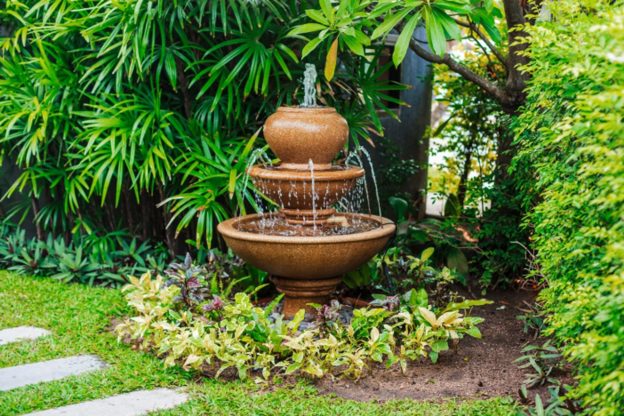
Hiring a professional to handle this concern and fix your water fountain can be a cost-effective and beneficial move if done the right way. There are many reasons why you should let professionals handle this concern, and the same might apply to you.

We guess it is time to hear what those reasons are, and let’s start with the benefits you will gain by selecting professional help for this concern to fix your water fountain.

Quality Service and Attention to Detail

A water fountain repair specialist can be contracted for repair services on all kinds of water fountains. Each model differs, and every minor leak or problem may need a unique approach, and it is best to leave it with the professionals.

Having the right tools and techniques to diagnose the root cause of the problem and fix it is crucial. Specialists also have more experience in repairing water fountains.

Saving on Cost

Professional repairs do not just come with the benefits of saving on costs. In fixing your fountain yourself, you may cause damages leading to more expenses in the long run.

A professional is experienced in repairing these components and has the appropriate tools to fix the damaged parts without the need for improvisation or buying additional materials. This can save you a lot of money and time.

Safety

A water fountain may seem like a simple monument at first glance, but it’s a complex system of moving parts. Water pressure, water levels, and water temperatures all affect performance.

You don’t have to risk the hassle and fuss of trying to fix your water fountain. Hire a professional to minimize accidents, from abrasions to elbow grease, from splashing to lacerations, from contamination to negligence, and other risks and concerns related to water fountains.

Solutions are Permanent

Professionals can provide a package of services and maintenance plans to ensure full coverage and peace of mind.

Get your water fountain repaired by a professional. One who can advise you on any future problems or faults with your fountain, as well as guarantee you permanent results to ensure you do not experience any more problems.

Common Water Fountain Faults

It is not uncommon for flaws to creep up in water fountains after a certain time, leading to concerns regarding both safety and functionality.

We have created a list of the most common water fountain issues compiled from years of experience, which include:

  • Linear leaks
  • Lime-scale build-up
  • Bad odor
  • Clogged pipes and filters
  • Faulty filtration system
  • Broken pipes
  • Water pump break down

Choose the Right Water Fountain Repair Service

When it comes to expertise, quality, and service, you deserve the very best. That’s why over 90% of all our customers recommend us to family and friends. Have you been thinking about where to find the very best water fountain repair near me?

Look no further, we take pride in our range of services and the effort we put into each project to bring you reliable, affordable, and high-quality water fountains.

For years, we have been providing people all across Orange County with the highest quality water fountains at a reasonable price.

It doesn’t matter if your water feature is a simple birdbath or an elaborate water fountain. Our technicians receive regular training from the industry’s top manufacturers to provide quality service.

Contact us at OC Pond today!

How Do I Keep My Outdoor Fountain Algae Free? 4 Things You Need to Know to Maintain Water Health How Do I Keep My Outdoor Fountain Algae Free? 4 Things You Need to Know to Maintain Water Health

How Do I Keep My Outdoor Fountain Algae Free? 4 Things You Need to Know to Maintain Water HealthFountains become a part of your landscaping. They add a functional and beautiful touch to your outdoor space design and no one wants them ruined by a filthy, ugly fountain plagued with algae. Therefore, a reliable water fountain repair service is what you’ll need to keep your aquascape pristine.

Algae is a common irritant for outdoor water fountains. In humid weather, sunlight is strong, and water is present chances are you will have them growing in your fountain basin.

A combination of overuse, improper maintenance, and old age may also trigger algae growth.

We’re here to let you know that things don’t get to be that way! Below we will share proven methods to keep algae out of your outdoor fountain, leaving your water blissfully algae-free.

Place Your Fountain in the Shade.

The right environment can prevent or deter many problems when it comes to using garden fountains. Placing your fountain in the shade does more than just protect it from harsh sunlight.

The reason for this is because when water is shaded by objects—usually other plants—it seems harder for algae to cling to the body of water. This is because there is no direct light source that is an active ingredient to an algae oasis, which penetrates through the other plant material or other water features holding the shade.

By placing it in the shade, you reduce the temperature of the water, which slows down or even halts algae growth.

Light Cleaning and Deep Cleaning

A clean waterfall fountain instantly makes your outdoor space look better. Nobody likes to see green stains on their ceramic or rock, so keep it clean with this simple cleaning routine. 

The fountain water clears up nicely when you clean the whole feature and filters on your fountain pump or filtration system regularly, but if algae have taken roo, use a bleach solution for this tougher algae to scrub. 

Once this is done, apply white vinegar directly on the areas with algae to remove them. 

Preventative Products.

Protect your fountain against algae growth by adding preventive products to your water.

These algae-prevention products are added to the water in fountains—effectively eliminating existing algae in the water, preventing future blooms, and helping keep the fountain clean.

They are designed to work with live plants and do not harm your pets but will kill any algae that may be in your water fountains.

Use Fresh Distilled Water to Prevent Algae.

The healthy waters of your water fountain are influenced by the water you use. Switching to distilled water will give you cleaner, clearer, healthier water.  Treat your water fountain with fresh distilled water to help maintain its beauty.

Debris, minerals, and other impurities found in tap water may feed algae growth. Distilled water is free of these impurities which can lead to an extra edge in preventing algae growth.

Call Us Today

We are a renowned water fountain contractor serving the residential, commercial, and industrial worlds in Orange County.

Our product offering features custom design and fabrication of an unlimited assortment of water features including self-priming fountains, ornamental fountains, water features, water features for large areas, waterfall fountains, fountain covers, and protection systems.

We put all our heart into every aspect of design, manufacture, testing, and fountain repair, Orange County residents can rely on. These ensure each one of our products is built with the highest quality materials to create a product that will not only last for years but be an heirloom for generations.

If you’re thinking of where to find a trusted fountain repair near me, think no more, contact us at OC Pond today!