Category Archives: Blog

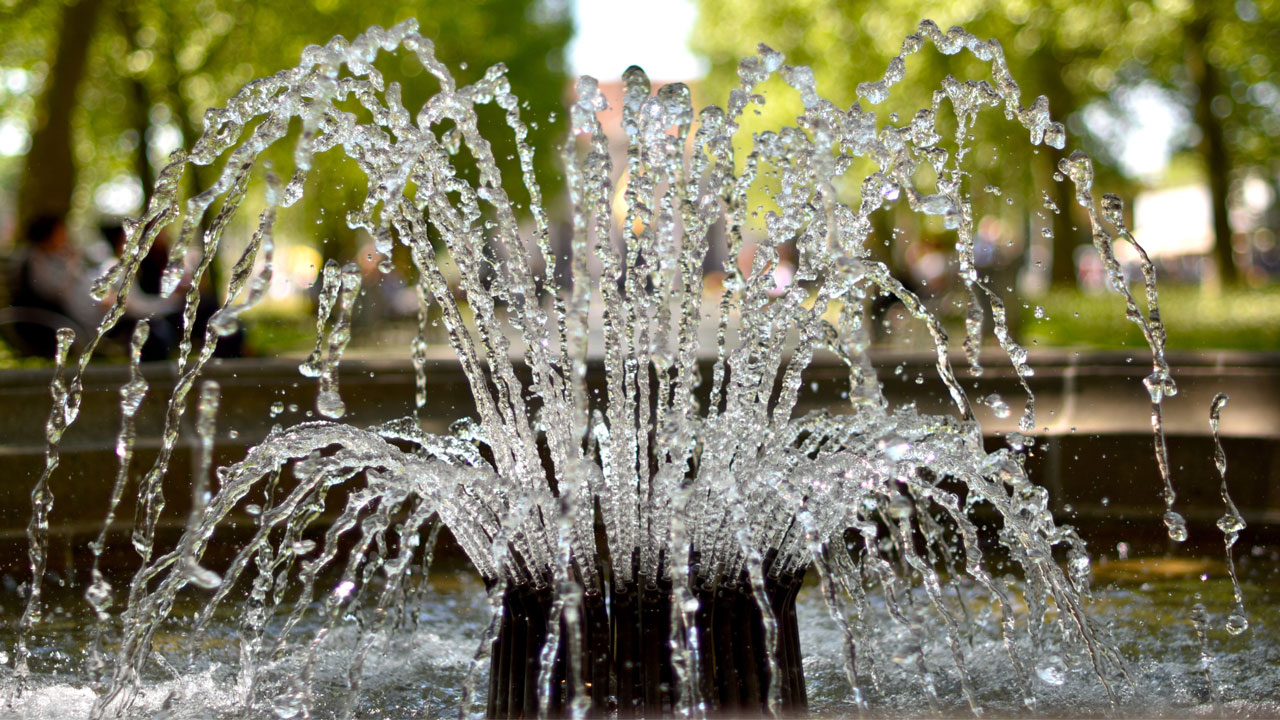
pond fountain parts 4 Tips You Need to Know When Buying Pond Fountain Parts

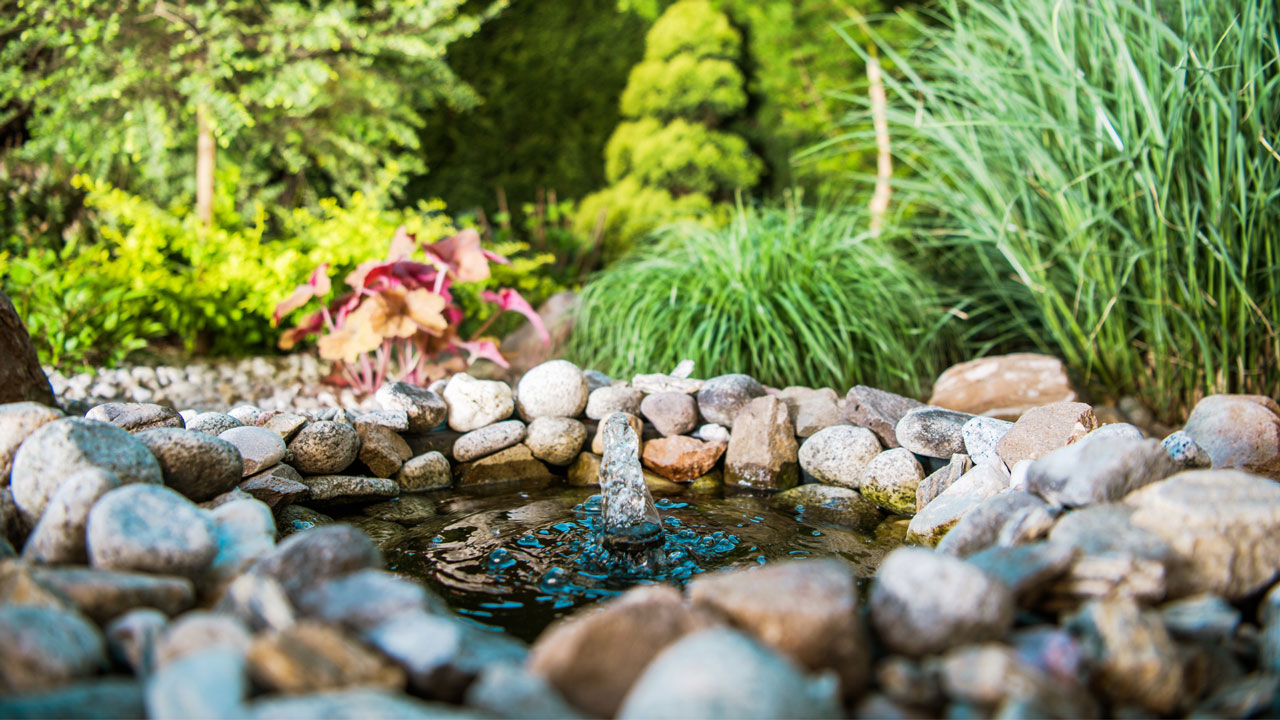
pond fountain partsAlmost any water fountain, no matter how expensive, elaborate, or decorative, can be broken down into a few critical pond fountain parts. While the necessary parts are usually included when you purchase your water fountain, you may need to replace a fountain part at some point in the future.

Choosing the right pond fountain parts for your water fountain is an important step in maintaining proper water movement and pond management. If you have fish, plants, or other aquatic life in your pond, it’s imperative that you maintain the water’s health by distributing oxygen and other nutrients evenly.

Below, we’ll walk you through some of the essential parts of any size or shape of landscape water fountains and provide you with some tips to ensure you purchase the right components for your water fountain.

When it comes to pond maintenance, Orange County Pond Service is the top choice for all of your pond fountain repair and maintenance needs.

4 Things to Consider When Buying Pond Fountain Parts

Buying an ornamental pond fountain for your property can be one of the most elegant ways to add more appeal to your outdoor living space or ecosystem. It will not only improve your exterior decoration, but it will also be the ideal way to comfort you and your guests.

To ensure you get the most out of your water fountain, it’s imperative that you purchase the right parts. Here are a few factors you should consider when shopping for fountain parts for your water feature.

1. Find a Sufficient Water Pump

Every fountain requires a pump to transport and push the water. Submersible-style pumps are small, simple, and reasonably priced and work by drawing water into an intake filter and pumping it up and out of an opening. Because this process defies natural laws, particularly gravity, pump units, motors, and aeration systems require electricity as an energy source.

2. Consider the Flow Rate of the Pump

The types of nozzle used will have a significant impact on the volume of water circulated by your fountain installation. Small-holed nozzles make taller and wider display aerators and aerator systems, but they severely limit water level flow within the water features.

Though a fountain pump may have a flow rate of 10,000 gallons per hour, the net flow rate of the fountain may only be 2,000-3,000 gallons per hour due to nozzle restrictions.

3. Water Fountain Conduits Are a Must

Plastic tubing is used to transport water from the pump to the desired location. This type of tubing can be found at a hardware or plumbing store, as well as in the aquarium section of larger pet stores. 

Keep in mind that when you purchase a pump, it does not come with replacement tubing because it is part of all pond fountains, but you can get it at the aforementioned locations.

4. Get a Sturdy Basin

There is a whole world of great basins out there in all kinds of unexpected materials and designs just waiting to be discovered. Cast stone concrete and copper are two popular surface materials for water fountain basins.

Get Professional Pound Fountain Repair with Orange County Pond Service Today

Consistent care results in a happy and healthy water fountain. To give your pond a beautiful appearance, you must do adequate research to buy the best fountain parts and accessories for your patio or yard fountain. Understanding the functions of various outdoor water fountain parts allows you to diagnose and easily solve any problems that may arise in your landscaping project.

For over 25 years, Orange County Pond Service has been repairing all makes and models of pond and fountain pumps, pressure filters, and related aeration system equipment for our business customers and clients in the Orange County area.

You can rely on our dependable pond maintenance experts to keep your pond looking clean and beautiful while also ensuring an aquatic environment in which all of your fish and plants can grow and thrive for years to come while staying within budget.

Contact Orange County Pond Service today with any questions and request a free quote and learn more about our pond and fountain repair services.
outdoor pond’s water quality 3 Ways to Improve Pond Water Quality

outdoor pond’s water qualityNutrients are responsible for the survival of all living plants and animals in an aquatic ecosystem, like a pond. However, many factors influence water quality conditions in a pond. While some of these factors are difficult to control, there are many ways to improve your outdoor pond’s water quality.
Disruptions to your pond’s ecosystem can turn your beautiful water murky and cloudy with a shade of green or brown. The good news is that you can easily keep your water clear without using harsh chemicals with some brief research about the best pond fountain parts.

First and foremost, it’s essential to understand water quality parameters that are important to your pond’s overall health. From this, you can take several treatments to improve the water quality of the pond in your landscaping. When all else fails, you can always count on our professionals at Orange County Pond Service!

Common Water Quality Parameters

Water quality is frequently overlooked in pond management, and poor water quality can result in common issues such as excessive algal blooms, plant overgrowth, noxious odors, or dying fish. 

As a result, a thorough understanding of the role of nutrients and other water quality parameters is required for successful pond management. Here are some of the most important factors to remember when it comes to the water quality of your pond:

Temperature

The most important factor for fish and other aquatic life in the pond is water temperature. The temperature of the pond can vary greatly, with surface water being more affected by air temperature than deeper water.

pH

The pH balance of a pond indicates how acidic the water’s surface area is. Most ponds have a pH of 7.0 to 8.5. Different fish tolerate different pH levels, but most fish will do better in ponds with a pH of around 7.0.

Algae

Some types of blue-green algae blooms and compounds are a source of concern for water quality in ponds used for livestock watering. These toxins produced by these organisms occur during or after periods of rapid growth or “blooms,” which typically occur after prolonged periods of hot weather.

3 Ways to Improve Water Quality

Your pond is more than just a relaxing place to unwind. It’s a living, breathing ecosystem with fish, plants, bacteria, and other life you may not always be able to see. A variety of biological imbalances in your pond can result in a variety of water clarity issues. If you want crystal-clear water, the first step is to determine the nature of the problem.

Here are a few tips, steps, and methods pond owners can use to improve the water quality testing results of their pond or water garden:

Minimize Green Water Algae Growth

Algae is not inherently bad; it is simply nature’s way of dealing with excess nutrients. String algae enter your pond as tiny airborne spores. This spore material feeds on nitrites, a natural byproduct of beneficial bacteria breaking down harmful ammonia in the water. Eliminate green water in the pond by introducing more beneficial bacteria.

Improve Filtration

Physical filtration equipment removes leaves, fish waste, and other debris and materials from the pond before they cause problems. A built-in pond skimmer is the best type of physical filtration that works in any season.

Pond skimmer systems suck large amounts of stagnant debris, rocks, and murky sludge into a basket that you can easily empty as needed.

Clean the Water

Cloudy water is common right after a pond is built, after heavy rain, after adding plants, or any other time something has stirred up debris. This cloudiness usually goes away on its own. You can remove the brown tint from the water by adding activated carbon, or you can embrace the natural color.

Count On Orange County Pond Service for Your Pond Maintenance

Understanding the benefits and complexities of nutrient management is important for achieving long-term goals for your pond while avoiding problematic and expensive issues in the future. If you’ve already implemented these strategies in your pond, you’re on the right track.

However, it is not always clear when a sudden increase in nutrients will occur, and it’s important to have a pond maintenance professional you can call when your pond’s water quality has suddenly decreased.

Orange County Pond Service has been providing professional fountain and pond repair services to Orange County customers. With over 25 years of fountain and pond maintenance experience, our team of specialists can help you with creating the ideal water-quality environment and provide professional care for your landscape water feature, regardless of shape or size.

Are you looking for a great solution to enhance the overall appearance of your outdoor space? Schedule an appointment to discuss our pond maintenance services that fit your budget and needs. Call Orange County Pond Fountain Service today at 949-653-2305 for an estimate!

outdoor water pond 3 Tips For Effective Pond Maintenance

outdoor water pondEveryone desires a healthy, aesthetically-pleasing garden pond. Water gardens allow you to create a peaceful, quiet place right in your own backyard and are an excellent way to add to the beauty of your property. However, regular maintenance is necessary to keep your outdoor water pond healthy and in good condition.
When it comes to professional water pond maintenance services, Orange County Pond Service is the first choice! Below, we’ll discuss the importance of koi pond maintenance and provide you with several tips about what you should be doing throughout the year to keep your pond in pristine condition.

The Importance of Pond Maintenance

Outdoor koi ponds have become increasingly popular in recent years, with many people looking for a peaceful way to spend quality time outdoors and relax. Whether the tuneful splash or the captivating focal point on your property, ponds have a way of bringing peace and serenity to an outdoor space.

Though there is a common misconception that pond maintenance is time-consuming and difficult, this is not always the case. However, they do require care and maintenance to ensure that they can withstand exposure to wind, rain, dirt, and debris.

By taking proper care of your structure and its aquatics, you can enjoy a wonderful ecosystem. If you are raising koi or goldfish and growing aquatic plants in your water feature, you can be sure to enjoy beautiful fish and stunning plants with proper care and maintenance of your water features.

3 Tips to Maintain Your Pond

Outdoor fountains can be an aesthetically beautiful addition to any home or property. It not only looks nice, but it also adds a sense of tranquility to the environment.

Here are some important pond maintenance instructions to help you get the most out of your pond and avoid several unexpected costs in the future:

1. Regularly Clean Your Pond

Garden ponds gather dirt, debris, bacteria, and sediment that can disrupt the surface water levels of your pond. Leaves pose a significant threat because when they decay, they emit toxic gas that disrupt the ecological balance and disrupt water quality.

A skimmer or trap net can be used to collect and remove leaves and other light debris from the reservoir to keep your aquascape clean.

2. Inspect Water Pumps

Your outdoor pond water fountains or waterfalls will be useless without a working water pump because no water can be pushed through the system. If your water pump stops working or runs slowly, pond owners should consider cleaning the filter.

To accomplish this, clean out any dirt or other materials on a regular basis and check to ensure the water level is normal.

3. Control Algae Growth

Algae are beneficial in a garden pond, but they can become a major problem if allowed to grow excessively. Because these non-flowering plants provide food for aquatic animals, it is not recommended that they be removed entirely. You can use both natural and artificial methods and filtration systems to control your pond’s algae growth.

Trust Orange County Pond Service for Your Pond Maintenance

Water gardens don’t require much maintenance. In fact, it only takes about 10 minutes per week to keep your pond healthy, but it’s important that you keep up with maintenance tasks throughout the year. The biggest mistake you can make when maintaining a pond is to ignore routine maintenance and only attend to it when things get out of control. 

If you’ve fallen behind on routine maintenance or are still unsure how to care for your pond, the team at Orange County Pond Service can assist you with any of your water garden problems.

Orange County Pond Fountain Service has over 25 years of experience in ensuring the cleanliness and maintenance of your outdoor pond. With our in-depth expertise, industry-leading tools, and equipment, we can’t wait to learn more about how we can assist you in keeping your pond healthy and clean.

Schedule an appointment to discuss our pond maintenance services that fit your budget and needs. Call Orange County Pond Fountain Service today at 949-653-2305 for an estimate!

Outdoor water fountains Water Fountain Repair Tips for Residential and Commercial Locations

Outdoor water fountainsOutdoor water fountains are a beautiful and artistic addition to any yard landscape. As a result, you want them to remain in the best shape possible for many years to come. But what happens if your water fountain stops working? How are you going to repair it?

Fountain repair and maintenance are crucial factors for your water fountain. However, restoring your water fountain to its former glory when there are damages can be a time-consuming task.

Our team of experts from Orange County Pond Service is the best choice for fountain repair in Orange County! With the proper care and regular maintenance, you can ensure that your water feature continues to add life and beauty to your outdoor space. 

5 Tips for Repairing Your Water Fountain

Whether it is the visual display or the sound of rushing water, fountains are almost always a focal point of any landscape or garden. A well-built fountain is easy to maintain. In most cases, monthly maintenance can be reduced to cleaning and inspection by installing screens to protect fountain pump equipment and filtration to ensure good water quality.

Ensuring you repair any problem with your water fountain is vital to its longevity. Here are five fountain repair and maintenance tips to fix common issues and keep your water fountain in the best condition possible:

Repairing Leaks

A leak in your water fountain depletes water levels and may cause permanent damage. Check the fountain to see if you can spot the source of the leak. Any cracks will show on the base as a white area. If your fountain is made of stone or fiberglass, a solution is to repair it with clear silicone, similar to what is used to repair cracks in aquariums.

Repairing Broken Pieces

If pieces of your outdoor water fountain break off, you should be able to repair them with epoxy components. Simply mix the epoxy and apply it to each broken piece. Join them and hold them together for a few minutes, and allow them to dry once they have stayed together.

Repairing Cracks

If the basis of your outdoor water fountains is made of resin, you can easily repair a cracked or broken part. All you need to do is use a mixture of resin and fiberglass cloth from a boat supply store. Apply it over the crack, smooth it out, and allow it to dry completely before reintroducing water to the wall fountain.

Re-Sealing Water Fountain Sealant

Some outdoor water fountains are waterproofed with a special sealant. This can wear as a result of normal weather elements, sunlight, climate, build-up of sediment material and mineral deposits, and simply getting older. Reapplying new sealant is as easy as buying it at a hardware store and spraying it on, then simply allowing it to dry, and it will be as good as new.

Ensuring Proper Water Level

The importance of maintaining proper levels in a water fountain is frequently overlooked. To maintain the proper water levels, most backyard fountains use an automatic fill valve. This device should be inspected monthly as part of a good maintenance program. If the automatic fill valve is malfunctioning or clogged, you should consider replacing it.

Contact Orange County Pond Service Today for Professional Water Fountain Repair

Routine fountain repair and maintenance are essential to keep your water fountain clean and working properly. We hope this guide has helped you learn more about the work involved in keeping your water fountain project looking pristine.

When it comes to outdoor fountain maintenance and repair, hiring a professional company to handle the job is always one of the best ways to ensure your outdoor fountain maintenance is done correctly and efficiently. 

Orange County Pond Fountain Service has been providing professional pond repair services in the Orange County area to location customers since 2001. Our clients can be confident that their outdoor pond repair and pump maintenance is handled by a team of experts with experience using professional parts, materials, fountain products, and accessories.

Allow Orange County Pond Service’s water pond repair team to assist you with the best answer to any number of your fountain repair questions. Contact us today for a free quote and consultation with one of our fountain and pond repair specialists!

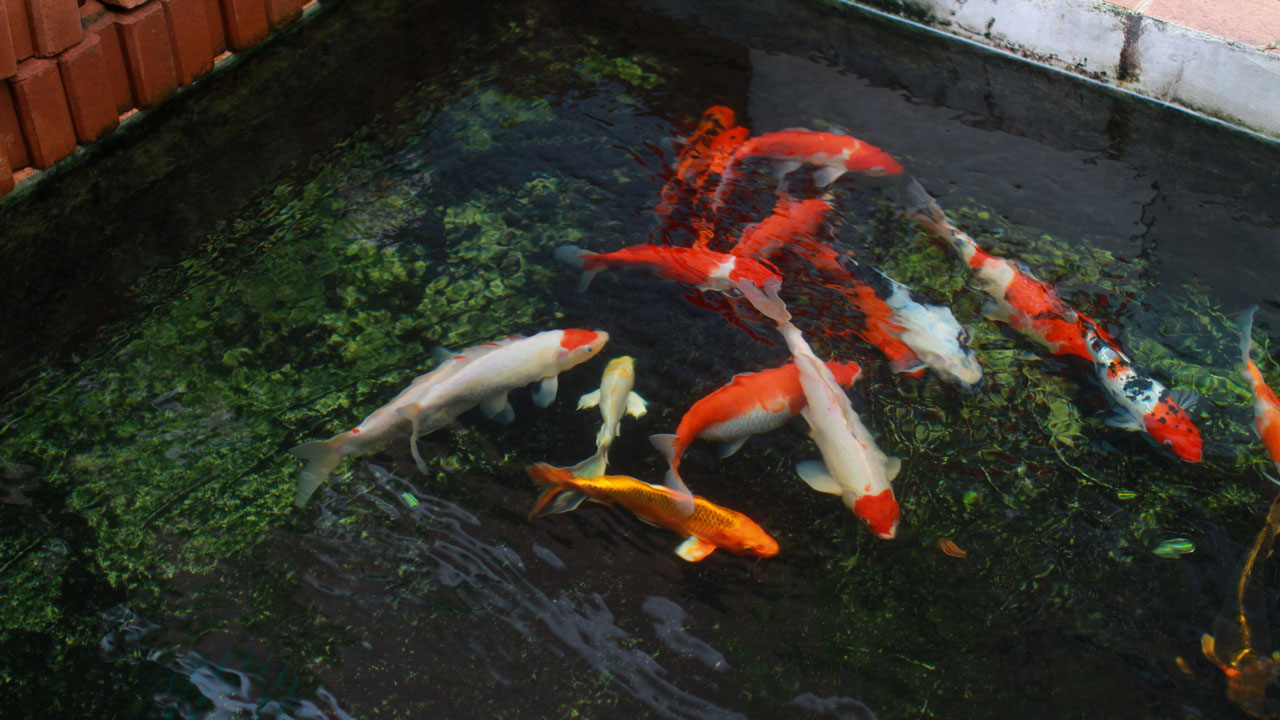
Koi fish ponds 5 Things to Consider Before Starting a Koi Fish Pond

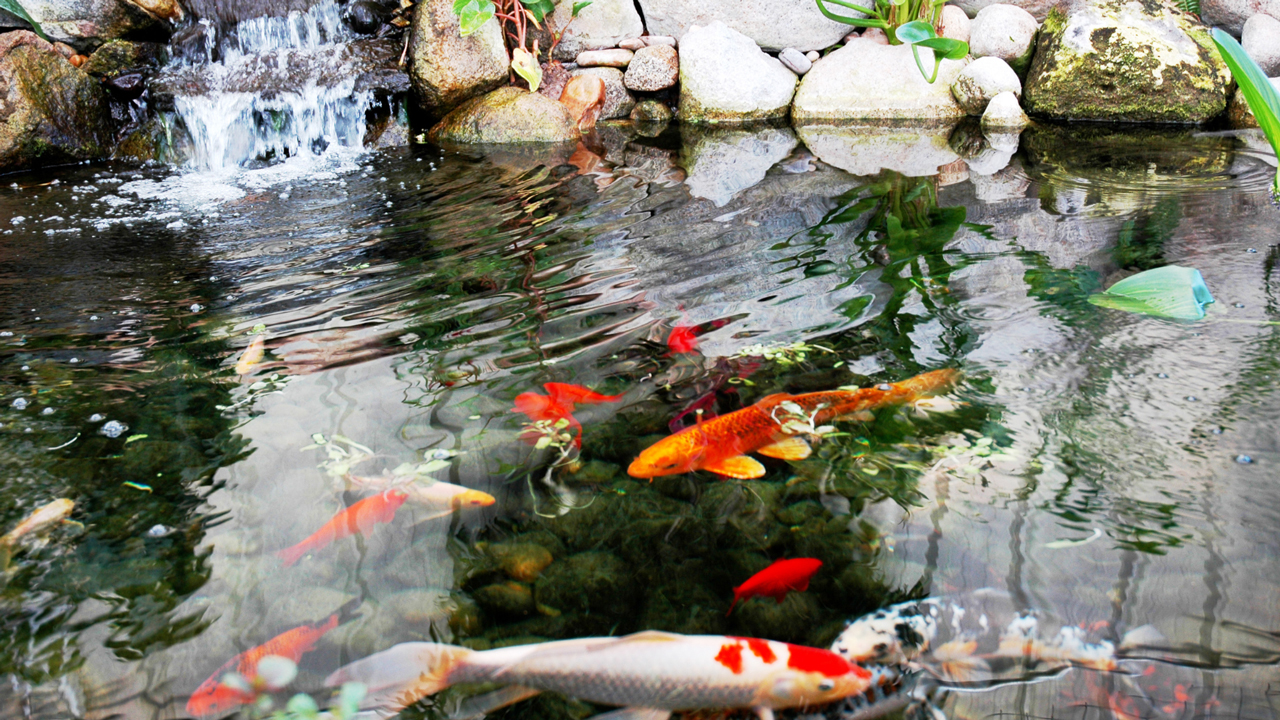
Koi fish pondsBuilding koi ponds in your water garden can easily turn a dull environment into a backyard oasis. You can create a relaxing atmosphere in your outdoor space by putting some koi fish and aquatic plants in the backyard pond.
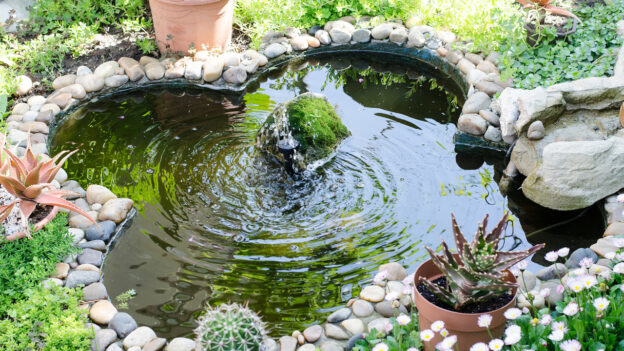
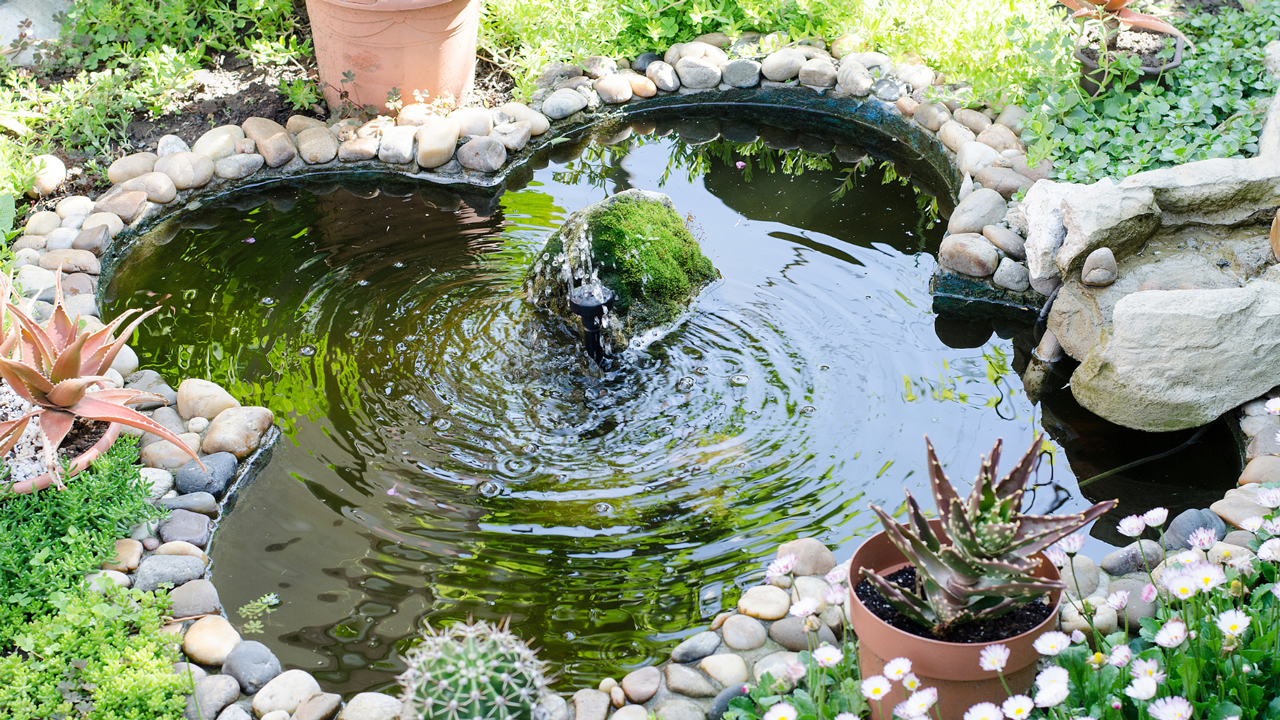
However, there are several things to think about before building koi ponds. You need to think about a few points first because your small koi pond could be a significant time and financial commitment on your part.

To find out whether a backyard koi pond is worth your time and resources, here are a few things to consider.

1. Expenses to be Incurred

Deciding your budget is the first step. Cost varies widely and is determined by the size of the koi pond, the quantity, color, and size of the koi fish, the accessories you choose, and the kind of filtration system. Remember that you also have to consider your koi pond maintenance expenses.

2. Size of Your Backyard Pond Area

Koi fish ponds are one of those things in life where size does matter. Your colorful koi may start out small, but they can grow to be as large as 2 or 3 feet long. So even if you have small fish to begin with, you’ll need to build larger ponds in your outdoor space to ensure they have enough room to grow.

Backyard koi ponds require ample and deep enough space to accommodate the number of fish you intend to house.

3. Other Installations Needed

Even though koi are tough fish, you’ll still need to give them the appropriate equipment to maintain their overall health. For backyard ponds, a mechanical filter system is particularly crucial.

Equipment required for the regular maintenance of keeping koi pond water quality excellent should always be considered. Fish excrement, decaying vegetation, and leftover fish food are just a few factors that lead to the pond being unclean.

4. Environmental Conditions

The climate is one element to take into account. Koi fishes can endure roughly six inches of surface ice in a pond that is three feet deep, but the pond must maintain stable oxygen levels. You can accomplish this using a de-icer or bubbler. A fountain or waterfall is an excellent option to improve your water features’ aeration.

5. Threats From Predators

While you might assume that your beautiful fish are safe enough, many other animals would be more than delighted to turn a big, healthy koi into a meal. To protect your pond’s ecosystem from predators like water birds, you should take extra precautions.

The best defense against predators is to give your fish adequate space to escape. Giving them somewhere to hide beneath rocks or shelves serves the same goal as protecting them from predators. Another alternative is to construct a fish cave within the pond to provide the fish with a safe refuge from predators.

Koi Pond Experts for All Your Pond Needs

A professionally designed koi pond can be a highly gratifying addition to all water gardens, even though it may appear like a lot of labor. Investing in a water feature like this can be a valuable investment, so make sure you hire a professional team to complete your pond construction project.

Count on us to construct your koi pond and have it maintained properly and professionally. Get a free quote and learn more about our services. Contact us at 949-653-2305 at OC Pond Service today!

garden fountain Fountain or Waterfall: What is the Best Outdoor Feature?

garden fountainDo you want your backyard to stand out? Why don’t you try adding an outdoor feature like a garden fountain or waterfall?  You will be surprised at the difference a simple water feature can make.
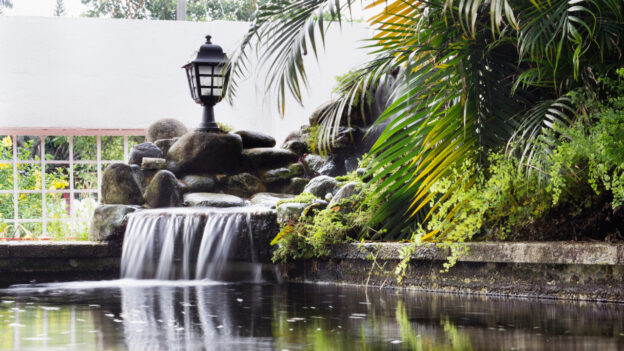
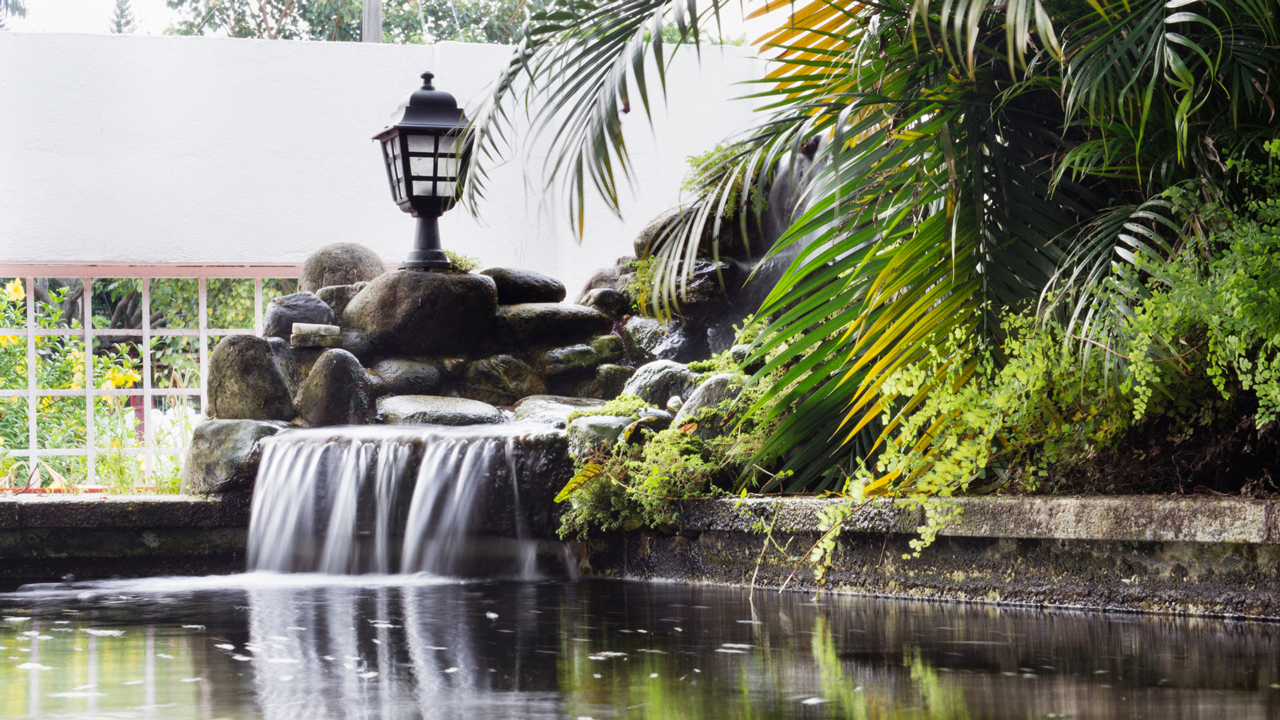
You can add a small pool and you can enhance it with plants and flowers. You can bring yourself closer to nature because the water features will attract animals. Your water feature can also be surrounded by stones, art, and even sculpture to accentuate the yard.

What is a Water Fountain?

Of all the water features that you can add to your yard, the most dynamic of all is a water fountain. It’s a creative way of decorating your property and it has always been a popular choice. Examples of public architecture in the past include great fountains and you must have seen one in a public space before.

A water fountain is a water feature that has flowing water. The water can be shot in a stream or just flow freely. Originally, fountains were used to deliver drinking water to the population of a city, but now they are used mainly as decoration. Modern fountains can be made of stone or concrete and they can be placed outside of a house or a building.

What is a Garden Waterfall?

Another water feature that you can add to your lawn is the garden waterfall. You might not see this type of feature in an urban design, but it is perfect for attracting birds and other animals. 

As the name suggests, a garden waterfall is a miniature waterfall that can be located on the property to accentuate its appearance. It can give the yard a more outdoor appearance. To keep the waterfall running, it has to be equipped with a pump.

Water Fountain Vs. Waterfall – What Should I Choose?

So, which should you choose, a waterfall or a water fountain? 

That depends because those two serve different purposes. A waterfall is appropriate for a design that is more natural. If you want something that can blend in with nature, then a waterfall is a good choice.

This doesn’t mean that waterfalls won’t work with more modern designs. You can add led lights to it that can make it show up in the dark or you can add an installation to it that would make it more modern.

A water fountain, on the other hand, can be a great addition if you want something more updated. It can be added to your patio and you can even add a led light system to it.  You can use a solar panel to power its pump even.

Choose the Best Piece of Outdoor Feature for Your Backyard with OC Pond Fountain Service

If you really want to get the top garden fountain or waterfall for your yard, then get in touch with our team now. We have a wide array of choices, not just for these two types of water features, but others as well.

You are sure to find something that can enhance the look of your garden. Contact us at 949-653-2305 at OC Pond Fountain Service today!

water feature Do Water Features Use a Lot of Electricity? Effective Tips on How to Save Energy

water featureWater features can be great additions to your backyard or garden, especially if you love wildlife. After you have installed a water feature and an outdoor fountain, you will notice all kinds of animals paying a visit. However, you could be worried about the electrical consumption of a water feature. While it might seem insignificant, it can still add to your overall electrical consumption. 
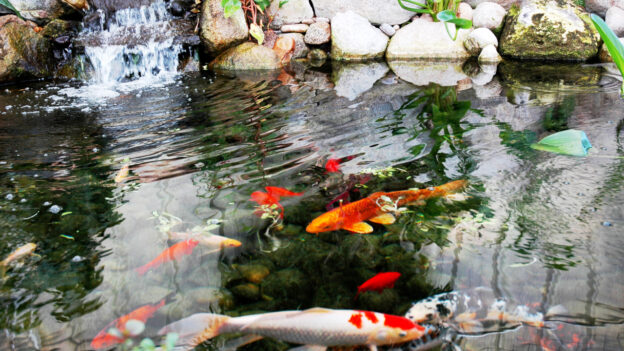
So, do water features use up a lot of electricity? What are the effective tips on how to save energy while using an outdoor fountain? Below, we will go through all of those and discuss other useful information that you might find helpful.

Can I Leave My Water Feature on All the Time?

One of the things which you might be wondering about your outdoor fountains is whether you can leave them running all the time. Is it okay to leave it on at night, especially if you’re on a budget?

There are different types of water features that you can add to your place. You can add a miniature waterfall, a mini pond, a water basin, a lake, a stream, a birdbath, or a spring. If you want something that can be placed indoors, you can get an aquarium with a fish swimming in it. It’s really up to you.

As to the question of whether you should leave a water feature on all the time, the answer will depend on the pump and its capacity. A high-end pump with a large capacity will consume more energy than a smaller one.

Will Running an Outdoor Water Fountain Cost Me Much?

As mentioned earlier, this will depend on the pump you are using and its capacity. There are ways that you can compute the electrical consumption of your outdoor fountain. You’ll need the following details:

  • Number of hours the pump will run
  • The wattage of the pump
  • Electricity unit cost

With that information, you can get an estimate of the amount of how much will be added to your electricity bill if you run your outdoor fountain on a regular basis.


Ways to Save Energy and Reduce the Cost

While an outdoor pump may not add a significant amount to your electricity bill, you should still consider how you can save energy with it.

  1. You should place your water feature in the shade because having it under the sun all the time will accelerate evaporation, which can drive the pumps to work harder.
  2. Use a smaller pump that will not consume as much electricity.
  3. You can get a pump that is solar-powered. This means it won’t add to your energy consumption.

Get the Best Water Features for Your Outdoor Space in Orange County!

Water features like an outdoor fountain can really enhance the appearance of your property. On top of that, they are very animal friendly. Improve your yard now and have something that can bring you close to nature.

If you want the best water feature and outdoor fountain in Orange County, contact us at 949-653-2305 at OC Pond Fountain Service today!

koi fish ponds How Can I Make My Koi Pond Hold Water


Hakoi fish pondsve you recently constructed a small koi pond in your garden, but the water keeps dropping? Observing your backyard pond lose water while unsure where to begin or how to remedy it can be frustrating.
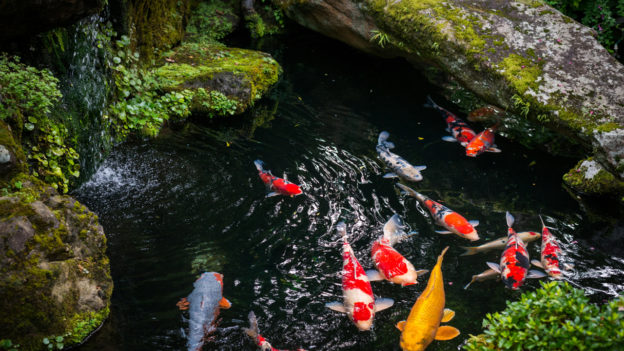
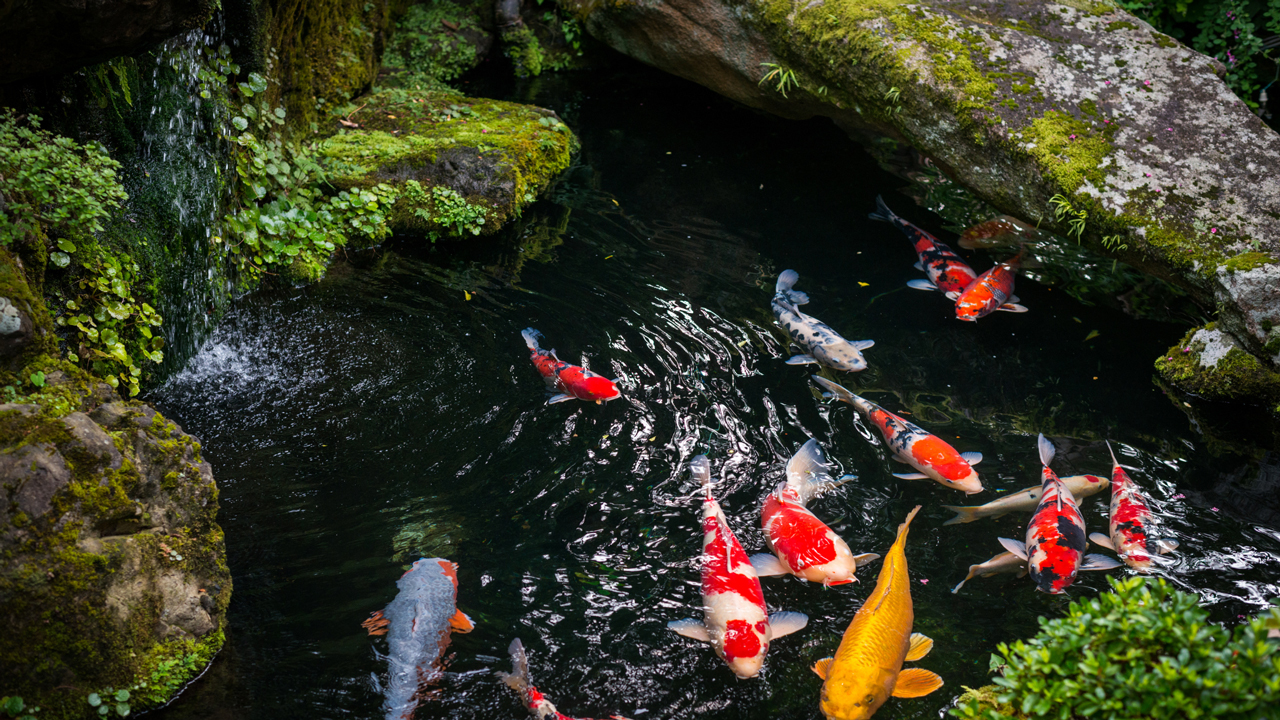
While koi fish can swim in a shallow water garden, they need deeper water to thrive during the hot summer days.

Water loss cannot always be prevented even if your water gardens and pond’s ecosystem are maintained properly. With these tips and recommendations, keep your backyard oasis and your water features in good condition and create a thriving pond for your koi fish.

What Causes Your Backyard Koi Ponds to Not Hold Water

Several factors can contribute to your backyard koi pond losing water. The following are a few examples:

  • A leak in the koi pond liner
  • Evaporation of pond water
  • Too many aquatic plants affect the filtration system
  • Water splashing and spraying out of a pond due to koi fish
  • The bank of the koi pond is low and narrow

5 Tips to Hold Water in Koi Ponds

Preventing water loss can be difficult if you don’t know where to begin. You can increase the chance of your koi pond holding water by keeping the following tips and tricks in mind.

1. Ensure that pumps, filters, and plumbing are in good working order

Your koi pond will hold more water if you maintain it regularly and repair any broken fixtures. You should routinely inspect the plumbing system, pumps, and filters of your koi fish ponds to see if there are any leaks. Additionally, you must confirm that they are working properly. 

2. Evaporation should be reduced

Science demonstrates that to reduce evaporation, you must reduce the amount of surface area exposed to the sun, the temperature of the water, and the wind speed. Giving the pond area the right amount of shading can reduce evaporation. Since this is an organic, cyclical process, rainfall makes up for evaporation-related water loss in your water garden.

3. Ensure pond plants are maintained or removed if necessary

You need to know which plants in your koi ponds require more water than others. This category includes plants like water hyacinths, water lilies, water iris, and water hawthorn that bloom in the summer and typically extract excessive water. Eliminating these plants could be a remedy for this.

4. Direct the rocks properly to prevent splashes and sprays

Splashes and sprays can significantly increase the water loss from the pond. You must keep a close eye on this to see if this is causing the water loss. If it does, make an effort to arrange the rocks in your pond’s waterfall stream properly. This will lessen the water splashing and spraying when it hits your backyard pond’s rocks.

5. Widen the bank and place them properly

For a backyard pond to hold its water, proper edging is crucial. Avoid placing tiny stone fragments straight on the edge because they frequently slip away. Paving slabs, turf, and fixing lower margins can also be used to edge the pond effectively.

Professional Pond Repair Service for Regular Maintenance Needs

When you don’t have the time or resources to make sure your water fountain is cleaned, maintained, and repaired, hiring a professional offers many benefits.

Count on us to handle your koi pond repair and regular cleaning needs efficiently and effectively.

To learn more about our services, contact us at 949-653-2305 at OC Pond Service today!

7 Best Water Garden & Outdoor Pond Accessories 7 Best Water Garden & Outdoor Pond Accessories

7 Best Water Garden & Outdoor Pond Accessories

Building your outdoor water pond is only the first step to living the water feature lifestyle. You’ll also need to fill it up with accessories to stand out. From aquatic plants to spitters, here are seven great ideas to accessorize your water garden!

Add A Walkway

Adding stepping stones to your outdoor water pond enables a more immersive experience. Instead of just watching the water from the sides, you can walk over it and see it at different angles. Plus, it encourages everyone to explore your garden.

Illuminate Its Surroundings

Make the most of your garden pond with lighting! Accessories like lanterns, festoons, and spotlights will dance across the water, letting you admire it even at night. Solar-powered LED fountains also light up with a kaleidoscope of colors.

Install A Waterfall

Adding a waterfall to garden ponds is an easy way to oxygenate the water. At the same time, it brings a constant and calming sound of cascading water. If you already have a waterfall, try adding a second smaller one, which can result in a more visually interesting pond. Using rocks, you can also enhance that first waterfall by tweaking the sounds that it makes. 

Set Up A Fountain

Like waterfalls, fountains improve the aeration and beauty of your water garden. That’s why, if you’re not into the idea of adding a second waterfall, you can get a fountain instead. The best places to add it are along the side or in the middle, where it can serve as a centerpiece.

Get A Spitter

Your third option for pond aeration is spitters. As the name suggests, they produce a steady stream of water for the pond. These playful water features can be added anywhere you like, though they’re typically found at the center. Don’t be afraid to be creative, though, and place them where they’re least expected.

Add Fish

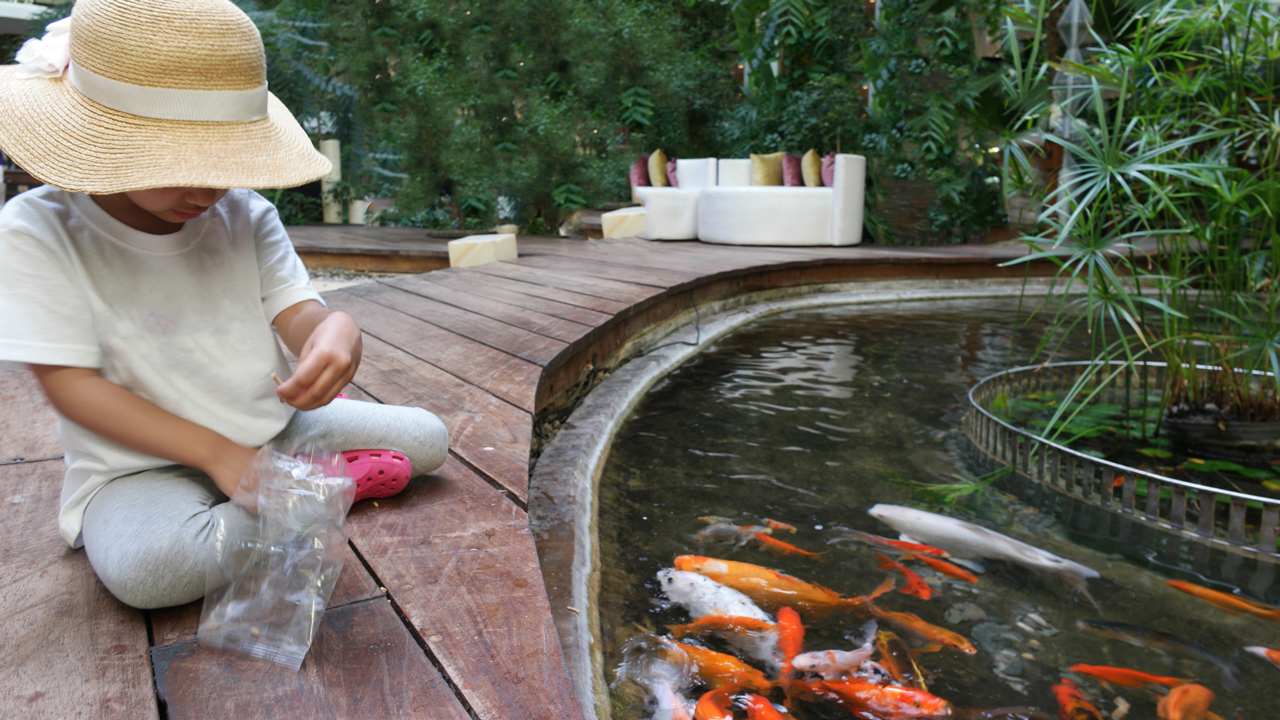
Taking care of fish is an excellent way to bring your water garden to life. It can also alleviate stress while you relax by the pond, feeding them and watching them swim. If you already have fish, you should consider adding one from a different species to expand the ecosystem. You should be able to get some easily from your local pet store.

Place Aquatic Plants

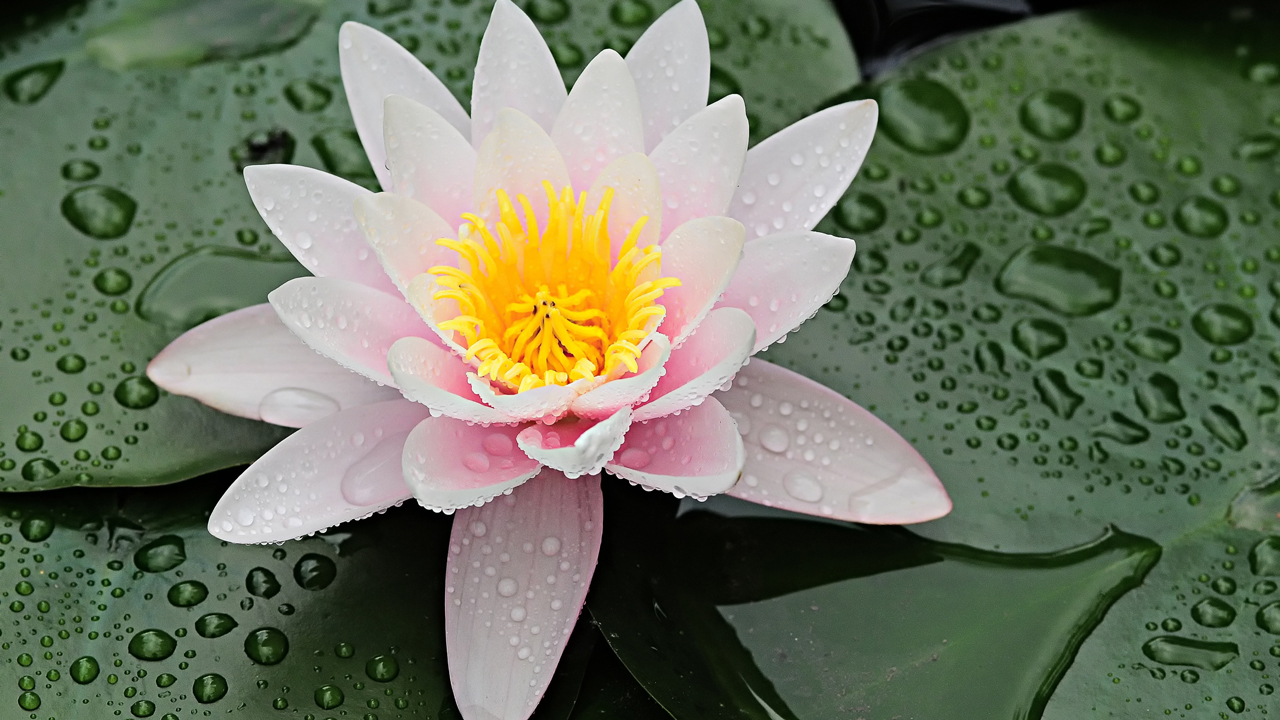
Water lily pads are a safe choice for water plants. They can provide shade, improve the water quality by controlling algae growth, and serve as a haven for your fish from predators; their vibrant color is just a bonus. There is an almost infinite selection of water lilies available online or at garden centers and pond shops, including hardy and tropical species.

Get The Garden Pond Or Water Garden Of Your Dreams Today

You can easily install pond accessories like floating plants and lights by yourself, but some can be too technical. If you plan on spicing up your water garden with a waterfall or fountain, you’ll need professional services from OC Pond Service! Learn about our landscape services and more when you call 949-653-2305 today.

How To Grow Colorful Water Lilies In A Water Pond How To Grow Colorful Water Lilies In A Water Pond

How To Grow Colorful Water Lilies In A Water Pond

Water features, like a garden pond or small pond, in your backyard already create a magical atmosphere. Imagine what it can do if you add colorful waterlilies into the mix.

If you don’t have any ideas as to how to go about it, don’t worry. We’ve laid out five easy steps just for you! But before that, let’s discuss the benefits of adding aquatic plants to backyard ponds.

Benefits of Adding Aquatic Plants To Backyard Ponds

Vegetation in your garden pond is essential for aesthetic and practical reasons. Known as aquatic plants, they help liven up the environment while keeping the water clean and aerated. They may also offer partial shade for the fish, serve as food, and manage algae growth.

Steps To Growing Water Lilies For Your Outdoor Water Pond

Now that we know why adding plants to your outdoor water pond is so important, let’s go through the five steps of planting color water lilies.

Step 1: Pick Your Container

You can choose a container with or without drain holes; it’s your choice. What’s important is that it’s shallow and spacious, roughly eighteen inches wide and ten inches deep. If you choose to get one with drainage holes, make sure the container is lined with burlap. That keeps the soil in and the pond water clear.

Step 2: Get Heavy Bagged Soil

Instead of light potting soil that can easily escape your pot, use heavy-bagged soil specifically for use in the garden. Avoid using soil mixed with materials like peat moss, vermiculite, or perlite. Use aquatic fertilizer pellets instead to enhance the soil. Simply push the pellets into the soil before you plant.

Step 3: Clean Your Water Lilies

Examine the tubers and remove old leaves and roots before planting to ensure they develop new roots, leaves, stems, and flowers. Only newly formed leaves, buds, and younger roots should be left behind.

Step 4: Add Tubers and Grave

Remember that tubers should be planted with their growing tips pointed up at a 45-degree angle, facing the center of the pot. They should also be placed around the sides of the pot to give them ample space. Then, prevent soil from leaving the pot by covering it with gravel. You can either use tiny stones or pea gravel.

Step 5: Place The Plant In Your Backyard Pond

Lower the plant while still in its container at a slant into the pond so excess air can escape. Have the pot’s bottom at a depth of 12 to 18 inches. All the leaves will rise to the top and float there. If the pond is deeper than 18 inches and there are no ledges for it to rest on, you will need to use rocks to keep the container at the ideal depth.

Hire Professionals To Install Water Gardens, Your Pond Liner, And More

While planting lilies for your water garden is easy enough to do all on your own, there may be other, more complicated water features like waterfalls that you would need help with. Whether it’s your garden’s very first pond or your next koi pond that you want, we’re sure that we can help.

To get a free quote and get the best deals on landscaping services, contact OC Pond Service at 949-653-2305 today!