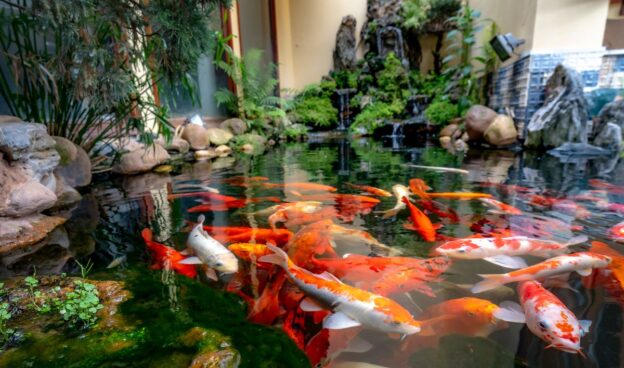
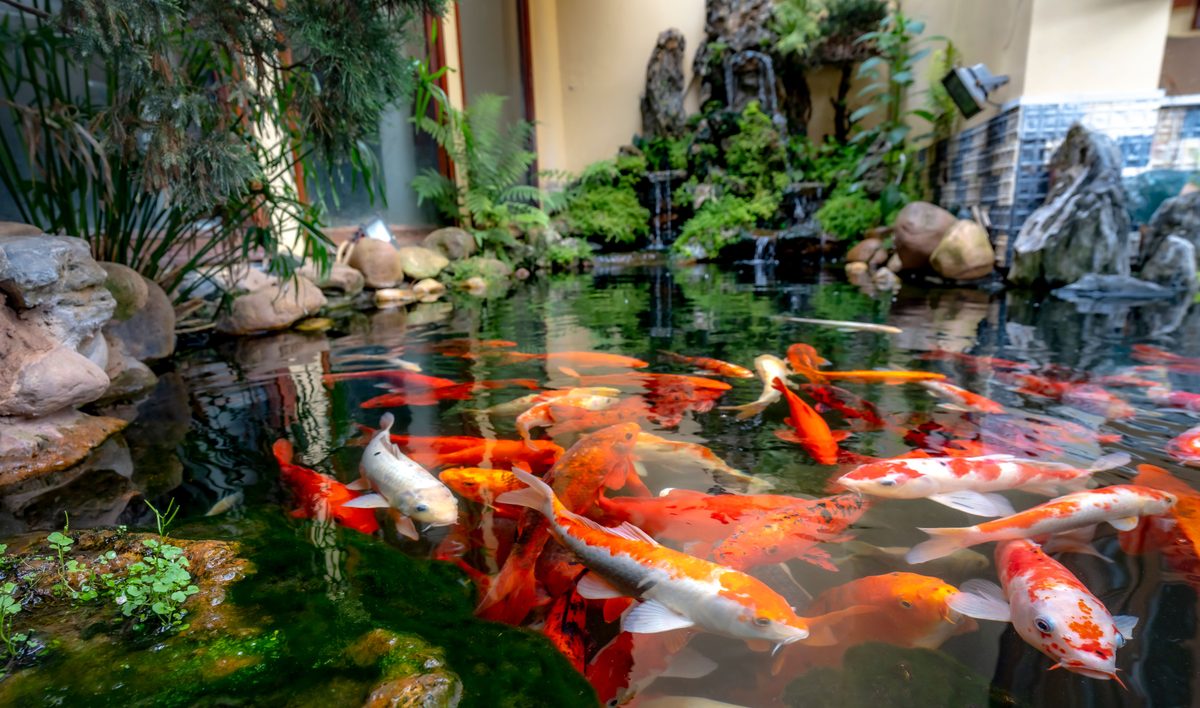
 Climate-suited pond fish & aquatic plants thrive in Southern California’s unique Mediterranean environment when selected for temperature tolerance and seasonal adaptability. The region’s USDA hardiness zones 9b-11a create year-round pond management opportunities.
Southern California’s hot, dry summers and mild, wet winters present specific challenges for backyard ponds fish selection and care guide decisions. Water temperatures fluctuate between 40°F winter lows and 100°F+ summer peaks, requiring species that tolerate thermal extremes.
Key Takeaways
- Southern California’s Mediterranean climate (USDA zones 9b-11a) supports hardy pond fish like koi, goldfish, and temperature-tolerant alternatives that withstand 40°F-100°F+ seasonal extremes
- Climate-suited pond fish & aquatic plants must tolerate hot, dry summers and mild, wet winters with optimal pond temperatures maintained between 65°F-75°F
- Hardy water lilies, native marginal plants, and oxygenating species provide shade, filtration, and habitat while avoiding California’s banned invasive species like water hyacinth and parrotfeather
- Proper pond design requires a minimum 1,000-gallon volume for koi, a 4-foot depth for thermal refuge, and 30-50% shade coverage to manage summer heat stress
- Strategic filtration, seasonal feeding adjustments, and predator protection ensure long-term pond ecosystem health with annual maintenance costs ranging from $1,000-$2,000
What Defines Southern California’s Pond Climate?
Southern California’s Mediterranean climate features hot, dry summers with temperatures reaching 75°F-100°F+ and mild, wet winters ranging from 40°F-65°F. This pattern creates ideal pond temperatures of 65°F-75°F during spring and fall, with seasonal extremes requiring management strategies. The region spans USDA hardiness zones 9b-11a, enabling year-round pond operation without freeze protection.
Precipitation concentrates in winter months, leaving summers dry with low to moderate humidity. These SC climate fish conditions favor hardy species adapted to temperature fluctuations.
What Are the Key Climate Characteristics Affecting Ponds?
Summer heat drives water temperatures above optimal ranges, increasing evaporation and reducing dissolved oxygen critical for fish health. Winter rarely drops below freezing, eliminating ice formation concerns. USDA zones 9b-11a support diverse aquatic plant selections, including hardy and tropical varieties.
Mediterranean patterns require shade provision during summer through floating plants, pergolas, or shade sails covering 30-50% of the pond surface. Water temperature-tolerant species withstand 50°F-85°F ranges without stress. Temperature stability depends on pond depth, with a minimum 4-foot depth providing thermal refuge.
How Do Water Regulations Impact Pond Management?
Pond construction projects disturbing the ground require permits costing $150-$485 depending on scope and jurisdiction. California’s recurring droughts make water management critical, with recirculating systems reducing water loss by up to 90%. Strict regulations prevent the escape of non-native species into natural waterways, requiring secure pond perimeters.
Water conservation mandates favor efficient filtration, minimizing makeup water while maintaining circulation. Permits often specify construction methods, drainage plans, and environmental impact assessments for larger installations.
What Are the Regional Invasive Species Restrictions?
California bans water hyacinth (Eichhornia crassipes), yellow flag iris (Iris pseudacorus), and parrotfeather (Myriophyllum aquaticum) due to aggressive growth in natural waterways. Additional prohibited species include giant reed (Arundo donax), Brazilian waterweed (Egeria densa), and creeping water-primrose (Ludwigia peploides). Purple loosestrife (Lythrum salicaria) and giant salvinia (Salvinia molesta) complete the primary invasive species list.
Anacharis/waterweed remains invasive in California despite its popularity elsewhere, necessitating alternative oxygenating plant selections. Violations carry substantial fines and require complete pond remediation. Verify all plant purchases against California Invasive Plant Council databases before introducing new species.
Which Pond Fish Thrive in Southern California?
Koi and goldfish dominate Southern California pond installations, representing well-suited pond fish choices for Mediterranean climate conditions. These cold-water species tolerate 50°F-85°F temperature ranges while thriving in optimal 65°F-75°F conditions. Both demonstrate exceptional longevity, aesthetic appeal, and established care protocols.
Temperature-tolerant alternatives, including white cloud mountain minnows, Japanese ricefish, and mosquito fish, provide 7 best types of pond fish for garden ponds, diversity for specialized applications. These smaller species require minimal space, tolerate extreme temperature ranges, and offer unique benefits like mosquito control.
What Are the Advantages and Challenges of Koi?
Koi represent premium pond fish with 20-40+ year lifespans, mature sizes of 12-36 inches, and stunning color varieties including kohaku, showa, and sanke patterns. Ideal temperature ranges of 65°F-75°F align perfectly with Southern California spring and fall conditions. 3 best expert advice taking care koi pond systems requires a minimum of 1,000 gallons for 4 mature fish.
Survival ranges extending from 50°F-85°F enable year-round outdoor living with minimal intervention. Premium Japanese import koi cost $100-$1,500 on average, while domestic varieties start at $20-$100 for juveniles. High maintenance requirements, including filtration, feeding protocols, and disease prevention, demand consistent attention and annual costs of $1,000-$2,000+.
How Suitable Are Goldfish for Local Ponds?
Goldfish offer accessible entry points with identical 65°F-75°F ideal temperatures and 50°F-85°F survival ranges. Mature sizes of 6-12 inches require less space than koi, with a minimum 500-gallon pond supporting healthy populations. Lifespans of 10-20+ years provide substantial enjoyment relative to low initial costs of $1.30-$6.85 per fish.
Goldfish represent 30-40% of the cold-water pond fish market. Varieties including comet, sarasa, and shubunkin add color diversity without premium pricing. Hardy constitutions tolerate water quality fluctuations better than sensitive tropical species.
Which Other Cold-Hardy Fish Are Recommended?
White cloud mountain minnows measure 1-1.5 inches at maturity, tolerating 50°F-75°F temperatures with minimal space requirements. Japanese ricefish similarly reach 1-1.5 inches while withstanding broader 50°F-80°F ranges. Mosquito fish demonstrate exceptional 40°F-90°F tolerance, providing mosquito control alongside ornamental value.
These koi alternatives excel in small ponds, educational settings, or as supplemental species. Pricing ranges from $ 2 to $ 10 per fish. Predation vulnerability from birds and larger fish requires adequate hiding places through plant cover and rock structures.
The table below summarizes temperature range, size, lifespan, and typical pricing for the pond fish species covered above.
| Species | Ideal/Survival Temp | Mature Size | Lifespan | Typical Price |
| Koi | 65°F-75°F (survives 50°F-85°F) | 12-36 in | 20-40+ years | $20-$1,500+ |
| Goldfish | 65°F-75°F (survives 50°F-85°F) | 6-12 in | 10-20+ years | $1.30-$6.85 |
| White Cloud Mountain Minnows | 50°F-75°F | 1-1.5 in | Several years | $2-$10 |
| Japanese Ricefish | 50°F-80°F | 1-1.5 in | Several years | $2-$10 |
| Mosquito Fish | 40°F-90°F | 1-1.5 in | 1-3 years | $2-$10 |
What Aquatic Plants Are Best for Southern California Ponds?
Hardy water lilies suitable for USDA zones 4-11 provide reliable blooms with depth requirements of 1-3 feet. Tropical water lilies extend color palettes to include blue and purple varieties, requiring warmer 70°F+ water temperatures, limiting use to coastal areas. Lotus plants thrive across USDA zones 4-11, offering dramatic summer flowers with deeper 2-4 foot requirements.
Floating, marginal, and submerged plants fulfill distinct ecological roles. Strategic plant selection provides shade, nutrient absorption, oxygen production, and fish habitat while avoiding California’s banned invasive species. How to grow colorful water lilies in a water pond guides inform proper depth placement, fertilization schedules, and winter care protocols.
Which Water Lilies and Lotus Are Suitable?
Hardy water lilies bloom from spring through fall in white, pink, red, yellow, and bi-color varieties with minimal maintenance after establishment. Pricing ranges from $4-$45 per plant. Perennial growth habits eliminate annual replanting, reducing long-term costs.
Tropical water lilies demand consistent 70°F+ water temperatures, limiting Southern California applications to summer months in most regions. Lotus plants produce iconic flowers in mid-summer through fall with edible tubers. Depth requirements of 1-3 feet for lilies and 2-4 feet for lotus necessitate proper pond design.
What Are the Roles of Floating and Marginal Plants?
Floating plants provide shade and nutrient absorption. Water lettuce, floating heart, and water poppy offer non-invasive alternatives to banned water hyacinth. Rapid growth rates require regular thinning to maintain 20-30% surface coverage.
Marginal plants grow in shallow water zones at pond edges. Pickerelweed, iris, and cattails create vertical interest while filtering runoff. Pricing from $5-$25 per plant enables affordable perimeter plantings supporting beneficial bacteria colonies and fish spawning habitats.
How Should Submerged Plants Be Selected and Managed?
Submerged/oxygenating plants grow underwater, providing oxygen and fish habitat. Native California species like Pacific fairy fern avoid invasive species concerns while delivering ecological benefits. Regular trimming prevents overgrowth that depletes nighttime oxygen levels.
Anacharis/waterweed remains banned in California despite its popularity elsewhere, requiring alternative selections. Parrotfeather similarly appears on California’s prohibited list. Verification with California Invasive Plant Council databases prevents costly removal requirements and fines.
The table below compares depth requirements, ecological role, and typical pricing for the aquatic plant categories covered above.
| Plant Type | Depth Needed | Primary Role | Typical Price |
| Hardy water lilies | 1-3 ft | Shade and seasonal bloom color | $4-$45 per plant |
| Lotus | 2-4 ft | Dramatic summer flowers | Varies by tuber size |
| Floating plants (water lettuce, floating heart, water poppy) | Surface | Shade and nutrient absorption | $3-$10 per specimen |
| Marginal plants (pickerelweed, iris, cattails) | Pond edges | Filtration and vertical interest | $5-$25 per plant |
| Submerged/oxygenating plants (e.g., Pacific fairy fern) | Underwater | Oxygen production and fish habitat | $5-$20 per bunch |
How Should Ponds Be Designed for SoCal Conditions?
Minimum volumes of 1,000 gallons for 4 mature koi and 500 gallons for goldfish establish foundation requirements. Minimum depths of 4 feet provide thermal refuge during summer heat and occasional winter cold, with 6-8 feet recommended for jumbo koi.
Shade coverage of 30-50% reduces summer water temperatures, slows algae growth, and provides fish protection from predatory birds. Choosing the right pond filtration system for your California pond involves matching pump capacity to cycle the entire pond volume every 3 hours. Filtration capacity should handle 1.5x pond volume per hour.
What Are Optimal Pond Size and Depth Guidelines?
Koi require substantial space, with 1,000-gallon minimums supporting only 4 mature specimens without overcrowding stress. Goldfish tolerate higher densities in 500-gallon ponds but benefit from larger volumes improving water quality stability. Depth recommendations account for thermal stratification, with cooler deep water providing summer refuge.
Jumbo koi exceeding 24 inches demand 6-8 foot depths. Shade coverage through floating plants like water lilies, pergolas, or shade sails reduces summer heat stress during 100°F+ events. Surface area calculations determine appropriate plant quantities, targeting 1 water lily per 50-100 square feet.
How Can Temperature and Oxygen Levels Be Managed?
Shade provision through floating plants, including water lilies and water lettuce, reduces direct solar heating. Pergolas and shade sails offer architectural alternatives providing consistent coverage.
Aeration through fountains or waterfalls maintains pond oxygen levels a comprehensive guide during heat waves when dissolved oxygen naturally declines. De-icers or pond heaters maintain gas exchange during occasional cold snaps. Temperature monitoring during seasonal transitions enables proactive interventions.
What Filtration and Circulation Systems Are Recommended?
Pump capacity should cycle the entire pond volume every 3 hours, ensuring consistent water movement through filtration. Filtration capacity of 1.5x pond volume per hour accommodates peak biological loads during summer. Filtration system costs range from $ 150 to $ 5,000 depending on pond size.
Water pump costs span $50-$2,000. UV sterilizers priced at $55-$600 control green water algae blooms and reduce pathogen loads. System integration ensures reliable operation with redundancy options for critical equipment.
What Maintenance Practices Support Pond Health in SoCal?
Feeding adjustments follow temperature patterns, with reductions below 50°F and complete cessation below 40°F matching fish metabolism changes. High-protein food during spring/summer above 50°F supports growth. Fall transitions to wheat germ-based food between 50°F-40°F aid digestion as metabolic rates slow.
Water quality monitoring focuses on pH, ammonia, and nitrate levels that fluctuate seasonally. How to keep your pond clean and healthy in California requires weekly testing during summer when biological loads peak. Professional cleaning and filter maintenance every 3-4 months prevent system failures.
How Should Feeding and Seasonal Care Be Adjusted?
Temperature thresholds dictate feeding protocols, with complete cessation below 40°F preventing undigested food from fouling water as fish metabolism nearly stops. Wheat germ-based formulas digest more easily during 40°F-50°F fall temperatures. Spring feeding resumes cautiously as temperatures rise above 50°F.
Summer feeding supports maximum growth and vibrant coloration, with high-protein formulas delivered 2-3 times daily. Overfeeding creates water quality problems regardless of season. Uneaten food removal within 5 minutes prevents ammonia spikes.
What Water Quality Monitoring Is Essential?
pH maintenance between 6.5 and 7.5 ensures optimal fish health and biological filter function, with weekly testing during summer identifying trends. Ammonia and nitrite should remain at 0 ppm, indicating proper biological filtration, while nitrate below 40 ppm prevents long-term health issues. Test kit investments of $20-$50 enable regular monitoring.
Summer testing frequency increases to weekly due to higher fish activity and feeding rates. Nitrate accumulation requires partial water changes of 10-20% weekly during summer. Guide to backyard pond maintenance protocols establishes routines preventing crisis management scenarios.
How Can Predators Be Effectively Managed?
Netting or fencing installations protect fish from birds, raccoons, and herons. Hiding places through plants, rocks, and caves provide retreat options when predators appear. Motion-activated lights or sprinklers deter nocturnal predators.
Predation risk peaks during spring spawning when fish occupy shallow areas and during winter when slower metabolism reduces escape responses. Pond depth provides primary protection, with 4-foot minimums preventing wading birds from reaching fish. Strategic plant placement creates visual barriers obscuring fish from aerial predators.
How Do Consumer Preferences and Market Trends Influence Pond Fish Choices?
Pet ownership statistics reveal that 66% of US households own at least one pet, representing approximately 86.9 million families. Within this group, 11.8 million US homes own freshwater fish. Age demographics show 72% interest levels in aquariums among the 46-55 age group, with disposable income supporting pond investments.
Urban consumers show a 25% preference for koi ponds due to space constraints, while suburban consumers demonstrate a 60% preference reflecting available yard space. Climate adaptability scores 95 out of 100 in importance rankings. Aesthetic appeal rates 92 out of 100, while maintenance requirements score 88.
Which Demographics Drive Pond Fish Adoption in Southern California?
Age group 46-55 demonstrates peak 72% interest levels in aquariums and water features, correlating with homeownership stability and discretionary income. Suburban consumers favor koi ponds at 60% rates versus 25% urban preferences. Geographic concentration in Orange County and coastal areas provides concentrated target markets.
Income correlations show premium koi adoption among households earning $100,000+ annually, while goldfish appeal to broader $50,000-$150,000 segments. Retirees represent a growing demographic seeking low-maintenance outdoor hobbies.
What Are Priority Factors When Selecting Pond Fish and Plants?
Climate adaptability importance scores 95 out of 100, exceeding all other selection criteria. Maintenance requirements score 88 out of 100, reflecting time constraints. Aesthetic appeal rates 92 out of 100.
Water quality impact scores 85 out of 100, indicating awareness that plant and fish selections directly affect ecosystem stability. Cost factors rate 75 out of 100, suggesting buyers accept premium pricing for superior climate adaptation.
How Are E-Commerce and Subscription Services Changing the Market?
Global e-commerce is projected to reach $6.38 trillion by 2024, creating expanded access to specialized pond fish and plant suppliers. Online sales growth, expanding from 15% in 2019 to a projected 76% by 2026, reflects consumer comfort in purchasing live aquatic species remotely. Subscription services grew from 2% in 2019 to a projected 28% by 2026.
Smart aquarium adoption grew from 5% in 2019 to a projected 48% by 2026 as automated monitoring and feeding systems reduce manual maintenance. Technology integration appeals to younger demographics seeking low-touch pond ownership.
What Are the Pricing and Investment Considerations for SoCal Pond Fish and Plants?
Premium Japanese import koi average $100-$1,500 per fish, representing significant investments. Small juvenile koi (4-6 inches) start at $20-$100. Medium koi (8-12 inches) cost $50-$300.
Large/jumbo koi (24+ inches) command $300-$8,000, reflecting years of growth. Show quality koi reach $500-$50,000+ for championship bloodlines. Annual maintenance costs of $1,000-$2,000 for professional services ensure water quality, equipment function, and fish health.
What Are Typical Costs for Fish and Plant Categories?
Wholesale bulk koi pricing at $2.55-$20 per fish enables commercial pond stocking. Goldfish domestic pricing of $1.30-$6.85 provides accessible alternatives. Hardy water lilies, priced $4-$45 per plant, deliver perennial blooms with minimal replacement costs.
Floating plants range from $ 3 to $ 10 per specimen, with rapid multiplication reducing ongoing purchases. Marginal plants cost $5-$25 each, with perimeter plantings requiring 15-30 plants for typical residential ponds. Submerged oxygenating plants price $5-$20 per bunch.
How Do Pond Construction and Maintenance Costs Vary?
Small ponds (7×8 feet) cost $2,800-$7,280 for professional installation. Mid-sized ponds (11×16 feet) range from $ 8,800 to $ 22,880 with enhanced filtration and waterfalls. Large ponds (21×26 feet+) exceed $27,300-$70,980+ for extensive installations.
Professional maintenance contracts cost $1,000-$2,000 annually, covering seasonal cleanings, filter servicing, and water testing. DIY maintenance reduces costs to $400-600 annually. Component replacement budgets should anticipate pump failures ($50-$2,000), UV bulb replacements ($55-$150), and filter media upgrades ($100-$500).
The table below summarizes construction and annual maintenance cost ranges by pond size.
| Pond Size | Construction Cost | Annual Maintenance |
| Small (7×8 ft) | $2,800-$7,280 | Professional: $1,000-$2,000 | DIY: $400-$600 |
| Mid-sized (11×16 ft) | $8,800-$22,880 | Professional: $1,000-$2,000 | DIY: $400-$600 |
| Large (21×26 ft+) | $27,300-$70,980+ | Professional: $1,000-$2,000 | DIY: $400-$600 |
What Business Opportunities Exist in the Southern California Market?
The global ornamental fish market reached $6.9 billion in 2024, with projections expanding to $14.5-15.2 billion by 2034 at an 8.6% CAGR. Koi segment expanded from $2.59 billion in 2024 to a projected $6.34 billion by 2032, demonstrating an 11.84% CAGR. US ornamental fish market size of $1.84 billion in 2025 reflects substantial domestic demand.
The aquatic plants market, valued at $744.1 million in 2024, creates opportunities for specialized nurseries. Southern California’s concentrated affluent population, favorable year-round climate, and established pond culture support service-based businesses. Market gaps exist in educational resources, regional plant suppliers, and professional design services addressing Mediterranean climate challenges.
Ready to Create Your Thriving Southern California Pond Ecosystem?
Southern California’s Mediterranean climate creates unique opportunities for vibrant pond ecosystems when species selection, design, and maintenance align with regional conditions. Expert guidance ensures your investment delivers years of enjoyment while avoiding costly mistakes.
Orange County Pond Services has served Southern California since 2001 with specialized expertise in climate-adapted pond design, installation, and maintenance protocols. Our team understands regional temperature extremes, water conservation requirements, and species selections that thrive in USDA zones 9b-11a. We diagnose complex water quality issues, repair equipment from all manufacturers, and provide cost-effective solutions.
Contact Orange County Pond Services for a free quote at 949-653-2305 or get your free quote online to discuss your pond goals, address existing challenges, or plan your new installation. Our one-year warranty on materials and labor demonstrates confidence in our workmanship, while our 25+ years of experience ensure your pond thrives through every Southern California season.
Frequently Asked Questions
What are the most reliable pond fish for Southern California’s summer heat?
Koi and goldfish demonstrate proven temperature tolerance for Southern California summers, withstanding 85°F water temperatures when proper aeration and shade coverage maintain dissolved oxygen levels. White cloud mountain minnows and mosquito fish tolerate even broader temperature ranges up to 90°F, offering alternatives for small ponds. Summer heat management through floating plants, shade structures, and fountain aeration prevents thermal stress.
How do I prevent algae growth in my Southern California pond during summer?
Algae prevention requires balanced approaches combining shade coverage (30-50% of the surface through water lilies or structures), adequate biological filtration, and UV sterilization during peak summer months. Strategic plant selection absorbs excess nutrients that fuel algae growth, while regular partial water changes remove accumulated organic matter. Professional maintenance services identify underlying causes of persistent algae problems.
Which aquatic plants are native to California and safe for ponds?
Pacific fairy fern provides native submerged plant options, offering rapid growth and nutrient absorption without invasive species concerns. Native iris species adapted to wetland edges create marginal plantings with drought tolerance and water filtration benefits. California native plant nurseries stock additional regionally adapted species, avoiding banned invasives while supporting local ecosystem health.
Can tropical fish survive in Southern California outdoor ponds?
Tropical fish require consistent 70°F+ water temperatures, unsuitable for most Southern California outdoor ponds experiencing 40°F-65°F winter conditions. Coastal areas with moderated temperatures may support tropical species during summer months, but fall cooling necessitates indoor relocation or heated pond systems. Cold-water species like koi and goldfish provide year-round outdoor viability without supplemental heating.
What maintenance schedule should I follow for my pond throughout the year?
Spring maintenance includes filter cleaning, pump inspection, gradual feeding resumption above 50°F, and plant fertilization. Summer requires weekly water testing, regular partial water changes, high-protein feeding 2-3 times daily, and algae management. Fall transitions involve reducing feeding frequency, transitioning to wheat germ-based food, and trimming plants. Winter demands minimal intervention with occasional feeding above 50°F and monitoring during cold snaps.
