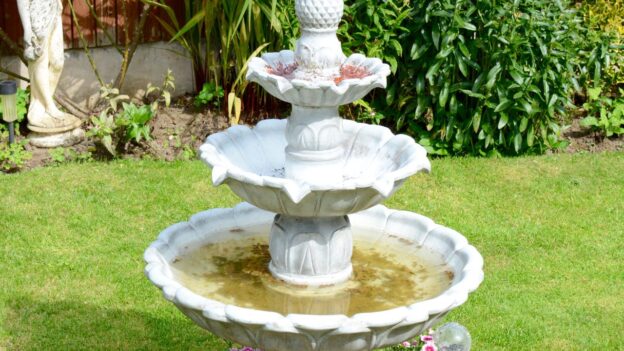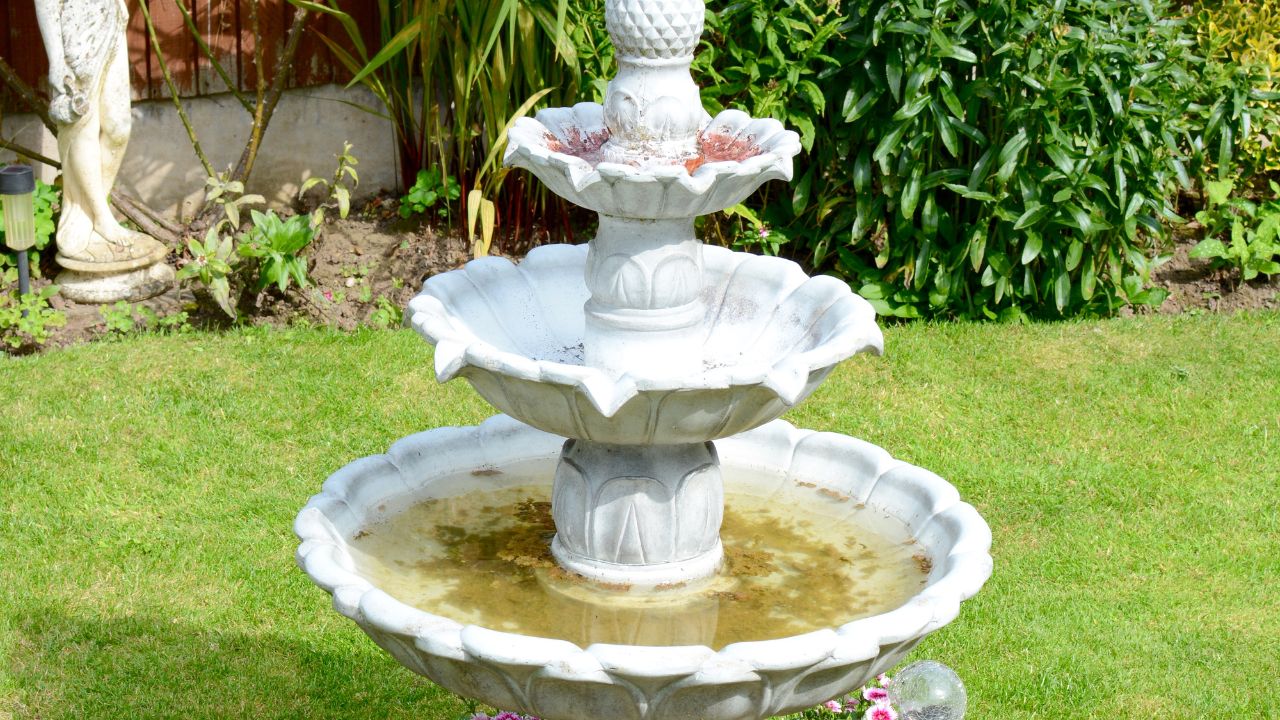
 Installing an outdoor fountain transforms landscapes into relaxing retreats with soothing water sounds and visual appeal. The decision between professional fountain installation and DIY fountain installation depends on fountain complexity, safety requirements, budget constraints, and technical skill levels. This guide examines fountain types, materials, installation approaches, safety standards, and scenarios requiring expert fountain services.
Key Takeaways
- Professional fountain installation costs 50-100% more than DIY, but ensures code compliance and warranty protection
- DIY installation offers 30-50% labor savings but carries a 30% failure rate and potential safety hazards
- All outdoor fountains require GFCI-protected outlets within 6 feet of the installation location
- Material choice affects longevity significantly, with premium fountains lasting 30-50+ years versus budget options at 5-10 years
- Wall-mounted, waterfall, and smart technology fountains typically require specialized expertise for safe installation
What Are the Types and Components of Outdoor Fountains?
Fountains are available in five primary categories serving distinct aesthetic and functional requirements. Understanding these categories helps determine appropriate fountain installer cost and installation complexity.
What Are the Different Fountain Types?
Freestanding fountains are self-contained units placeable anywhere without wall mounting. Wall-mounted fountains affix to surfaces, creating elegant water features that maximize space. Waterfall fountains create cascading effects flowing down multiple levels or rock formations. Pond fountains are installed within existing water bodies, serving aesthetic and functional purposes. Solar-powered fountains utilize photovoltaic technology to operate pumps without electrical connections.
Freestanding models hold 28% market share and offer maximum placement flexibility. Wall-mounted fountains account for 22% of installations and require professional wall structure assessment. Waterfall systems represent 20% of the market and demand complex plumbing for proper circulation. Pond fountains comprise 18% of installations and improve water quality. Solar-powered options constitute 12% of the market and appeal to consumers seeking energy-efficient solutions.
What Are the Materials Commonly Used in Fountain Construction?
Fiberglass materials hold 28% market share due to lightweight portability, weather resistance, and affordable pricing. Stone materials hold 25% market share and provide timeless elegance with exceptional durability. Metal materials hold 22% market share and offer modern aesthetics with corrosion resistance. Ceramic materials hold 15% market share and feature vibrant colors, but require climate considerations. Concrete materials hold 10% market share and deliver versatility for custom designs.
Durable fountain materials directly impacts maintenance requirements and longevity. Fiberglass fountains range from $120 to $2,800 and offer low maintenance. Stone installations cost between $500 and $25,000 and require periodic sealing. Metal fountains are priced from $300 to $8,000 and develop an attractive patina. Ceramic options range from $100 to $1,500 but suffer freeze-thaw damage in cold climates. Concrete fountains cost between $600 and $7,000 and need regular sealing.
How Do Fountain Price Segments Differ?
Budget segment fountains priced between $130 and $500 hold 35% market share among first-time buyers. Mid-range segment fountains costing $800 to $3,000 hold 45% market share. Premium segment fountains, ranging from $3,000 to $70,000+, hold 20% market share for luxury applications. The national average installation cost is $4,300. Typical installation range is $1,100 to $7,500, depending on fountain size, material selection, and professional labor.
Budget fountains last 5-10 years with basic pump systems. Mid-range models last 15-20 years and feature efficient circulation systems. Premium fountains last 30-50+ years and incorporate advanced technology. Material costs represent 40-60% of total expenses, while labor accounts for the remaining costs. DIY installations eliminate professional labor but require 4 to 12 weeks.
What Are the Key Differences Between Professional and DIY Fountain Installation?
Professional installation provides expertise, code compliance, and warranty protection but costs 50-100% more than DIY. DIY installation offers substantial labor savings of 30-50% but carries a higher risk. Understanding these differences helps homeowners make informed decisions.
What Are the Benefits and Risks of DIY Installation?
DIY installation offers 30-50% cost savings on labor versus professional fountain installation. DIY installation success rate is approximately 70%, meaning three in ten projects encounter significant problems. Leaks from improper installation can damage foundations and create water waste. DIY installation requires a significant time commitment of 4-12 weeks. Electrical shock hazards without GFCI protection pose serious safety risks.
Budget segment fountains ($130-$500) are best suited for DIY approaches. Outdoor fountain installation made easy requires proper site assessment, foundation preparation, and electrical safety verification. Small pre-made freestanding models offer personalization and timeline control. Technical knowledge gaps can result in costly repairs exceeding original professional installation savings. Homeowners lacking electrical experience should hire licensed electricians for safe GFCI outlet installation.
What Advantages Do Professionals Offer?
Professional installation costs 50-100% premium over DIY but ensures code compliance and warranty coverage. Expert installers complete projects in 3-7 days compared to 4-12 weeks for DIY. Quality assurance includes structural verification, electrical safety compliance, and leak prevention. Warranty support typically covers 1-3 years for materials and labor. Professionals handle necessary permits and navigate local building codes.
Specialized knowledge enables proper wall structure assessment and complex plumbing configurations. Expert fountain services eliminate guesswork for electrical connections, foundation preparation, and drainage implementation. Professionals maintain liability insurance protecting homeowners from installation-related damage. Licensed contractors provide accurate fountain setup advice for optimal placement based on electrical access and drainage. Commercial applications always require professional installation to meet stricter safety standards.
When Is Each Installation Approach Most Suitable?
Small tabletop and basic freestanding fountains ($100-$1,500) are excellent candidates for competent DIY installation. Professional installation becomes essential for wall-mounted fountains requiring structural assessment. Waterfall systems demanding complex multi-level plumbing need experienced expertise. Pond fountains integrating with existing water bodies require specialized knowledge for pump placement. Solar-powered systems with battery storage benefit from professional electrical configuration.
Budget-conscious consumers with technical aptitude can successfully install simple pre-made fountains. Homeowners lacking electrical experience or time should invest in professional installation. Properties requiring extensive foundation work or structural modifications demand professional engineering. Custom architectural fountains exceeding $5,000 justify professional installation through long-term reliability. DIY garden fountain repair differs from new installation and may require professional diagnosis.
How Do Safety Standards and Building Codes Impact Fountain Installation?
Safety standards and building codes establish minimum requirements for electrical protection, structural integrity, and water management. Compliance prevents electrical shock hazards, foundation damage, and code violations.
What Electrical Safety Requirements Must Be Met?
All outdoor fountains must connect to GFCI-protected outlets to prevent fatal electrical shocks. A GFCI outlet must be within 6 feet of the fountain location per the National Electrical Code. GFCI (Ground Fault Circuit Interrupt) outlets prevent shock by cutting power when current leakage occurs. Verify all electrical connections meet GFCI requirements before filling the fountain. Extension cords acceptable only with built-in GFCI protection and outdoor-rated construction.
Outdoor-rated electrical wiring requires weatherproof junction boxes and conduit protection. Fountains within 10 feet of electrical signs or equipment must have dedicated GFCI circuit protection. Commercial installations require stricter NEC compliance. Homeowners lacking electrical knowledge should hire licensed electricians. DIY electrical work without proper knowledge creates serious liability risks.
What Plumbing and Structural Considerations Are Essential?
Ensure proper foundation preparation and leveling to prevent structural stress and uneven water distribution. Verify proper drainage and assess structural support for the fountain’s weight plus water volume. Implement drainage systems to prevent water pooling. Water damage occurs if the fountain is placed within 3-5 feet of building foundations. Structural failure without adequate foundation support occurs when soil subsidence creates settling.
Recirculating systems require filtration, preventing pump clogs and algae growth. Drinking fountain fixtures demand 18-inch separation from outlets to contamination sources. Site assessment evaluates soil stability, drainage, electrical access, and visual prominence. Foundation requirements vary based on fountain weight, with large installations needing concrete pads. Leveling verification uses precision tools ensuring even water flow.
How Do Local Codes Influence Installation Choices?
Code compliance violations can result in fines, removal orders, and homeowner liability. Municipal regulations vary regarding water feature placement, electrical requirements, and noise ordinances. Permit requirements differ between residential and commercial properties. Professional installers maintain current knowledge of local codes. Homeowner associations may impose additional restrictions on fountain styles and placement.
Setback requirements mandate minimum distances from property lines. Height restrictions limit fountain dimensions in certain residential zones. Water conservation ordinances may restrict fountain sizes or require recirculating systems. Noise regulations limit fountain operation hours. Professional contractors secure necessary permits, streamlining approval processes.
How Does Fountain Complexity Influence Installation Decisions?
Fountain complexity determines whether DIY installation remains feasible or professional expertise becomes necessary. Simple self-contained units allow straightforward assembly, while integrated systems demand specialized knowledge.
Which Fountains Require Specialized Expertise?
Wall-mounted fountains require wall structure assessment to verify load-bearing capacity. Waterfall fountains require more space and have complex plumbing managing multi-level circulation. Pond fountains require an existing pond with proper depth for submersible pumps. Custom architectural installations exceeding $10,000 demand professional engineering. Large freestanding fountains weighing over 500 pounds need foundation engineering to prevent settling.
Electrical integration beyond basic GFCI outlet connection requires licensed electrician expertise. Multiple pump systems coordinating water flow need professional configuration. Sculptural fountains with intricate patterns demand precise pump calibration. Underground plumbing installations require professional excavation and pipe fitting. Commercial-grade fountains justify professional installation investment through longevity.
How Does Technology Integration Affect Installation?
Smart fountain technology adoption, estimated at 15-20% by 2028, introduces complexity requiring professional configuration. Solar-powered fountains require optimal panel placement and battery system integration. Choose locations with adequate sunlight, ensuring consistent operation. IoT-enabled systems with remote monitoring need network configuration. Automated lighting synchronized with water flow requires electrical integration and programming.
Advanced filtration systems demand proper pump sizing and plumbing configuration. Water quality sensors triggering alerts need calibration and system integration. Timer-controlled operation requires an electrical configuration coordinating multiple components. Voice-activated smart home integration connects fountains through WiFi networks. Professional installers provide training on system operation and maintenance.
What Role Does Site Assessment Play in Installation?
Conduct a thorough site assessment evaluating electrical access, drainage patterns, and structural requirements. Soil stability testing determines foundation needs, preventing settling issues. Sunlight exposure analysis identifies optimal placement for solar fountains. Proximity to seating areas maximizes enjoyment without excessive noise. Visual sight lines ensure the fountain becomes an attractive focal point.
Electrical outlet locations within 6 feet eliminate extension cord needs. Drainage evaluation prevents water runoff damage to lawns and foundations. Wind pattern assessment prevents excessive water spray loss. Underground utility marking prevents accidental damage during excavation. A professional site assessment identifies potential problems before installation.
What Are the Maintenance and Operational Considerations Post-Installation?
Post-installation maintenance significantly impacts fountain longevity, operational costs, and aesthetic appeal. Professional setups often include maintenance plans, while DIY installations require homeowner commitment.
How Does Maintenance Differ for DIY vs Professional Setups?
Rural areas have limited access to specialized maintenance services. Budget for professional maintenance annually, costing $150-$500. DIY maintenance includes weekly water monitoring, monthly pump cleaning, and quarterly algae treatment. Professional maintenance contracts provide scheduled visits, priority response, and discounted parts. Warranty coverage often requires documented professional maintenance.
Water quality testing identifies pH imbalances and algae growth requiring chemical treatments. Pump inspection verifies proper operation and clears debris blockages. Winter shutdown procedures prevent freeze damage to pumps and structures. Spring startup procedures include cleaning, component inspection, and system testing. Professional maintenance services provide comprehensive seasonal care, eliminating homeowner time commitment.
What Are Best Practices for Seasonal Care and Upkeep?
Establish a regular cleaning schedule, removing debris and preventing algae growth. Monitor pump and water levels, preventing dry-running damage. Plan for seasonal winterization, protecting fountains from freeze-thaw damage. Test water circulation before final installation, ensuring proper flow rates. Document installation for warranty purposes, including photos and receipts.
Seasonal fountain care tips include spring startup, summer algae prevention, fall preparation, and winter storage protocols. Drain fountains completely before freezing temperatures. Cover stored fountains with weatherproof tarps, protecting finishes. Lubricate pump seals annually, extending operational life. Remove mineral deposits using appropriate cleaning solutions.
How Do Materials and Technology Affect Longevity?
Budget fountains last 5-10 years versus mid-range models lasting 15-20 years. Premium fountains last 30-50+ years versus budget options lasting 5-10 years. Freeze-thaw damage causes ceramic cracking. Stone fountains require periodic sealing every 2-3 years. Concrete fountains require periodic sealing maintaining water-tightness.
Fiberglass materials resist UV degradation, maintaining appearance over extended service lives. Metal fountains develop protective patina, preventing corrosion. Pump quality significantly impacts longevity, with premium models lasting 10-15 years. Solar panel degradation reduces efficiency by 15-20% over a 20-year lifespan. Smart technology components require firmware updates and occasional hardware replacement.
How Do Consumer Preferences and Regional Factors Affect Installation Choices?
Consumer preferences vary based on location, demographics, and regional market characteristics. Urban versus rural settings create different installation constraints and service availability.
How Does Urban Vs. Rural Location Influence Installation Method?
Urban areas account for 80% of the fountain market due to higher population density. Rural areas account for 20% of the fountain market with larger properties. Urban consumers prefer compact designs versus rural consumers preferring larger fountains. Higher professional service availability in urban areas reduces reliance on DIY. Rural properties often require greater DIY capability.
Space constraints in urban settings favor wall-mounted and compact fountains. Urban water conservation regulations may restrict fountain sizes. Rural properties accommodate large waterfall and pond installations. Professional fountain installer cost remains consistent across regions, but travel fees increase for remote locations. Urban consumers access a wider product selection through local retailers.
What Demographic Trends Affect Fountain Selection?
Millennials have 28% adoption rate, preferring modern designs with smart technology. Generation X has 27% adoption rate, valuing quality craftsmanship. Baby Boomers have 29% adoption rate, favoring traditional designs. Generation Z has 26% adoption rate seeking eco-friendly designs. Millennials prefer modern designs, while Baby Boomers prefer classic styles.
Price sensitivity varies across demographics. Millennials allocate $800-$3,000 for mid-range fountains. Baby Boomers invest $3,000-$25,000 in premium installations. Generation X seeks durable mid-to-premium options ($800-$8,000). Generation Z budget-conscious buyers save for quality installations ($130-$3,000).
How Do Regional Regulations and Market Trends Play a Role?
The global fountain market, valued at $12.79 billion USD in 2025, demonstrates substantial consumer investment. The market is projected to reach $36.26 billion by 2033. CAGR of 13.91% during the 2026-2033 forecast period represents aggressive expansion. North America maintains 40% market share. Asia-Pacific demonstrates 12% CAGR growth rate fueled by urbanization.
Water conservation regulations mandate recirculating systems and restrict operational hours. Municipal incentives promote sustainable water features through rebates. Climate considerations influence material selection, with freeze-resistant options required in northern regions. Coastal properties require corrosion-resistant materials that withstand salt air. Professional installation rates vary regionally based on labor costs and permitting requirements.
When Is It Crucial to Call Fountain Installation Experts?
Certain installation scenarios absolutely require professional expertise to ensure safety, code compliance, and long-term reliability. Homeowners should recognize their skill limitations and invest in expert fountain services when conditions warrant.
What Installation Scenarios Demand Professional Expertise?
Wall-mounted installations exceeding 100 pounds require a structural engineering assessment. Electrical work beyond basic GFCI outlet connection demands a licensed electrician’s expertise. Custom architectural fountains costing over $10,000 justify professional installation, protecting substantial investments. Commercial properties require professional installation meeting stricter safety standards. Properties with underground utilities need professional excavation to coordinate utility location.
Foundation work requiring concrete pads demands professional engineering to ensure stability. Multi-pump systems coordinating complex circulation need professional configuration. Integration with existing irrigation or pond systems requires professional plumbing expertise. Historic properties need specialized expertise to maintain historical integrity. Professional backyard pond installer benefits include expertise, warranty protection, and code compliance assurance.
How Do Complex Designs and Technology Impact This Decision?
Smart fountain systems with IoT integration require network configuration beyond typical homeowner capabilities. Solar installations with battery storage need electrical expertise to ensure safe operation. Automated lighting synchronized with water flow demands, integrated system programming. Voice-controlled smart home integration connects fountains through complex device pairing. Advanced filtration systems require proper sizing calculations and plumbing configuration.
Water feature automation scheduling operation requires electrical configuration and timer programming. Remote monitoring systems alerting homeowners demand sensor calibration and app configuration. Multi-zone fountains with independent controls need professional wiring to separate circuits. Architectural lighting highlighting features requires low-voltage transformer installation. Professional installation includes system training enabling homeowners to operate complex technology.
What Are the Risks of Skipping Professional Installation?
Electrical hazards without proper GFCI protection create fatal shock risks. Structural failure from inadequate foundations causes a fountain collapse, damaging landscapes. Code violations result in fines, removal orders, and insurance coverage denials. Water damage from improper drainage undermines building foundations. Warranty voidance occurs when manufacturers require professional installation.
Improper pump installation reduces efficiency, increasing electricity costs. Inadequate sealing creates persistent leaks, wasting water. Poor electrical connections create fire hazards. Installation mistakes requiring professional repairs often exceed original professional installation costs. Liability risks from injuries or property damage expose homeowners to lawsuits. The water fountain installation and maintenance FAQ provides additional guidance for common installation questions.
Professional Fountain Installation and DIY: Balancing Expertise, Cost, and Outcomes
Choosing between professional fountain installation and DIY approaches requires careful evaluation of fountain complexity, budget, safety requirements, and personal capabilities. While DIY installation offers significant cost savings of 30-50% on labor, the 30% failure rate and potential safety hazards demand realistic self-assessment. Professional installation provides expertise, warranty protection, and code compliance assurance, justifying premium costs for complex projects. Understanding material longevity, maintenance requirements, and regional factors enables informed decisions aligned with long-term satisfaction goals. Orange County Pond Services has helped Southern California homeowners make these decisions since 2001, combining a repair-first philosophy with comprehensive installation expertise.
Whether planning a simple tabletop fountain or an architectural waterfall system, proper installation ensures decades of reliable operation. Evaluate your technical skills honestly, consider fountain setup advice from experienced professionals, and prioritize safety above cost savings. The right installation approach transforms your landscape into a tranquil retreat, providing enjoyment for years to come.
Ready to Get Your Fountain Installed the Right Way? Call Orange County Pond Services.
You now know the risks of DIY fountain installation — leaks, electrical hazards, code violations, and a 30% failure rate that can cost more to fix than hiring a pro in the first place. If your project involves wall-mounted fixtures, waterfall systems, pond integration, or any electrical work, the smart move is to call a specialist.
Orange County Pond Services has been installing, repairing, and maintaining fountains across Orange County since 2001. We handle permits, electrical safety compliance, proper drainage, and long-term performance — all backed by a one-year warranty on materials and labor. Whether you’re starting from scratch or rescuing a DIY project that didn’t go as planned, we’ll give you a straight assessment and a solution that lasts.
Request a free fountain installation consultation, and let’s build the water feature your property deserves.