Key Takeaways:
- Size defines classification. Ponds typically measure under 20 acres with full sunlight penetration; lakes are larger with aphotic zones where light cannot reach.
- Temperature behaves differently. Ponds maintain uniform temperatures throughout; lakes develop thermal stratification with distinct warm and cold layers.
- Ecosystems vary in complexity. The pond ecosystem is simpler and easier to control; lakes support higher biodiversity but require ecosystem-based management.
- Maintenance needs differ. Ponds demand frequent intervention, including aeration and filtration; lakes need strategic oversight to maintain natural balance.
- Classification guides care. Understanding lake vs pond differences ensures proper water feature management and prevents costly mistakes.
The primary lake vs pond differences come down to size, depth, and ecological complexity.
Both are inland bodies of water. Both support aquatic life. Yet they present vastly different conditions for plant growth, wildlife, and water quality. The water feature size comparison matters more than most property owners realize. Physical dimensions directly impact temperature stability, oxygen levels, and the pond ecosystem as a whole. Larger, deeper lakes behave differently from shallow ponds—each requires distinct management approaches.
Understanding natural pond characteristics versus lake features helps you make informed decisions. Whether you are stocking fish, managing vegetation, or planning pond and fountain repair in Orange County, the classification guides your strategy. The right choice depends on your goals, target species, and available resources. Get the basics right, and long-term maintenance becomes far simpler.
What Defines a Pond?
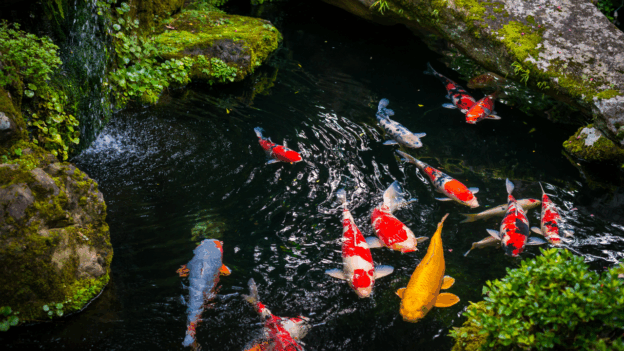
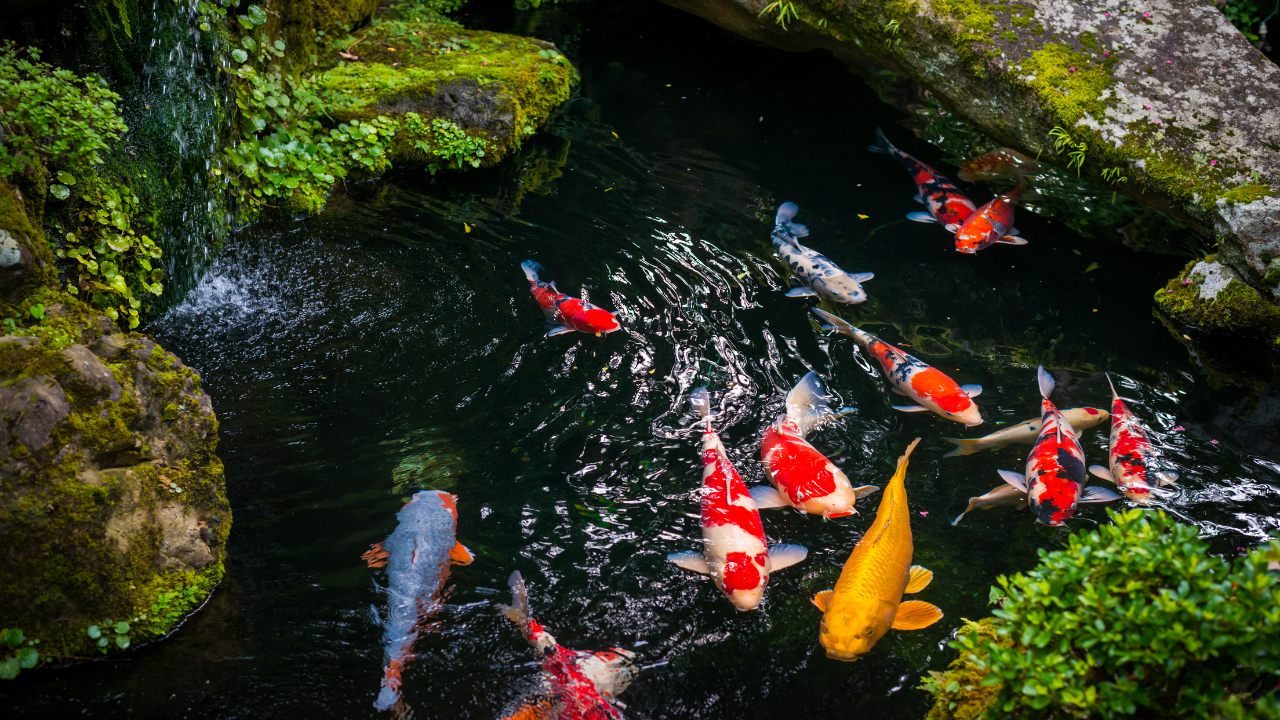
A pond is a small, shallow body of water where sunlight reaches the bottom throughout.
In water feature size comparison terms, ponds typically measure under 20 acres. Their defining natural pond characteristics include full light penetration from surface to floor. This creates a photic zone across the entire water body. Sunlight fuels plant growth on both the bottom and surface, supporting a thriving pond ecosystem. These conditions shape everything from vegetation patterns to fish populations.
How Deep Is a Typical Pond?
Ponds are shallow enough for sunlight to penetrate the entire water column.
This shallow depth creates uniform temperatures from top to bottom. Unlike deeper water bodies, ponds lack distinct thermal layers. Water mixes freely, distributing heat and oxygen more evenly. This consistency simplifies pond and fountain repair in Orange County—technicians work with predictable conditions. The uniform environment also influences which species thrive and what maintenance each pond requires.
What Plants and Wildlife Live in Ponds?
Aquatic plants are vital to every healthy pond ecosystem—they provide oxygen, food, and shelter for fish.
The lake vs pond differences become clear when examining wildlife. Ponds favor warm-water species that tolerate lower oxygen levels and higher stocking densities. Common pond fish include tilapia, catfish, bluegill, and largemouth bass. These species thrive in warmer, uniform temperatures. Natural pond characteristics like full-bottom sunlight promote dense vegetation that supports this entire food chain.
What Defines a Lake?
A lake is a larger, deeper body of water with zones where sunlight cannot reach.
The lake vs pond differences are most evident in depth and scale. Lakes contain aphotic zones—dark areas too deep for light penetration. This limits plant growth to shoreline areas only. Unlike natural pond characteristics, lake ecosystems develop distinct layers and support greater biodiversity. These complex systems require different management strategies than smaller water features.
How Deep Is a Typical Lake?
Lakes are deep enough to develop distinct temperature layers called thermal stratification.
This stratification creates three zones: a warm surface layer (epilimnion), a transitional middle zone (thermocline), and a cold, oxygen-deprived bottom layer (hypolimnion). The water feature size comparison reveals why this matters. Deep lakes trap coldwater species in narrow bands with adequate oxygen and temperature. This complexity affects everything from fish health to long-term maintenance planning for pond and fountain repair in Orange County properties with lake features.
What Ecosystems Exist in Lakes?
Lakes support complex ecosystems with high biodiversity that require careful, ecosystem-based management.
Unlike a simpler pond ecosystem, lakes demand consideration of native fish populations, water quality, and the surrounding environment. Coldwater species thrive here—trout, salmon, hybrid striped bass, and yellow perch prefer cooler, deeper habitats. These fish require higher water quality and more space than ponds provide. Managing lake vs pond differences means understanding that lakes need less intervention but more strategic oversight to maintain balance.
What Are the Key Differences Between Lakes and Ponds?
The major lake vs pond differences span size, depth, temperature, plant growth, and wildlife.
| Factor | Pond | Lake |
| Size | Typically under 20 acres | Larger surface area |
| Depth | Shallow; uniform light penetration | Deep; contains aphotic zones |
| Temperature | Uniform throughout the water column | Thermal stratification present |
| Plant Growth | Throughout the entire water body | Limited to shoreline areas |
| Ecosystem | Simpler; easier to control | Complex, high biodiversity |
| Fish Species | Warm-water (tilapia, catfish) | Cold-water (trout, salmon) |
Depth and Light Penetration
Depth determines how light travels through water—and this shapes the entire ecosystem.
In ponds, sunlight reaches the bottom. This creates a photic zone throughout the water body. Natural pond characteristics include full light access that fuels plant growth everywhere. Lakes differ significantly. Aphotic zones exist in deeper sections where sunlight cannot penetrate. This water feature size comparison explains why vegetation patterns vary so dramatically between the two.
Temperature Stratification
Ponds maintain uniform temperatures while lakes develop distinct thermal layers.
Shallow depth keeps pond water mixed. Heat is distributed evenly from the surface to the bottom. Lakes exhibit thermal stratification—three separate layers form. The epilimnion stays warm at the surface. The thermocline serves as a transitional zone. The hypolimnion remains cold and oxygen-deprived at the bottom. This stratification confines coldwater species to narrow bands. Understanding these lake vs pond differences helps guide pond and fountain repair in Orange County and informs proper maintenance strategies.
Plant Growth Patterns
Pond plants grow throughout the entire water body; lake vegetation stays near the shoreline.
Full sunlight penetration lets pond ecosystem plants colonize the bottom and surface alike. Lakes restrict growth to shallow margins where light reaches. This distinction matters for maintenance. Plant overgrowth in ponds can deplete oxygen at night, harming fish. Managing vegetation is essential in both environments—but the approach differs based on natural pond characteristics and water depth.
Wildlife and Fish Populations
Ponds support warm-water species; lakes accommodate coldwater fish requiring more space and higher water quality.
The pond ecosystem favors tilapia, catfish, bluegill, and bass. These species tolerate higher stocking densities and uniform temperatures. Lakes support a wider range—trout, salmon, hybrid striped bass, and yellow perch thrive in cooler, deeper habitats. Cage culture in lakes allows cultivation of species needing more room than ponds provide. This water feature size comparison directly impacts which fish your property can sustain.
How Do Maintenance Needs Differ Between Lakes and Ponds?
Ponds require intensive, hands-on management while lakes need strategic oversight to maintain natural balance.
The lake vs pond differences extend directly to maintenance demands. Each water feature size comparison reveals distinct challenges. Understanding these requirements helps property owners plan effectively and budget for proper pond and fountain repair in Orange County.
What Are Common Pond Maintenance Requirements?
Ponds require frequent intervention due to smaller volumes and rapid water quality fluctuations.
Higher stocking densities stress the pond ecosystem faster. Fish waste and uneaten feed add nutrients that trigger algal blooms. These blooms deplete oxygen—potentially killing fish overnight. Nutrient management becomes the primary concern. Most ponds need mechanical aeration and filtration systems to maintain healthy conditions. The good news: simpler ecosystems mean easier control. Natural pond characteristics allow targeted solutions. Regular monitoring and quick responses keep small problems from becoming disasters.
What Are Common Lake Maintenance Requirements?
Lakes offer more stable water quality but demand careful ecosystem-based management.
Larger volume buffers against rapid fluctuations. However, thermal stratification creates unique challenges. Deeper waters can become anoxic—oxygen-deprived zones that stress or kill fish. Cage aquaculture, if present, risks localized pollution without proper oversight. The lake vs pond differences here favor patience over intervention. Lake management focuses on maintaining natural balance and preventing environmental damage. Long-term sustainability requires understanding the whole system, not just treating symptoms.
Which Is Better for Your Property: a Lake or a Pond?
Neither is universally better—the right choice depends on your goals, target species, and available resources.
Ponds offer a more controlled environment. They suit property owners who prefer intensive management and hands-on involvement. Natural pond characteristics make problems easier to identify and fix. The pond ecosystem responds quickly to intervention. However, smaller volumes demand more active maintenance—aeration, filtration, and regular monitoring. For those wanting specific warm-water fish at higher densities, ponds deliver predictable results.
Lakes provide stability and biodiversity. Larger volumes buffer against rapid water quality swings. They support wider species variety, including coldwater fish that ponds cannot sustain. The tradeoff: lake vs pond differences mean less control over the system. Mismanagement creates environmental impacts harder to reverse. If you value a natural, self-sustaining water feature, lakes excel. For Orange County properties considering either option, consult experts in pond and fountain repair to assess your site conditions before deciding. The water feature size comparison should match your long-term vision and maintenance capacity.
Frequently Asked Questions About Lakes and Ponds
Can a Pond Become a Lake?
Technically, yes—but it rarely happens naturally and takes considerable time.
Ponds can evolve into lakes through geological changes, dam construction, or deliberate expansion. The water feature size comparison shifts when depth and surface area increase significantly. However, the opposite occurs more often. Lakes gradually fill with sediment and organic matter, becoming shallower over centuries. Eventually, natural pond characteristics emerge. For property owners, artificial expansion requires permits, engineering, and significant investment. Most find it simpler to optimize their existing pond ecosystem rather than attempting conversion.
Do Lakes and Ponds Have Different Water Sources?
Both can share similar water sources, but volume requirements differ substantially.
Ponds and lakes draw from groundwater, springs, streams, rainfall, and runoff. The lake vs pond differences lie in how much water each needs to maintain levels. Ponds lose water faster relative to their size through evaporation and seepage. They often require supplemental sources or liners to stay full. Lakes hold volume longer due to greater depth. Understanding your water source helps plan effective pond and fountain repair in Orange County—especially during dry seasons when levels drop.
Are Fishing Regulations Different for Lakes vs Ponds?
Regulations often vary based on ownership, size, and public access rather than classification alone.
Private ponds on personal property typically face fewer restrictions. Owners control stocking, catch limits, and fishing access. Public lakes and larger water bodies fall under state wildlife agency oversight. Permits, seasons, and size limits apply. The lake vs pond differences in regulation also depend on the species present. Some fish require special permits regardless of water body type. Check local Orange County ordinances before stocking or fishing—rules protect both the pond ecosystem and native wildlife populations.
Lake or Pond – Why Classification Matters
Correct classification guides every decision—from stocking fish to scheduling maintenance.
Both lakes and ponds offer unique opportunities and challenges. The lake vs pond differences impact water quality, species selection, plant management, and long-term costs. Understanding natural pond characteristics versus lake complexity helps you set realistic expectations. A pond ecosystem demands frequent intervention but responds quickly to care. Lakes require patience and ecosystem-based thinking.
Proper water feature size comparison ensures you choose the right approach from day one. Misclassifying your water body leads to wrong treatments, wasted resources, and frustrated outcomes. Whether managing vegetation, aerating water, or planning pond and fountain repair in Orange County, classification matters. Know what you have, understand how it behaves, and maintain it accordingly. That knowledge transforms water feature ownership from guesswork into success.
Expert Help for Your Lake or Pond
Not sure what your water feature needs? Orange County Pond Services provides professional pond and fountain repair in Orange County. From water quality testing to full ecosystem management, our team handles lakes and ponds of every size.
Contact Orange County Pond Services today for a free assessment. Let us help you maintain a healthy, thriving water feature year-round.
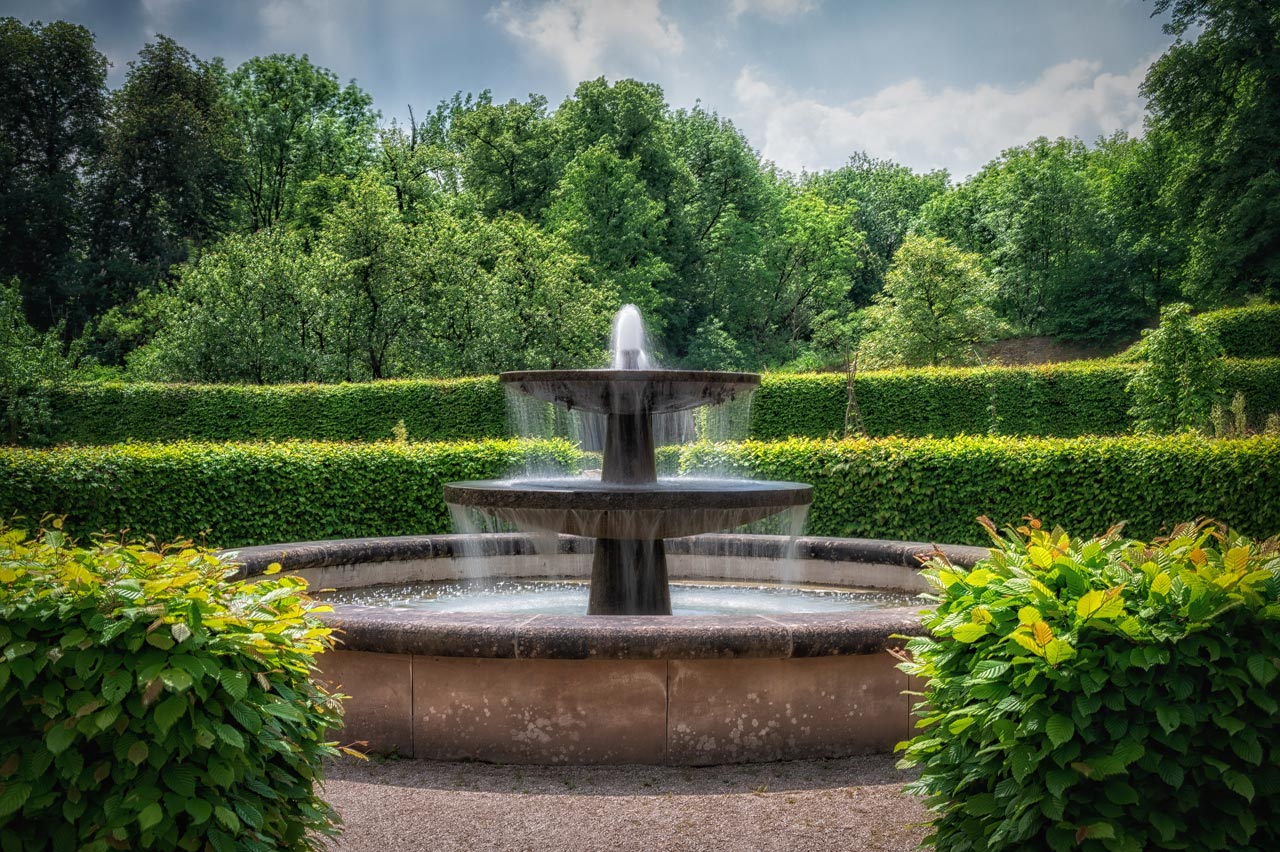
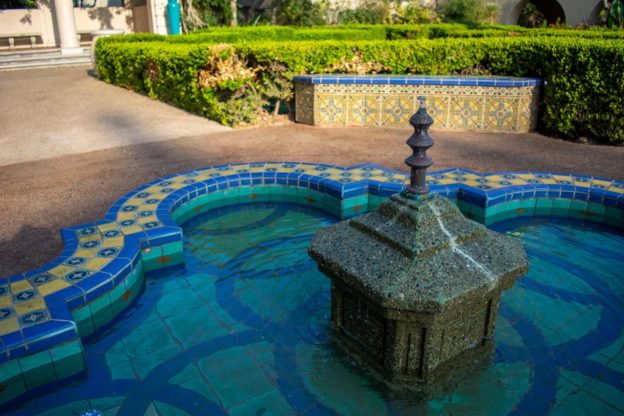
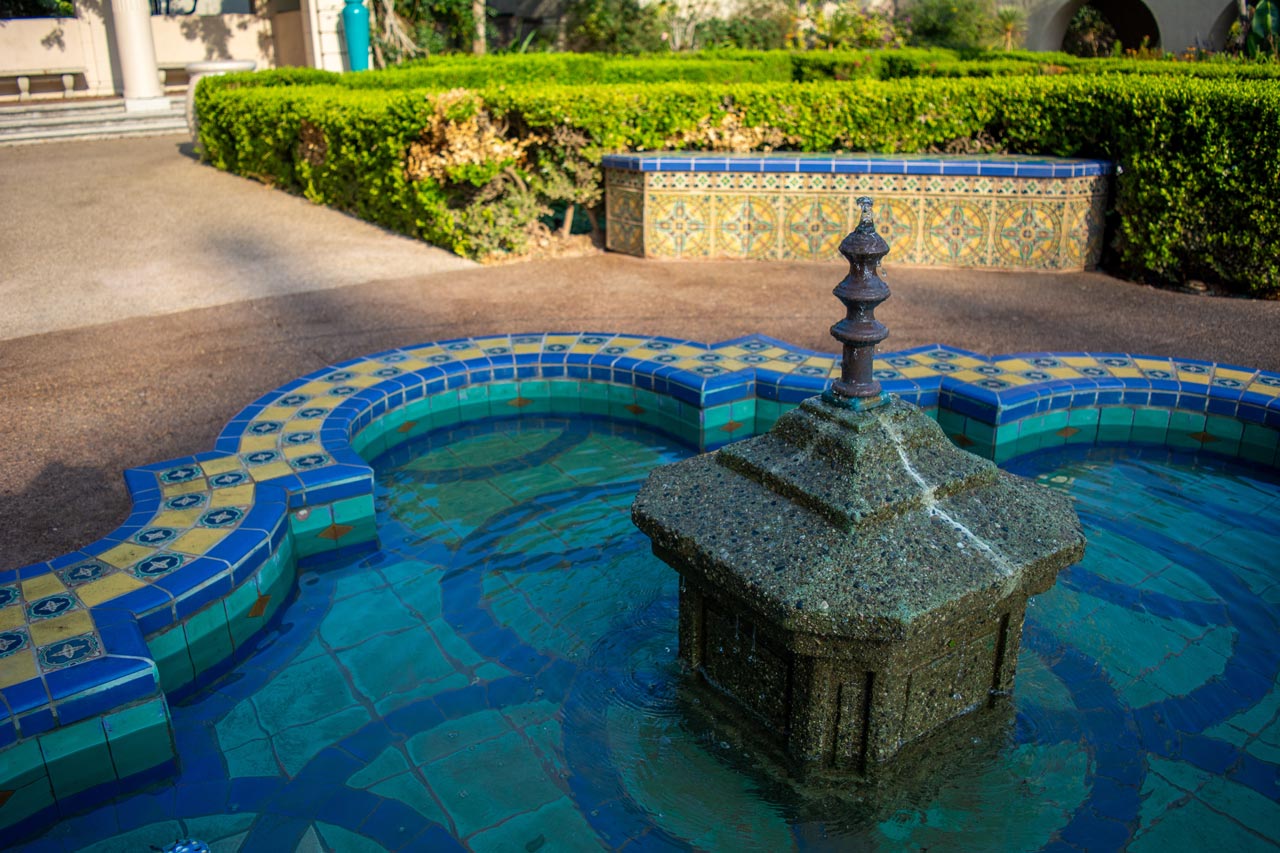 An outdoor water fountain not only adds aesthetic value to your home, garden, or business but also improves curb appeal. While it is a beautiful water feature to have in your exterior space, it can also be aggravating when it begins to leak, requiring the help of professional