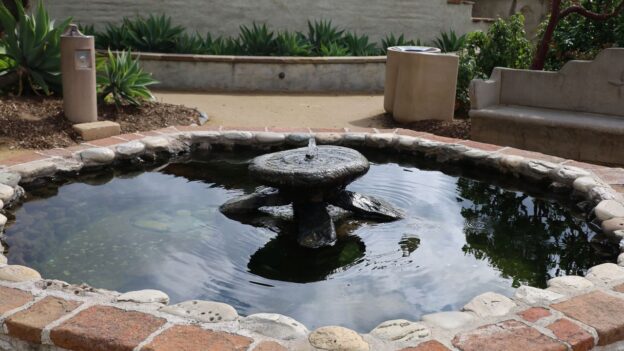
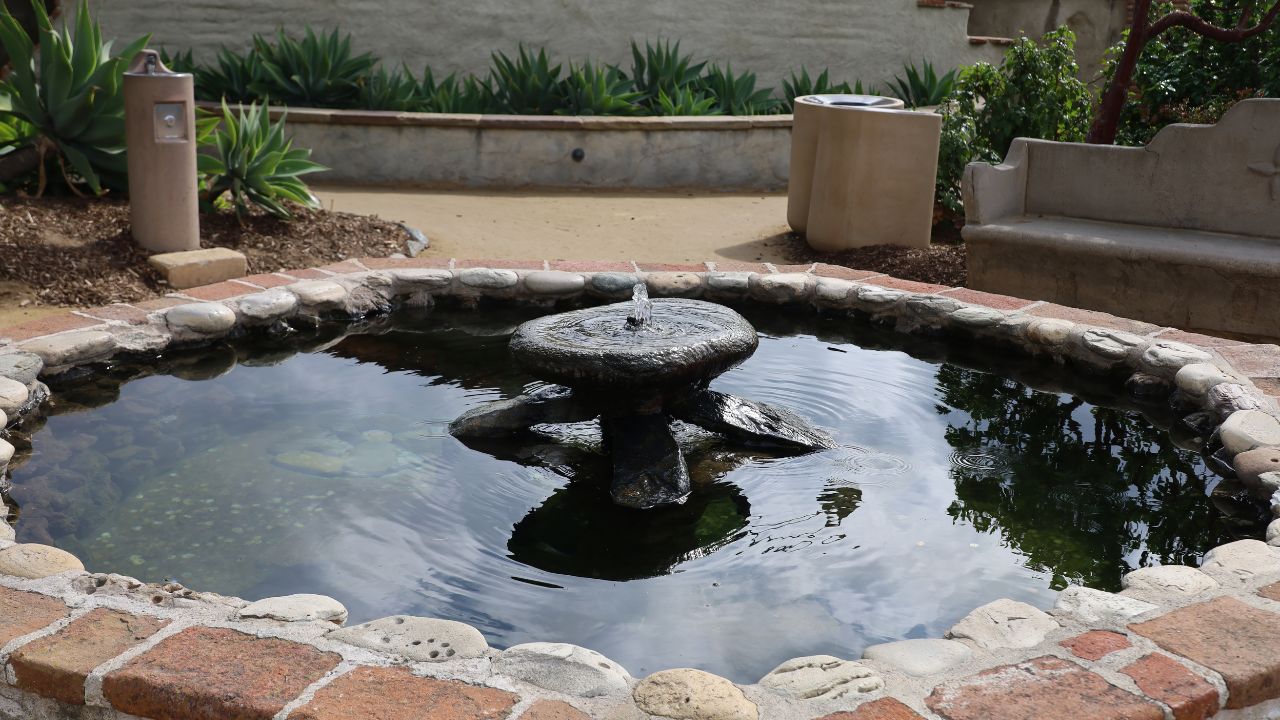
 Choosing between solar and electric fountains requires understanding how each power source affects installation, operation, and long-term expenses. Solar vs electric fountains differ primarily in energy sourcing, weather dependence, and total ownership costs. The fountain market has shifted significantly, with solar models capturing 38% market share through 8-12% annual growth while electric options maintain 57% dominance.
Both fountain power options serve distinct purposes based on location, climate, and homeowner priorities. Solar fountains eliminate electrical wiring and ongoing utility costs, ideal for remote locations. Electric fountains deliver consistent water flow regardless of weather conditions, suiting permanent installations requiring reliable year-round performance.
Key Takeaways
- Solar fountains cost 10-20% more initially, but eliminate ongoing electricity expenses
- Electric fountains provide consistent operation and cost only $1.14 monthly to run
- Solar models reach cost break-even with electric fountains between years 3 and 5
- Cast stone fountains offer premium durability, while resin provides budget-friendly portability
- Installation complexity varies significantly between power options and material choices
What Are Solar and Electric Fountains?
Solar and electric fountains represent two distinct approaches to powering outdoor water features. Solar fountains use photovoltaic panels to convert sunlight into electricity, while electric models connect to standard household outlets. Both systems circulate water through pump mechanisms, but their energy sources create different installation requirements and operating characteristics.
The choice between these fountain power options affects initial investment, maintenance routines, and environmental impact. Solar installations require adequate sun exposure and benefit from battery backup systems for extended operation. Electric fountains demand access to GFCI-protected outlets but provide uninterrupted water circulation independent of weather.
How Do Solar Fountains Work?
Solar fountains operate using photovoltaic panels that convert sunlight directly into electricity to run the pump. These panels contain semiconductor materials that generate electrical current when exposed to sunlight. Most models include battery storage systems that extend operation into cloudy periods or evening hours.
Panel efficiency determines how effectively these systems convert available light into usable power. Premium solar fountains incorporate larger panels or multiple smaller units to maximize energy capture. The pump activates automatically when sufficient sunlight reaches the panel, creating a self-regulating system requiring no manual intervention.
How Do Electric Fountains Operate?
Electric fountains draw power from standard 110V or 220V household outlets through waterproof electrical connections. The submersible pump receives constant voltage, maintaining consistent water pressure and flow rates regardless of external conditions. This reliable power delivery enables larger pumps and more dramatic water displays than solar alternatives typically support.
Installation requires proper GFCI protection to prevent electrical hazards near water sources. Professional electricians often install dedicated circuits for permanent fountain installations, ensuring adequate power supply and safety compliance. The continuous electrical connection allows programmable timers and lighting systems to integrate seamlessly with fountain operation.
What Are the Key Differences Between Solar and Electric Fountains?
The primary differences between solar and electric fountains involve energy sourcing, installation complexity, and operational reliability. Solar models eliminate electricity costs but depend on weather conditions for performance. Electric fountains require ongoing utility expenses but deliver consistent water circulation independent of sunlight availability.
These fundamental distinctions create cascading effects on total ownership costs, maintenance requirements, and environmental considerations. Location-specific factors like sun exposure, electrical infrastructure access, and climate patterns significantly influence which fountain type performs optimally.
What Are the Energy Sources and Efficiency Variations?
Solar fountains hold 38% market share, growing 8-12% annually as consumers prioritize sustainable outdoor living solutions. Electric fountains have 57% market share, maintaining dominance through proven reliability and wider style availability. DOE pump regulations in 2025 cut energy use by 34%, significantly reducing the operating cost gap between power sources.
The fountain energy efficiency improvements apply primarily to electric models, which now consume substantially less power than previous generations. Modern electric pumps achieve comparable efficiency to solar systems when measured by water volume circulated per watt consumed. However, solar fountains still offer zero ongoing energy costs, making them increasingly attractive as photovoltaic technology costs decline.
How Do Installation and Maintenance Compare?
Solar panels require regular cleaning to maintain optimal efficiency as dust and debris reduce light absorption. Installation typically involves simple assembly without electrical wiring, allowing most homeowners to complete the setup independently. Panel positioning demands careful consideration to maximize sun exposure while maintaining aesthetic integration with landscape design.
Electric fountains may require new electrical lines or GFCI outlets installed by professional electricians, significantly increasing initial costs. Installation can be complex and costly for electric fountains requiring new electrical work in remote garden locations. Ongoing maintenance focuses on pump cleaning and winterization rather than power system upkeep, though professional electrical inspections remain advisable periodically.
What Are the Environmental Impacts?
Solar fountains produce zero carbon emissions during operation, deriving all power from renewable sunlight. Their environmental footprint extends primarily to manufacturing photovoltaic panels and producing battery backup systems. The absence of grid electricity consumption makes solar options particularly appealing to environmentally conscious homeowners seeking to reduce their carbon footprint.
Electric fountains draw power from local utility grids, which may generate electricity through fossil fuels or renewable sources. The environmental impact varies significantly based on regional energy generation methods. However, energy-efficient types of fountains consume minimal power compared to other household appliances, making their overall environmental contribution relatively modest.
How Does Cost Compare Between Solar and Electric Fountains?
Solar fountain cost analysis must consider both initial purchase premiums and the eliminated electricity expenses over time. Electric fountain comparison reveals lower upfront investment but ongoing utility charges throughout the fountain’s lifespan. The total ownership cost equation shifts based on usage patterns, local electricity rates, and equipment longevity.
Financial analysis becomes more complex when factoring in installation requirements and maintenance expenses. Solar systems avoid electrical installation fees but may require panel replacement after 10-15 years. Electric models incur professional installation costs for new wiring but typically maintain consistent performance with routine pump maintenance.
What Are the Initial Purchase Prices?
Solar fountains typically carry a 10-20% premium over electric models due to photovoltaic panel costs and integrated battery systems. Budget solar fountain costs $50-$100 vs $30-$80 electric model of comparable size and water flow capacity. Premium solar installations with larger panels and advanced battery backup can exceed $1,000 for elaborate multi-tiered designs.
Material choice significantly affects pricing within both categories, with cast stone commanding higher prices regardless of power source. Resin solar fountains offer the most accessible entry point for renewable energy water features. The initial price gap narrows for larger fountains where panel costs represent a smaller percentage of total component expenses.
What Are the Operating and Maintenance Costs?
The average monthly electricity cost for a standard residential fountain is $1.14, far below the $9 figure many consumers expect. Annual electricity cost is $13.68 based on typical pump wattage and continuous operation during warm weather months. Solar models have zero ongoing energy cost vs electric ongoing costs, though panel cleaning supplies and occasional battery replacement add minor expenses.
Maintenance costs remain similar across both power types, focusing primarily on pump cleaning and seasonal winterization. Professional outdoor water fountain maintenance tips emphasize regular pump inspection regardless of the power source. Water treatment chemicals and mineral deposit removal constitute the primary recurring maintenance expenses for both solar and electric installations.
When Does the Cost Break-Even Occur?
Solar fountains reach break-even point with electric models between years 3 and 5 based on eliminated electricity costs. The exact timeline depends on local utility rates, fountain size, and operational hours per year. Homeowners in regions with high electricity costs or abundant sunlight see faster return on solar investment.
Break-even calculations must account for potential panel replacement and battery upgrades extending beyond initial purchase considerations. Electric fountains maintain more predictable cost structures with consistent utility charges and occasional pump replacement ongoing pond maintenance costs. provide a regional context for budgeting ongoing water feature expenses.
What Factors Influence Fountain Material Choices?
Material selection affects fountain durability, weight, aesthetic evolution, and price more than power source decisions. Cast stone, concrete, and resin each offer distinct advantages in longevity, portability, and visual character development over time. Understanding how materials perform in specific climates prevents disappointment and ensures appropriate expectations.
The relationship between material choice and power source creates practical limitations for installation and relocation flexibility. Heavy cast stone and concrete fountains suit permanent electric installations with stable positioning. Lightweight resin models complement solar power’s portability, allowing seasonal repositioning to optimize sun exposure or aesthetic preferences.
What Are the Characteristics of Cast Stone Fountains?
Cast stone is manufactured from crushed stone aggregates mixed with cement and poured into molds to create detailed ornamental designs. Cast stone represents 27% of the material market share, appealing to homeowners seeking premium aesthetic quality and traditional garden styling. Medium cast stone fountains weigh 150-300 pounds, providing excellent stability against wind while requiring substantial foundation support.
Premium cast stone has a water absorption rate of 0.5%, significantly reducing freeze-thaw damage risk in cold climates. Cast stone mid-range models cost $600-$1,500, and premiums exceed $5,000 for elaborate multi-tiered installations with intricate detailing. The material develops natural patina over time, enhancing visual integration with surrounding landscape elements.
How Do Concrete Fountains Compare?
Concrete fountains have 23% market share, offering architectural styling and exceptional structural durability for modern landscape designs. Concrete fountains weigh 200-400+ pounds, making them essentially permanent installations requiring careful initial positioning. Concrete fountain lifespan is 20-40 years with proper maintenance, outlasting both resin and many cast stone alternatives.
Concrete budget options start around $100, mid-range costs $500-$1,200 for custom architectural pieces with clean geometric lines. Concrete lightens over time and shows mineral streaking, creating an evolving visual character that many homeowners appreciate. The material tolerates extreme temperature fluctuations and intense UV exposure better than most alternatives, ideal for harsh climates.
What Are the Benefits and Drawbacks of Resin Fountains?
Resin is a molded composite designed to mimic the appearance of stone, wood, or metal through surface finishing techniques. Resin fountains dominate with 32% market share, primarily due to accessibility, portability, and budget-friendly pricing. Resin fountains typically weigh 30-80 pounds, allowing single-person installation and easy seasonal relocation.
Resin fountain lifespan is 5-10 years, significantly shorter than stone or concrete alternatives due to UV degradation and material fatigue. Resin ranges from $15 for tabletop models to $900 for large designs, offering the widest price spectrum and style variety. Durable fountain materials requires balancing initial investment against expected longevity and aesthetic preferences.
How Do Consumer Preferences and Regional Trends Affect Fountain Adoption?
Demographic patterns and geographic factors significantly influence fountain purchasing decisions and power source preferences. Age cohorts demonstrate distinct priorities regarding sustainability, technology adoption, and aesthetic preferences. Regional climate conditions, electrical infrastructure availability, and local architectural styles create pronounced market variations.
Understanding these trends helps manufacturers develop products matching consumer expectations while guiding buyers toward suitable options. Solar adoption rates correlate strongly with environmental consciousness and rural property ownership. Electric fountains maintain dominance in urban and suburban settings with reliable grid access and permanent landscape installations.
Which Demographics Prefer Solar or Electric Fountains?
Millennials lead the market with 42% adoption rate, showing a strong preference for sustainable solar options and modern design aesthetics. Generation X follows at 35% adoption rate, balancing traditional electric reliability with growing environmental awareness. Baby Boomers account for 23% of market share, typically favoring proven electric fountains and classic cast stone styling.
Younger demographics demonstrate a greater willingness to accept solar performance limitations in exchange for environmental benefits and operational cost savings. Older buyers prioritize consistent operation and established aesthetic traditions, preferring electric power sources for permanent garden installations. Income levels affect material selection more than power source choice.
How Does Geography Impact Fountain Popularity?
Western region leads with 25% market share, driven by California’s outdoor living culture and favorable climate for year-round fountain operation. Urban adoption rates at 55%, suburban at 30%, and rural at 15% reflect electrical infrastructure access and property size considerations. Rural properties increasingly select solar options due to remote locations without convenient electrical access points.
Southern California demonstrates a pronounced preference for Mediterranean and European styling, influencing both material and power source selections. Climate conditions in temperate regions support extended operational seasons, increasing total fountain usage hours annually. Seasonal fountain care for OC weather address region-specific maintenance requirements based on local weather patterns.
What Are Seasonal Demand Patterns?
60-70% of annual sales occur between March and August, aligning with spring landscaping projects and summer outdoor living enhancement. Fountain purchases peak in April and May as homeowners prepare yards for warm weather. Demand drops significantly from September through February, except in mild southern climates, maintaining year-round outdoor activity.
Seasonal patterns affect inventory planning and promotional strategies throughout the fountain industry. Early-season buyers access a wider selection and competitive pricing before peak demand periods. Pond fountain maintenance schedules align with these seasonal patterns, emphasizing spring startup and fall winterization procedures.
What Are the Advantages and Limitations of Solar Fountains?
Solar fountains excel in remote applications and sustainability-focused installations where electrical infrastructure proves impractical or expensive. The elimination of ongoing energy costs and complex wiring requirements simplifies installation while reducing environmental impact. However, performance variability during cloudy weather and nighttime hours limits their suitability for locations requiring consistent water circulation.
Advanced solar systems incorporate battery backup technology, extending operation beyond direct sunlight hours and improving reliability during overcast conditions. These enhanced models narrow the performance gap with electric alternatives while maintaining zero utility costs. Cost premiums for battery-equipped systems reduce short-term savings but improve long-term value.
Why Choose Solar for Remote or Sustainable Installations?
Solar fountain benefits unveiled include independence from electrical infrastructure and alignment with environmentally conscious lifestyle choices. Remote garden locations without nearby outlets avoid expensive trenching and electrical installation projects through solar power adoption. The absence of exposed electrical wiring near water eliminates shock hazards and simplifies safety compliance.
Sustainable installations benefit from zero carbon emissions during operation and reduced dependence on grid electricity from potentially non-renewable sources. Solar fountains complement xeriscaping and native plant gardens, emphasizing environmental responsibility. Installation flexibility allows repositioning to optimize sun exposure or accommodate evolving landscape designs without electrical rewiring concerns.
What Are the Challenges Regarding Weather Dependence?
Solar fountain performance diminishes during cloudy conditions or at night without battery backup systems providing stored energy reserves. Solar fountains are weather-dependent without a battery backup system, extending operational hours beyond direct sunlight availability. Seasonal variations in sun angle and daylight duration affect performance consistency, particularly in northern latitudes experiencing significant winter reductions.
Shaded garden locations under tree canopies or building shadows significantly reduce solar panel efficiency and water flow rates. Panel positioning requires ongoing adjustment as landscape vegetation grows and alters sunlight patterns. Battery backup systems add cost and complexity but substantially improve reliability for homeowners prioritizing consistent water circulation throughout variable weather conditions.
What Are the Advantages and Limitations of Electric Fountains?
Electric fountains provide reliable performance independent of weather conditions, time of day, or seasonal sunlight variations. Consistent power delivery supports larger pumps, enabling more dramatic water displays and servicing bigger fountain basins than solar alternatives typically handle. The established technology offers proven longevity and straightforward troubleshooting when maintenance issues arise.
Initial installation costs increase significantly when the electrical infrastructure requires expansion or new circuit installation for fountain locations. Professional electrical work adds hundreds to thousands of dollars for remote garden positions lacking existing outlet access. However, lower equipment costs and wider style availability often offset these installation premiums, particularly for permanent landscape features.
When Is Electric Power More Suitable?
Electric fountains provide consistent operation vs weather-dependent solar alternatives, making them ideal for locations prioritizing reliable water circulation regardless of conditions. Electric fountains require standard 110V or 220V outlets, typically available near patios, decks, and established garden areas without additional electrical work. Permanent installations benefit from electric power’s proven reliability and support for programmable timers and integrated lighting systems.
Larger water features exceeding solar panel capacity rely on electric power to drive high-volume pumps, maintaining dramatic cascades and substantial basin circulation. Shaded locations under pergolas, trees, or building overhangs eliminate solar viability, making an electric connection the practical choice. Indoor-outdoor installations transitioning between spaces require electric power for consistent performance independent of exterior sunlight access.
How Do Cost and Reliability Affect Consumer Choice?
Lower initial purchase prices make electric fountains accessible to broader consumer segments despite ongoing utility costs totaling $13.68 annually. Proven reliability and consistent performance justify ongoing expenses for homeowners prioritizing dependable water circulation supporting aquatic plants or fish. Essential water tests every pond owner should do monthly emphasize the importance of consistent water movement for maintaining healthy aquatic environments.
Long-term reliability comparisons favor electric fountains in regions experiencing frequent cloudy weather or limited winter sunlight affecting solar performance. Consumer preferences increasingly balance environmental considerations against practical performance requirements based on specific property conditions. Total cost analysis over 5-10 years reveals relatively modest differences between power sources when accounting for installation expenses and operational reliability needs.
Solar and Electric Fountains: Efficiency and Cost Comparison Synthesis
Selecting between solar and electric fountains requires evaluating initial investment, ongoing costs, installation complexity, and performance reliability against specific property conditions. Solar models suit environmentally conscious homeowners with adequate sun exposure and tolerance for weather-dependent performance variability. Electric fountains serve permanent installations prioritizing consistent operation and locations with existing electrical infrastructure access.
Material choices intersect with power source decisions to create distinct product categories serving different consumer needs and aesthetic preferences. Cast stone and concrete fountains typically pair with electric power for permanent high-end installations. Resin models complement solar power through lightweight portability, enabling seasonal repositioning for optimal sun exposure.
The fountain market continues evolving toward improved energy efficiency across both power categories, narrowing performance gaps while maintaining distinct advantages for each approach. Orange County Pond Services helps homeowners navigate these decisions based on 20+ years of serving Southern California properties with diverse water feature requirements.
Ready to explore fountain options for your outdoor space? Professional guidance ensures you select the power source and materials matching your property conditions, aesthetic preferences, and budget constraints for years of reliable performance.
Ready to Choose the Right Fountain for Your Outdoor Space?
Whether you’re drawn to the zero-energy appeal of a solar fountain or the reliable performance of an electric model, the right choice depends on your yard, your climate, and your goals. Orange County Pond Services helps homeowners across Orange County select, install, and maintain outdoor water features built to last — so you get the beauty without the guesswork.
Contact us for a free consultation and find the fountain that fits your space perfectly.
