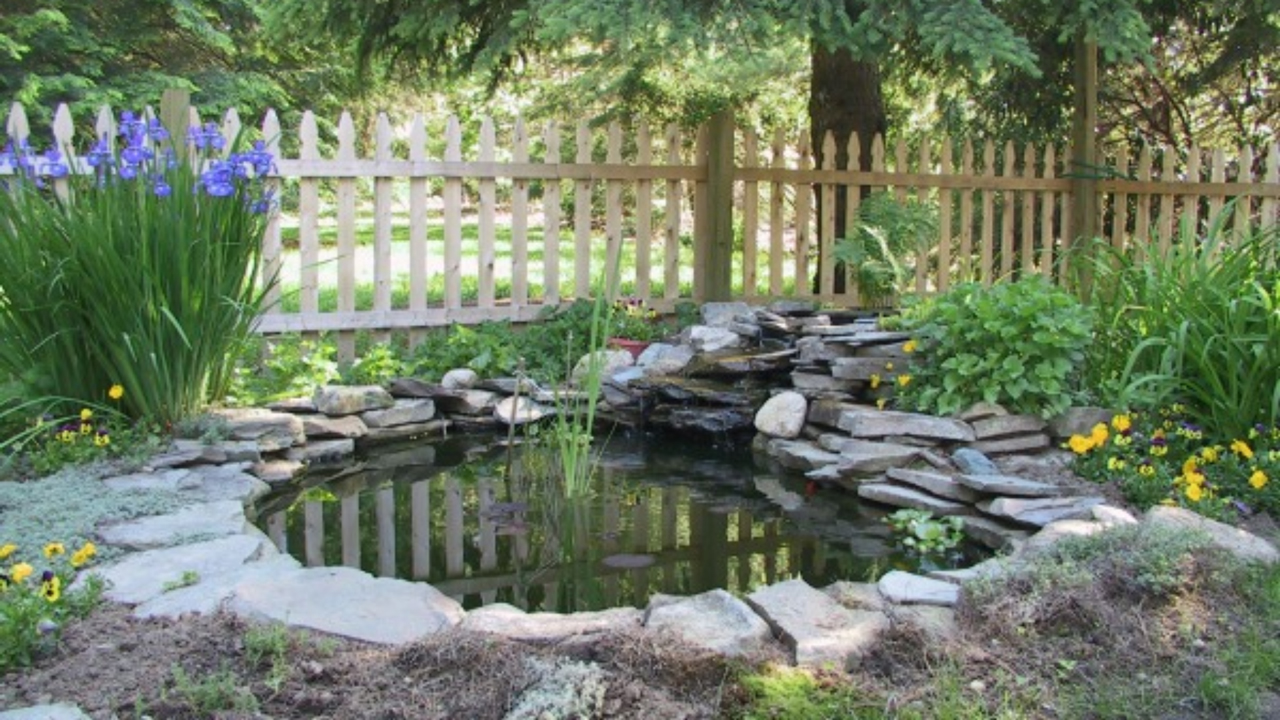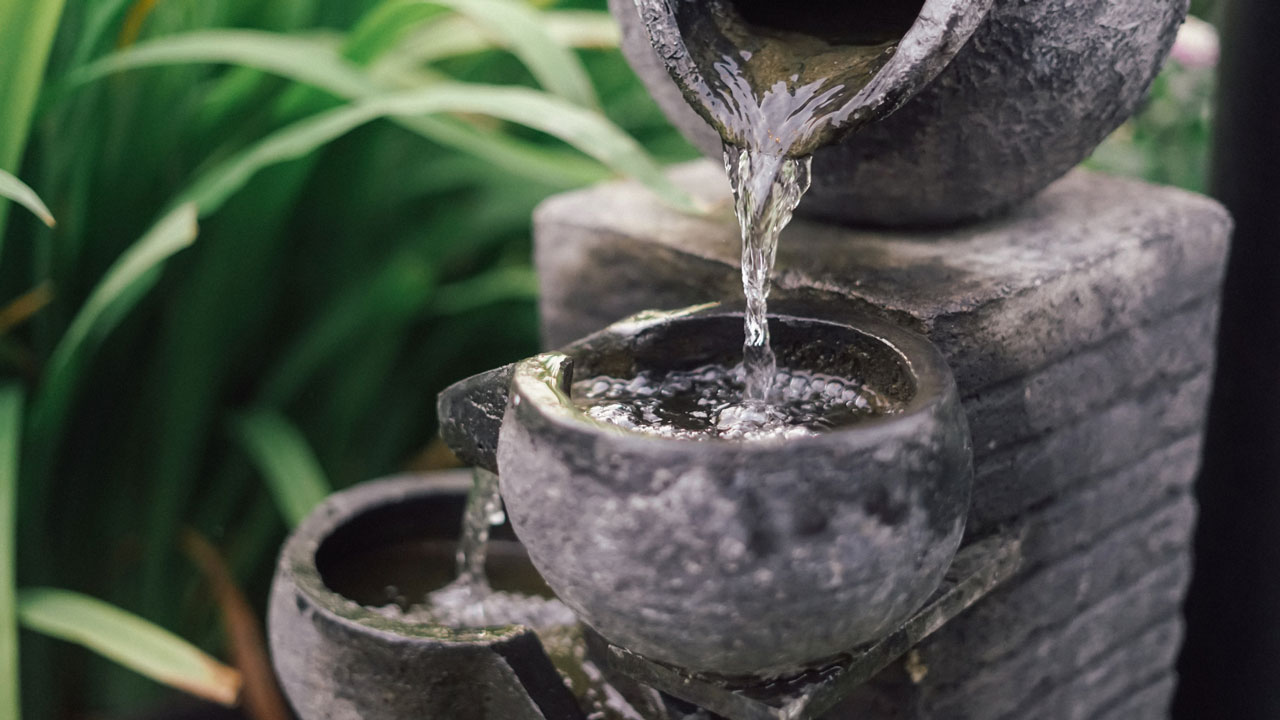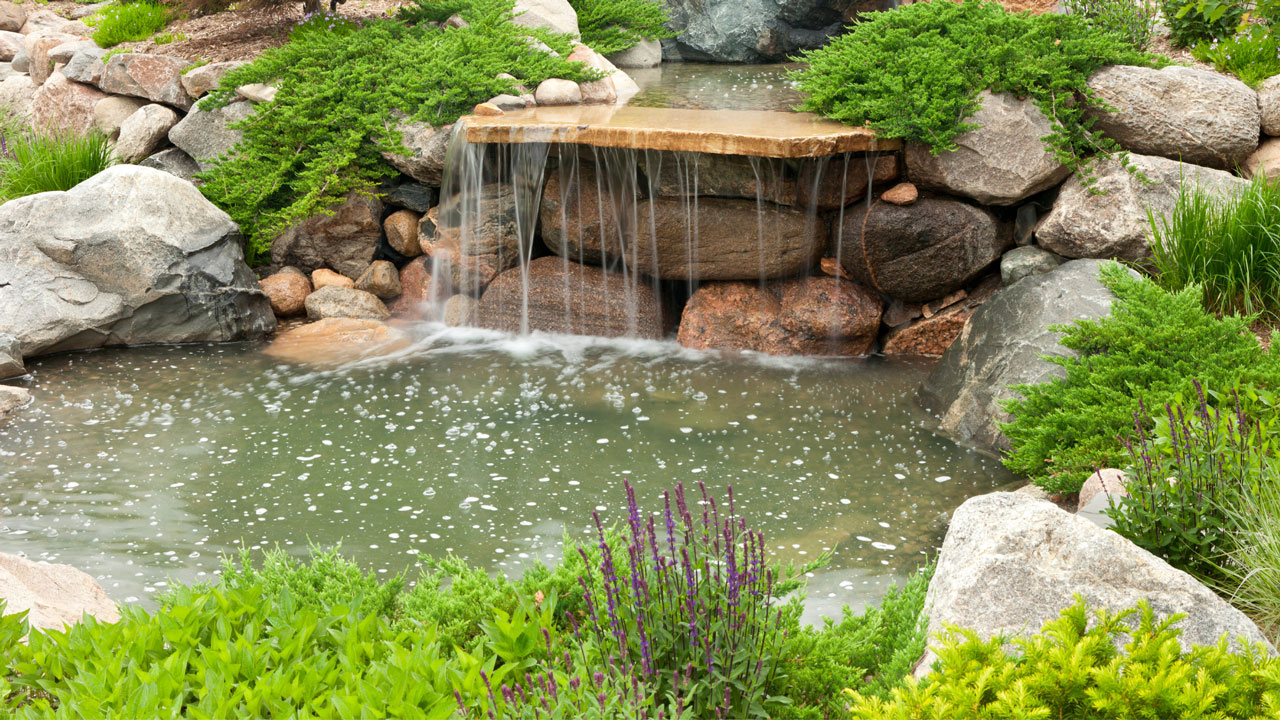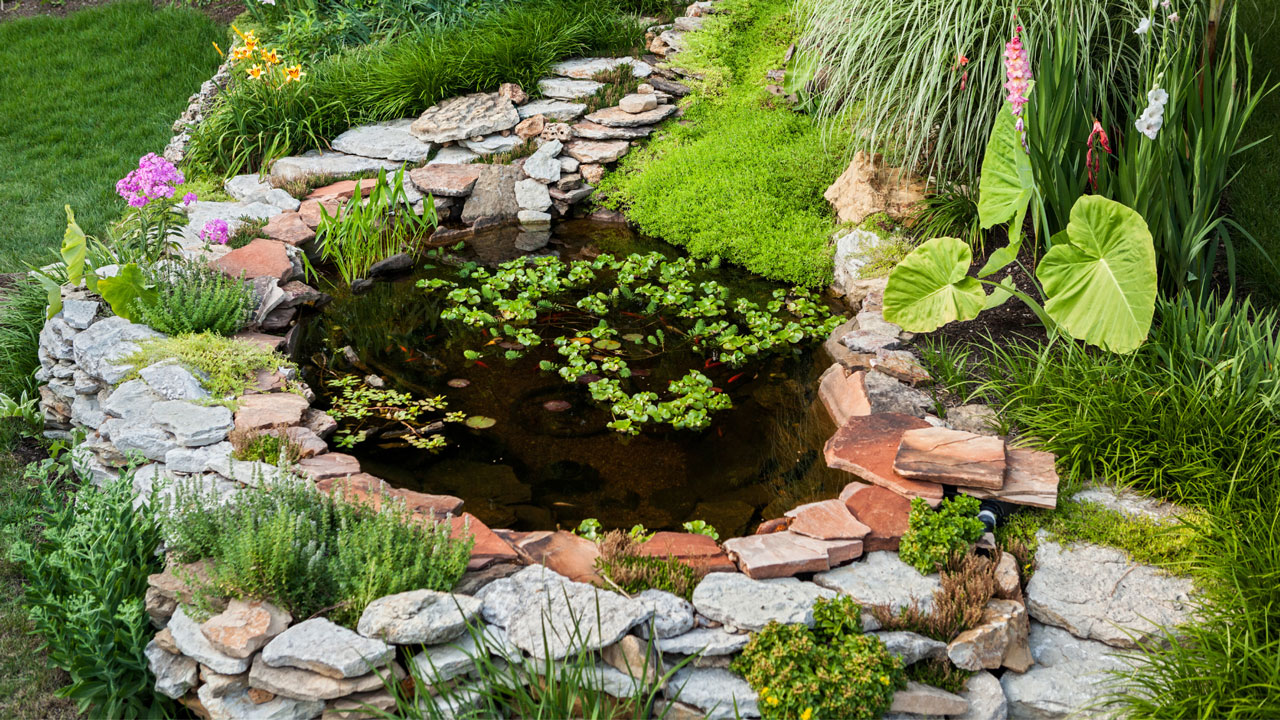
Specifically, preformed molded ponds utilize butyl rubber liners or plastic liners to establish the shape of the pond. This kind ofgarden pond may be installed in the ground or as a raised concrete pond depending on the design.
Over time, cracks or other damage to the pond liner can cause a sudden decrease in the level of the pond water as well as erode the soil around the leak. Don’t worry, you can purchase a pond repair kit for your leaking pond liner. The following are steps to fix preformed pond problems using a repair patch.
Repairing Leaky Pond Liner Leaks
Before repairing a pond liner, the first thing you should do is be sure it’s the liner leaking and not something else. When you have identified the cause of the leak, the next step is to determine how you will fix it.
You can fix small breaks in a pond liner yourself, but if the hole is large or there is considerable damage to the liner, letting professionals replace it with a new liner is better.
Guide on How to Use Pond Liner Repair Kits
It is important to know the pond liner material first before performing pond liner repair. A rubber liner kit is different from a plastic liner kit. When you discover what you have between these two liners, you will know what type of kit to use.
If you’re confident that you have a damaged pond liner and that you know what material it is made of, you can follow the steps below to fix your pond leak using a pond liner patch:
When you empty your pond, fill the holding tank, buckets, or other containers with pond water and remove the pond’s fish, plants, and rocks. This way, they won’t be affected by the falling water level when you drain the pond.
Pump the water out and let the liner surface dry. Having the water leak out of the damaged liner is one way to empty the pond, but this will significantly take longer and may lead to further soil erosion or damage at the leak site.
After locating the leak, you may mark the leak’s location in the liner with a grease pencil or other marking tool. Leaks in preformed liners are often noticeable cracks or tears, but they are hard to locate in some cases. Search for wet spots around the area to find where the leak is.
To clean the liner, remove dirt, algae, and other potential contaminants from the damaged area by scrubbing it with soap and water or with a solvent cleaner designed for plastic or rubber pond liners. A clean surface is necessary to patch a leaking pond since it helps ensure a better seal when you apply the patch.
Cover the leak with the patch, but be sure to avoid air bubbles or wrinkles in it that could further allow water to leak and let the adhesive set fully. Depending on the bond, this could take up to a few hours or even a day.
When the patch is dry, refill the pond with water. Put any fish, plant, or rocks you removed earlier back in the pond, pouring the water they were kept into the new pond to help the fish adjust. Check the water level from time to time to see if pond leaks are still there.
Need Help With Your Leaking Pond Liners?
Our team of pond experts at OC Pond Fountain Service will help you with any pond liner leaks andgarden repairs. We can even recommend a high-quality pond liner for a long-lasting garden pond!
To learn more about our services, you may contact us at 949-653-2305 at OC Pond Fountain Service today!
A Step-by-Step Guide on How to Use Repair Kits for Preformed Molded Ponds was last modified: June 12th, 2022 by Admin
Algaes in your backyard fountains don’t only look bad, but they also damage your filtration system and can harm you and your pets’ health.
Because outdoor fountains expose water to sunlight, this naturally creates algae blooms. Though this process is natural and unavoidable, it doesn’t mean there’s nothing you can do to prevent or slow this process. Learn about the tricks that help fountain owners maintain their water health!
Change Your Fountain Water
Change the water of your fountain at least once a month by completely draining your fountain, letting it air dry, then refilling it.
Algae grow in your water naturally. But when you change the water monthly, you get rid of the current ones and prevent their rapid spread. By doing this, you also prevent algae build up in your pump, which can lead to a clog.
Regular Cleaning
More than just changing the fountain water, you should also clean the fountain itself every two months. Scrub your fountain surface regularly and thoroughly clean your pump by brushing its parts with a toothbrush and clean water.
When the surface of your fountain starts to develop a film or feel slippery, deep clean the fountain by emptying it of all water and scrubbing it with a brush or sponger, hot water, and some mild soap solution.
Meanwhile, when taking apart your pump, consult your fountain manual and carefully follow the manufacturer’s instructions on how to clean and assemble your pump, since all pumps are different.
Alter Your Water
Algae forms because of the chemical reaction between water and sunlight. Hence, a way to prevent algae formation is by changing the chemical properties of your water through the use of chlorine, bleach, or algaecides.
These chemicals act as a disinfectant. By adding approximately ¼ teaspoon of chlorine or bleach to every gallon of water, you can kill existing algae in your water fountain and prevent future algae growth.
Similarly, algaecides or algae preventive products, such as BioGuard and Kem-Tek, eliminate algae and prevent future spore growth, so your fountain can boast healthy water. Just keep in mind that these strong chemicals can make water toxic. So, if you have pets or children, it’s best to keep the concentration levels low, lest they drink the treated water.
Add Some Shade
Another way to prevent algae growth is to minimize the sunlight touching the water. To do this, you can relocate your outdoor fountain to a more shaded area to avoid direct sunlight exposure during the hottest times of the day.
Doing this can go a long way in slowing down the growth of algae, and help you minimize algae overall, while you practice other abovementioned tips for maintaining water health.
Water Fountain Repair
Following the tips above goes a long way in maintaining water health. But there are just some problems you can’t DIY, and you’ll need help from an experienced water fountain repair service.
Whether your fountain has deep cracks, is losing water for some unidentifiable reason, or if you have an algae disaster on your hands, we got you covered!
We help maintain all types of water features and understand backyard fountains and garden fountain repair more than anyone.
We can help restore your water feature, so you can fully enjoy your outdoor space. Contact us at 949-653-2305 at Orange County Pond Service today!
4 Ways to Keep Your Outdoor Fountain Algae Free was last modified: April 21st, 2022 by Admin
Understanding how do i keep my fountain full of water requires checking for leaks, adjusting spray patterns, and addressing environmental factors affecting water loss.
Learning how to seal a leaking water feature with quality fountain sealant prevents water waste and protects porous materials from further damage.
A water feature leaking problem often stems from cracks, overspray issues, or improper water feature pump settings that need adjustment.
Your pond water feature benefits from regular maintenance checks and creative water feature ideas to minimize evaporation and wind-related water loss.
Professional repair services provide comprehensive solutions for complex fountain problems beyond simple DIY fixes.
Do you find the need to constantly add water to your newly installedgarden water fountains? We’ve identified three common causes for your leaking water feature. Understanding why is my water feature losing water helps prevent damage to your water pump and reduces maintenance costs.
Read further to learn about how you can work around them!
How to Seal a Leaking Water feature
The most common culprit for water running out is leaks or cracks. Though not always the case, it’s best to first check for leaks and cracks to eliminate the possibility. When checking for leaks and cracks, turn your fountain off for 24 hours. If the water level goes down by more than an inch, you likely have a leak on your hands. Learning how to seal a leaking water feature properly prevents recurring problems and saves money.
You can also observe the areas surrounding your water feature. Wet areas in the perimeter of your fountains are an indication that there’s a leak or crack. If you’re positive there’s a leak or crack, leave your fountain off for at least a week. This allows your water fixture to dry, making cracks on surfaces more visible.
Once you’ve identified the crack where water is leaking from, a quick fix is to patch the hole up with a waterproof sealant. The sealant fills in the crack, making it airtight. Spot treating a crack this way is often enough to solve the problem. Various water treatments can also help seal minor porous surfaces in outdoor fountains.
However, if the crack is deep, a sealant will not be enough. Instead, call a reputablewater fountain repair service immediately, especially if it’s still covered by the warranty. A deep crack may be due to the company’s negligence, so you can get it replaced or repaired for free.
But if the fountain is no longer covered by warranty, call a plumber who can help patch up the deep crack.
Pond Water Feature Overspray
If your fountain is free of leaks, but still runs out of water, it may be overspraying. This can happen when the water is shooting too far, leaving the pond that catches the water. Another way it can happen is when water shoots up too high that when it hits the pond, there’s much splashing, resulting in water escaping the pond. An overspraying pond water feature wastes water and increases maintenance frequency.
If your fountain is overspraying, you should adjust the water spray. Most fountains let you modify the height and distance of the water spray, and making these minor changes can save you from losing water. A properly adjusted water feature pump combined with a fountain cover during windy conditions can minimize water loss.
Issues with Backyard Water Feature
As fountains are often placed outdoors, they are subject to wind, sunlight, and plants. The wind can carry the water away from the fountain, resulting in water loss. Meanwhile, sunlight can cause water to evaporate. Many homeowners wonder how do i keep my fountain full of water when dealing with environmental challenges like these.
As for plants, they are attracted to water, and plant growth near or around your fountain can have them take water away from your fountain. Plant roots seeking moisture can cause subtle damage, leading homeowners to discover my water fountain is leaking through unexplained water loss and algae growth patterns.
If wind and sun are the concern, short of relocating your fountain, there is little you can do besides more frequently adding water. You can try putting an umbrella or shade nearby to break the wind or shade the fountain from the most severe rays of the sun, but you can still expect significant water loss. A thoroughly dried leaking water feature during maintenance reveals underlying issues that need addressing.
As for plants, the easiest fix is to remove them or place them elsewhere.
Trusted Fountain Repair Near Me
If you find yourself asking, where can I find afountain repair near me, your fountain is probably running out of water. Reach out to us for water fountain repair services in Orange County!
Professional services can repair water feature problems and suggest innovative water feature ideas to prevent future issues. Our team of experts helps maintain all water features, from garden water fountains to ponds. Get your water feature working again by contacting us at949-653-2305 at Orange County Pond Service today!
Frequently Asked Questions
Q1. What causes a leaking water feature besides visible cracks?
Hidden issues include deteriorating seals, excessive water pressure damaging connections, or blocked overflow drain systems. Check all plumbing joints, pump connections, and drainage pathways. Sometimes leaks occur underground where pipes connect to the fountain structure.
Q2. How can I repair water feature components without draining completely?
Use underwater epoxy for minor fixes, ensuring proper curing time. Install an overflow drain if missing to prevent water loss from overfilling. Work section by section, maintaining water levels for fish and plant health during repairs.
Q3. Why does my backyard water feature develop algae buildup so quickly?
Excessive sunlight, nutrient-rich water, and poor circulation accelerate algae growth. Apply appropriate water treatment product monthly, increase shade coverage, and ensure proper filtration. Regular cleaning prevents buildup from blocking pump intakes and affecting water clarity.
Q4. Should I use distilled water to improve water quality in fountains?
While distilled water reduces mineral deposits, it’s costly for large features. Instead, test your water source regularly and use targeted water treatment products. This approach maintains proper water quality for both aesthetic appeal and any aquatic life present.
Q5. How do water flow patterns affect my fountain’s water source consumption?
Proper water flow reduces evaporation and splash loss significantly. Adjust spray heights, check pump settings, and ensure water returns efficiently to the basin. Features supporting aquatic life need gentler flow patterns to maintain stable environments while conserving water.
How do I Keep My Fountain Full of Water? 3 More Causes & Fixes You Should Know About was last modified: May 11th, 2026 by Admin
Learning how to fix a cracked water fountain requires identifying whether you have a hairline crack or wide cracks before selecting repair methods.
A complete water fountain repair kit includes epoxy, clear silicone, fiberglass cloth, and water fountain crack sealer for comprehensive repairs.
Understanding how to seal a crack in a water fountain prevents water waste and extends the life of cast concrete fountain installations.
Concrete fountains need quick-drying cement patches while learning how to repair resin water fountain damage requires specialized resin mixtures.
Cement and resin fountains are known for their durability, but they are still prone to cracking and crumbling, and you’ll need a reliable fountain repair in Orange County. Understanding how to fix a cracked water fountain can save you significant repair costs and extend your fountain’s lifespan.
Here are some tips to help execute your water fountain repair project, so you don’t have to spend on tearing down and rebuilding. Having a proper water fountain repair kit on hand makes these repairs much easier.
How to Seal a Crack in a Water Fountain
A crack or leak in your water fountain is a problem. It wastes water and, eventually, demands the replacement of the entire structure. Try to find the leak. Allow the water to sit for a week if you can. Any cracks will appear on the base as a white spot. Knowing how to seal a crack in a water fountain properly prevents future water damage and structural issues.
Stone and resin fountain can be repaired with clear silicone—similar to that used to repair glass cracks. A quality water fountain crack sealer specifically designed for outdoor use provides the best long-term results.
Repair Pieces that Break Off
Use epoxy to fix pieces of your water fountain. Mix it and use it to stick back the broken chips. Leave them on for a few minutes to let them dry. This method helps fix water fountain aesthetics while maintaining structural integrity.
Patch Chips in Cement Fountains
If your cement water fountain chips, you can repair it with a mixture of quick-drying concrete. Mix it based on the manufacturer’s instructions, then trowel it on and let it dry.
Paint it to match the color or texture of your fountain if they don’t match. While working on the structure, it’s also wise to fix fountain pump issues if any exist.
How to Repair a Resin Fountain
If your water fountain is made of resin, you can fix cracks using a mixture of resin and fiberglass cloth. Empty your fountain, dry the sections with issues, then apply the resin and fiberglass mixture to the crack. Learning how to repair resin water fountain properly ensures a seamless, waterproof repair.
Smoothen it out, and let it dry before refilling the fountain with water. This technique to repair crack resin water fountain problems works for both minor and moderate damage.
Renew Old Waterproof Sealant
Some stone water fountains are treated with waterproofing, which can wear off over time because of cracks. What you can do is simply apply a layer.
You can buy one at a hardware store. Follow the instructions on the packaging, and let it dry. Be sure to patch all cracks first before applying water sealant. Understanding how to repair a resin fountain includes knowing when to reapply protective coatings.
Avoid these Common Mistakes on Resin Fountain Repair
Not knowing the dimensions of your fountain or the damages – when this happens, the cement or resin mixture or patch may end up being too small or too big for the area. Proper resin fountain repair requires accurate measurements.
Not smoothing out the concrete after laying it – not only will it not look good when it dries, but it may not also completely seal the crack.
Not reading the sealant packets or measuring the ingredients of the resin or concrete mixture – will cost you time and money. You may end up redoing the fix if it does not set well when it dries.
Make sure you measure the ingredients, apply the mixture properly, and allow the patch to dry. Do not hasten to refill the fountain with water. Otherwise, water will keep seeping through the cracks.
Trust our Professionals for Resin Fountain Repair Services
The idea of doingwater fountain repair yourself may be enticing. But if you have no background in water feature repairs, you may experience a bit of downtime. Plus, most cases need a cement mixer and special tools.
If you’re faced with a one-off situation, buying these materials may cost you more than when you hire agarden fountain repair service to do the job. When searching for fountain repair near me, consider professional services for complex repairs.
If you’re looking around for pros infountain restoration in Orange County, we can give you a free quote. Contact us today at949-653-2305!
Frequently Asked Questions
Q1. How to repair a resin fountain with multiple cracks effectively?
Apply resin and fiberglass cloth mixture after thoroughly drying affected areas. Work systematically from largest to smallest cracks, ensuring each application cures completely. This method prevents water seepage and restores structural integrity for long-lasting results.
Q2. What materials help repair crack resin water fountain damage?
Essential materials include clear silicone, epoxy adhesive, and fiberglass cloth. Mix resin properly according to manufacturer specifications, apply evenly, and smooth surfaces before drying. Quality materials ensure durable repairs that withstand water pressure and weather conditions.
Q3. When should I consider professional resin fountain repair services?
Seek professional help for extensive damage, structural instability, or recurring leaks after DIY attempts. Experts have specialized tools, experience with fountain pump equipment, and knowledge to address underlying issues that cause repeated cracking in fountain structures.
Q4. How can I fix water fountain problems beyond visible cracks?
Check pump functionality, water levels, and electrical connections alongside crack repairs. Address clogs, replace worn seals, and ensure proper water circulation. Comprehensive maintenance prevents future damage and extends fountain lifespan beyond simple surface repairs.
Q5. What’s the best approach to fix fountain pump while repairing cracks?
Disconnect and inspect pump components during crack repair work. Clean impellers, check seals, and test operation before reassembling. Addressing both structural and mechanical issues simultaneously ensures optimal fountain performance and prevents future maintenance needs.
Easy Tips On How to Fix a Cracked Water Fountain was last modified: May 11th, 2026 by Admin
Pond repair and maintenance are essential to keep the water clean and healthy for fish and plants.
Depending on where you live and what kind of fish and plants you have, your pond will have its own ecosystem. You need a customized professional service to keep it alive.
How Pond Repair Professionals Maintain Water Ecosystems
To achieve balance in your pond ecosystem, there are maintenance tasks that should be done regularly:
Pond repair professionals, like Orange County Pond and Fountain Services, can help you navigate through such tasks. They can also act as consultants who hear your concerns about your water feature.
They can provide you with tips so you can enjoy the beauty and benefits of your mini waterscape for longer.
Pond Deep Cleaning
The most important role fountain and pond experts can play for you is to become carers of your ponds and water fountain, and they can do so through deep cleaning. They can do it for your pond once or twice a year.
It entails emptying the pond, including fish and plants, so that the silt and debris can be completely removed—the pond water blown out, the plants tidied up, and any broken plant pots and pebbles replaced.
It also gets rid of algae, the small, green grass-like organism that grows on stones of dirty ponds.
Do You Need a Pond Maintenance Company or Should You DIY?
Pond and water fountain repair businesses can help with water care and cleaning, but they can be expensive. When should you employ a professional and when should you do it yourself?
Here are a few instances where consulting a professional makes sense.
Pond Stocking
Pond professionals can give you stocking advice. They can assess your pond size, level, and location, and provide recommendations for the types of fish and quantities that your pond can support.
When Your Plants and Fish Are Dying
The reasons your fish and aquatic plants are dying may be:
Too many aquatic weeds or filth
An abrupt increase in water temperature
Overstocking
If you notice any of these things, it’s safe to assume your fish are dying. Call pond maintenance professionals, so they can help you find an immediate solution. Often, they will vacuum out the filth or add organic cleaning remedies.
Seasonal Cleanup
Changes in season cause fluctuations in the condition of your pond. For instance, there may be a lot of pollen and debris during spring. Summer, on the other hand, invites pests, like mosquitoes, which breed in stagnant water.
A pond repair and maintenance company can help ensure that your water feature is ready for changing seasons.
Winter Preparation
The winter season brings in harsh changes to the surroundings, including small water bodies. It is important to prepare your pond before the temperature hits the lowest and leaves you with dead fish.
Pond experts can help you condition your water for winter by removing debris and replacing filter systems with aeration kits and de-icers. These steps will help provide aeration, ventilation, and circulation to your pond throughout the frozen season.
In Summary
The key to keeping a good pond water quality is a consistently good level of oxygen. And while the tasks that will ensure this can take a DIY form, it’s best to leave them to the experts. It will minimize the back and forth and keep your budget in control.
If you’re in Orange County, and you’ve been searching online for a pond and water fountain repair near me, you can turn to Orange County Pond and Fountain Services. We have been helping residents maintain the beauty of their outdoors since 2001.
For a free quote, contact us at Orange County Pond and Fountain Services today!
How Choosing the Right Pond Repair Can Improve Water Quality was last modified: September 27th, 2023 by Admin
Including an outdoor water fountain in your exterior space is an excellent way to create a relaxing environment. But, once you’ve installed your water fountain, how do you keep it in good condition without the help of Orange County fountain repairservices?
Below, we will discuss how you can maintain and repair your outdoor water fountain like a professional and provide you with a few considerations you should be aware of in order to properly care for it in the future without calling a fountain repair company.
However, in a more complex repair, you’ll need the help of an experienced and trusted water fountain repair service, which you can search for online.
How to Professionally Repair Your Outdoor Water Fountain
Here are some quick and easy ways to fix your outdoor water fountain like a professional:
Get Rid of Grime
The surface of the fountain is eroded by dirt and debris. Once a month, drain gritty water and wipe down the interior with a soft cloth or sponge.
Fight Buildup
When you refill the water supply, add a clarifier to prevent algae growth and a scale and stain remover, following the dosage instructions on the label. If you notice persistent algae or scale, double the average amount.
Don’t Let it Run Dry
If the water level is too low, your pump may overheat, so keep an eye on it, especially if you’ve had a string of hot, dry days.
Add Vinegar
Some people may be put off by the idea of putting vinegar in an indoor water fountain because they believe it will leave an unpleasant odor.
Although vinegar has a slightly pungent odor, it is antibacterial, antiviral, and antiseptic—and it kills germs on contact. Most importantly, it is all-natural and does not rely on the use of harsh chemicals.
Use Chlorine Only When Necessary
Water fountain pumps aren’t designed to work with concentrated levels of chlorine, but if an algae bloom persists, add a quarter of a cup of chlorine bleach for every five gallons of water and run the pump overnight to disinfect the entire system.
Regularly Clean the Pump
Even if you throw some vinegar into your indoor water feature on occasion, you should still get into the habit of cleaning the water pump regularly.
It’s not uncommon for a layer of grime to form on the pump after months or years of use, but thankfully, this is a simple problem to solve by cleaning the pump. Turn off the fountain and clean the pump and associated parts.
Contact Orange County Pond Services for Expert Fountain and Pond Repair
Maintaining your water features is a relatively simple process that does not necessitate a significant time investment. While it’s not uncommon to notice occasional maintenance issues.
It’s critical that you get into the habit of cleaning your water feature on a regular basis, preventing a trip to a water fountain repair near me, but if you find yourself in situations that need help from professionals, look no further than Orange County Pond and Fountain Services, Inc.
We have been repairing all makes and models of ponds and fountain pumps, pressure filters, and related equipment for over 25 years. You can trust our dependable pond cleaning professionals to keep your pond looking clean and beautiful—while also ensuring an aquatic environment in which all of your fish and plants can grow and thrive for years to come.
Get a free quote and consultation with one of our fountain and pond repair experts today. Allow our water pond designs team to assist you. Contact us at Orange County Pond and Fountain Services, Inc. today!
How to Repair Outdoor Water Fountain Pumps the Professional Way? was last modified: January 23rd, 2023 by Admin
Decreasing pond water levels is a common issue that many water feature owners face, and it can be quite concerning—which leads them to look for fountain repair near me online. There are several possible explanations for why your water feature continuously runs out of water, and while prolonged drought can reduce water availability, it is only one of several factors to consider.
It’s not uncommon for water features to lose their water retention. In this article, we’ll look at a few of the reasons why your water feature is losing its water, as well as some potential solutions that water fountain repair can use to assist you. If you’re ready to learn more, continue reading below.
3 Causes for Water Feature Water Loss
Here are some of the most common reasons why your water feature could be losing water that you should be aware of to avoid problems or excessive maintenance in the future:
Leaks and Cracks
When you first determine that your fountain is losing water, you probably assumed it was due to cracks or leaks. Don’t worry, as there are numerous other causes of water loss, and not all cracks penetrate deep into the fountain’s foundation.
If you suspect your fountain has a crack, turn it off and leave it alone for twenty-four hours. If the water level has dropped more than an inch after a day, you have a leak.
Overspray
While the whole point of a fountain is to watch the water gush out of a beautiful piece of stonework, it’s important to keep in mind that the fountain may be flinging the liquid out too far. Overspray occurs when a fountain sprays water beyond the reach of its pool.
Another type of overspray is when a fountain shoots water straight up, but when it hits the surface again, it creates a splash, which causes water to exit the fountain.
Water Flow Issues
Water fountains need water continuously pumping through them to elegantly spray water out. However, that means that there could be an issue with your water pump. Luckily, the solution is relatively simple.
If your fountain is leaking, but you can’t find the crack, check the pump and tube. They might be attached incorrectly, or they could be defective. If they’re all attached fine, there might be a hole in the tube with no water coming out of the seam edges.
Request a Free Estimate with an Orange County Pond Service Today
As you can see, all of the aforementioned factors can contribute to water loss in your water feature. While water loss isn’t catastrophic, as a water feature owner, it is something that will most likely occur to you at some point.
Since our inception, we have been providing Orange County customers with professional fountain and pond repair services, saving them thousands of dollars in unnecessary expenses as a result.
With over 25 years of experience in fountain and pond maintenance, our team of specialists can help you create the ideal water quality environment and provide professional care for your water feature or fountain and fish and plants alike.
Request a free quote from one of our fountain repair Orange County experts to learn more about how we can help you. Contact us at Orange County Pond and Fountain Services, Inc. today!
Why Does My Water Feature Keep Running Out of Water? 3 Causes and Fixes You Should Know About was last modified: January 23rd, 2023 by Admin
An outdoor water fountain not only adds aesthetic value to your home, garden, or business but also improves curb appeal. While it is a beautiful water feature to have in your exterior space, it can also be aggravating when it begins to leak, requiring the help of professional water fountain repair services.
A variety of factors could cause your fountain’s leaking problem, and the water loss could be the result of a slew of minor issues. Fortunately, many of the problems are simple to resolve, and you may be able to fix them yourself or call upon the help of specialized water fountain repair for quick assistance.
In this article, we will teach you about the various ways your fountain can lose water and what you should be aware of. Keep reading to learn more and discover how a professional fountain repair in Orange County can help.
Step-by-Step Guide for Finding Leaks in Your Water Features
Here is a quick step by step guide to help you find leaks in your water feature:
Step 1: Record Water Loss
The first step in detecting a leak is to record how much water your feature is losing over a specific time period.
To begin, turn off any type of autofill or fill valve in your fountain that adds water to it and record the amount of water lost while your feature is operational.
Step 2: Check for Edge Leaks
Examine the soil around the edges of your water feature for damp or wet spots. This berm will need to be reworked if water is running or leeching over the liner. The extra liner should be buried in the soil to rebuild the edge high enough to keep water out.
Step 3: Check for Punctures or Holes in Liners
Run a temporary pipe from your water pump to your stream’s first waterfall or shelf to isolate the leak. Allow at least 24 hours for the water to flow normally through your temporary line.
If there is no evidence of water loss, you can safely conclude that the bottom shelf or waterfall is not leaking.
Step 5: Check for Leaks
If you’ve tested every area of your water fountain and still see significant water loss, your feature most likely has a leak.
Because plumbing lines are typically buried several inches underground, you may not notice any wet areas on the surface. When you’ve found the leak, cut out the damaged section of the pipe and replace it.
The Preferred Fountain and Pond Repair Provider in Orange County
We understand that losing water in your pond is inconvenient. However, if you keep an eye out for potential leaks in your water feature, you could prevent significant leaks from happening before they occur.
But if you find yourself thinking about where to find a fountain repair near me with a comprehensive line of the most recent custom–made filtration and pump equipment, and installation and upgrades, we specialize in all aspects of pond cleaning, pond construction, and pond installation services.
Whether you have a leak that needs repair or routine maintenance to be completed, our leak repair and leak detection specialists have all the tools and equipment required to meet any of your fountain and pond repair needs.
To learn more about our fountain and pond repair services and how they can benefit you, contact our team at Orange County Pond and Fountain Services, Inc. today!
Why Does My Fountain Keep Losing Water? A Step-By-Step How to Find Leaks on Your Water Features was last modified: May 11th, 2026 by Admin
Outdoor water fountains are beautiful works of art that can be used to spruce up any size of exterior space. However, regular maintenance and water fountain repair are required to keep your fountain in good working order.
While it may seem arduous, your water fountain can quickly become a burden if proper care is not taken, leaving you with questions like, “Where can I find a trusted fountain repair near me?”
Water features, like everything else, require maintenance to avoid fountain and pond repair, but the question you may have is how much maintenance. Below, we will discuss how frequently you should be cleaning your water fountain and which components to pay close attention to.
Continue reading below to learn more and discover how an experienced Orange County pond service can keep your water fountain in a tip-top state.
The Best Ways to Clean a Water Fountain
Like all major decorative accessories, outdoor water features require some maintenance on a regular basis to keep them in pristine condition.
Cleaning your pump is an essential part of your fountain cleaning strategy. The pump functions as the fountain’s heart but is prone to algae and debris buildup.
For your outdoor water feature, make sure to regularly remove debris, dead leaves, and other contaminants from the water to keep the pump from becoming clogged. Remove your pump from your water fountain with care and disassemble the pump according to the manufacturer’s instructions in a well-lit area.
Make sure you don’t use any chemicals listed as approved by the manufacturer and rinse your pump thoroughly to remove any soap.
If you use a pump for your water feature, the water will almost certainly be re-circulated, but it will, however, be prone to evaporation. As the water level drops, the pump has to work harder, resulting in faster wear.
As a result, during the summer or in hot and dry climates, you should fill the water feature once a week, but don’t fill your water feature with too much water, as this will make it noisy and cause the water to splash around.
It goes without saying that an indoor water feature is more sanitary than an outdoor one. It is not attracted to dirt, debris, dead leaves, or twigs. Whether you have an indoor or outdoor water feature, you must clean it on a regular basis to remove scale, dirt, rust, and other dirt and debris buildup.
Learn More About Our Fountain and Pond Repair Services
While it may not seem difficult to maintain your water feature if you do it on a regular basis, routine care is vital to ensure your water feature is working as expected.
Since 2001, we have proudly served the Orange County area with professional fountain and pond repair services. Whether you’re looking for fountain maintenance, garden fountain repair, or general pond repairs, our team of specialists can provide you with the highest quality design and installation services for all of your water feature needs.
For a free quote and to learn more about how we can assist you with your next fountain and pond repair, contact us at Orange County Pond and Fountain Services, Inc. today!
The Ultimate Water Feature Guide: How Often Do Fountains Need to be Cleaned to Keep them in Pristine Condition? was last modified: January 23rd, 2023 by Admin
Professional fountain leak repair starts with identifying your water feature material, concrete fountains require different approaches than metal or resin structures.
Common issues include water fountain leaking from bottom due to worn seals, while porous materials in older water fountains often develop cracks.
Understanding how to fix a leaking fountain involves checking water flow patterns, tightening connections, and applying waterproof paint or concrete leak sealer.
Water fountain leak repair success depends on proper diagnosis like examining pumps, filters, and all connection points in leaky fountains.
Learning how to seal a leaking water fountain properly using appropriate repair material prevents recurring issues in cracked and broken fountain structures.
Fountains are often a symbol of power and peace. They can also represent prosperity and growth, particularly when it comes to spirituality, which many people find inspirational. A garden fountain creates a peaceful environment in any garden and is an active source of inspiration for artists, writers, and poets.
Leaking, dripping, and generally messy fountains are all far too common. Next time your garden fountain backs up, clogs, or starts to leak, don’t panic. With a few tips and tricks in your pocket, you won’t need to suffer another ugly fountain leak again. Professional fountain leak repair services can restore these peaceful water features to their original beauty.
Water Fountain Leak Repair
While it’s relatively easy to put together a garden fountain, sooner or later, you are bound to experience a leak. Most garden fountains are made up of several preformed, concrete tiers, and a visual inspection of the fountain should tell you that pretty quickly.
If you discover a water fountain leaking from bottom sections, immediate action prevents further damage. Proper water fountain leak repair techniques can save your investment.
Locating the leak in your garden fountain is determining what material your fountain is made up of. Garden fountains are usually composed of several preformed concrete tiers. These tiers are supported by a series of PVC pipes and molded into either a square or round platform.
Check all the connections under the fountain. Ensure they are tight, and then look around at the fountain base for wet spots or puddles. If you find any, tighten those connections as well. Check all connections on or under the ground near your fountain because these are common places for leaks.
Inspect hoses and check for kinks, cracks, or holes in hoses that lead to leaks in your garden fountain.
Locate and test joints between pipes where a leak could occur in your garden fountain.
Look for cracks in the fountain container. For cement fountain repair, identify hairline cracks early before they expand.
Listen for the source of the sound of running water and listen for dripping sounds.
Wipe the underside of your feature and observe. If you don’t see anything there, use a flashlight or ultraviolet light to scan the sides of the fountain for signs of leaks.
Another thing you can do is use a hose connected to a pressure gauge and run it through any openings in the fountain while looking for increased pressure that indicates a leak somewhere inside.
How to Fix a Leaking Fountain
Fixing your fountain will be a lot easier if you take it apart first. If your fountain is made of multiple pieces, you should start by taking everything apart. The leak is likely results from how the parts are assembled or held together.
Understanding how to fix leaking concrete fountain structures requires identifying whether the issue stems from assembly or material deterioration. Learning how to fix a leaking fountain properly saves time and money.
You need to check the pump. If the pump is working, then you need to check the filter. If it has lots of particles in it, you will need to clean it, otherwise, it will clog up and stop water from flowing through it.
Your fountain may have started leaking because of wear and tear on the materials from years of use. If so, you can seal cracks with a concrete sealer or with waterproof caulk and re-plaster minor chips with plaster. Knowing how to seal a leaking water fountain properly ensures long-lasting repairs that prevent recurring issues.
Fixing these faults is usually easy enough that anyone can do it. But if you’re not sure, it’s best to leave this job for someone with experience in plumbing repairs. Professional services can effectively fix leaking water fountain problems that DIY attempts might worsen.
But why do you need tohire a professional? Simply becausefixing leaks in fountains can be a very tricky and dangerous job to tackle without proper training and experience. You see, these parts are made of thin copper tubing or thin brass tubes that can get corroded over time, so when you’re trying to replace them, you should be careful not to break the tube or worse – not to injure yourself on it by accident.
Learning how to seal a leaking fountain requires understanding both the materials involved and proper safety procedures. Also, if you don’t know what you’re looking at, it might become impossible to locate the exact source of the water leak.
Call Us Today for Professional Outdoor Fountain Repair
Your yard decorations and garden fountains are more than just simplistic décor. They help create a calming environment in your yard, which is why we atOrange County Pond and Fountain Services take pride in helping you when it comes to any maintenance issues.
We specialize in repairing leaking fountain issues but are also happy to replace broken parts or fix a cracked bowl. Our outdoor fountain repair expertise ensures lasting solutions for all types of water features. Call us today at949-653-2305.
Frequently Asked Questions
Q1. What repair materials work best for outdoor fountain leaks?
Concrete leak sealer works excellently for concrete structures, while rubber cork fills small holes effectively. Choose materials based on your fountain type, porous surfaces need penetrating sealers while smooth surfaces respond better to surface coatings.
Q2. How can I prevent water features from developing future leaks?
Regular maintenance prevents most issues. Apply waterproof paint annually, check connections monthly, and winterize properly. Clean debris that blocks water flow and inspect for early signs of wear before major problems develop in your system.
Q3. When should I hire professionals versus DIY fountain repair?
Simple seal replacements and minor cracks are DIY-friendly projects. However, structural damage, electrical issues, or persistent leaks after attempted repairs warrant professional help. Experts have specialized tools and experience for complex water fountain restoration projects.
Q4. What causes water fountains to leak most frequently?
Age-related wear, freeze-thaw cycles, and improper installation cause most leaks. Pump seal failures, cracked basins, and loose fittings also contribute. Regular inspection helps catch these issues early before extensive damage occurs to your fountain system.
Q5. Can all cracked and broken fountain components be repaired?
Most cracks under 1/4 inch can be sealed effectively. Larger structural damage may require part replacement. The fountain material determines repair viability of concrete patches well, while severely damaged resin or fiberglass sections often need complete replacement.
Your Guide to Pro-Level Fountain Leak Repair was last modified: August 11th, 2025 by Admin