 Selecting fountain materials determines how your outdoor water feature performs over decades of exposure. Material choice directly impacts durability, maintenance frequency, aesthetic evolution, and total ownership costs. Understanding the performance characteristics of concrete, resin, and cast stone helps Orange County homeowners match material properties to local climate demands and architectural preferences.
Key Takeaways
- Cast stone dominates premium installations with 27% market share and exceptional durability lasting decades
- Resin fountains offer lightweight portability and affordability but require replacement every 5-10 years
- Concrete provides structural longevity of 20-40 years with minimal maintenance requirements
- Orange County’s Mediterranean climate favors materials with low water absorption rates under 0.5%
- Initial purchase price differences range from $15 for resin to over $5,000 for premium cast stone
What Are the Main Materials Used in Outdoor Fountains?
Outdoor fountains use three primary materials that define market segments and consumer preferences. Each material offers distinct advantages in weight, cost, appearance, and longevity under varying climate conditions.
Characteristics of Concrete Fountains
Concrete outdoor fountains deliver structural durability with lifespans extending 20-40 years under harsh conditions. These installations weigh 200-400+ pounds and command budget prices starting at $100 or mid-range architectural pieces costing $500-$1,200. Concrete holds 23% market share and tolerates freezing nights and intense heat exceptionally well. The material lightens over time and develops mineral streaking that many homeowners appreciate for modern aesthetics.
Features of Resin Fountains
Resin fountains dominate market volume with 32% share due to accessibility and competitive pricing. This molded composite material mimics stone, wood, or metal appearances while weighing only 30-80 pounds for easy relocation. Resin options range from $15 for tabletop fountains to $900 for multi-tiered installations suitable for patios. The material offers 5-10 year lifespans but lacks the natural patina development seen in stone materials.
Properties of Cast Stone Fountains
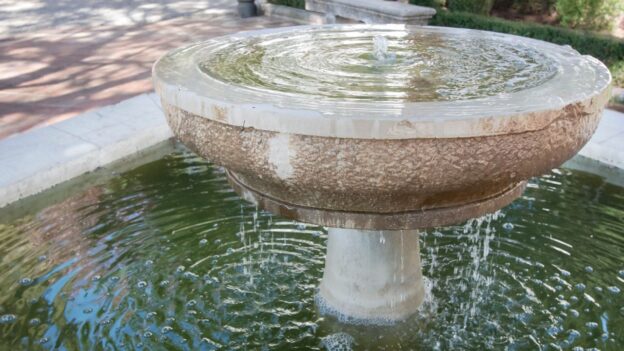
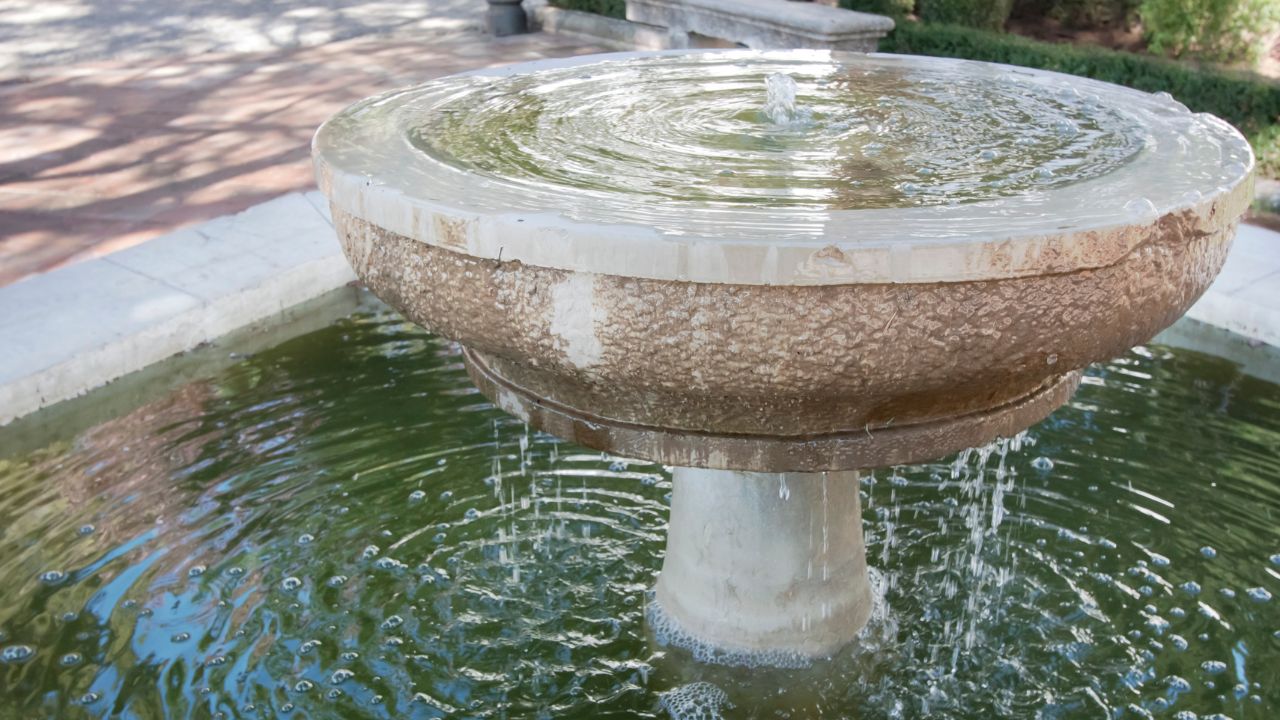
Cast stone represents premium fountain installations, from tiered pedestal fountain designs to grand architectural pieces, manufactured from crushed stone aggregates mixed with cement. This material commands 27% of market share with medium fountains weighing 150-300 pounds for wind resistance. Premium cast stone features water absorption rates of 0.5%, providing superior freeze resistance and significantly reducing freeze-thaw cracking risks in variable climates. Mid-range models cost $600-$1,500 while premium installations exceed $5,000 for architectural detailing and superior aggregates.
How Do Concrete, Resin, and Stone Fountains Compare in Durability and Maintenance?
Fountain material comparison reveals significant differences in weather resistance and long-term ownership requirements. Material selection determines whether installations require replacement within a decade or endure for generations with minimal intervention.
Weather Resistance and Longevity of Each Material
Concrete delivers 20-40 year lifespans compared to resin’s 5-10 year replacement cycle under similar conditions. Choosing durable materials for your outdoor fountain requires evaluating how aggregates respond to thermal expansion and moisture penetration. Cast stone with low absorption rates resists freeze-thaw damage that causes surface spalling and structural cracks. Resin maintains appearance during early years, but experiences accelerated degradation without the self-healing properties of cementitious materials.
Maintenance Requirements Across Materials
Stone and concrete fountains require periodic cleaning but resist algae colonization better than textured resin surfaces. Concrete and cast stone benefit from annual sealing applications that extend surface integrity and prevent efflorescence. Resin installations need gentler cleaning solutions to avoid damaging factory finishes and protective coatings. Regular fountain maintenance emphasize matching cleaning frequency to material porosity and local water mineral content.
Aging and Aesthetic Changes Over Time
Cast stone develops natural patina that integrates fountains into surrounding landscapes rather than appearing newly installed. Concrete surfaces lighten gradually and show mineral deposits that create organic patterns appreciated in contemporary designs. Resin finishes degrade under intense UV exposure, losing color saturation and surface gloss without protective treatments. Material aging patterns influence whether fountains gain character or require cosmetic restoration as installations mature.
What Are the Cost Differences Among Concrete, Resin, and Stone Fountains?
Initial purchase prices vary dramatically across fountain materials, with budget considerations extending beyond acquisition costs. Total ownership expenses include installation complexity, energy consumption, and replacement frequency over expected service life.
Initial Purchase Price Ranges
Cast stone mid-range installations cost $600-$1,500 while premium designs exceed $5,000 for hand-carved detailing. Concrete fountains offer budget-friendly entry points at $100 and mid-range architectural pieces reaching $500-$1,200. Resin provides the most accessible pricing, from $15 for compact tabletop models to $900 for elaborate designs. Solar fountains carry 10-20% premiums over comparable electric models regardless of material composition.
Long-Term Ownership Costs
Material durability directly affects replacement frequency and cumulative expenses over decades of ownership. Solar fountain payback period , demonstrate that solar installations reach break-even points between years 3 and 5 compared to electric alternatives. Premium cast stone eliminates replacement costs that resin owners face every 5-10 years, shifting value equations. Electric fountains consume approximately $1.14 monthly in electricity, far below consumer expectations of $9 per month.
Installation and Relocation Expenses
Heavy concrete and stone fountains require professional installation with equipment for positioning 200-400-pound assemblies safely. Resin’s lightweight construction allows single-person installation without specialized tools or foundation preparation in most applications.
Permanent concrete installations eliminate relocation flexibility but avoid recurring setup costs when homeowners redesign outdoor spaces. Professional electrical work for hardwired fountains adds $200-$500 compared to plug-and-play solar or standard outlet connections.
How Does Orange County’s Climate Influence Fountain Material Choice?
Mediterranean climate conditions in Orange County create specific material performance requirements rarely encountered in other regions. Local temperature ranges, precipitation patterns, and architectural traditions guide material selection for optimal longevity and aesthetic integration.
Impact of Mediterranean Climate on Material Performance
Orange County’s mild winters eliminate freeze-thaw cracking risks that plague fountains in northern climates with repeated freezing. Materials with high water absorption rates still face degradation from thermal cycling during cool nights and warm days. Low humidity and intense summer sun accelerate UV degradation of resin finishes and protective coatings. OC seasonal care for hard water address mineral buildup from hard water, common in Southern California supplies.
Consumer Preferences for Material in the Region
Orange County buyers demonstrate pronounced preference for Mediterranean and European-styled designs reflecting regional architectural heritage. A well-curated fountain collection featuring cast stone dominates premium installations where homeowners prioritize authentic appearance and multi-generational durability over initial cost.
Western region consumers, including Orange County, account for 25% of national fountain sales despite representing smaller population percentages. High disposable income levels support premium material selection that withstands local climate while delivering traditional aesthetics.
Suitability of Materials for Local Architectural Styles
Mediterranean villa and Spanish colonial architecture, common in Orange County, pair naturally with aged stone finishes. Matching fountain style to home architecture , emphasize material authenticity in period-appropriate installations. Modern minimalist homes accommodate concrete’s clean lines and intentional weathering patterns that complement contemporary landscaping. Resin serves temporary installations or rental properties where relocation flexibility outweighs aesthetic permanence and material authenticity.
What Are the Practical Considerations When Choosing Fountain Material?
Beyond aesthetic preferences, practical constraints, including weight limits, mobility needs, and spatial integration, determine suitable materials. Physical installation requirements and future flexibility affect long-term satisfaction with material selection regardless of appearance preferences.
Weight and Installation Challenges
Cast stone medium fountains weighing 150-300 pounds require stable foundations and professional positioning equipment for safe installation. Concrete fountains at 200-400+ pounds become permanent landscape features resistant to wind displacement and unauthorized movement. Resin fountains weighing 30-80 pounds allow homeowners to complete installations independently and reposition features seasonally. Balcony and rooftop installations impose strict weight limits that eliminate concrete and stone options in many applications.
Portability and Flexibility Needs
Renters and homeowners anticipating future relocations benefit from resin freestanding fountains, which offer portability and minimal installation permanence. Seasonal design changes accommodate lightweight fountains that transition between patio zones without equipment or landscape disruption.
Permanent installations using concrete or stone commit specific locations to fountain placement for decades, absent major renovation. Material weight determines whether fountain planning considerations include future repositioning or permanent landscape integration from initial planning.
Integration with Outdoor Living Spaces
Material selection affects how fountains interact with existing hardscaping, furniture arrangements, and circulation patterns in outdoor rooms. Heavy stone fountains anchor conversation areas, enhance outdoor ambiance, and define spatial boundaries within larger landscape designs permanently.
Lightweight resin installations adapt to evolving furniture layouts and seasonal outdoor decor schemes without installation modifications. Concrete’s architectural presence suits formal gardens, while resin’s decorative flexibility matches casual entertainment spaces requiring periodic reconfiguration.
How Do Power Sources Interact with Fountain Material Options?
Power supply compatibility varies across materials due to pump requirements, water movement needs, and installation contexts for different fountain types. Energy source selection affects long-term operating costs and installation complexity regardless of material composition.
Compatibility with Solar-Powered Fountains
Solar fountains operate using photovoltaic panels, converting sunlight directly into electricity for pump operation without wiring. These installations hold 38% market share and grow 8-12% annually as consumers prioritize sustainability and installation simplicity. Solar fountains cease operation at night without battery backup systems that add cost and maintenance requirements. Solar fountain benefits unveiled demonstrate particular advantages for lightweight resin installations in remote yard locations lacking electrical infrastructure.
Requirements for Electric Fountains
Electric fountains commanding 57% market share require GFCI outlet access within cord length or professional hardwiring. Heavy concrete and stone fountains commonly use electric pumps built for rust resistance, supporting larger water volumes and more dramatic displays. Installation costs increase $200-$500 when new electrical lines extend outdoor coverage for permanent fountain placement. Reliable operation regardless of weather conditions makes electric power preferable for statement installations where consistent performance justifies modest operating costs.
Energy Efficiency and Operational Costs
Average monthly electricity cost for residential fountains reaches only $1.14 following 2025 DOE regulations, reducing pump consumption. Solar models eliminate ongoing energy expenses but require 10-20% higher initial investment than comparable electric versions. Total ownership cost analysis shows solar fountains achieving break-even with electric alternatives between years 3 and 5. Material weight influences pump power requirements, with lighter resin fountains operating efficiently on smaller solar panels than heavy stone installations.
What Consumer Priorities Should Influence Material Selection?
Purchase decisions balance competing priorities, including durability, aesthetics, cost, and maintenance requirements based on individual circumstances. Understanding priority rankings helps align material characteristics with specific household needs and long-term satisfaction factors.
Balancing Durability, Cost, and Aesthetics
Consumer priority rankings place durability first at 28%, followed by cost at 24% and aesthetics at 22%. Maintenance requirements account for 16% of decision weight, while efficiency considerations represent 10% of buyer priorities. Premium cast stone serves buyers prioritizing maximum durability and authentic appearance despite a higher initial investment over replacement cycles. Resin fountains appeal to cost-conscious buyers, accepting shorter lifespans in exchange for immediate affordability and design flexibility.
Importance of Maintenance and Efficiency
Maintenance rankings at 16% reflect buyer desire for low-intervention installations that preserve appearance without frequent cleaning. Stone materials resist algae colonization and mineral deposits better than textured resin surfaces, requiring intensive scrubbing.
Efficiency considerations include both energy consumption and water usage in evaporation-prone climates like Orange County. Material selection affects pump sizing, flow rate control, and energy requirements, with heavier installations requiring more powerful motors for equivalent performance. Systems relying on durable tubing and quality pump components reduce long-term maintenance frequency across all material types.
Responding to Seasonal Demand and Usage Patterns
Fountain sales concentrate 60-70% of annual volume between March and August during peak landscaping activity. Orange County’s year-round temperate climate supports extended usage seasons compared to regions with harsh winters requiring storage. Material durability determines whether fountains operate continuously or require seasonal drainage and protective covering during occasional freezes. Purchase timing affects available inventory and pricing, with seasonal promotions favoring buyers planning installations during traditional off-peak months.
Material Considerations for Concrete, Resin, and Stone Fountains in Orange County
Successful fountain selection requires matching material properties to specific site conditions, architectural context, and household priorities. Orange County’s Mediterranean climate favors materials resisting UV degradation and tolerating hard water mineral deposits common in local supplies. Cast stone offers superior longevity and authentic appearance for homeowners prioritizing permanent garden centerpieces that develop natural patina over decades. Resin provides accessible entry points and relocation flexibility for renters or buyers seeking temporary decorative solutions.
Material weight determines installation complexity, with concrete water features and stone installations requiring professional positioning while resin enables independent setup. Long-term cost analysis favors durable materials despite higher initial investment when replacement frequency enters calculations. Orange County Pond Services brings decades of experience helping homeowners select appropriate materials for local conditions and architectural styles.
Ready to Choose the Right Fountain Material? Orange County Pond Services Can Help.
Selecting the right material for concrete outdoor fountains, cast stone garden centerpieces, or lightweight freestanding fountains is easier with expert guidance. Orange County Pond Services has helped homeowners across the region match fountain materials to site conditions, architectural styles, and long-term ownership goals.
Whether you’re investing in a classic pedestal fountain that anchors your landscape for decades or exploring options to elevate your outdoor ambiance with seasonal outdoor decor, our team provides hands-on recommendations backed by local experience. Contact Orange County Pond Services today to find the fountain material that fits your space, your budget, and Orange County’s unique climate.
