Key Takeaways
- Barley straw prevents algae but does not kill it. Apply in early spring before blooms start for up to six months of protection.
- UV clarifiers provide chemical-free algae control. They kill single-celled algae and clump it for easy filter removal.
- Beneficial bacteria starve algae naturally. They consume nutrients algae need, reducing blooms over time.
- Circulation is essential for algae prevention. Run pumps 8-12 hours daily to eliminate stagnant water where algae thrives.
- Combine multiple methods for best results. No single approach addresses all algae types—layered eco-friendly algae control delivers lasting results.
Pool algae grows when conditions favor it: warmth, sunlight, and still water. Understanding these triggers is the first step toward effective natural pool algae removal.
Algae need three things to thrive. Warm temperatures above 60°F accelerate growth. Direct sunlight provides energy for photosynthesis. Stagnant water lets algae settle and multiply undisturbed. Poor circulation creates dead spots where algae can establish quickly. Organic debris also plays a role. Leaves, dead insects, and other matter decompose in your water. This releases ammonia and nitrites that feed algae blooms. Imbalanced pH levels make the problem worse. When pH drifts outside the ideal range, algae gain an advantage. Effective pond care starts with addressing these root causes. Without proper eco-friendly algae control measures, algae returns repeatedly—even after treatment.
What Are the Different Types of Pool Algae?
Different algae types require different removal approaches. Identifying what you have determines the best algae prevention Orange County pond owners should use.
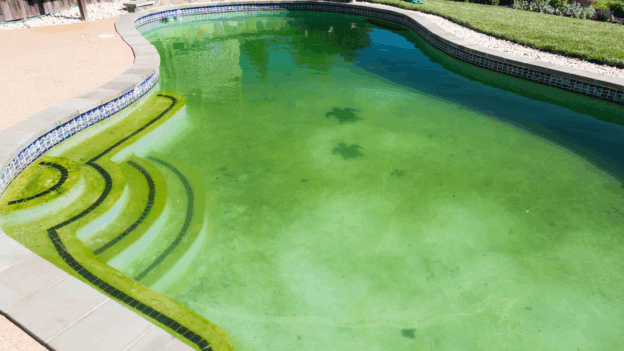
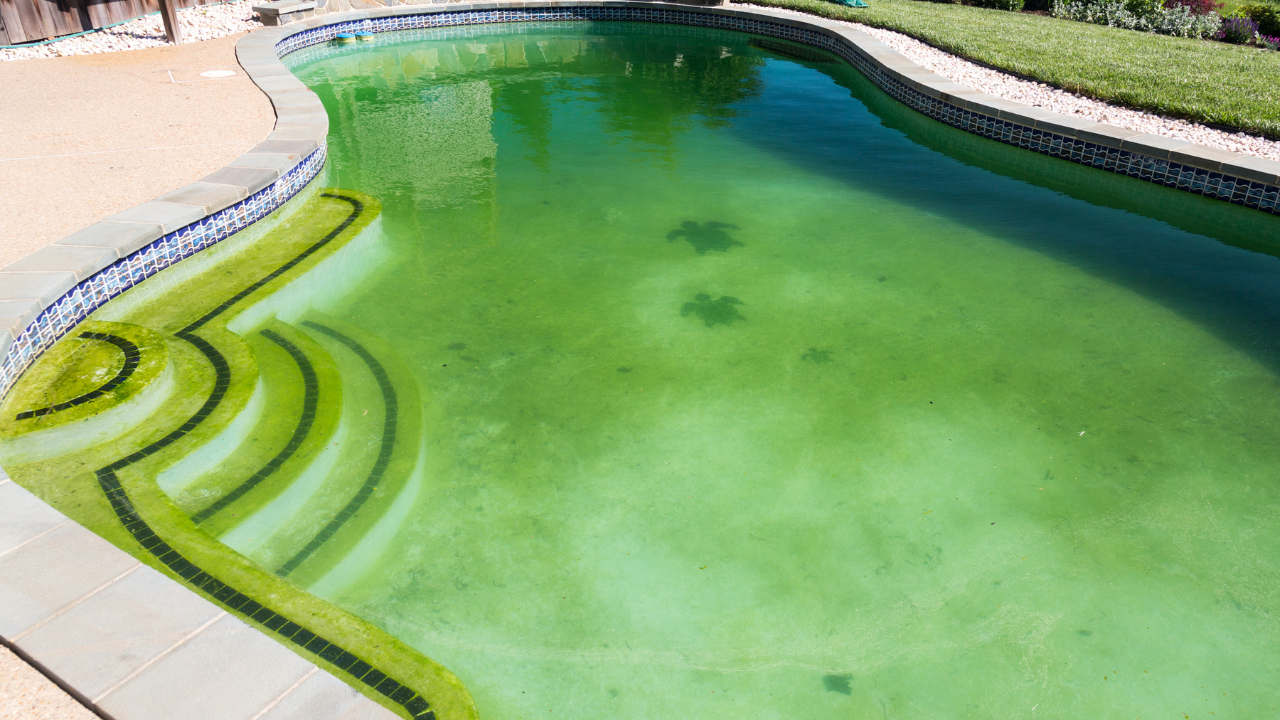
Green algae is the most common. It floats freely in water or clings to walls and floors. Green algae responds well to most natural pool algae removal methods. Yellow algae (also called mustard algae) is trickier. It clings to shady areas and resists standard treatments. Yellow algae often return if not fully eliminated. Black algae is the most stubborn. Also known as black beard algae, it roots deep into porous surfaces like concrete and plaster. Black algae requires aggressive, targeted treatment. Many pond and fountain repair Orange County specialists consider it the hardest type to remove naturally. Knowing your algae type helps you choose the right eco-friendly algae control strategy from the start.
What Natural Methods Kill Pool Algae?
Several natural methods effectively control algae without harsh chemicals. The best eco-friendly algae control approach often combines multiple techniques for lasting results.
Natural pool algae removal relies on biological and mechanical processes. These methods work with your pond’s ecosystem rather than against it. They take longer than chemicals but create sustainable, long-term algae prevention that Orange County pond owners can maintain easily. Here are the most effective options.
Does Barley Straw Prevent Pool Algae?
Barley straw prevents new algae growth through natural decomposition. It does not kill existing algae but stops new blooms from forming.
As barley straw breaks down in water, it releases compounds that inhibit algae reproduction. This makes it ideal for algae prevention in Orange County ponds during warmer months. Timing matters. Apply barley straw in early spring before algae growth begins for best results. The activation time depends on water temperature.
| Application Timing | Water Temperature | Effectiveness | Duration |
| Early Spring | <50°F (10°C) | 6-8 weeks to activate | ~6 months |
| Late Spring/Summer | >70°F (21°C) | 1-2 weeks to activate | ~6 months |
Warmer water speeds decomposition. In Orange County’s climate, barley straw activates faster during summer. Replace it every six months for continuous natural pool algae removal protection. Many pond and fountain repair Orange County professionals recommend barley straw as a first-line preventive measure.
How Do UV Clarifiers Eliminate Algae?
UV clarifiers kill algae using ultraviolet light. This chemical-free method provides highly effective eco eco-friendly algae control for green water problems.
Water pumps through the clarifier unit, where UV light exposure kills or deactivates single-celled algae. The dead algae cells clump together. Your pool filter then removes these clumps easily. UV clarifiers excel at clearing green water and maintaining long-term clarity. They work continuously as water circulates. This makes them ideal for pond care in sunny climates where algae grows aggressively. The process adds nothing to your water—no residue, no chemicals, no impact on fish or plants. For persistent green water issues, UV clarification delivers reliable natural pool algae removal without disrupting your pond’s ecosystem.
Can Beneficial Bacteria Control Pool Algae?
Beneficial bacteria starve algae by consuming the nutrients they need. These microscopic powerhouses are essential for healthy pond care.
Algae feed on organic waste in your water. Beneficial bacteria eliminate that food source. Heterotrophic bacteria break down debris, dead algae, and fish waste. This decomposition reduces nutrients available for new algae growth. Nitrifying bacteria convert harmful ammonia into less toxic nitrates. Plants then absorb these nitrates, completing the cycle. Aerobic bacteria—the type requiring oxygen—work fastest and most efficiently. Good circulation keeps them active throughout your pond.
Beneficial bacteria products come in liquid, powder, and pellet forms. Add them regularly as part of the ongoing algae prevention that Orange County pond owners practice. They work slowly but deliver lasting eco-friendly algae control. Many pond and fountain repair Orange County experts consider bacterial treatments foundational to any natural pool algae removal program.
How Do You Physically Remove Pool Algae?
Physical removal is essential to any natural pool algae removal strategy. No treatment works well if algae stays attached to surfaces.
Eco friendly algae control combines treatment methods with manual effort. Brushing and circulation work together to dislodge algae and prevent regrowth. These mechanical approaches require no chemicals. They enhance every other method you use. Proper pond care always includes physical maintenance alongside biological treatments.
Why Is Brushing Essential for Algae Removal?
Brushing breaks algae’s grip on pool and pond surfaces. It exposes algae cells to treatment methods that would otherwise miss them.
Algae clings tightly to walls, floors, and steps. Surface algae forms protective layers that resist natural treatments. Brushing disrupts these layers. Once dislodged, algae becomes vulnerable to UV clarifiers, beneficial bacteria, and filtration. Brush all surfaces daily during active treatment. Focus on corners, steps, and shaded areas where algae hides. Use a stiff-bristle brush for concrete and plaster. Use softer brushes for vinyl and fiberglass. Consistent brushing accelerates natural pool algae removal significantly. Many pond and fountain repair Orange County specialists consider it the most overlooked step in algae prevention that Orange County pond owners skip.
How Does Improved Circulation Prevent Algae?
Improved circulation prevents algae by eliminating stagnant water. Moving water stops algae from settling and multiplying.
Algae thrives in still water. Dead spots in your pond or pool become algae breeding grounds. Run your pump 8-12 hours daily at a minimum. In warmer months, consider running it longer. Point return jets downward to push water along the bottom, where debris collects. This eliminates dead spots where algae establishes. Proper circulation mimics natural water movement found in healthy ecosystems. Rivers and streams rarely have algae problems because water never stops moving. Apply this principle to your pond care routine. Good circulation supports every eco-friendly algae control method. It keeps beneficial bacteria distributed evenly, moves algae toward filters, and prevents the conditions algae needs to grow.
What Natural Prevention Methods Stop Algae Growth?
Prevention beats treatment every time. The best algae prevention Orange County pond owners practice stops algae before it starts.
Effective pond care focuses on eliminating conditions algae needs. Remove sunlight, reduce nutrients, and balance water chemistry. These natural methods create an environment where algae struggles to survive. Prevention requires less effort than removal and keeps your water clear year-round.
How Do Aquatic Plants Compete with Algae?
Aquatic plants starve algae by consuming the same nutrients. They create natural competition that algae cannot win.
Plants absorb nitrates that would otherwise feed algae blooms. When plants dominate nutrient uptake, algae have nothing left to grow on. Floating plants like water lilies and hyacinths provide a second benefit—shade. They block sunlight from penetrating the water’s surface. Less light means less photosynthesis for algae. Submerged plants oxygenate water and support beneficial bacteria. A well-planted pond achieves natural pool algae removal through ecosystem balance. This eco-friendly algae control method works continuously without intervention. Many pond and fountain repair Orange County professionals recommend covering 50-70% of the water surface with plants for optimal algae prevention in Orange County conditions.
Can Pool Covers Prevent Algae?
Pool covers prevent algae by blocking sunlight. No light means no photosynthesis and no algae growth.
Algae require sunlight to survive. Covering your pool or pond eliminates this essential ingredient. Covers also reduce debris falling into the water. Leaves, pollen, and insects introduce nutrients that fuel algae blooms. By keeping organic matter out, covers prevent the accumulation that feeds algae. Use covers when your pool or pond is not in use. Even partial coverage helps. For decorative ponds and fountains, shade structures achieve similar results. This simple pond care strategy supports every other eco-friendly algae control method you use.
Does Proper Water Balance Prevent Algae Naturally?
Proper water balance prevents algae by creating conditions it cannot tolerate. Balanced water resists algae growth naturally.
Maintain pH between 7.2 and 7.6 for optimal algae prevention in Orange County conditions. When pH drifts outside this range, algae gain an advantage. Test weekly and adjust as needed. Balanced water also prevents ammonia and nitrite accumulation. These compounds fuel aggressive algae blooms. Regular testing catches imbalances before algae takes hold. Proper water chemistry supports beneficial bacteria and plant health too. Everything in your pond care routine works better when water stays balanced. This foundational step makes natural pool algae removal far more effective.
When Should You Combine Multiple Natural Methods?
Combine natural methods when single approaches fail or when dealing with persistent algae. A multi-faceted strategy yields the most comprehensive and long-lasting results.
No single method addresses all algae types effectively. Barley straw prevents new growth but does not kill existing algae. UV clarifiers eliminate green algae but miss algae attached to surfaces. Beneficial bacteria reduce nutrients but work slowly. Combining these methods creates a layered defense. Use barley straw for prevention, UV clarification for active blooms, bacteria for nutrient control, and brushing to dislodge surface growth. This eco-friendly algae control approach attacks algae from multiple angles simultaneously. Most pond and fountain repair Orange County experts recommend combination strategies for reliable natural pool algae removal.
Some situations demand extra measures. Black algae infestations root deep into porous surfaces. Natural methods alone may not fully eliminate established black algae colonies. Severely neglected ponds with thick algae mats need aggressive initial treatment before natural prevention works. In these cases, consult a pond care professional. They can assess whether natural methods will succeed or if additional intervention is necessary. Once severe algae is controlled, transition to combined natural methods for ongoing algae prevention in Orange County conditions. The goal is always sustainable, chemical-free maintenance—but sometimes you need professional help getting there first.
Get Professional Pond Care Today
Orange County Pond Services specializes in eco-friendly algae control for ponds and fountains throughout Orange County. Our team delivers natural pool algae removal solutions that protect your water features without harsh chemicals.
Need pond and fountain repair Orange County residents trust? Contact Orange County Pond Services for a free consultation.
