Category Archives: Blog

pond and fountain repair in Orange County Pond Pump Maintenance Guide

pond and fountain repair in Orange County


Key Takeaways

  • Schedule regular maintenance checks for your pond pump every few weeks to ensure optimal performance and prevent clogs or damage from debris buildup.
  • Always clean both the outer cage and internal components like the impeller with gentle brushes and pond water to preserve beneficial bacteria while removing harmful debris.
  • Keep an eye on water quality in your pond as poor conditions can affect how well your pump operates; test regularly for pH levels and clarity.
  • Regularly inspect all parts of your pump for signs of wear or damage – replacing worn components early can save you money in repairs later on.
  • Be aware of seasonal changes that may affect your pond’s ecosystem – winterizing your pump properly can prevent freezing damage during colder months.

Pond pumps are crucial for keeping your garden pond clean and healthy. They help circulate water, which is essential for fish and plants. A well-maintained pump ensures that your pond stays clear and vibrant.

However, many people overlook the importance of regular maintenance. Without proper care, a pond pump can become clogged or damaged. This can lead to murky water and unhealthy conditions for your aquatic life.

Regular maintenance not only extends the life of your pump but also keeps your pond looking its best. In this guide, we will cover why it’s important to maintain your pond pump.

An experienced pond and fountain repair in Orange County can provide a complete step-by-step process for maintaining it. By following these tips, you can ensure that your pond remains a beautiful oasis.

Why is it Important to Maintain Your Pond Pump?

Pond care and maintaining your pond pump is essential for several reasons.

Ensures Clean and Clear Water

Maintaining your pond pump is vital for keeping the water clean and clear. The pump circulates water, which helps remove debris and waste.

If the pump isn’t working properly, dirt and algae can build up. This makes the water murky and unhealthy for fish and plants. Regular maintenance prevents this problem by ensuring that the pump operates efficiently.

Prevents Costly Repairs

Regular maintenance can save you money in the long run. If you ignore small issues, they can turn into bigger problems that require expensive repairs or even replacement of the pump.

For example, a clogged filter can lead to pump failure if not addressed quickly. By performing routine checks and cleaning, you can catch problems early and avoid costly fixes.

Extends Pump Lifespan

Just like any machine, a pond pump has a limited lifespan. However, with regular maintenance, you can significantly extend its life.

Cleaning the pump and checking for wear and tear helps minimize damage over time. A well-maintained pump will last longer, giving you more value for your investment in your pond.

Enhances Energy Efficiency

A clean and well-maintained pond pump runs more efficiently. When debris builds up, the pump has to work harder to circulate water, which uses more energy.

This can lead to higher electricity bills. Regular maintenance keeps the pump operating at peak efficiency, saving you money on energy costs.

Supports Healthy Ecosystem

Pond pumps play a crucial role in maintaining a balanced ecosystem in your pond. They help oxygenate the water and distribute nutrients evenly. When the pump is well-maintained, it ensures that fish and other aquatic life thrive in a healthy environment.

Neglecting maintenance can disrupt this balance, leading to poor water quality and unhealthy conditions for your pond’s inhabitants.

How to Maintain Your Pond Pump – Complete Guide

Maintaining your pond pump doesn’t have to be complicated. Follow these twelve steps to keep it running smoothly:

Switch Off the Pump

Before you start any maintenance, turn off the power at the source. Unplugging the pump ensures safety while you work.

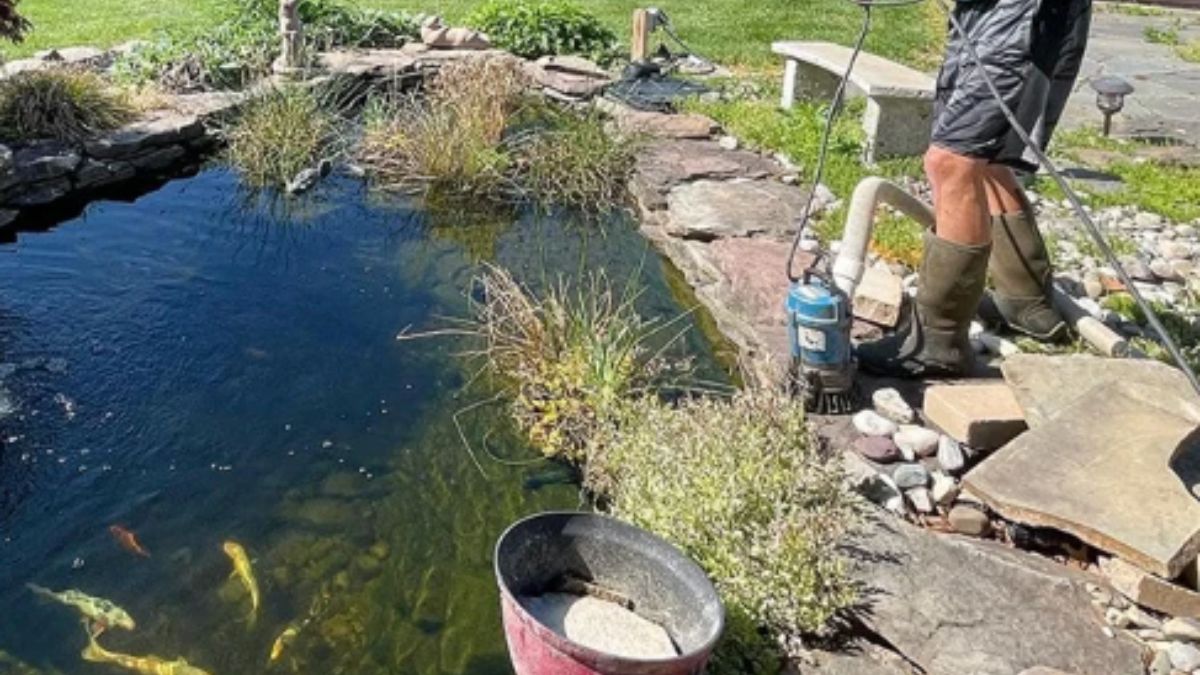
Remove the Pump from the Pond

Carefully take the pump out of the water by its hose, not the power cord. This prevents damage to the cord.

Disassemble the Pump

Remove any outer casing or cage from the pump. If there are any filters or sponges inside, take those out too.

Clean the Outer Cage

Use a brush or hose to scrub off dirt and debris from the outer cage. Make sure all openings are clear for proper water flow.

Clean the Pre-Filter Sponge

If your pump has a pre-filter sponge, rinse it in a bucket of pond water to remove muck without harming beneficial bacteria.

Access the Impeller

Unscrew or unclip the impeller cover to reach the impeller inside. Be gentle when removing it to avoid breaking any parts.

Inspect the Impeller

Check the impeller for wear and tear or any damage like cracks or broken blades. A damaged impeller should be replaced.

Clean the Impeller

Use a small brush to clean any dirt off the impeller. Rinse it thoroughly with water until it looks new.

Check for Blockages

Look inside the impeller chamber for debris or blockages that could affect performance. Clean out any dirt or algae you find.

Reassemble the Pump

Carefully put all parts back together in reverse order of disassembly. Make sure everything fits snugly and securely.

Place Pump Back in Pond

Once reassembled, gently place the pump back into your pond. Ensure it’s positioned correctly for optimal water flow.

Turn On the Pump

Plug in your pump and turn it back on at the power source. Watch closely to make sure it’s running smoothly without unusual noises.

By following these steps regularly, you can keep your pond pump in great shape year-round.

Get Solutions to Your Pond Pump Problems – Orange County Pond & Fountain Care

At Orange County Pond & Fountain Care, we know how important your pond is to you and your family. Our pond and fountain repair Orange County team is dedicated to helping homeowners maintain their ponds effectively.

We provide tips and resources tailored to meet your specific needs. We believe that every homeowner deserves a beautiful and healthy pond environment.

That’s why we offer guidance on best practices for maintaining pond pumps and filters throughout all seasons.

Whether you’re facing minor issues or just need advice on upkeep, we’re here to help you enjoy your outdoor space without worry.

Need help with your pond pump? Browse our range of pond fountain parts and supplies Orange County.

pond and fountain repair in Orange County Solving Common Pond Filter Problems

pond and fountain repair in Orange County


Key Takeaways

  • Make a schedule for routine maintenance of your pond filter – cleaning the filter media, checking for clogs, and removing debris from the pond.
  • Feed your fish only what they can consume in a few minutes, and consider using a feeding ring to help manage their intake.
  • Consider adding a mix of submerged, floating, and emergent plants for the best results.
  • Use a water testing kit tohttps://www.ocpond.org/services/ check parameters like pH, ammonia, nitrite, nitrate, and phosphate levels.
  • Consider adding a fountain or an aerator to improve water circulation and oxygen exchange.

Pond filters are essential for keeping your pond clean and healthy. They help remove dirt, debris, and harmful substances from the water. A well-functioning filter ensures that fish and plants thrive in a safe environment.

However, filters can sometimes have problems that need fixing. When your pond filter is not working properly, it can lead to murky water and unhealthy conditions for fish. This can be frustrating for homeowners who want to enjoy a beautiful pond.

Understanding common filter problems is the first step to solving them. In this blog, we will discuss ten common pond filter problems. We will also provide solutions to these issues.

If you need help, a reliable pond and fountain repair in Orange County can assist you in maintaining your pond.

What are the Common Pond Filter Problems?

Pond care is important and what is more important is to know about common problems homeowners face. Here are some common problems:

Murky Water

Murky water is one of the most common issues. It can be caused by too many fish or not enough filtration. This makes it hard to see into the pond.

Algae Blooms

Algae blooms make the water look green and can block sunlight. They often happen when there are too many nutrients in the water.

Sludge Build-Up

Sludge is a thick layer of waste at the bottom of the pond. It can reduce oxygen levels and harm fish if not removed regularly.

Clogged Filters

Filters can get clogged with dirt and debris. When this happens, they cannot clean the water effectively.

Unpleasant Odors

Bad smells often come from decomposing organic matter in the pond. This can indicate that the filter is not working correctly.

Low Oxygen Levels

Low oxygen levels can be dangerous for fish. This problem can occur due to too much sludge or overgrown plants.

Pump Failure

If the pump stops working, water will not flow through the filter. This can lead to stagnant water and unhealthy conditions.

High Nitrate Levels

Nitrates are harmful chemicals that can build up in ponds. High levels often result from overfeeding fish or not having enough plants.

Fluctuating Water Levels

If your pond’s water level keeps changing, it might indicate a leak or evaporation issues.

Poor Water Quality

Water quality problems can arise from various factors, including pollution or chemical imbalances in the pond.

Solutions to Common Pond Filter Problems

Here are the solutions to the above explained problems:

Clear Murky Water

To clear murky water, check your feeding habits and reduce food if necessary. Add more plants to help absorb excess nutrients.

Control Algae Blooms

Cut back on feeding and introduce more aquatic plants to compete with algae for nutrients. You might also consider using a UV clarifier to kill algae.

Remove Sludge Regularly

Use a pond vacuum or net to remove sludge from the bottom of the pond regularly. This will help maintain oxygen levels for fish.

Clean Clogged Filters

Regularly check and clean your filters to prevent clogs from affecting water flow. Rinse them with pond water instead of tap water to keep beneficial bacteria alive.

Eliminate Unpleasant Odors

If you notice bad smells, check for dead plants or fish in the pond and remove them immediately. Improve filtration by adding more mechanical filters if needed.

Increase Oxygen Levels

Add an aerator or fountain to increase oxygen levels in your pond. This helps keep fish healthy and happy.

Fix Pump Failures

If your pump fails, check for clogs or electrical issues first. Clean any debris blocking the pump intake and ensure it’s plugged in properly.

Lower Nitrate Levels

To reduce nitrates, perform regular water changes and add more aquatic plants that absorb nitrates as fertilizer.

Address Fluctuating Water Levels

Check for leaks in your pond liner or around fittings that may cause water loss. Repair any damage promptly to maintain stable water levels.

Improve Water Quality

Test your pond’s water quality regularly using a kit available at garden stores. Make adjustments as needed based on test results, such as adding beneficial bacteria or adjusting pH levels.

Get Solutions to Your Pond Filter Problems – Orange County Pond & Fountain Care

At Orange County Pond & Fountain Care, we understand how important your pond is to you and your home’s beauty. Our experienced team is ready to help you solve any filter problems you may face.

We offer comprehensive pond and fountain repair Orange County services to meet your specific needs as a homeowner. Whether it’s routine maintenance or urgent repairs, we ensure your pond stays clean and healthy all year round.

Our experts also provide advice on how to prevent future problems with your pond filter system. We want you to enjoy a beautiful outdoor space without worrying about maintenance issues.

Check our pond fountain parts and supplies Orange County.

pond and fountain repair in Orange County Troubleshooting Fountain Pump Issues

pond and fountain repair in Orange County


Key Takeaways

  • Look for signs like low water flow and strange noises.
  • Regularly check seals and clean filters.
  • Keep an eye on temperature; overheating is a red flag.
  • Don’t ignore leaks; they can lead to bigger problems.
  • Contact professionals when in doubt for expert help.

Fountain pumps are vital for maintaining the beauty and functionality of your garden fountains and ponds. They circulate water, creating a soothing ambiance and preventing stagnation. However, like any machine, fountain pumps can encounter problems.

Understanding how to identify these issues early can save you time, money, and stress. When a fountain pump malfunctions, it can lead to stagnant water, which promotes algae growth and can harm aquatic life. If you notice any unusual signs or changes in your fountain’s performance, it’s crucial to act quickly.

This guide will help you identify the signs of a malfunctioning pump and provide effective troubleshooting steps. In this blog post, we will explore common indicators that your pump may be having issues.

Below are ten detailed troubleshooting tips to help you resolve these problems. Finally, if you need additional assistance, a trusted pond and fountain repair in Orange County can help!

How Do You Know if Your Pump is Having Issues?

Low Water Flow

One of the first signs that your fountain pump may be having issues is low water level. If the water isn’t streaming out as high or as strong as before, it could indicate a blockage or that the pump is wearing out. Check the fountain’s nozzle for clogs and ensure that water is circulating properly.

Strange Noises

Listen closely to your pump while it’s running. If you hear grinding, rattling, or buzzing noises, this could mean there’s something wrong inside the pump. These sounds often indicate that parts are misaligned or worn out, which could lead to further damage if not addressed.

Water Leaks

Inspect the area around your pump for any signs of water pooling or leaking. Leaks can occur due to damaged seals or cracks in the pump casing. Even a small leak can lead to significant problems over time, so it’s essential to address this issue promptly.

Overheating

If your pump feels unusually hot when you touch it, it might be overheating. This can happen if the pump is running dry (without enough water) or if there’s a mechanical issue inside. Overheating can cause permanent damage to the motor, so it’s crucial to investigate further.

Frequent Cycling

If you notice that your pump turns on and off frequently, this could be a sign of trouble. Frequent cycling often indicates a faulty pressure switch or an issue with the float mechanism in the pond or fountain.

Dirty or Discolored Water

If the water in your backyard pond fountain appears murky or has strange colors, it may indicate a problem with the filtration system or pump operation. Dirty water can lead to algae growth and may harm fish and plants in your pond so it is better to be mindful of pond care.

Constantly Running Pump

A pump that runs continuously without stopping may have an issue with its pressure settings or float switch. This problem can lead to increased energy costs and wear on the pump itself.

Vibration

Excessive shaking or vibration from your pump can indicate alignment issues or worn-out parts. A vibrating pump not only makes noise but can also lead to further mechanical failures if not corrected.

Reduced Fountain Height

If your fountain isn’t spraying as high as it used to, check for clogs in the impeller or intake area of the pump. A reduction in spray height can significantly affect the aesthetics of your fountain.

Pump Won’t Start

If your pump doesn’t turn on at all, start by checking the power supply and connections. Ensure that everything is plugged in correctly and that there are no blown fuses before considering more serious issues.

How to Troubleshoot Your Fountain Pump Issues?

Check Power Supply

The first step in troubleshooting is ensuring that your pump is receiving power. Check if it’s plugged in properly and confirm that there’s power at the outlet by plugging in another device.

Inspect for Blockages

Look for leaves, dirt, or debris blocking the intake of the pump. Clear any obstructions to ensure proper water flow through the system.

Clean the Impeller

The impeller is crucial for pumping water effectively. Remove the impeller cover and clean out any dirt or algae that may be stuck inside. A clean impeller will improve performance significantly.

Check for Air Bubbles

Sometimes air bubbles can get trapped inside the pump, causing it not to work correctly. To fix this issue, tilt the pump underwater while it’s running to release trapped air bubbles.

Examine Seals and Gaskets

Inspect all seals and gaskets for signs of wear or damage. If you find any cracks or tears, replace them immediately to prevent leaks from occurring.

Flush Plumbing

Disconnect fittings above the check valve and flush out any clogs in the plumbing system using a hose or pressurized water source.

Test Different Outlets

If your pump isn’t working after checking everything else, try plugging it into another outlet to see if it functions there; this helps identify potential electrical issues.

Look for Wear and Tear

Inspect all parts of your pump for signs of wear such as cracks, rust, or corrosion. Replace any damaged components promptly to ensure optimal performance.

Monitor Temperature

Keep an eye on how hot the pump gets while running; excessive heat can indicate problems with circulation or internal components failing.

Call a Professional

If you’ve tried all these troubleshooting steps and still face issues with your fountain pump, don’t hesitate to contact a professional service like Orange County Pond & Fountain Care for expert assistance.

Call Orange County Pond & Fountain Care for Custom Services

At Orange County Pond & Fountain Care, we understand how important your fountain is to your outdoor space’s beauty and tranquility.

Our experienced pond and fountain repair Orange County team provides expert services tailored specifically to meet your needs – whether it’s routine maintenance or emergency repairs.

We offer comprehensive services including cleaning, repairs, and upgrades to keep your fountain looking its best year-round. Our skilled technicians are knowledgeable about all types of pumps and fountains, ensuring that we can diagnose problems quickly and effectively.

Browse through our pond fountain parts and supplies in Orange County and see what we offer!

pond and fountain repair in Orange County Repair or Replace: Pond Pump Guide

pond and fountain repair in Orange County


Key Takeaways

  • Watch for signs like low water flow and strange noises.
  • A well-working pond pump keeps water clean and supports a healthy ecosystem.
  • Newer pumps are more energy-efficient.
  • Regular maintenance reduces the need for costly repairs.
  • Partner with professionals like Orange County Pond Service for expert help.

Pond pumps are important for keeping your water feature healthy and beautiful. They help move water, keep it clean, and support fish and plants. But what happens when your pond pump stops working? You might wonder if you should repair it or get a new one.

This guide will help you decide. Understanding how to care for your pond pump is essential. Regular maintenance can prevent problems. Knowing the signs of trouble can save you time and money.

If you’re facing issues, pond and fountain repair in Orange County can help restore your water feature’s functionality. With the right information and services, you can keep your pond pump running smoothly.

Let’s explore how to tell if your pond pump needs repair or replacement. We’ll also look at the benefits of a well-working pump and how Orange County Pond Service can help.

Repair or Replace – How to Know If I Need to Repair or Replace My Pond Pump?

Water Flow is Slow

If your pond’s water isn’t flowing as fast as it used to, there might be something blocking the pump or pipes. Check for leaves, sticks, or other things that might be stuck in the pump or pipes.

If you find a blockage, remove it and see if the water flow improves. If the water flow is still slow or the water level is low, there might be a problem with the pump itself.

Pump Makes Strange Noises

Listen to your pump. If you hear weird sounds like grinding or rattling, it could mean something is broken inside. If the pump is making noise, it’s best to turn it off and check it out.

You might be able to see what’s wrong with the pump just by looking at it. If you can’t figure out what’s wrong, you’ll need to call a professional to take a look.

Pump Gets Hot

If the pump feels hot to the touch, it might be working too hard. This can damage the pump if you don’t fix it. If the pump is overheating, turn it off and let it cool down before you try to use it again.

You should also check to see if there is anything blocking the pump’s intake or outlet. If there is, remove the blockage and see if the pump stops overheating.

Pump Breaks Down Often

If your pump keeps breaking down, it might be time to replace it. Fixing a pump over and over can get expensive. A new pump might be a better option.

If you’re not sure whether to repair or replace your pump, you should talk to a professional. They can help you assess the situation and make the best decision for your needs.

Pump is Very Old

If your pump is old and has been repaired a lot, it might be time for a new one. Newer pumps are often more efficient and can save you money on electricity.

If your pump is more than 10 years old, it’s probably time to start thinking about replacing it.

If you’re not sure what’s wrong with your pump or if you can’t fix it yourself, you should call a professional. They have the experience and expertise in pond care and to diagnose and repair pond pumps.

Benefits of Having a Perfectly Working Pond Pump

A well-functioning pond pump offers many advantages. Here are some key benefits:

Clean Water

A good pond pump is essential for keeping the water in your pond clean and healthy – especially the koi pond. The pump circulates the water, which helps to remove debris and algae.

This creates a healthier environment for your fish and aquatic plants. It prevents algae growth in pond water. A clean pond is also more aesthetically pleasing.

Healthy Ecosystem

A well-functioning pond pump helps to create a healthy ecosystem in your backyard pond. The pump circulates the water, which helps to distribute oxygen throughout the pond.

This is important for the health of your fish and plants. The pump also helps to prevent the buildup of harmful gases, such as ammonia and carbon dioxide in the fish ponds.

Energy Efficiency

Newer pond pumps are much more energy-efficient than older models. This means that they will save you money on your electricity bills. In addition, newer pumps are often quieter and require less maintenance.

Less Maintenance

A reliable pond pump will require less frequent repairs and upkeep. This will save you time and hassle. If you choose a high-quality pump, you can expect it to last for many years.

Aesthetic Appeal

A well-maintained pond is a beautiful addition to any outdoor space. The pump helps to keep the water clean and clear, which makes the pond look more attractive. A pond can also be a great place to relax and enjoy the outdoors.

Choosing the Right Pond Pump

When choosing a pond pump, it is important to consider the size of your pond and the number of fish and plants that you have. You should also choose a pump that is energy-efficient and reliable.

Maintaining Your Pond Pump

To keep your pond pump running smoothly, you should clean it regularly and replace the filter cartridges as needed. You should also inspect the pump for any signs of damage. If you notice any problems, you should have the pump repaired or replaced.

Work with Orange County Pond Service & Get Custom Solutions

At Orange County Pond Services, we specialize in pond and fountain repair Orange County. We take pride in solving any issue with your pond or fountain.

Your yard deserves to look its best, and we are here to help maintain it. Our team understands that every pond is unique.

We offer custom solutions tailored to your specific needs. We have an extensive range of pond fountain parts and supplies in Orange County that help us to offer diverse services.

From routine maintenance to emergency repairs, we’ve got you covered. For all your outdoor water feature needs, trust Orange County Pond Services. Call us at 949-653-2305 today!

A serene Japanese garden featuring a tranquil pond and a traditional house surrounded by lush greenery. Pond Water Clarity: Causes & Solutions

A serene Japanese garden featuring a tranquil pond and a traditional house surrounded by lush greenery.


Key Takeaways:

  1. Identify the Cause: Determine if algae, suspended particles, or other factors are causing the problem.
  2. Use a UV Clarifier: Kill algae and improve water clarity.
  3. Add Beneficial Bacteria: Reduce nutrient levels and maintain a balanced ecosystem.
  4. Improve Filtration: Upgrade your filtration system for better water quality.
  5. Regular Maintenance: Perform routine tasks like water changes and debris removal.

A clear pond is a beautiful pond. Whether your pond is the focal point of your backyard or a peaceful retreat on your property, maintaining crystal-clear water is essential. However, achieving and maintaining water clarity can be a challenge. Pond water can easily become cloudy or murky due to several factors.

Keynotes for improving pond water clarity include:

  • Installing a UV clarifier
  • Adding beneficial bacteria
  • Upgrading your filtration system
  • Using floating and submerged plants

In this article, we will discuss the common causes of poor pond water clarity and provide simple, effective solutions to help restore and maintain the beauty of your pond. Whether you’re just starting out or have been practicing pond care for years, these tips will ensure your pond remains pristine.

Why Is Water Clarity Important?

Before diving into the causes and solutions, it’s essential to understand why water clarity matters. A clear pond not only enhances the beauty of your outdoor space but also plays a crucial role in the health of your pond’s ecosystem. Poor water clarity often indicates an imbalance in the pond, whether it’s excessive nutrients, algae overgrowth, or a filtration problem. Maintaining clear water ensures:

  • Healthy fish and plants
  • Balanced nutrient levels
  • Aesthetic appeal
  • A more enjoyable pond experience

If your pond is looking murky, it’s time to take action.

Common Causes of Poor Pond Water Clarity

Several factors can affect the clarity of pond water. Understanding the root cause is the first step toward finding the right solution. Here are the most common culprits:

1. Algae Blooms

Algae is one of the most common causes of cloudy or green pond water. Algae thrive in ponds that have excess nutrients, such as phosphorus and nitrogen, often introduced through fish waste, decomposing organic matter, or runoff from fertilized lawns.

  • Visible signs: Green or murky water, stringy algae on rocks and surfaces
  • Why it happens: High nutrient levels combined with sunlight fuel algae growth

2. Suspended Particles

Fine particles like silt, clay, or organic debris can become suspended in the water, causing it to look cloudy. These particles are too small to settle to the bottom and can remain in the water for long periods.

  • Visible signs: Brown or grayish water, especially after rainfall
  • Why it happens: Soil erosion, runoff, or disturbances from fish and wildlife

3. Overfeeding Fish

Feeding your fish too much can lead to water clarity issues. Uneaten fish food sinks to the bottom of the pond, where it decays and releases excess nutrients into the water, fueling algae growth and reducing clarity.

  • Visible signs: Cloudy water, excess fish waste
  • Why it happens: Overfeeding results in waste buildup and nutrient overload

4. Poor Filtration

A malfunctioning or inadequate filtration system can lead to poor water quality. Without proper filtration, debris, excess nutrients, and fish waste can accumulate, causing murky water and algae blooms.

  • Visible signs: Debris accumulation, algae overgrowth, cloudy water
  • Why it happens: Inefficient or improperly sized filter for your pond

5. Runoff from Surrounding Areas

Runoff from lawns, gardens, and surrounding areas can carry pesticides, fertilizers, and other chemicals into your pond, leading to nutrient imbalances and poor water clarity.

  • Visible signs: Cloudy or green water after rainfall
  • Why it happens: Rainwater carries nutrients and chemicals into the pond

Solutions for Improving Pond Water Clarity

Now that you know what’s causing the cloudiness, let’s look at some practical solutions to restore and maintain clear water in your pond.

1. Install a UV Clarifier

A UV clarifier is an excellent solution for combating algae blooms and improving water clarity. These devices use ultraviolet light to kill algae cells, preventing them from reproducing and clouding the water. A UV clarifier is a quick and effective way to clear green pond water.

  • How it works: Water passes through the UV light chamber, where algae and bacteria are killed
  • Best for Algae control, especially in sunny ponds

If you’re unsure which clarifier to choose, consult with a local expert in pond fountain parts and supplies Orange County for advice on the right size and model for your pond.

2. Add Beneficial Bacteria

Beneficial bacteria treatments are a natural way to improve water clarity. These bacteria break down organic waste, reducing sludge and nutrient levels that fuel algae growth. Regular use of beneficial bacteria can help maintain a balanced ecosystem and clear water.

  • How to use: Apply bacteria treatments monthly during warmer months
  • Best for Controlling algae, reducing organic waste

Beneficial bacteria are an essential part of any pond care routine, offering an eco-friendly solution for water clarity.

3. Upgrade Your Filtration System

If your pond’s filtration system isn’t working effectively, it might be time for an upgrade. A high-quality filter is essential for removing debris, excess nutrients, and fish waste from the water. Be sure to choose a filter that’s appropriately sized for your pond’s volume.

  • Types of filters: Mechanical (removes physical debris) and biological (promotes beneficial bacteria growth)
  • Best for: Maintaining water clarity and a balanced ecosystem

If your filter needs maintenance or replacement, reach out for pond and fountain repair in Orange County to keep your system running smoothly.

4. Reduce Fish Feeding

Overfeeding your fish can lead to excess waste and cloudy water. To avoid this, feed your fish sparingly and remove any uneaten food after a few minutes.

  • How to feed: Only feed what your fish can consume in 2-3 minutes
  • Best for: Reducing nutrient buildup and waste

By controlling feeding habits, you can maintain better water clarity and a healthier pond environment.

5. Use Floating and Submerged Plants

Aquatic plants are nature’s water filters. Floating plants like water lettuce and water hyacinths help shade the pond and block sunlight, which reduces algae growth. Submerged plants, like anacharis, absorb excess nutrients directly from the water, keeping it clear and balanced.

  • Floating plants: Provide shade and reduce algae
  • Submerged plants: Absorb nutrients and improve oxygen levels

Adding a variety of plants is a natural and beautiful way to enhance water clarity. For plant recommendations, contact a local pond fountain parts and supplies Orange County specialist.

6. Perform Regular Water Changes

Routine water changes are a simple yet effective way to improve pond water clarity. By replacing a portion of the water regularly, you help dilute any excess nutrients or waste that may be clouding the water.

  • How often: Change 10-20% of the water every 2-3 weeks
  • Best for: Reducing nutrient buildup and maintaining water clarity

Be sure to use dechlorinated water when refilling your pond to avoid harming fish and plants.

Achieve a Crystal Clear Pond

Maintaining clear pond water doesn’t have to be difficult. By understanding the common causes of poor water clarity and implementing the right solutions, you can keep your pond looking its best year-round. From installing a UV clarifier to adding beneficial bacteria, the strategies outlined in this article will help you maintain a beautiful, clear pond.

Achieving crystal-clear pond water is easier than you might think. With the right strategies and expert support, you can enjoy a beautiful, healthy outdoor space.

Ready to transform your pond? Contact Orange County Pond Fountain Service today to schedule a consultation and discover how our expertise can help you create a peaceful oasis in your Orange County backyard.

A serene pond featuring vibrant koi fish swimming gracefully among the lily pads and clear water. Keeping Pond Water Clean: Simple Tips for Success

A serene pond featuring vibrant koi fish swimming gracefully among the lily pads and clear water.


Key Takeaways:

  1. Remove Debris: Prevent organic matter buildup.
  2. Use Filtration: Install a quality filtration system for clean water.
  3. Beneficial Bacteria: Add bacteria to break down waste and reduce nutrients.
  4. Avoid Overfeeding: Feed fish appropriately to prevent excess nutrients.
  5. Regular Maintenance: Perform routine tasks like water changes and skimming debris.

A beautiful pond can be the highlight of your backyard, providing a peaceful and visually appealing water feature for you to enjoy. However, maintaining clean pond water can be challenging, especially if debris and algae start to take over. Keeping your pond water clean is essential not only for the aesthetic of your pond but also for the health of its ecosystem, including fish and plants.

Key notes for keeping pond water clean include:

  • Removing debris regularly
  • Installing a quality filtration system
  • Using beneficial bacteria
  • Improving water circulation

In this article, we’ll go over simple and effective tips to maintain crystal-clear pond water. Whether you’re a seasoned pond owner or just starting out, these strategies will help you maintain a healthy, thriving pond.

Why Is It Important to Keep Pond Water Clean?

Clean water is crucial to the health of your pond. Dirty water doesn’t just look unsightly; it can create an unhealthy environment for fish, plants, and other aquatic life. Poor water quality can lead to:

  • Excess algae growth
  • Foul odors
  • Fish illness or death
  • Cloudy or murky water
  • Unbalanced ecosystem

To avoid these issues, regular pond care is key. By staying proactive and following the tips below, you can keep your pond water clear and healthy all year long.

Tip 1: Remove Debris Regularly

One of the simplest and most effective ways to maintain clean water is to remove debris like leaves, twigs, and organic matter from your pond regularly. Organic debris can sink to the bottom of your pond, decompose, and release excess nutrients into the water, which can encourage algae growth and foul odors.

  • Skim the surface: Use a pond skimmer or net to remove floating debris.
  • Vacuum the pond floor: For debris that sinks, consider using a pond vacuum to remove the buildup from the bottom.

Frequent removal of debris is an essential part of ongoing pond care. If you need additional tools or advice, explore local sources of pond fountain parts and supplies Orange County.

Tip 2: Install a Quality Filtration System

A good filtration system is crucial for keeping pond water clean. There are two primary types of filtration:

  • Mechanical filtration: This type of filtration removes physical debris like leaves and fish waste from the water.
  • Biological filtration: This type of filtration encourages the growth of beneficial bacteria that break down harmful substances like ammonia and nitrates, helping to keep water clean and safe.

A combination of both mechanical and biological filtration will provide the best results for your pond. Be sure to clean or replace filters regularly to keep them functioning efficiently. If your current system isn’t performing well, consider reaching out for pond and fountain repair Orange County to upgrade or repair your equipment.

Tip 3: Use Beneficial Bacteria

Adding beneficial bacteria to your pond is a natural and effective way to keep water clean. These bacteria help break down organic waste, reduce sludge, and control algae by consuming excess nutrients in the water.

  • Use regularly: Beneficial bacteria treatments should be applied regularly throughout the year, particularly in the warmer months when algae growth is more common.
  • Eco-friendly option: Beneficial bacteria are a natural, environmentally friendly way to maintain water clarity.

Regular use of beneficial bacteria treatments is a simple yet powerful addition to your pond care routine.

Tip 4: Avoid Overfeeding Fish

Overfeeding your pond fish can lead to dirty water. Any uneaten fish food sinks to the bottom of the pond and begins to decompose, releasing excess nutrients that contribute to algae growth and poor water quality. Fish also produce waste, and if they are overfed, the nutrient load in the water increases.

  • Feed sparingly: Only give your fish what they can eat in 2-3 minutes.
  • Remove excess food: If any food is left floating after feeding, scoop it out to prevent it from sinking and decomposing.

Feeding your fish the right amount not only keeps them healthy but also helps keep your water clean.

Tip 5: Add Aquatic Plants

Aquatic plants aren’t just beautiful—they’re also natural water cleaners. Plants absorb excess nutrients from the water that algae would otherwise use to grow. Adding a variety of plants to your pond can help maintain a balanced ecosystem and keep your water clear.

  • Floating plants: Plants like water hyacinth and water lettuce float on the surface and provide shade, helping to reduce algae growth by blocking sunlight.
  • Submerged plants: Plants like anacharis and hornwort grow underwater and absorb nutrients directly from the pond.
  • Marginal plants: Plants like cattails and irises grow at the water’s edge and help filter runoff before it enters the pond.

The right combination of plants can greatly reduce the need for chemical treatments and keep your pond water clean naturally. If you’re unsure which plants to choose, you can consult pond fountain parts and supplies Orange County for expert advice.

Tip 6: Improve Water Circulation

Water circulation is essential for preventing stagnation and ensuring even distribution of oxygen and nutrients throughout the pond. Stagnant water encourages algae growth and can lead to foul smells and poor water quality.

  • Use a pond pump: A reliable pond pump will keep the water moving and help circulate oxygen.
  • Add a fountain or waterfall: Fountains and waterfalls not only enhance the beauty of your pond but also increase water movement and oxygen levels, which helps prevent algae growth.

If your pump or fountain isn’t working efficiently, contact pond and fountain repair Orange County to get it fixed or replaced.

Tip 7: Perform Regular Water Changes

Regular water changes are an effective way to keep pond water clean. Over time, nutrients and waste products can accumulate in the water, leading to algae growth and poor water quality. Replacing a portion of the water helps dilute these substances and refresh the pond.

  • Change 10-20% of the water: Every two weeks, remove and replace 10-20% of the pond water with fresh, dechlorinated water.
  • Use a water conditioner: If you’re using tap water to refill your pond, use a water conditioner to neutralize harmful chemicals like chlorine.

Water changes are a simple yet effective method to maintain clear and healthy pond water.

Maintain a Healthy Pond Today!

Maintaining clean pond water doesn’t have to be difficult. With the right combination of regular maintenance, filtration, and natural solutions, you can keep your pond crystal clear and healthy all year long. By following the tips outlined in this article, you’ll be well on your way to a thriving pond ecosystem.

Maintaining a healthy pond requires ongoing care. By staying proactive and addressing issues promptly, you can enjoy a beautiful, crystal-clear outdoor space.

Ready to take the next step? Contact Orange County Pond Fountain Service for expert advice and reliable solutions that will keep your pond looking its best.

A young girl stands on a bridge overlooking a serene pond, surrounded by lush greenery and gentle reflections in the water. Fix Green Pond Water – Quick Solutions

A young girl stands on a bridge overlooking a serene pond, surrounded by lush greenery and gentle reflections in the water.


Key Takeaways:

  1. Identify the Cause: Determine if excess nutrients, sunlight, poor filtration, or stagnant water are causing the problem.
  2. Use a UV Clarifier: Kill algae and improve water clarity.
  3. Add Beneficial Bacteria: Reduce nutrient levels and prevent algae growth.
  4. Improve Water Circulation: Increase water movement to prevent stagnation.
  5. Prevent Future Blooms: Regularly maintain your pond and monitor water quality.

Pond water should be clear and inviting, enhancing the beauty of your outdoor space. But when the water turns green, it can quickly become a source of frustration. Green pond water is typically caused by algae blooms, and while it’s a common issue, there are effective solutions to get your pond back to its pristine condition.

Common solutions to fix green pond water include:

  • Installing a UV clarifier
  • Adding beneficial bacteria
  • Improving water circulation
  • Reducing nutrient levels

If you’re facing this problem, don’t worry! In this article, we’ll explain why your pond water turns green and provide quick, actionable solutions to fix it.

Why Does Pond Water Turn Green?

Green pond water is primarily due to algae growth. Algae are microscopic plants that thrive in water, especially when the conditions are just right. A combination of sunlight, warm temperatures, and excess nutrients provides a perfect breeding ground for algae to flourish.

Here are some common reasons why your pond might turn green:

  • Excess Nutrients: Too many nutrients in the water, particularly nitrogen and phosphorus, can cause an algae explosion.
  • Direct Sunlight: Ponds that receive constant sunlight are more prone to algae growth.
  • Lack of Filtration: Poor or inadequate filtration allows algae to thrive unchecked.
  • Stagnant Water: Without proper water circulation, algae can multiply rapidly.

Understanding the cause is the first step in treating and preventing green pond water. With a bit of pond care, you can restore your pond to a healthy, algae-free state.

Quick Solutions to Fix Green Pond Water

Now that we’ve covered why pond water turns green let’s dive into some quick and effective solutions to tackle the problem.

1. Use a UV Clarifier

One of the quickest and most effective ways to clear green pond water is by using a UV clarifier. This device uses ultraviolet light to kill algae, effectively preventing it from reproducing and turning your pond water green.

  • How It Works: As water passes through the UV clarifier, the light destroys the algae cells, causing them to clump together. These clumps can then be filtered out, leaving your pond water clearer.
  • Benefits: UV clarifiers are highly efficient at clearing green water and are safe for fish and plants.

Installing a UV clarifier might require some professional help. If you’re in the area, you can contact pond and Fountain Repair Orange County to get it installed correctly.

2. Add Beneficial Bacteria

Adding beneficial bacteria to your pond can help reduce algae by breaking down excess nutrients in the water, which algae feed on. These bacteria compete with algae for the same resources, naturally limiting their growth.

  • How It Works: Beneficial bacteria digest organic debris, fish waste, and excess nutrients, creating a cleaner environment that doesn’t support algae growth.
  • Benefits: Natural and environmentally friendly solution for maintaining water clarity.

Regular use of beneficial bacteria treatments is an important part of pond care and can be done easily with store-bought products designed for this purpose.

3. Reduce Nutrient Levels

As mentioned earlier, excess nutrients—especially nitrogen and phosphorus—are a major contributor to green pond water. To fix this, you need to reduce the nutrient levels in your pond.

  • Skim Organic Debris: Remove any leaves, twigs, and other debris that falls into the pond regularly. As organic matter decomposes, it releases nutrients into the water.
  • Avoid Overfeeding Fish: Uneaten fish food sinks to the bottom of the pond and rots, contributing to nutrient buildup.
  • Use Plants: Aquatic plants, like water lilies or pondweed, absorb excess nutrients and can outcompete algae for these resources.

By controlling nutrient levels, you create an environment less favorable to algae growth. For more advanced tools to help with this, you can explore pond fountain parts and supplies Orange County.

4. Improve Water Circulation

Algae thrive in stagnant water. Improving water circulation helps prevent algae from forming by ensuring that nutrients and oxygen are evenly distributed throughout the pond. Plus, it prevents “dead zones” where algae can accumulate.

  • Use a Pond Pump: A good pond pump ensures consistent water movement.
  • Add a Waterfall or Fountain: Waterfalls or fountains not only enhance the beauty of your pond but also provide additional oxygen and water movement.

If your fountain or pump isn’t working as it should, you may need professional assistance. Pond and fountain repair Orange County can help repair or upgrade your existing system to improve water circulation.

5. Install a Filtration System

A proper filtration system is critical to maintaining clean water. There are two types of filtration systems to consider:

  • Mechanical Filtration: Removes debris like leaves, twigs, and other organic matter.
  • Biological Filtration: Uses beneficial bacteria to break down waste and excess nutrients.

A combination of both types of filtration is ideal for preventing algae growth. Keep in mind that filters need regular cleaning and maintenance to stay effective. If you need help finding the right pond fountain parts and supplies in Orange County, professionals can assist in selecting and installing the appropriate filtration system.

6. Add Shade

Algae thrive in sunlight, so reducing the amount of direct sunlight your pond receives can significantly cut down on algae growth. Adding shade over your pond can be a quick and effective solution.

  • Plant Trees or Shrubs: Adding trees or shrubs around the pond can block some of the sunlight.
  • Install a Shade Sail: A shade sail is a practical way to cover part of your pond and reduce sun exposure.
  • Add Floating Plants: Plants like water lilies not only add beauty to your pond but also provide shade for the water.

Reducing sunlight exposure will slow down algae growth and help maintain clear water.

Preventing Green Pond Water

Once you’ve cleared up the green water, it’s important to take preventive measures to stop algae from returning. Here are a few ongoing maintenance tips:

  • Perform Regular Pond Maintenance: Skim debris, clean filters, and check your water quality regularly.
  • Monitor Nutrient Levels: Keep an eye on nutrient levels in your pond to avoid algae blooms.
  • Add Plants: Aquatic plants help balance the ecosystem by absorbing excess nutrients.
  • Use Algae Treatments as Needed: Algaecides can be used sparingly to control algae growth but should be a last resort.

By following these steps, you can enjoy a crystal-clear pond all year round.

Revitalize Your Green Pond

Green pond water can be frustrating, but with the right approach, it’s a problem that can be solved quickly and effectively. By addressing the root causes—such as excess nutrients, poor water circulation, and lack of filtration—you can restore your pond to its natural beauty. For expert advice and reliable solutions, turn to Orange County Pond Fountain Service.

Ready to revitalize your green pond? Contact Orange County Pond Fountain Service today to schedule a consultation and discover how we can help you create a crystal-clear oasis in your Orange County backyard.

A quaint wooden house surrounded by a lush garden, featuring a serene pond at its center. Why Does My Pond Smell Bad?

A quaint wooden house surrounded by a lush garden, featuring a serene pond at its center.


Key Takeaways:

  1. Excess Organic Material: Remove leaves, algae, and debris to prevent decomposition.
  2. Stagnant Water: Improve water circulation with fountains or waterfalls.
  3. Fish Waste: Maintain a balanced ecosystem and avoid overfeeding fish.
  4. pH Balance: Test and adjust pH levels to prevent algae growth.
  5. Regular Maintenance: Clean filters, remove debris, and monitor water quality.

A beautiful pond can be a serene addition to any backyard, offering peaceful sounds of water and the charm of aquatic life. However, when your pond starts to emit unpleasant odors, it can quickly become a source of frustration. If you’re wondering, “Why does my pond smell bad?” you’re not alone.

Common causes of pond odors include:

  • Decomposing leaves and organic matter
  • Poor water circulation
  • Fish and wildlife waste buildup
  • Improper pH balance

This common problem can have several causes, ranging from poor pond care to environmental issues. Let’s dive deeper into the possible reasons and solutions to restore your pond to its fresh, clean state.

Common Causes of Bad Odors in Ponds

1. Excess Organic Material

One of the leading causes of a smelly pond is the buildup of organic material like leaves, algae, and plant debris. When organic matter accumulates in the water, it begins to decompose. This decomposition process produces gases like hydrogen sulfide, which smells like rotten eggs. The more organic material in your pond, the stronger the odor will become.

  • Leaves and Twigs: Fallen leaves and twigs can sink to the bottom of the pond, creating layers of decaying matter.
  • Algae Blooms: Algae grow rapidly in nutrient-rich water, and when algae die off, they add to the decomposition problem.

Regular maintenance is essential to prevent this buildup, such as removing debris and trimming pond plants. Pond care is the first step to keeping your pond odor-free.

2. Stagnant Water

A lack of water movement is another common culprit behind a foul-smelling pond. Stagnant water provides the perfect breeding ground for bacteria and algae, leading to unpleasant odors. Without proper water circulation, oxygen levels in the pond drop, allowing anaerobic bacteria (those that don’t need oxygen) to thrive. These bacteria produce foul-smelling gases as they break down organic matter.

To address this issue, adding a fountain or waterfall can help. Pond and fountain repair in Orange County can ensure that your water feature stays in top condition, helping to keep your water moving and preventing stagnation.

3. Fish and Wildlife Waste

If your pond contains fish or other wildlife, their waste could contribute to the odor problem. Fish waste releases ammonia and other compounds that can quickly lead to foul-smelling water, especially in overstocked ponds.

A well-balanced ecosystem should naturally handle the waste through biological filtration and plants that absorb nutrients. However, if you have too many fish or not enough filtration, waste can build up, causing a strong odor.

  • Overfeeding Fish: Uneaten fish food also contributes to the problem. Leftover food sinks to the bottom and rots, producing bad smells.
  • Check Filtration Systems: Make sure your filtration system is adequate for the size of your pond. Regular filter cleanings can prevent the buildup of waste and debris.

4. Improper pH Balance

A pond’s pH balance plays a crucial role in its overall health. When pH levels are too high or too low, it can lead to issues like increased algae growth and poor water quality. Both of these problems contribute to foul smells. Testing your pond’s pH regularly and making adjustments can help keep things in balance.

Adding the right pond fountain parts and supplies in Orange County can assist in maintaining a healthy pH level. For example, pond liners, filters, and aeration systems can help manage water quality, keeping your pond fresh.

How to Get Rid of Pond Odors

Now that you know why your pond smells bad, let’s focus on how to fix it. Taking the right actions will not only eliminate odors but also improve the overall health of your pond.

1. Regular Maintenance

Routine maintenance is crucial for preventing odors. This includes removing dead plants, cleaning out fish waste, and regularly checking for debris. By staying on top of these tasks, you’ll reduce the chances of organic material buildup and stagnant water.

  • Skim leaves and debris off the pond’s surface daily.
  • Trim plants around the pond to prevent organic matter from falling into the water.
  • Clean the pond filter at least once a month to prevent clogs.

2. Improve Water Circulation

Improving water circulation can drastically reduce odors. If you already have a fountain or waterfall, check to see if it’s functioning properly. A malfunctioning fountain can cause stagnant areas in your pond, leading to bad smells. Pond and fountain repair in Orange County can help restore proper circulation if your current setup isn’t working effectively.

3. Add Beneficial Bacteria

Beneficial bacteria are essential for breaking down organic waste naturally. You can buy bacteria supplements that help accelerate the breakdown process, reducing the odor-causing material in your pond. These bacteria thrive in well-oxygenated water, so improving circulation is key to their effectiveness.

Look for pond care solutions that include beneficial bacteria treatments. These products are designed to maintain a balanced ecosystem and prevent foul smells.

4. Install Proper Filtration

A good filtration system is essential for removing waste and other debris from the pond. Without it, organic matter will accumulate and lead to unpleasant odors. There are many types of filtration systems, from mechanical filters to biological filters, that use bacteria to break down waste.

Regularly inspecting and cleaning your filters will ensure they function correctly. Replacing worn-out filters or adding upgraded pond fountain parts and supplies in Orange County will keep your system running smoothly.

5. Aeration

Aeration involves adding oxygen to the water, which is vital for keeping your pond fresh. Fountains, waterfalls, or aerators can increase oxygen levels, reducing the risk of anaerobic bacteria buildup. More oxygen means fewer odors and a healthier pond overall.

By contacting a pond and fountain repair Orange County service, you can install or repair aeration systems that keep your pond water clean and odor-free.

Prevent Future Odors

Once you’ve gotten rid of the bad smells, prevention is key. The following tips will help you keep your pond healthy and fresh:

  • Regular Cleaning: Keep up with regular maintenance and clean your pond weekly to remove debris and waste.
  • Monitor Water Quality: Test your pond water for pH levels, ammonia, and nitrates. This will help you spot any imbalances before they lead to problems.
  • Use Natural Pond Care Products: Choose eco-friendly pond treatments like beneficial bacteria and enzyme solutions to keep water quality high without chemicals.

Ready For a Fresh Pond?

A smelly pond doesn’t have to ruin your outdoor space. By understanding the common causes of pond odors—like excess organic material, stagnant water, and fish waste—you can take the necessary steps to fix the problem. Regular maintenance, improved circulation, proper filtration, and aeration are all key to keeping your pond fresh.

With the right pond care, you can maintain a healthy, odor-free pond that adds beauty to your yard. Don’t forget to consult professionals for pond and fountain repair in Orange County when necessary, and make sure you’re equipped with the best pond fountain parts and supplies Orange County has to offer for long-lasting results.

Ready to transform your pond? Contact Orange County Pond Fountain Service today to schedule a consultation and discover how we can help you create a peaceful oasis in your Orange County backyard.

pond and fountain repair in Orange County Reducing Pond Sediment: Tips and Methods

pond and fountain repair in Orange County


Key Takeaways:

  1. Sediment buildup can lead to poor water quality and damage pond equipment.
  2. Decaying matter, fish waste, erosion, and algae contribute to sediment.
  3. Regular cleaning, filtration, beneficial bacteria, erosion control, and proper water circulation are essential for reducing sediment.
  4. Consider professional sediment removal services for severe issues.
  5. Maintaining a clean pond enhances its beauty and promotes a healthy ecosystem.

A common challenge faced by pond owners is the buildup of sediment at the bottom of the pond. Sediment accumulation, often caused by decaying organic matter, erosion, and debris, can lead to murky water, poor water quality, and even damage to pond equipment.

Reducing pond sediment is essential for maintaining a balanced ecosystem, promoting the health of aquatic life, and ensuring your pond remains a beautiful and enjoyable feature of your landscape.

There are several methods to reduce pond sediments and some common important tips for them include:

  • Regular Skimming
  • Sediment Filter
  • Using Bacteria
  • Deep Cleaning

This article will explore practical tips and methods for managing sediment effectively, whether you need help with pond and fountain repair in Orange County or are searching for pond fountain parts and supplies in Orange County. By following these guidelines, you can enjoy a cleaner, healthier pond year-round.

Understanding Pond Sediment and Its Causes

Before diving into methods for reducing sediment, it’s important to understand what causes it. Sediment is composed of organic and inorganic materials such as decayed leaves, algae, fish waste, and soil particles. Over time, this material settles at the bottom of the pond, forming a thick layer of sludge.

Common Causes of Sediment Accumulation:

  1. Decaying Organic Matter: Leaves, twigs, and other organic debris that fall into the pond naturally decompose, adding to the sediment layer.
  2. Fish Waste: Fish produce waste that can contribute to sediment buildup if not properly managed.
  3. Erosion: Soil erosion around the pond’s edges or from the surrounding landscape can cause soil particles to wash into the pond, increasing sediment.
  4. Algae Growth: Dead algae sink to the bottom of the pond, decomposing and adding to the sediment.

Understanding these causes helps in selecting the most appropriate sediment reduction methods for your pond.

Effective Tips for Reducing Pond Sediment

Reducing pond sediment requires a combination of proactive management strategies and regular maintenance practices. Here are some effective tips to help keep sediment levels under control:

1. Regular Skimming and Cleaning

One of the simplest ways to reduce sediment is by regularly removing organic debris from the pond’s surface. Use a pond skimmer or a net to remove leaves, twigs, and other floating debris before they sink and decompose.

  • Tip: Install a mechanical pond skimmer to automatically remove debris. This is especially useful in larger ponds and reduces the frequency of manual skimming.

Regular cleaning also involves removing any visible sludge from the bottom of the pond using a pond vacuum. This equipment can be found at stores that specialize in pond fountain parts and supplies in Orange County.

2. Install a Sediment Pond Filter

A pond filter designed specifically for sediment control can help capture and remove fine particles from the water. Choose a filter that suits the size of your pond and the level of sediment buildup.

  • Mechanical Filters: These filters capture larger debris and particles from the water before they settle at the bottom.
  • Biological Filters: These use beneficial bacteria to break down organic waste and prevent it from accumulating as sediment.

For optimal results, consult a professional in pond and fountain repair in Orange County to ensure the correct installation and maintenance of your filtration system.

3. Use Beneficial Bacteria Treatments

Beneficial bacteria treatments can help break down organic matter in the pond, reducing the amount of sediment that accumulates. These bacteria consume organic waste such as fish waste, dead algae, and decaying plants, converting them into less harmful substances.

  • Choose Quality Products: Use high-quality bacteria treatments from a reputable supplier. These treatments are safe for fish and plants and are available in liquid or powder form.

Applying bacteria treatments regularly as part of your pond care routine helps maintain a healthy balance in the pond ecosystem and reduces the need for frequent cleaning.

4. Control Erosion Around the Pond

Erosion can be a significant source of sediment in ponds. Implementing measures to control erosion around your pond will greatly reduce sediment accumulation.

  • Plant Vegetation: Planting grasses, shrubs, or other ground cover around the pond’s perimeter can help stabilize the soil and prevent erosion. Native plants are particularly effective as they are well adapted to local conditions.
  • Use Rocks or Gravel: Installing rocks, gravel, or retaining walls around the edges of your pond can prevent soil from washing into the water.

These erosion control methods not only reduce sediment but also enhance the visual appeal of your pond area.

5. Maintain Proper Water Circulation

Adequate water circulation is crucial for minimizing sediment buildup. Stagnant water allows debris to settle quickly at the bottom of the pond.

  • Install a Pond Pump: A pond pump helps circulate water, reducing stagnation and preventing debris from settling. Ensure that the pump size and flow rate are appropriate for your pond’s size.
  • Add a Fountain or Waterfall: Incorporating a fountain or waterfall can further improve water circulation while adding aesthetic appeal. These features can be found at shops specializing in pond fountain parts and supplies in Orange County.

Consult with a local expert for advice on the best circulation equipment for your pond.

6. Perform Seasonal Deep Cleanings

While regular maintenance is essential, performing a deep cleaning at least once a year can help manage sediment levels effectively. During this process:

  • Drain a portion of the pond water.
  • Remove excess sludge and sediment using a pond vacuum.
  • Inspect and clean pond equipment such as pumps, filters, and UV lights.

For extensive cleanings, consider hiring a professional. Who specializes in pond and fountain repair in Orange County to ensure that all components are properly handled.

Methods for Long-Term Sediment Control

To maintain long-term sediment control, consider implementing these additional methods:

1. Utilize Pond Dye

Pond dyes are an effective way to limit algae growth, which contributes to sediment. These dyes block sunlight penetration, inhibiting the growth of algae and aquatic weeds. Less algae mean less organic matter contributing to sediment buildup.

2. Introduce Sediment-Reducing Plants

Certain aquatic plants can help reduce sediment naturally. By stabilizing the pond bed and consuming excess nutrients. Plants such as water lilies, cattails, and pickerelweed can prevent soil erosion and reduce organic waste.

  • Tip: Native plants are particularly beneficial. As they integrate well into the pond’s ecosystem without becoming invasive.

3. Use Sediment Removal Services

For ponds with severe sediment issues, professional sediment removal services may be necessary. These services use specialized equipment to dredge and remove accumulated sediment. Without harming the pond environment.

  • Considerations: While this option can be more expensive. It provides an immediate and comprehensive solution to sediment problems.

Reduce Your Pond Sediment Today!

Reducing pond sediment is essential for maintaining a clean, healthy pond environment. By understanding the causes of sediment and implementing effective strategies. Such as regular cleaning, installing proper filtration, and using beneficial bacteria. You can keep sediment levels in check and enhance the beauty of your pond. 

Whether you need professional assistance for pond and fountain repair in Orange County. Or are looking for pond fountain parts and supplies in Orange County. Contact Orange County Pond Fountain Service today and ensure that your pond remains a serene and enjoyable feature of your landscape.

Clearing Ponds with UV Lights: A Comprehensive Guide

pond and fountain repair in Orange County


Key Takeaways:

  1. UV lights eliminate algae and bacteria, improving water quality.
  2. UV lights are safe and eco-friendly, reducing the need for chemicals.
  3. Choosing the right UV light depends on pond size, flow rate, and bulb quality.
  4. Proper installation and regular maintenance are essential for UV light effectiveness.
  5. Troubleshooting common issues can help ensure optimal performance.

Maintaining clear, healthy pond water is a top priority for pond owners. A common challenge faced in pond care is controlling algae growth, which can quickly turn water murky and unhealthy. One highly effective solution is the use of ultraviolet (UV) lights. UV lights have become increasingly popular for their ability to eliminate green water caused by free-floating algae, ensuring a crystal-clear pond environment.

Setting up ponds with UV Lights need to be taken with the following considerations in mind:

  • Type of UV Lights
  • Benefits
  • Choosing the right one
  • Maintaining the system

This comprehensive guide will explain how UV lights work, the benefits they offer, and how to choose the right UV system for your pond. Whether you need advice on pond and fountain repair in Orange County or are searching for pond fountain parts and supplies in Orange County, this guide will help you make informed decisions.

How UV Lights Work to Clear Pond Water

UV lights, also known as UV clarifiers, are designed to control algae, bacteria, and other microorganisms that cause cloudy water and affect pond health. Here’s how they work:

  1. UV Radiation: UV lights emit ultraviolet rays, specifically UV-C light, which is a type of light with a short wavelength that is highly effective at penetrating the cells of microorganisms.
  2. Eliminating Algae: As water passes through the UV clarifier, the UV light damages the DNA of algae cells, effectively killing them or rendering them unable to reproduce. This prevents the algae from multiplying, keeping the water clear.
  3. Improving Water Quality: UV lights not only control algae but also reduce harmful pathogens and bacteria, improving the overall water quality of your pond. By installing a UV light, you create a healthier environment for fish, plants, and other aquatic life.

Now that you understand how UV lights work, let’s explore the benefits of using them in your pond.

Benefits of Using UV Lights in Pond Care

Using UV lights in your pond provides several benefits that make them an essential component of modern pond care:

  • Effective Algae Control: UV lights are one of the most effective tools for controlling algae, especially green water algae. Unlike chemical treatments, UV lights do not harm fish, plants, or beneficial bacteria, making them a safe and eco-friendly solution.
  • Clearer Water: By eliminating free-floating algae, UV lights ensure your pond water stays clear and visually appealing. This is particularly important for ornamental ponds, koi ponds, and water gardens where aesthetics are a priority.
  • Improved Health for Aquatic Life: UV lights help reduce the presence of harmful bacteria and pathogens, promoting a healthier environment for fish and other aquatic creatures.
  • Reduced Maintenance: With a UV clarifier, you’ll spend less time and money on manual cleaning and algae control products. This is a cost-effective way to maintain your pond.

If you’re considering installing a UV light but are unsure about which one to choose, consulting with a professional for pond and fountain repair in Orange County can provide guidance tailored to your specific needs.

Choosing the Right UV Light for Your Pond

When selecting a UV light for your pond, it’s essential to consider several factors to ensure you choose the right system:

  1. Pond Size: The size of your pond will determine the wattage of the UV light required. A general guideline is to use 10 watts of UV light per 1,000 gallons of water. Larger ponds may require multiple UV units or a higher wattage system.
  2. Flow Rate: The flow rate of the water passing through the UV clarifier is crucial for its effectiveness. If the water flows too quickly, the UV light will not have enough time to effectively kill algae and microorganisms. Ensure that the UV light you choose is compatible with your pond pump’s flow rate.
  3. Quality of UV Bulb: Look for high-quality UV bulbs that offer a sufficient lifespan. Most UV bulbs last about 8,000-10,000 hours, depending on usage. Consider buying UV bulbs and replacement parts from reputable stores specializing in pond fountain parts and supplies in Orange County.
  4. Installation and Compatibility: Ensure the UV light you choose is compatible with your existing pond equipment, such as your pump and filter. Some UV clarifiers are designed to be installed directly in line with your pond’s plumbing, while others may require a separate housing.

Taking these factors into account will help you select a UV light that meets your pond’s needs, ensuring effective algae control and clear water.

Installing UV Lights in Your Pond

Proper installation of UV lights is crucial for their effectiveness. Here are some steps to help you install a UV clarifier in your pond:

  1. Determine Placement: UV lights should be installed in a location where they can receive a consistent flow of water. They are often installed in line with the pond’s filtration system or connected directly to the pond pump.
  2. Follow the Manufacturer’s Instructions: Each UV light system may have specific installation requirements. Always follow the manufacturer’s guidelines for installation and safety.
  3. Check for Leaks: After installation, run the system to check for any leaks or issues. Ensure all connections are secure and that the UV light is operating correctly.
  4. Position Away from Direct Sunlight: To prevent damage to the UV unit, avoid installing it in direct sunlight. Excessive heat can reduce the effectiveness and lifespan of the UV bulb.

If you’re unsure about the installation process or need assistance, consider contacting a local expert in pond and fountain repair in Orange County.

Maintaining Your UV Light System

Like any pond equipment, UV lights require regular maintenance to function effectively. Here are some maintenance tips:

  • Clean the Quartz Sleeve: The quartz sleeve protects the UV bulb from water but can accumulate debris and scale over time. Clean the sleeve regularly to ensure the UV light penetrates the water effectively.
  • Replace the UV Bulb Annually: UV bulbs lose their effectiveness over time. Even if the bulb is still glowing, its UV output may not be strong enough to kill algae and bacteria. Replacing the bulb annually is recommended.
  • Inspect for Wear and Tear: Regularly inspect the entire UV system for any signs of wear and tear, such as cracks, leaks, or malfunctioning parts. Replacing worn components promptly ensures the system continues to operate effectively.

For high-quality replacement parts and expert advice, visit a trusted supplier of pond fountain parts and supplies in Orange County.

Troubleshooting Common UV Light Issues

Even with proper maintenance, you may encounter some common issues with UV light systems. Here are a few troubleshooting tips:

  • Cloudy Water: If your pond water remains cloudy even after installing a UV light, check the flow rate and make sure the UV bulb is functioning correctly. Adjusting the flow rate or replacing an old bulb can often resolve the issue.
  • Bulb Not Glowing: If the UV bulb is not glowing, check the power source and connections. It may also be time to replace the bulb.
  • Algae Regrowth: If algae reappear, ensure that the UV light is properly sized for your pond and that the bulb is functioning optimally. Check for any obstructions in the water flow that may reduce the effectiveness of the UV clarifier.

If these issues persist, consulting with a professional in pond and fountain repair in Orange County can help diagnose and solve the problem.

Choose the Right UV Lights For Your Pond

UV lights are a powerful tool in the battle against algae, helping to maintain clear, healthy pond water. By understanding how UV lights work, choosing the right system, and ensuring proper installation and maintenance, you can enjoy the benefits of a vibrant, algae-free pond.

For those looking for expert guidance or high-quality supplies, reach out to Orange County Pond Fountain Service specialists in pond fountain parts and supplies in Orange County, which can make all the difference.