 The moment you decide to buy a fountain carries both excitement and risk. What begins as a vision of tranquil water sounds can become a costly regret when key questions go unanswered. In Orange County, where the median home value reaches $962,600 and 56% of residents own their homes, fountain decisions carry weight. With a median household income of $116,289, buyers have the means to invest but also the expectation of quality returns.
Aesthetics often pull buyers toward a purchase before practical questions receive attention. The global fountain market reached $3.8 billion in 2025, with residential use accounting for 84% of demand. Yet common fountain buying errors persist because buyers focus on catalog appeal rather than site reality. This guide identifies five fountain selection pitfalls Orange County homeowners make and explains how to avoid each one.
Key Takeaways
- Matching fountain style to your home’s design language prevents costly visual mismatches
- Proper scale mockups before purchase eliminate the most common regret among buyers
- Orange County permit and water efficiency rules vary by city and must be checked early
- Southern California sun and evaporation create maintenance demands that buyers often underestimate
- Long-term landscape evolution should guide fountain material and placement decisions today
Mistake #1: Choosing a Fountain Style That Doesn’t Match Your Landscape or Home
What Types of Fountains Are Available?
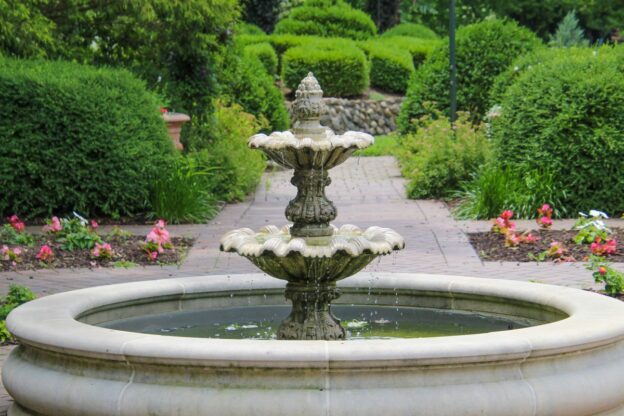
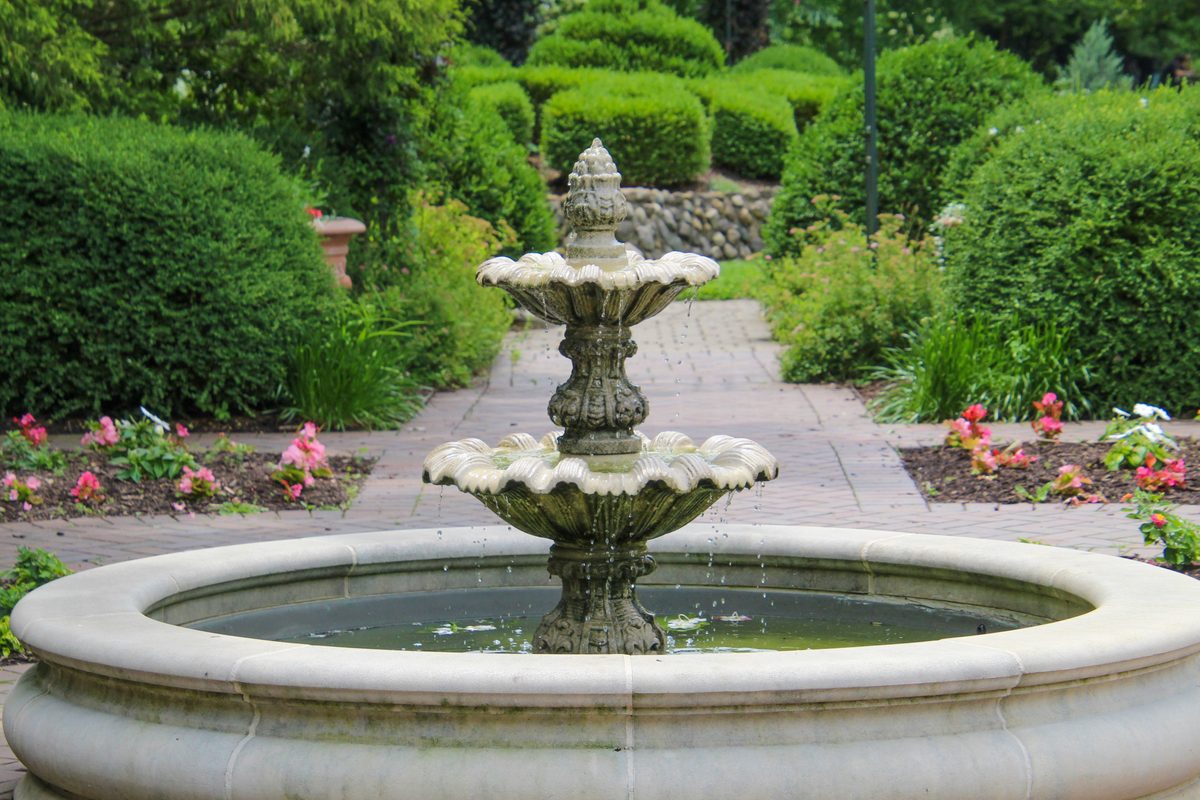
Five main fountain categories serve different design needs and yard conditions. Rock garden fountains use natural stone or basalt to create organic water features that integrate with native plantings. Tiered fountains feature stacked bowls that create formal cascades suited to traditional landscapes. Wall fountains mount vertically and work well in compact courtyards or patios with a limited footprint. Solar fountains reduce operating costs and simplify installation where electrical access is limited. Custom fountains allow unique designs tailored to specific architectural styles or personal preferences.
Design language preferences shape how buyers choose among these categories. Traditional style leads at 24% among outdoor-renovation homeowners, followed by transitional at 15%, contemporary and native/naturalized each at 10%, and modern at 9%. These shares reveal that formal aesthetics still dominate, but naturalistic and modern preferences are gaining ground.
Why the Mismatch Happens
Buyers frequently choose fountain style based on visual appeal before assessing their landscape’s design language. A formal tiered fountain placed in a naturalized yard creates immediate visual conflict. The reverse also occurs when buyers install rustic rock fountains in symmetrical, classical gardens. This mismatch happens because architectural fountain types for Orange County properties require coordination with home exteriors, not just personal taste.
How to Avoid It
Identify your home’s exterior style first, then match the fountain category to that design language. Well-landscaped homes see value increases between 5.5% and 11.4%, and the fountain either supports or undermines that gain. Use native or climate-adapted plants around the fountain to unify the look and create visual cohesion. Garden fountains Orange County installations succeed when buyers recognize that style consistency matters more than individual catalog appeal.
Mistake #2: Getting the Scale Wrong – Too Big or Too Small for the Space
Why Scale Is the Most Common Regret
Over-scaling dominates among smaller suburban lots, while under-scaling loses visual impact in larger yards. Fountain placement relative to grade, boulders, planting beds, and circulation paths determines whether the feature feels integrated or imposed. Buyers often react to photographs that show fountains in idealized settings rather than real yard dimensions. The result is a fountain that either overwhelms the space or disappears into the background.
Suburban Vs. Urban Lot Differences
Suburban properties offer larger yards and more room for tiered or rock fountains with expansive footprints. These homeowners typically spend more on maintenance and have space to accommodate freestanding focal pieces. Urban and smaller lots rely more heavily on hardscape and benefit from wall fountains or compact basins. Vertical water features preserve ground space while delivering the same auditory and visual benefits.
How to Avoid It
Mock up the fountain footprint using stakes or a garden hose before purchasing the unit. Check sightlines from key interior windows and outdoor seating areas to confirm visual impact. For rock fountains, use irregular groupings with varied sizes and partially buried edges to avoid rigid placement. Proper considerations for fountains in Orange County homeowners should include how the fountain reads from multiple vantage points, not just the primary viewing angle.
Mistake #3: Skipping Local Permits, Codes, and Water Efficiency Rules
What Orange County Buyers Often Overlook
Permit requirements vary by city within Orange County, and buyers must check before purchasing a fountain. Water source restrictions and efficiency mandates affect fountain design, operation, and recirculation system requirements. Utility requirements may also affect electrical supply for pumps and lighting, especially for larger installations. Buyers assume decorative features are exempt from permitting, but permits for a backyard water feature or fountain in Orange County depend on scope, location, and electrical work involved.
The Real Cost of Skipping This Step
Installations that violate local code often require removal or modification after the fact. Fines, permit delays, and neighbor disputes add stress and expense that far exceed the cost of early compliance. Some buyers discover permit issues only when selling their home, creating title complications or buyer objections. The worst-case scenario involves tearing out a completed fountain and starting over with a compliant design.
How to Avoid It
Consult local code and utility requirements before selecting a fountain style or size. Work with an experienced local installer who knows Orange County compliance standards and can navigate city-specific rules. Early consultation prevents expensive redesigns and ensures the fountain meets all water efficiency and electrical safety standards. Pond and fountain repair Orange County professionals often handle permit coordination as part of installation services.
Mistake #4: Underestimating Maintenance – Time, Cost, and Climate Demands
What Maintenance Actually Looks Like in Orange County
Weekly water level top-ups are often required in summer due to high evaporation rates. Monthly basin cleaning and debris removal keep water clear and pumps functioning properly. Quarterly pump inspections catch minor issues before they become failures, and deep cleaning two to three times annually removes mineral buildup. These tasks are not optional; they protect the investment and prevent system breakdowns.
Climate-Specific Challenges Buyers Underestimate
Algae acceleration from excess sun exposure is a persistent problem in Southern California fountains. Wind-driven overspray creates maintenance problems and apparent leak perceptions that frustrate homeowners. Mineral buildup from hard water reduces pump performance over time and shortens equipment life. Keeping your outdoor fountain algae-free requires understanding these climate-specific factors before you buy.
The Pump Problem
Pump burnout from water level exposure is the number one avoidable failure in residential fountains. Exposed pumps have significantly shorter service lives and often fail during the hottest months. Buyers who ignore this risk face repeated pump replacements and potential basin damage from dry running. Maintaining fountain water quality depends on protecting pump integrity through proper water levels and shaded placement.
How to Avoid It
Choose a fountain with a recessed or protected pump housing that shields the motor from debris and sun. Build a realistic maintenance schedule before buying, not after the fountain is installed. Annual electricity costs average around $25 for standard residential fountains, and variable-frequency controls can save up to 15%. Best low-maintenance fountains for busy homeowners prioritize design features that reduce cleaning frequency and pump exposure.
Mistake #5: Thinking Short-Term – Ignoring How the Fountain Fits as the Landscape Matures
Why This Mistake Surfaces Years Later
Landscapes evolve as trees grow, shrubs spread, and foot traffic patterns shift over time. Gen X homeowners lead plant upgrades at 41%, followed by Millennials at 38% and Boomers at 28%. These changes alter the fountain’s context, sightlines, and functional relationship to outdoor living spaces. A fountain that looks perfect at installation may feel crowded or misplaced five years later.
Long-Term Value Vs. Short-Term Purchase Decisions
Decorative water elements appeared in 42.6% of landscape projects in 2018, reflecting sustained demand. Water features rank among top multi-family outdoor amenity preferences at 46.5%, signaling enduring appeal. Freestanding fountains hold 34.2% of the global market and function as durable assets when chosen well. Seasonal fountain care tips for Orange County help protect that long-term value through proactive maintenance.
How to Avoid It
Consider what the landscape will look like in five to ten years, not just at installation. Match the fountain category to settlement type and yard use patterns over time, not just current conditions. Choose durable materials for your outdoor fountain rated for Orange County climate—granite, cast stone, or concrete over resin where longevity matters. A well-chosen fountain adapts to landscape evolution rather than fighting against it.
Making the Right Fountain Decision
The five mistakes outlined here are not about taste or aesthetics—they are about preparation and context. Orange County homes represent high-value investments, and every landscape decision should support that value over time. Buyers who match style to architecture, scale to space, materials to climate, and maintenance to lifestyle avoid the common regrets that turn fountains into liabilities.
For Orange County homeowners, working with experienced professionals ensures that fountain selection aligns with local codes, climate realities, and long-term landscape goals. Orange County Pond Services brings 25 years of expertise to fountain installation, repair, and maintenance throughout Southern California.
Talk to a Fountain Specialist Before You Buy
Choosing the right fountain involves more than picking a style you like in a catalog. Site conditions, local codes, climate factors, and long-term landscape plans all shape what works for your property. A short conversation with an experienced specialist often saves thousands in avoided mistakes.
Orange County Pond Services has helped homeowners across Southern California select, install, and maintain fountains since 2001. Mark and the team will walk your property, listen to your vision, and recommend options that fit your home’s architecture, the local climate, and how you want to enjoy the space five years from now. No pressure to oversize, no push toward features you do not need, just honest guidance from people who have seen what lasts and what fails.
Schedule a pre-purchase consultation with Orange County Pond Services today. Bring your questions, share your ideas, and get clear answers before you spend a dollar on the wrong fountain.
